DbcultAccessing Vault...
Cult Review
Senior Film Conservator
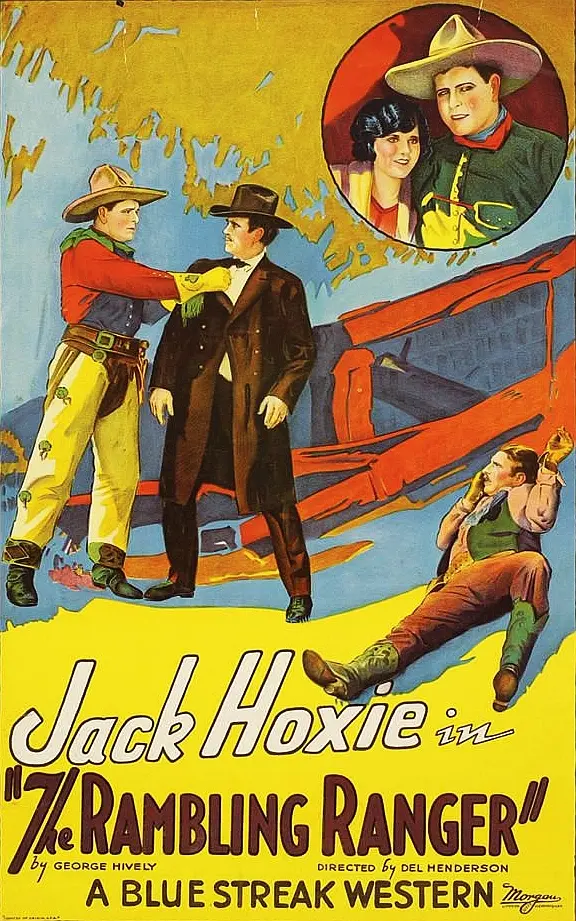
Is The Rambling Ranger worth watching today? Short answer: yes, but with significant caveats. This early silent Western offers a fascinating glimpse into a foundational genre, showcasing both the raw potential and the inherent limitations of filmmaking from its era.
This film is for dedicated cinephiles, Western enthusiasts keen on historical context, and those with a high tolerance for the narrative conventions of the 1920s. It is emphatically NOT for viewers seeking modern pacing, nuanced character development, or high-fidelity production values.
George Hively’s The Rambling Ranger, a silent era Western, presents a fascinating case study in early genre filmmaking. It’s a film that, despite its age and certain narrative naiveties, manages to capture a raw, almost primal essence of the American frontier myth. The story of Hank Kinney, a ranger thrust into unexpected fatherhood and a battle for his claim and his love, is simple, yet it resonates with themes that remain timeless: justice, family, and the fight against unchecked greed.
The film works. But it’s flawed. Its strengths lie in its unapologetic embrace of its own tropes, delivering a clear-cut morality play where heroes are unequivocally good and villains are deliciously despicable. This clarity, while perhaps simplistic by today's standards, was a powerful storytelling device in the silent era, allowing audiences to connect with the narrative on an emotional, visceral level.
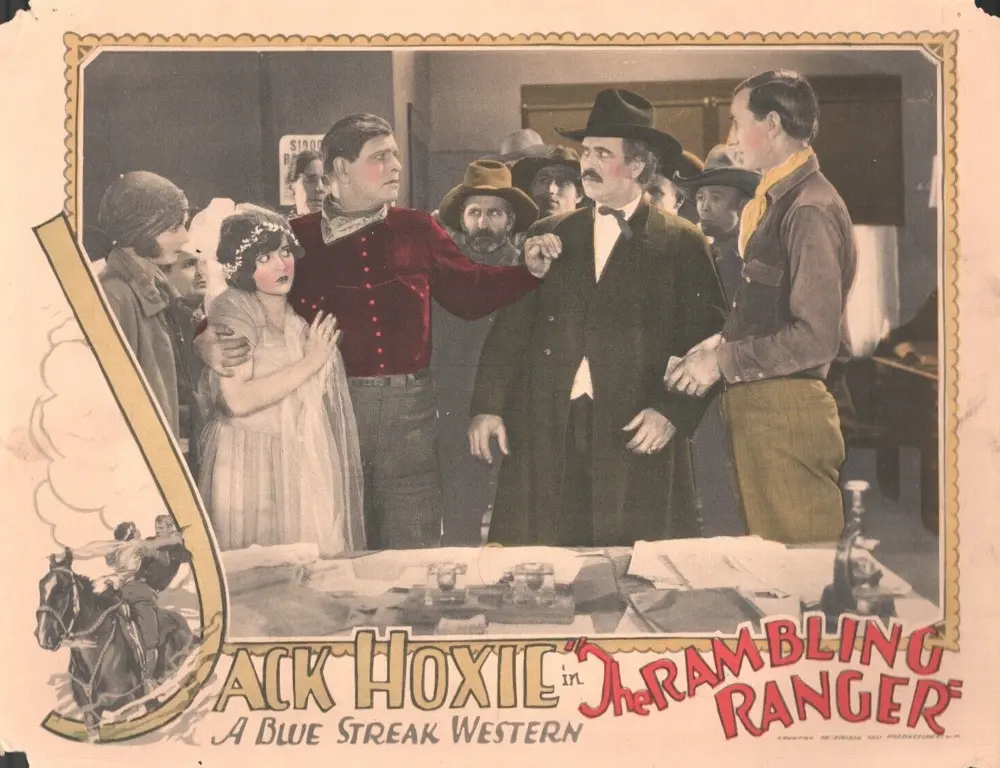
However, its failures are equally pronounced, primarily stemming from a reliance on broad strokes and convenient plot mechanisms that often strain credulity. The speed at which major life changes occur for Hank, from accidental guardian to legal adopter to target of a wealthy nemesis, feels compressed, even for a silent feature where narrative economy was paramount.
This film works because... it captures the nascent spirit of the Western genre with an earnest, if simplistic, tale of good versus evil, showcasing the foundational tropes that would define countless films to come.
This film fails because... its narrative relies too heavily on convenient contrivances and broad characterizations, often sacrificing genuine emotional depth for melodramatic effect.
You should watch it if... you are genuinely interested in the evolution of cinema, particularly the silent era, and appreciate the historical value of seeing early genre archetypes take shape, even if imperfectly.
The cast of The Rambling Ranger delivers performances typical of the silent era, relying heavily on exaggerated facial expressions and grand gestures to convey emotion. Monty Montague Jr. as Hank Kinney embodies the stoic, honorable frontiersman with a paternal heart. His portrayal, while lacking the internal complexity we expect from modern protagonists, is effective in establishing Kinney as a sympathetic figure. One can almost see the internal struggle in his wide-eyed concern for the infant, a subtle departure from the usual ruggedness of the Western hero.
Dorothy Gulliver, as Ruth Buxley, plays the damsel in distress with grace. Her vulnerability is palpable, particularly in scenes where she is coerced by Sam Bruce. While her character is largely reactive, Gulliver manages to imbue Ruth with a quiet strength that suggests an inner resolve, making her eventual defiance more impactful. It's easy to dismiss such roles as one-dimensional, but Gulliver brings a sincerity that elevates the material.
The standout, however, is arguably Monte Montague as the villainous Sam Bruce. Montague chews scenery with relish, his sneers and menacing glares painting a vivid picture of a man consumed by avarice and jealousy. His performance is a masterclass in silent film villainy, ensuring that every time he appears on screen, the audience knows precisely who to despise. His attempt to jump Kinney's claim, marked by a particularly aggressive posture and a dismissive flick of the wrist, perfectly encapsulates his character's arrogance. Bruce isn't just a bad guy; he's the bad guy, a force of nature that drives the entire conflict.
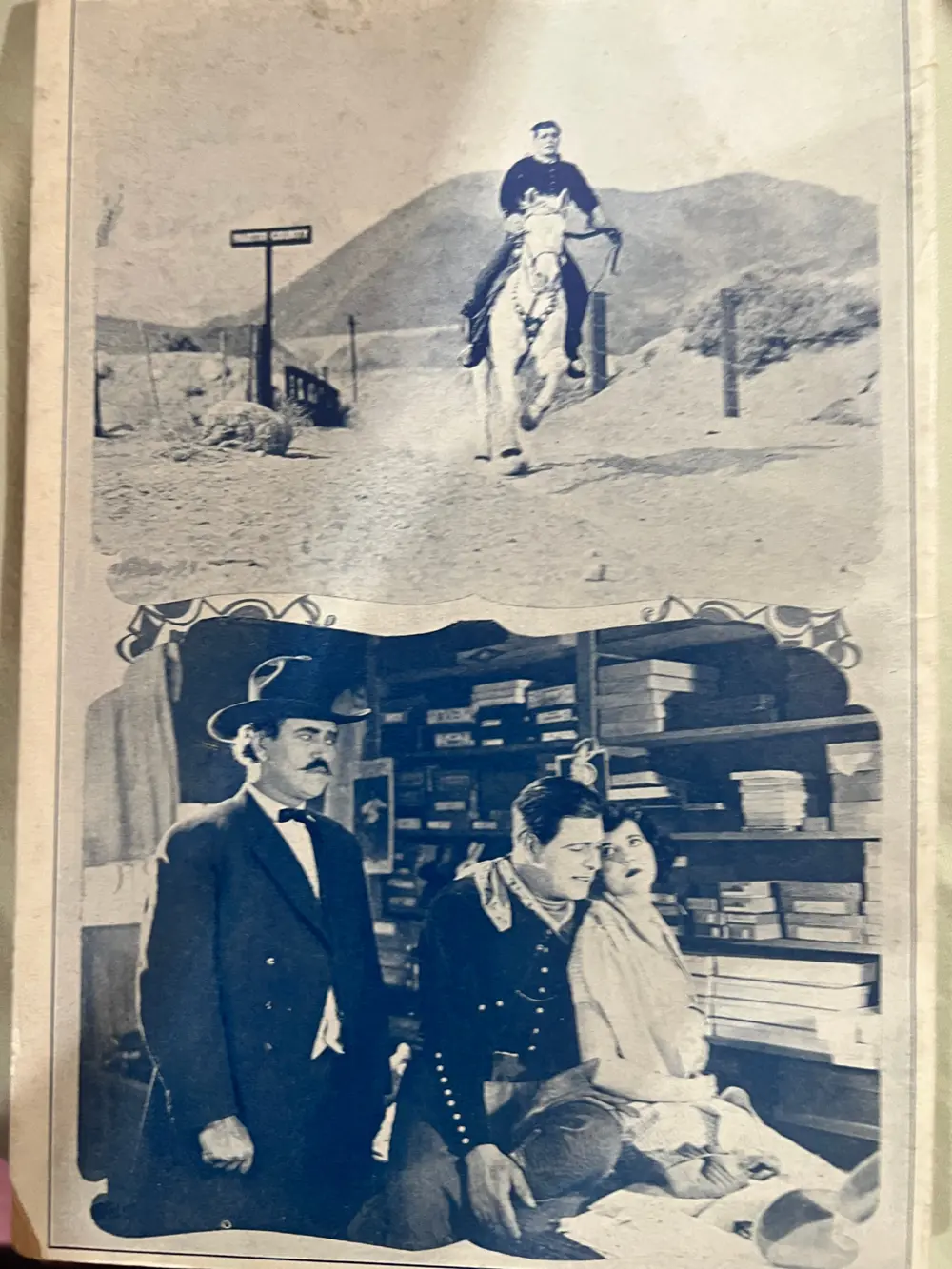
Jack Hoxie, credited as Jack Hoxie, and Charles Avery, and C.E. Anderson round out the supporting cast, providing solid, if less memorable, contributions. Their roles are largely functional, serving to propel the plot forward or to provide a backdrop for the central conflict. The dynamic between Kinney and Bruce, however, remains the film's beating heart, demonstrating how effective simple, clear character opposition can be in captivating an audience, even without spoken dialogue.
George Hively's direction in The Rambling Ranger is competent, if not groundbreaking. He understands the visual language of the Western, utilizing wide shots to establish the expansive, untamed frontier and tighter compositions to emphasize character reactions. The outdoor sequences, likely shot on location, lend an authenticity that grounds the more melodramatic elements of the plot. There's a particular sequence, perhaps when Hank is escaping with the child, where the camera follows them through rugged terrain, offering a sense of scale and urgency that is quite effective.
The cinematography, while not as artful as some of its contemporaries like The Song of Love or His Majesty, the American, serves the story well. Lighting is generally functional, designed to illuminate the action rather than create complex moods. However, there are moments of striking imagery, particularly in the contrast between the dusty, sun-baked landscapes and the interior scenes, often lit with a softer, more intimate glow. The stark visual representation of Kinney's humble cabin versus Bruce's opulent, if dimly lit, home is a simple yet effective way to visually reinforce their moral standing.
Hively’s pacing is brisk for a silent film, keeping the narrative moving forward with a relentless energy. There’s little time wasted on introspection; events unfold rapidly, driving the characters from one predicament to the next. This rapid succession of events, while sometimes feeling rushed, ensures that the audience remains engaged, constantly wondering what new obstacle Hank will face. The editing, though basic by today's standards, is clean and direct, ensuring clarity in the storytelling, a crucial element when dialogue is absent. The montage of Bruce instigating rumors, quickly cutting between various townsfolk whispering, is a surprisingly effective piece of visual storytelling for its time.
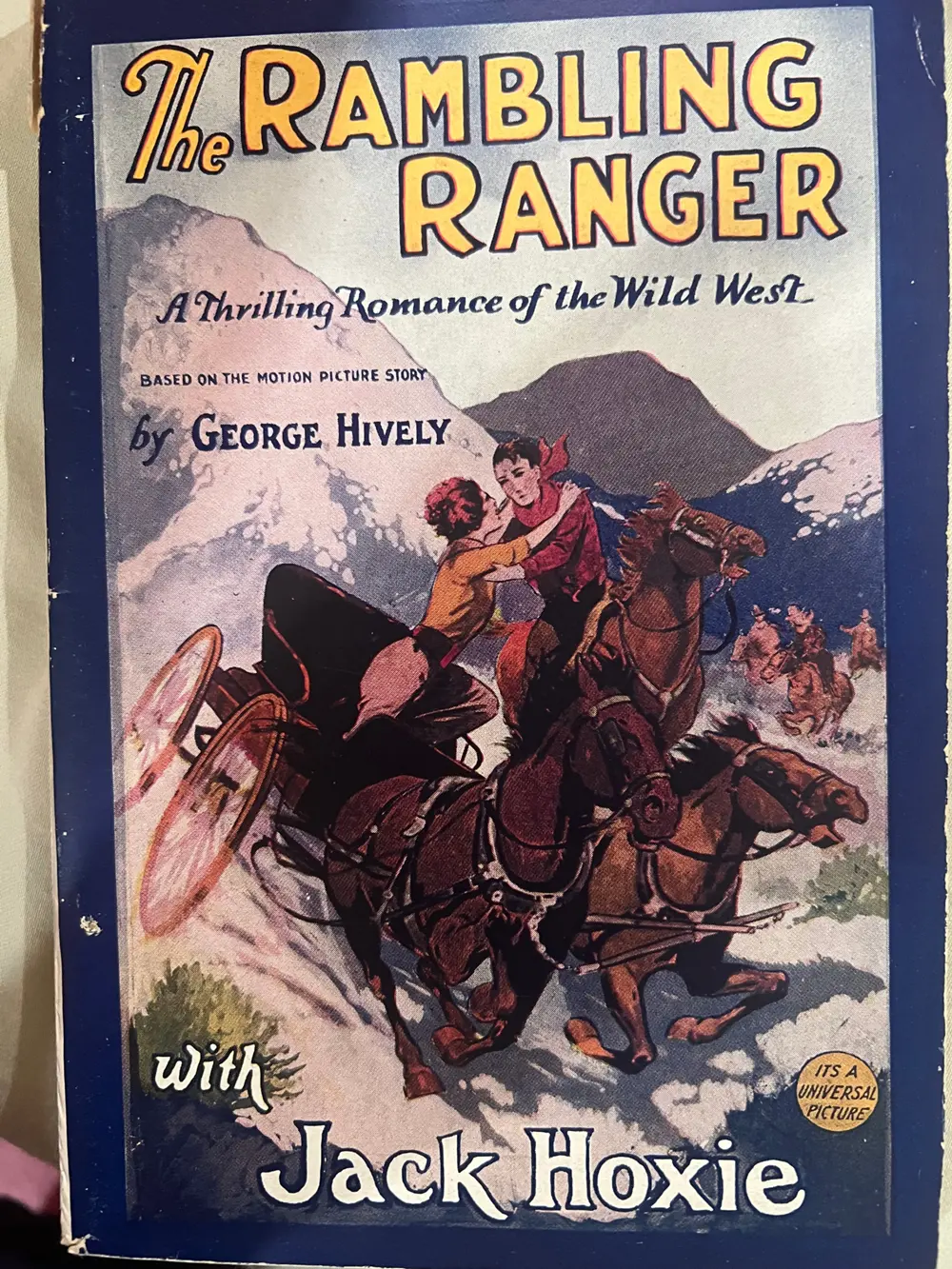
The pacing of The Rambling Ranger is a double-edged sword. On one hand, its swift progression means the film never truly drags, a common pitfall for silent features. On the other, it occasionally sacrifices character development and emotional resonance for plot advancement. The transition from Hank finding an infant to almost immediately seeking adoption papers feels less like a heartfelt decision and more like a narrative requirement. This isn't necessarily a flaw of Hively's direction but rather a reflection of the storytelling conventions of the era, where plot often trumped psychological depth.
The tone is unashamedly melodramatic, swinging between moments of heartwarming sentimentality (Hank with the baby) and intense villainy (Bruce's machinations). This emotional rollercoaster is characteristic of silent cinema, designed to elicit strong, immediate reactions from the audience. It’s a film that demands you feel, even if it doesn't always earn those feelings through nuanced character work. The final confrontation, where Hank dramatically interrupts the wedding, is pure, unadulterated melodrama, and it’s utterly glorious in its audacity.
An unconventional observation I have is how The Rambling Ranger, despite its simple premise, inadvertently highlights the fragility of legal and social structures in the American frontier. The ease with which Sam Bruce can manipulate the sheriff and public opinion, and the precariousness of Hank's adoption, speak volumes about a society still finding its footing. It's not just a story of good versus evil; it's a subtle commentary on the power of wealth and influence in a developing community, a theme that feels surprisingly resonant even today. This underlying current of social commentary, however unintentional, gives the film a depth beyond its surface-level adventure.
Yes, The Rambling Ranger is worth watching for specific audiences.
It's a valuable historical document of early Western cinema
IMDb 5.9
1932
Community
Log in to comment.