DbcultAccessing Vault...
Cult Review
Senior Film Conservator
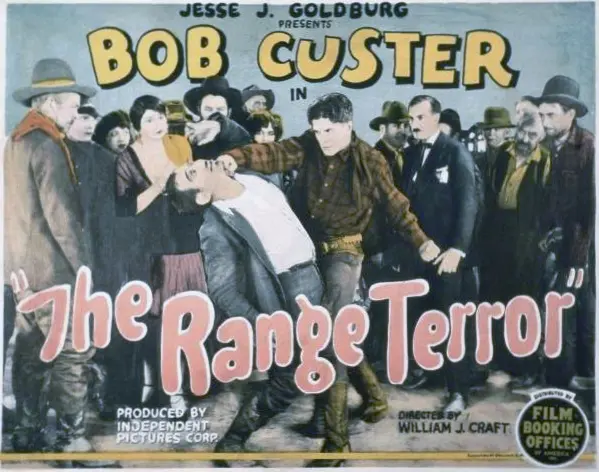
Short answer: Yes, but only if you appreciate Westerns that prioritize character over spectacle. The Range Terror isn't a polished genre piece—it's a gritty, unapologetic exploration of frontier justice that will test modern audiences with its deliberate pacing and morally gray choices. Think of it as a lesser-known cousin to High Noon, but with more emphasis on the psychological toll of vengeance than the action set-pieces.
This film works best for fans of revisionist Westerns who want to see lawmen as flawed individuals. It fails for viewers expecting slick cinematography or tight narrative structure. You should watch it if you're studying the evolution of the Western genre or want to see how 1950s Hollywood handled moral ambiguity.
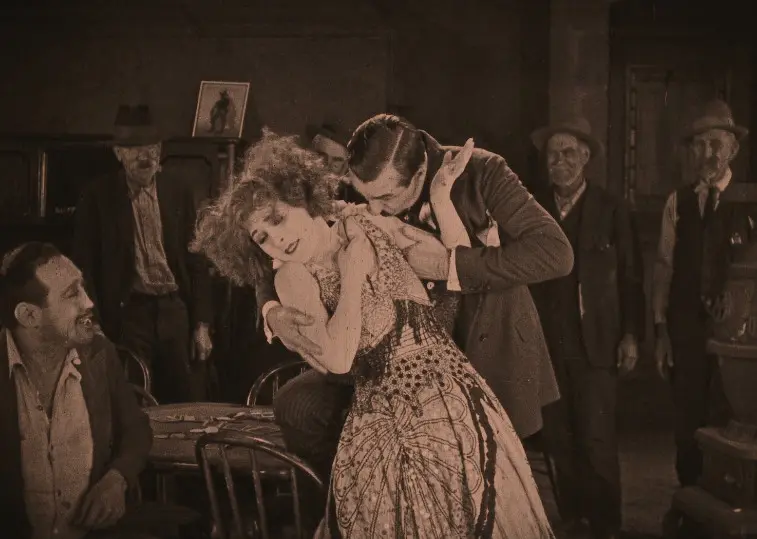
The Range Terror (1956) arrives as a stark, snowbound Western that wears its influences proudly. Directed with a blunt efficiency by William Barrymore, the film uses its bleak setting not just as backdrop but as character—its icy landscapes mirroring the moral coldness of its protagonist, Texas Ranger Speed Meredith (Bobbie Mack). What begins as a straightforward murder investigation quickly becomes a meditation on justice and consequence, though not without significant missteps.
The Range Terror earns its place in the Western canon through its relentless commitment to its protagonist's flawed perspective. Speed Meredith is no noble hero; he's a man whose desperation to solve a murder leads him to manipulate, deceive, and ultimately destroy those around him. The scene where he convinces Virginia (Anastasia Georgina Kissel) to pose as a saloon singer is chillingly effective—her reluctance is palpable, yet Speed's single-mindedness leaves no room for negotiation.
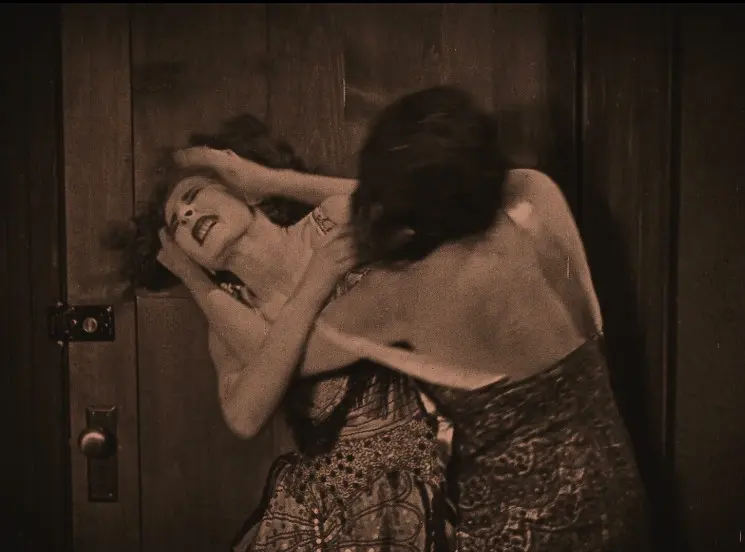
The film's greatest strength lies in its refusal to sanitize the frontier. When a dog is decorated with a ranger badge after killing the presumed killer, the gesture is as darkly comic as it is tragic. This moment undercuts any notion of clean resolution, reminding viewers that victory in the West often comes at a human cost.
The Range Terror's pacing is its fatal flaw. A 90-minute film feels twice that due to its relentless slow-burn approach. The holdup sequence that opens the film is tense and well-staged, but the subsequent 40 minutes of exposition and character development drag without sufficient payoff. Compare this to the tighter structure of The Soul of Kura San, where every scene serves the central conflict.
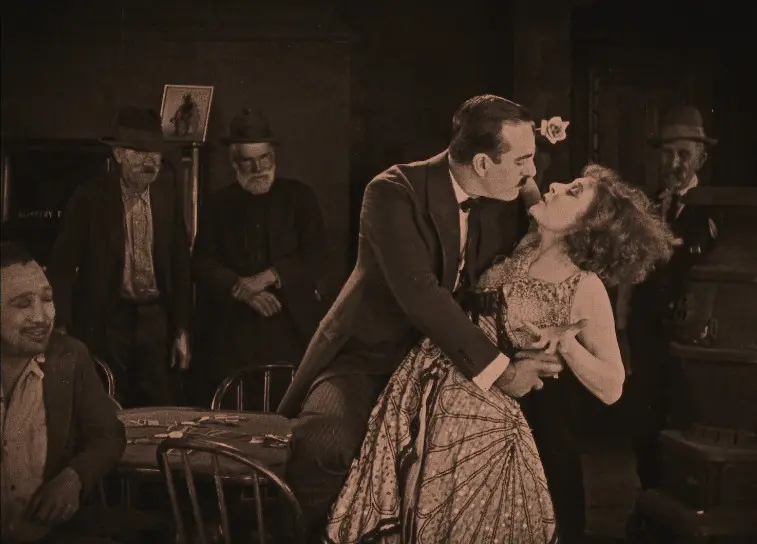
The film also falters in its secondary characters. Henry Hebert's gambler Reagan is a stock villain, his motivations reduced to greed and meanness. His eventual destruction feels perfunctory rather than satisfying. Even Virginia, who could have been a compelling moral compass, remains underdeveloped—her final decision to partner with Speed is never adequately explained.
You're studying the transition from classical to revisionist Westerns. The Range Terror sits in that liminal space, retaining the genre's tropes while occasionally hinting at darker themes. Its portrayal of Speed as a man who sacrifices ethics for results prefigures more complex protagonists in later films like The Red Ace.
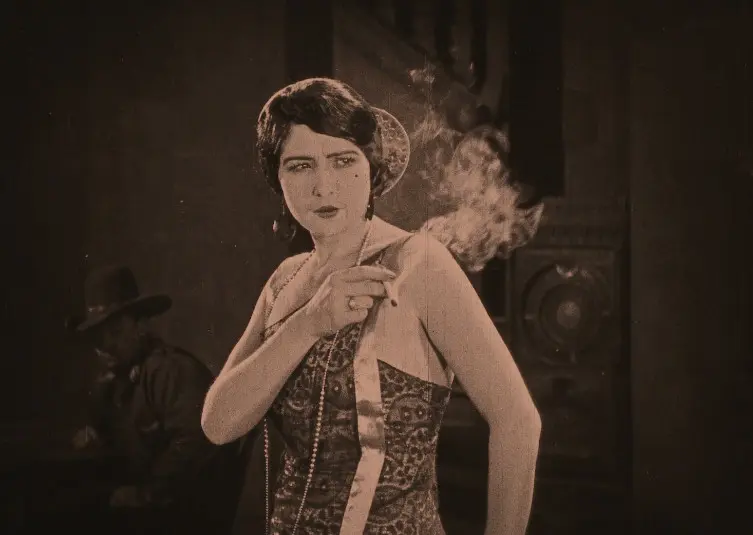
You also should watch it if you're curious about the technical evolution of Western cinematography. The snow-storm sequence uses natural lighting and handheld shots in ways that feel surprisingly modern for its era. Compare this to the more stagy visuals of Nimrod Ambrose and you'll see how 1950s filmmakers were experimenting with realism.
Short answer: Yes, but only if you're prepared to sit with its flaws. The Range Terror is a flawed but fascinating piece of Western cinema that deserves more attention than it gets. It's not a film to watch for pure entertainment value—it's a film to watch if you want to see how the genre grappled with moral complexity in the 1950s.
For modern audiences, the film's greatest value lies in its unflinching portrayal of frontier justice. When Speed Meredith burns down a saloon to force a confession, the act is framed not as a triumph but as a necessary evil. This moral ambiguity is what elevates The Range Terror above standard genre fare, even as its technical execution falters.
The Range Terror is a film that demands patience but rewards it. It's not a masterpiece, but it's a worthy addition to the Western canon for its bold handling of moral questions. If you're willing to overlook the pacing issues and uneven performances, you'll find a film that's more thoughtful than it is exciting, more atmospheric than action-packed.
For comparison, see 99 for a tighter, more polished Western or The Devil's Pay Day for similar moral complexity wrapped in a more satisfying narrative. But if you're looking for a film that dares to ask uncomfortable questions about justice in the American West, The Range Terror is worth your time—even if it doesn't always deliver on its promise.
IMDb 6.6
1928
Community
Log in to comment.