DbcultAccessing Vault...
Cult Review
Senior Film Conservator
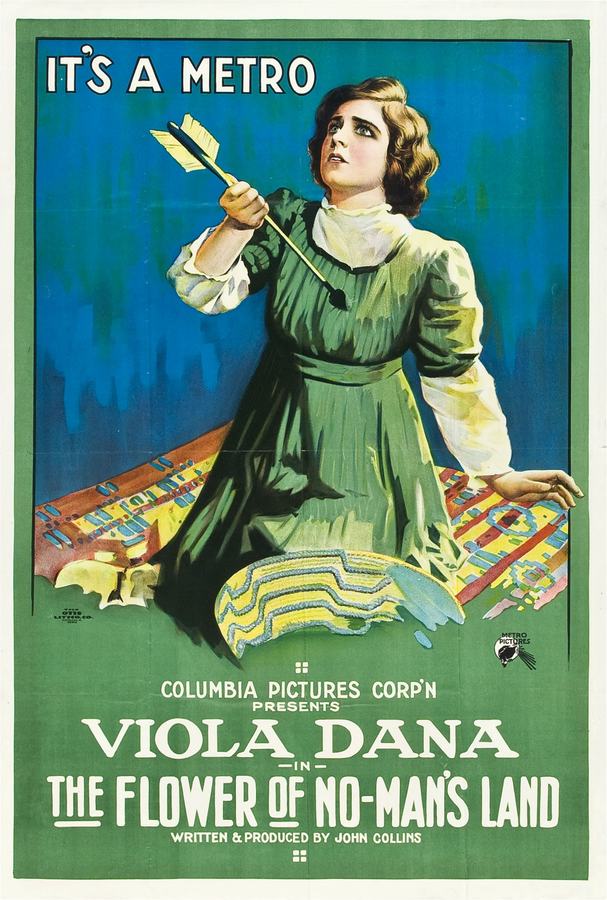
John H. Collins’ The Flower of No Man’s Land—a 1916 five-reel whirlwind released through Edison’s prestige banner—has slipped through the cracks of canon like sand through calloused fingers. That negligence borders on cine-criminal. Imagine a frontier fable filtered through Puccini pathos, then slammed against a moral landscape as unforgiving as Monument Valley at high noon; you begin to glimpse the tonal miracle Collins orchestrated in the twilight of American silent cinema’s first mature wave.
Cinematographer John W. Brown—borrowing the chiaroscuro he honed on Caloola, or The Adventures of a Jackeroo—paints the desert in silver-nitrate mercury. Daylight scenes flare until the sage looks white-hot, while night exteriors swim in cobalt so deep it verges on ultraviolet. Echo’s introductory close-up—a full fifteen-second iris-in on Viola Dana’s wind-burned yet cherubic visage—announces a director confident enough to let stillness plead louder than exposition. Compare that to the crowded tableau staging still clogging many programmers of the year (The Conspiracy; or, A $4,000,000 Dowry feels proscenium-bound by contrast).
Collins cross-pollinates Western iconography with opera-house gilt. Interior East-Coast sequences luxuriate in Art-Nouveau clutter: velvet drapes embroidered with peacock eyes, gas-jet footlights that halo Roy’s pomade-slick curls, box seats populated by silhouetted dowagers who resemble predatory ravens. The jump-cut juxtaposition—open prairie to rococo crush—serves as visceral culture shock, far more jarring than the polite railroad montages contemporaries like Liberty Hall employed.
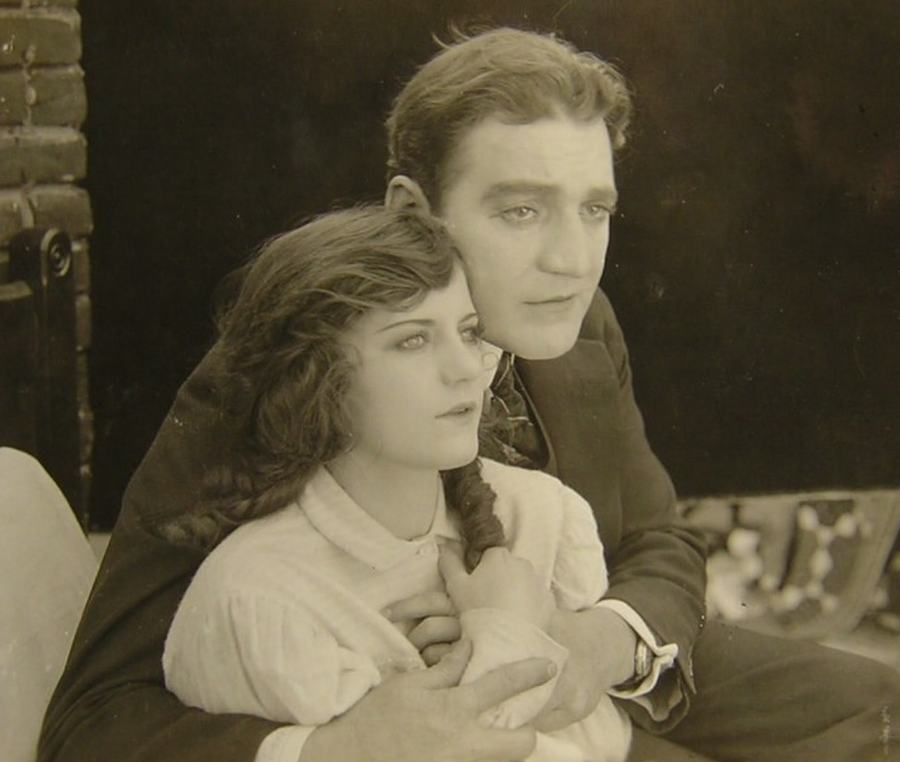
Viola Dana, barely nineteen during production, radiates feral naïveté. Watch her transition from moccasin-skipping tomboy to corseted chattel denied a voice: shoulders that once swung ropes now fold inward like damaged wings. Her eyes—wide, glassy—carry whole arias without title cards. When Echo finally tears off her bustle and races toward Union Station, Dana’s physicality channels the cathartic abandon later personified by Falconetti, though predating La Passion de Jeanne d’Arc by twelve years.
As the duplicitous tenor, Harry C. Browne channels matinee vanity—ivory cane twirls, a smile practiced in pocket-mirror seances. Yet he never descends into moustache-twirling caricature; his exhaustion in the third reel feels authentic, the ennui of a man addicted to adulation now courting consumption. The script’s canniest stroke: we glimpse his abandoned wife only once, reflected in a beveled mirror behind Echo, an apparition that foreshadows the heroine’s own erasure.
Mitchell Lewis’ Kahoma towers with stoic gravitas. Rather than the “noble savage” cliché miring The Bushman’s Bride, Kahoma is afforded complexity—he speaks fluent English, trades with the cavalry, and wields both Henry rifle and ceremonial flute. His climactic dispatch of Roy—an off-screen pistol crack followed by a curtain-like fall of opera-house velvet—carries the mythic weight of tribal justice, though the intertitle wisely refrains from endorsing blood law.
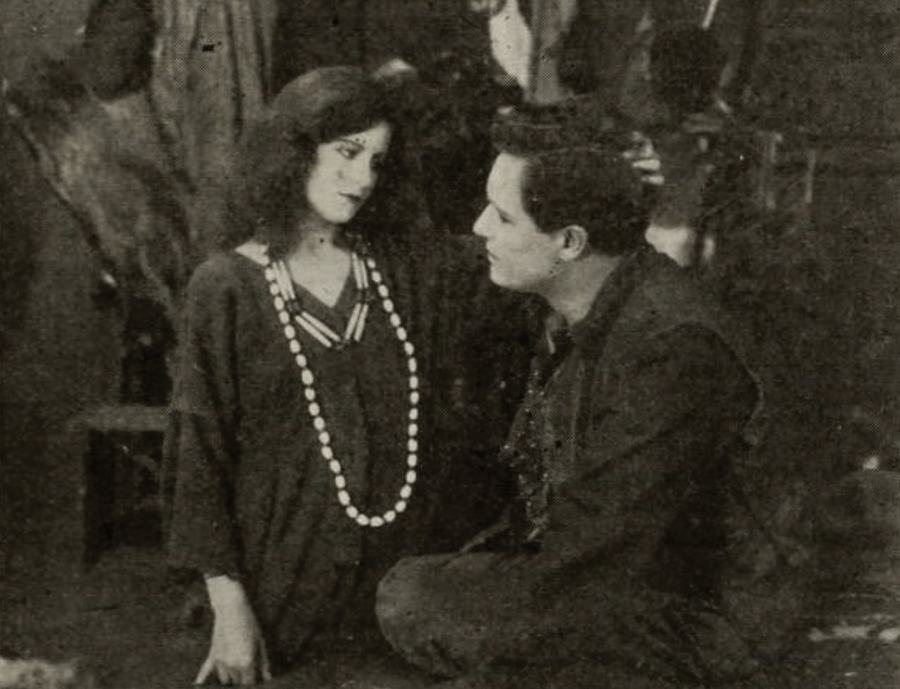
Collins, who also penned the scenario, structures the tale like a three-act opera. Act I: Allegretto rustic—courtship amid tumbleweeds, photographed in Lasky-style backlighting that halos dust motes into stardust. Act II: Andante elegiaco—Eastern marble, marital alienation, the suffocating squeeze of crinoline. Act III: Grave con fuoco—return, revelation, retribution. Intertitles, sparse and haiku-brief, eschew the florid verbosity sinking The Last Days of Pompeii under its own declamatory weight.
One temporal ellipse—Ellipsis of the Steamer Trunk—deserves scholarly ovation. After Echo flees Roy, we see only her trunk slapped with destination stickers: Chicago, Omaha, Denver. A montage of rail yards, then a match-dissolve to the desert blooming with fireweed. In twenty seconds Collins compresses a continental crossing, prefiguring the kinetic baggage-tag sequences later beloved by Hitchcock and, decades on, Wes Anderson.
At its core, The Flower of No Man’s Land is a parable about voice—who owns it, who silences it. Roy’s instrument, the trained operatic throat, becomes a metaphor for patriarchal prerogative; Echo’s loss of speech in the urban reel mirrors countless women corralled into ornamental spectatorship. Note the brutal symmetry: Roy courts Echo by singing off-screen while she gazes, entranced; once married, he forbids her from humming his arias, jealous that her untrained soprano might eclipse his own.
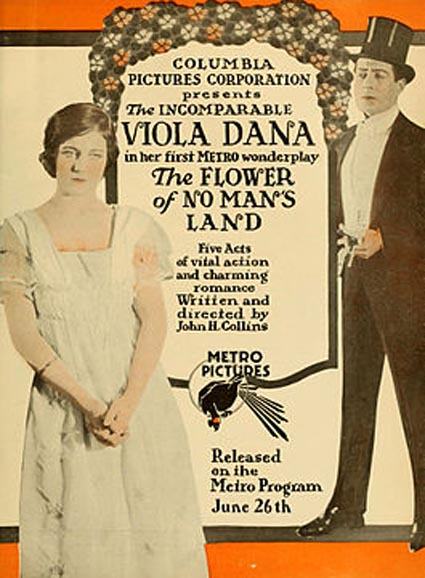
Kahoma’s final act of violence, then, is less blood-simple revenge than a restoration of vocal sovereignty. With Roy’s death, Echo regains her literal voice—she sings a folk lullaby to the open range, the first time we hear diegetic music sourced from her rather than from male lips.
Aficionados of Obozhzhenniye krylya will spot a shared obsession with scorched wings—both films equate romantic disillusionment with bodily combustion. Yet where the Russian melodrama leans into Orthodox guilt, Collins opts for frontier existentialism: nature itself, indifferent and vast, swallows sorrow whole.
Likewise, fans of Seventeen may note a parallel in adolescent disillusionment, though Dana’s Echo is no swooning schoolgirl; she is a foundling forged by adversity, closer in spirit to the vengeful orphan of Lost in Darkness.
The film’s last confirmed screening occurred in 1931, at a Kiwanis benefit in Topeka, after which the single 35 mm nitrate print vanished into a barn loft rumored to have succumbed to flash flood. Yet the paper record—Edison’s continuity script, a complete cue sheet for Joseph K. Paine’s waltz-laden score, and lobby photos—survives in the Library of Congress’ Paper Print Collection. Digital reconstruction using those frame-by-frame stills plus AI interpolation is technically feasible, though funding lags. Enthusiasts can petition via the National Film Preservation Board’s online ballot; mention the-flower-of-no-mans-land restoration grant to earmark support.
In an era binge-drunk on prestige miniseries about cults, con artists, and consent violations, Collins’ century-old tale feels freakishly modern. The gaslighting husband, the found-family loyalty, the final reclaiming of agency—each beat reverberates through today’s social feeds. Yet the film’s silent medium universalizes: no spoken language dates it, no dialect shackles it to 1916. Its emotional frequencies—desire, betrayal, reclamation—remain as raw as open prairie wind.
Cinephiles hunting forgotten gems should clamor for a 4K restoration. Until then, haunt archive forums, petition rep houses, and keep the title alive: The Flower of No Man’s Land deserves to bloom again.
IMDb —
1919
Community
Log in to comment.