DbcultAccessing Vault...
Cult Review
Senior Film Conservator
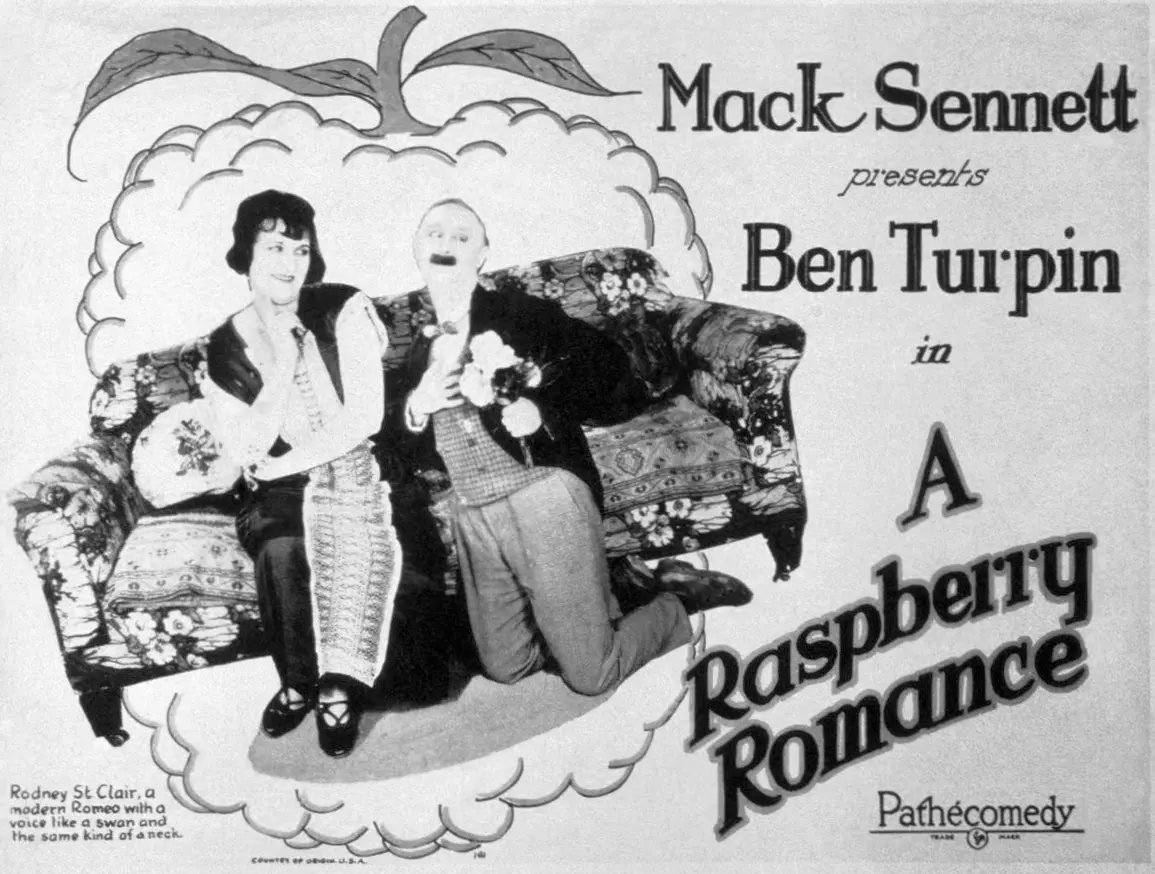
Is this silent comedy worth your time in the modern era? Short answer: yes, but only if you have a high tolerance for the aggressive, bone-crunching absurdity of the Mack Sennett school of humor.
This film is for enthusiasts of early physical comedy and those who want to see the 'cross-eyed prince' of silent film at his most frantic. It is certainly not for viewers who require nuanced character development or sophisticated plot structures.
1) This film works because it leans into the raw, unpolished energy of a chase sequence that feels genuinely dangerous.
2) This film fails because it relies heavily on the 'large woman vs. small man' trope, which feels repetitive even within its short runtime.
3) You should watch it if you want to see a perfect example of how 1920s audiences viewed the blurring line between performance and reality.
Ben Turpin was never a subtle actor. Unlike the calculated grace of Buster Keaton or the sentimental charm of Chaplin, Turpin functioned as a human pinball. In The Raspberry Romance, his performance is a masterclass in the 'pathetic hero' archetype.
Take the opening scene at the Opera House. Turpin stands there, eyes wandering in opposite directions, attempting to project a dignity he clearly doesn't possess. When the vegetables start flying, his reaction isn't one of shock, but of a man who expected nothing less from life. It is brutal. It is simple. It works.
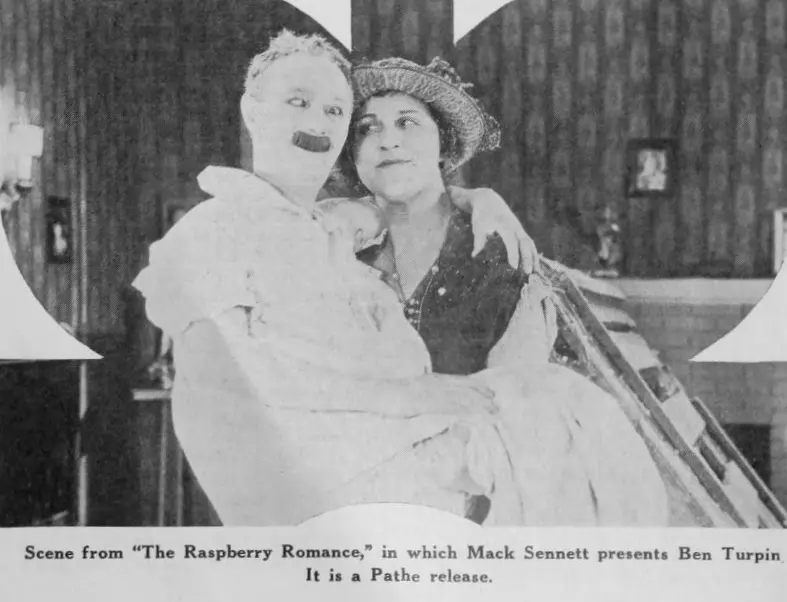
His physical smallness is weaponized here. By casting Blanche Payson as his fiancée, the directors create an immediate visual gag that doesn't need a single title card to explain. It’s a dynamic we see in other films of the era like Meyer from Berlin, where physical disparity drives the conflict.
The standout sequence involves the husband chasing Ben onto the stage. This isn't just a chase; it's a commentary on the audience's thirst for spectacle. The husband is literally firing shots at Ben, and the crowd is cheering. They think it’s 'acting.'
There is a specific moment where Ben trips over a stage prop and nearly falls into the orchestra pit. The camera stays wide, capturing the frantic energy of the extras in the audience. Their fake applause contrasts sharply with Ben’s genuine terror. It’s a dark observation for a 1925 short.
Compared to the more structured mystery of The Bruce Partington Plans, this film cares nothing for logic. It only cares about the next fall. The pacing is relentless. Once the chase starts, the film stops breathing until the credits roll.
Blanche Payson is the unsung hero of this production. Often relegated to 'strong woman' roles, she provides the only grounding force in a film populated by hysterical men. Her rescue of Ben isn't romantic; it's an act of retrieval, like a mother picking up a wayward toddler.
In one specific frame, she literally hauls him away from the gunman by the scruff of his neck. The height difference is used for maximum comedic effect, reminding us of the era's fascination with subverting traditional domestic power scales. It’s less sophisticated than The Charm School, but far more visceral.
If you are looking for a deep emotional resonance, look elsewhere. If you want to see a man get pelted with a cabbage while his cross-eyed gaze searches for an exit, this is top-tier entertainment. It represents a specific moment in cinema where the gag was king and the plot was merely a delivery vehicle for pain.
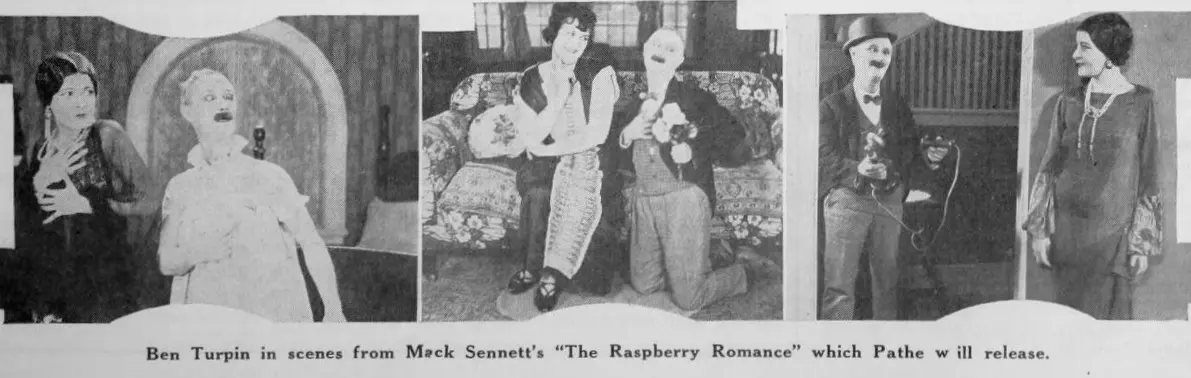
The film lacks the atmospheric depth of The Secret of the Moor, but it makes up for it with sheer, unadulterated speed. It is a sprint, not a marathon. It’s loud, even without a soundrack.
The physical stunts are genuinely impressive. Turpin takes bumps that would put a modern actor in the hospital. The set design of the Opera House feels lived-in and appropriately shabby, adding to the 'small town' feel of the disaster.
The 'vamping' subplot is thin and serves only as a flimsy excuse for the chase. Some of the secondary characters, like the jealous husband, are one-dimensional even by silent film standards.
The camera work is functional. There are no sweeping shots like those found in Trilby (1923). Instead, the cinematography focuses on maintaining a clear space for the slapstick to occur. The framing is tight during the stage performance, emphasizing Ben's isolation and the crowd's hostility.
One surprising observation: the use of lighting during the stage chase actually creates a sense of depth that was often missing in cheaper shorts of the time. The shadows cast by the 'husband' as he stalks Ben through the rafters add a touch of genuine tension to the comedy.
The Raspberry Romance is a relic, but a vibrant one. It doesn't ask for your respect; it demands your laughter through sheer persistence. It is a reminder that before cinema was an 'art,' it was a circus. And Ben Turpin was its most reliable clown.
It works. But it’s flawed. It’s a chaotic piece of history that deserves a look if only to see how much we used to enjoy watching people fall down. If you enjoyed the frantic energy of Bulling the Bolshevik, this will be right up your alley.
"A frantic, cross-eyed collision of stage fright and domestic dread that proves some jokes are timeless, even if they are covered in bruises."
IMDb 5.4
1928
Community
Log in to comment.