DbcultAccessing Vault...
Cult Review
Senior Film Conservator
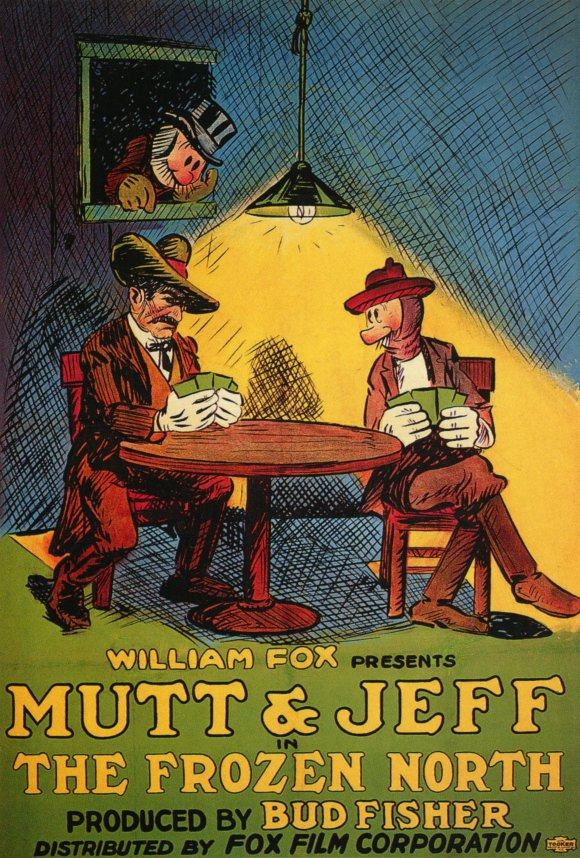
Stepping back into the hallowed, flickering halls of early cinema, one often encounters works that, despite their age, possess an enduring vivacity. The Frozen North, a cinematic expedition penned by and starring the inimitable Bud Fisher, stands as a testament to this truth, a remarkable piece that transcends its era with a blend of audacious humor and surprisingly nuanced character study. Fisher, a name more commonly associated with the pioneering comic strip 'Mutt and Jeff,' brings a distinctive cartoonist's sensibility to the silver screen, crafting a narrative that is both broadly farcical and subtly incisive. It’s a film that, even a century later, continues to resonate, not merely as a historical artifact, but as a vibrant, engaging piece of storytelling.
From its very inception, the film plunges the viewer into a landscape both breathtakingly beautiful and utterly unforgiving. The titular 'Frozen North' isn't just a backdrop; it’s a character in itself, an omnipresent force that challenges, humbles, and ultimately transforms our protagonist. Fisher's portrayal of Bud, the hapless prospector, is a masterclass in physical comedy, imbued with a charming naivete that makes his myriad blunders endearing rather than irritating. His journey, ostensibly for gold, quickly becomes an odyssey of self-discovery, where the true treasures lie not in glittering ore, but in resilience, human connection, and the stark, humbling reality of nature's grandeur. The initial sequences establish Bud as an outsider, a city dweller utterly unprepared for the rigors of the Arctic, a fish out of water in the most literal and comedic sense.
The visual language of The Frozen North is deceptively simple yet profoundly effective. Fisher, understanding the power of the medium in its nascent form, relies heavily on exaggerated gestures, expressive facial contortions, and meticulously choreographed physical gags. The film’s humor often stems from the stark contrast between Bud’s urban pretensions and the brutal realities of the wilderness. One can almost hear the audience’s guffaws as Bud attempts to erect a tent with the grace of a newborn giraffe or tries to fish with implements better suited for a drawing-room parlor. These moments, while overtly comedic, also serve to underscore the film's deeper commentary on human hubris in the face of nature’s indifference. It's a stark reminder of the elemental struggle that often defined the early 20th century's westward (or northward) expansion, albeit viewed through a prism of delightful absurdity.
The supporting cast, though minimal, plays a crucial role in grounding Bud’s antics. The stoic trapper and his resourceful daughter serve as anchors, embodying the hardened pragmatism required to survive in such a harsh environment. Their initial bewilderment at Bud's eccentricities gradually gives way to a grudging respect, perhaps even a nascent affection, born from shared peril and an appreciation for his utterly unshakeable, if misguided, optimism. The dynamic between Bud and the trapper's daughter, in particular, avoids the saccharine clichés of many romantic subplots of the era. Instead, it’s a relationship built on a foundation of mutual observation and a slow, almost imperceptible shift in understanding, culminating in moments of genuine warmth rather than forced sentimentality. This subtle interplay adds an unexpected layer of emotional depth to what could have otherwise been a purely slapstick affair.
Comparing The Frozen North to other works of its time illuminates Fisher’s distinctive voice. While films like The Little American might have explored themes of patriotism and wartime sacrifice with grand dramatic gestures, Fisher opted for a more intimate, comedic exploration of human folly. Similarly, where The Greater Sinner delved into moral complexities with a heavy hand, The Frozen North finds its profundity in the everyday struggles and minor triumphs of its protagonist. It eschews the sweeping melodrama often found in features like Kreuzigt sie! or The Ordeal of Rosetta, instead favoring a narrative driven by character and situation rather than heightened emotional stakes. This deliberate choice allows the film's comedic elements to shine, untainted by an overly serious tone.
The genius of Bud Fisher as both writer and performer lies in his ability to imbue Bud with a relatable vulnerability. He's not a heroic figure in the traditional sense, but an everyman thrust into extraordinary circumstances. His courage isn't the roaring, defiant kind, but a persistent, almost accidental resilience born from a refusal to give up, even when logic dictates otherwise. This makes his eventual, albeit clumsy, act of heroism all the more satisfying. It’s a subversion of the conventional hero’s journey, one where the protagonist stumbles into greatness rather than striving for it with unwavering determination. The scene where he inadvertently fends off a perceived threat, resulting in a comical misunderstanding that ultimately benefits the trapper and his daughter, is particularly memorable for its blend of tension and pure comedic release.
The film's pacing is another noteworthy aspect. Fisher understands the rhythm of silent comedy, allowing gags to build, drawing out moments of suspense before delivering the punchline. The use of intertitles is sparse but effective, serving to advance the plot or highlight a crucial piece of dialogue without disrupting the visual flow. This economy of storytelling ensures that the narrative remains tight and engaging, never lingering too long on any single moment, yet always giving each comedic beat its due. It’s a masterclass in visual storytelling, where every frame contributes to the overall comedic or dramatic effect. One could draw parallels to the crisp, efficient storytelling found in other successful shorts of the period, but Fisher's unique brand of humor sets this apart.
Beyond the laughter, The Frozen North offers a subtle, yet profound, reflection on the human condition. It explores themes of ambition, the allure of the unknown, and the often-humorous disconnect between expectation and reality. Bud’s initial dreams of striking it rich are gradually tempered by the harsh realities of his environment, forcing him to re-evaluate what truly constitutes wealth and success. This thematic depth elevates the film beyond mere entertainment, positioning it as a work that, while undeniably funny, also encourages introspection. It’s a narrative arc that speaks to the universal experience of striving, failing, and ultimately finding unexpected value in the journey itself.
The influence of Fisher’s background as a cartoonist is palpable throughout the film. The characters often move with an exaggerated, almost animated quality, and the scenarios frequently lean into the fantastical. This stylistic choice not only enhances the comedic effect but also imbues the film with a unique visual charm. It feels less like a filmed stage play and more like a living, breathing comic strip, a testament to Fisher's innovative approach to cinematic narrative. This distinctive aesthetic sets it apart from many of its contemporaries, offering a fresh perspective on what silent film could achieve. It's a delightful example of how artists from different mediums can enrich the nascent language of cinema.
Considering its place within the broader tapestry of silent cinema, The Frozen North holds a significant, if often overlooked, position. While it may not possess the grand scale of an epic like The Battle of Trafalgar or the social commentary of Southern Justice, its contribution to the evolution of comedic filmmaking is undeniable. It demonstrates that compelling storytelling doesn't always require immense budgets or star-studded casts; sometimes, a clever premise, a charismatic performer, and a keen understanding of human nature are more than sufficient. Fisher’s work here is a blueprint for character-driven comedy, showcasing how humor can arise organically from personality and situation, rather than relying solely on contrived scenarios.
The lasting appeal of The Frozen North lies in its timeless humor and its surprisingly tender core. It’s a film that elicits genuine laughter while also subtly tugging at the heartstrings, a rare combination that few films, even today, manage to achieve with such effortless grace. Bud Fisher's legacy, often celebrated for his pioneering work in print, deserves equal recognition for his cinematic endeavors. This film is a shining example of his multifaceted talent, a delightful journey into a frosty landscape that warms the soul. It's a reminder that true artistry often blossoms in the most unexpected places and through the most unconventional lenses. For enthusiasts of early film, and indeed anyone who appreciates well-crafted comedy, this is a cinematic gem waiting to be rediscovered. The subtle nuances of Fisher's performance, the exquisite timing of the visual gags, and the sheer audacity of its premise combine to create an experience that is both historically significant and utterly enjoyable. It avoids the pitfalls of dated humor by focusing on universal human traits and predicaments, making it surprisingly accessible to modern audiences. The meticulous attention to detail in the set design, even for the most fleeting scenes, further elevates the film, showcasing a commitment to craft that was commendable for its era. It's a film that truly captures the spirit of adventure and the enduring power of laughter.
Moreover, the film's subtle satire of the gold rush mentality, portraying the futility of chasing material wealth in the face of nature’s overwhelming power, resonates with a surprising contemporary relevance. While not as overtly political as The Way Out, it nonetheless offers a quiet critique of unchecked ambition. Bud’s transformation from a deluded fortune-seeker to a more grounded individual, appreciative of the simple yet profound resilience of the Arctic inhabitants, provides a satisfying character arc. This journey is not without its sharp edges, however, as Fisher never shies away from depicting the sheer physical discomfort and danger inherent in his chosen setting. The contrast between the stark, beautiful wilderness and Bud’s often ridiculous struggles creates a dynamic tension that is both humorous and poignant. It’s a powerful demonstration of how silent cinema, through expert visual storytelling and compelling characterization, could communicate complex ideas without relying on spoken dialogue. In an era where many films aimed for spectacle or melodrama, The Frozen North chose to find its grandeur in the everyday, its drama in the personal, and its triumph in the comedic. This bold artistic choice solidifies its place as a truly memorable and impactful work within the silent film canon. It's a film that invites repeated viewings, each time revealing new layers of humor and insight, solidifying its status as a timeless classic.
The interplay of light and shadow, often a crucial element in early cinematography, is expertly utilized to enhance the desolate beauty and chilling atmosphere of the Arctic. The vast, snow-covered landscapes, though perhaps rendered with rudimentary special effects by today's standards, still convey a profound sense of isolation and grandeur. This visual aesthetic, coupled with Bud Fisher’s expressive performance, creates a world that is both convincingly harsh and delightfully absurd. It’s a delicate balance that few filmmakers of the era managed to strike with such finesse. The film's enduring charm lies in this harmonious blend of breathtaking visuals and uproarious comedy, a combination that ensures its continued relevance and enjoyment for generations of cinephiles. It stands as a vibrant testament to the creative ingenuity and narrative power of silent film, proving that even without words, stories can be told with immense clarity, emotion, and laughter. The way the film subtly builds empathy for Bud, despite his initial foolishness, is a testament to Fisher’s skill as a storyteller, making his eventual, accidental triumphs feel genuinely earned and celebrated by the audience.
In conclusion, or rather, in a final reflection on its enduring qualities, The Frozen North is far more than a simple silent comedy; it’s a meticulously crafted piece of cinematic art that defies easy categorization. It is a heartfelt tribute to the indomitable human spirit, a witty satire on the follies of ambition, and a visual spectacle that continues to captivate. Bud Fisher's singular vision, brought to life through his dual role as writer and star, ensures that this film remains a vital, engaging, and utterly delightful experience. Its subtle complexities and overt humor make it a profound example of silent cinema's expressive capabilities. It's a film that whispers of the past but speaks volumes to the present, a true gem in the crown of early filmmaking. The film's ability to elicit genuine emotion—from laughter to a quiet sense of admiration for its characters—is a rare achievement, cementing its place not just as a historical curiosity, but as a timeless work of art. The narrative, while seemingly straightforward, is laced with moments of unexpected depth, challenging viewers to look beyond the surface gags to the underlying commentary on human nature and the pursuit of happiness. It is, without question, a film that merits a place in any serious discussion of comedic masterpieces from the silent era.
IMDb 6.7
1931
Community
Log in to comment.