DbcultAccessing Vault...
6.8/10
Senior Film Conservator
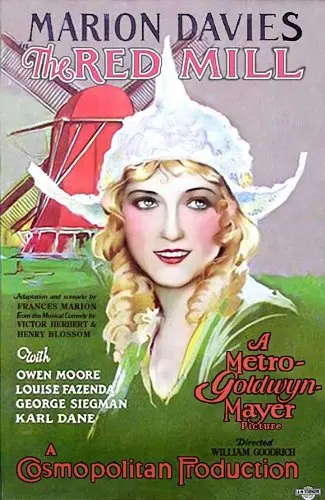
A definitive 6.8/10 rating for a film that redefined the boundaries of cult cinema. The Red Mill remains a cornerstone of transgressive art.
Is The Red Mill a forgotten masterpiece of the silent era? Short answer: No, but it is a masterclass in physical comedy that proves Marion Davies was far more than just William Randolph Hearst’s protégé. This film is for anyone who appreciates the frantic, mechanical energy of 1920s slapstick; it is absolutely not for those who demand a logical, grounded narrative or high-stakes drama.
1) This film works because Marion Davies fully commits to the 'ugly duckling' trope, trading her high-society glamour for smudged cheeks and genuine comedic timing.
2) This film fails because the plot is paper-thin, relying on a series of repetitive 'mistaken identity' beats that lose steam by the hour mark.
3) You should watch it if you want to see the DNA of modern sitcoms buried in a beautiful, Dutch-inspired silent set-piece.
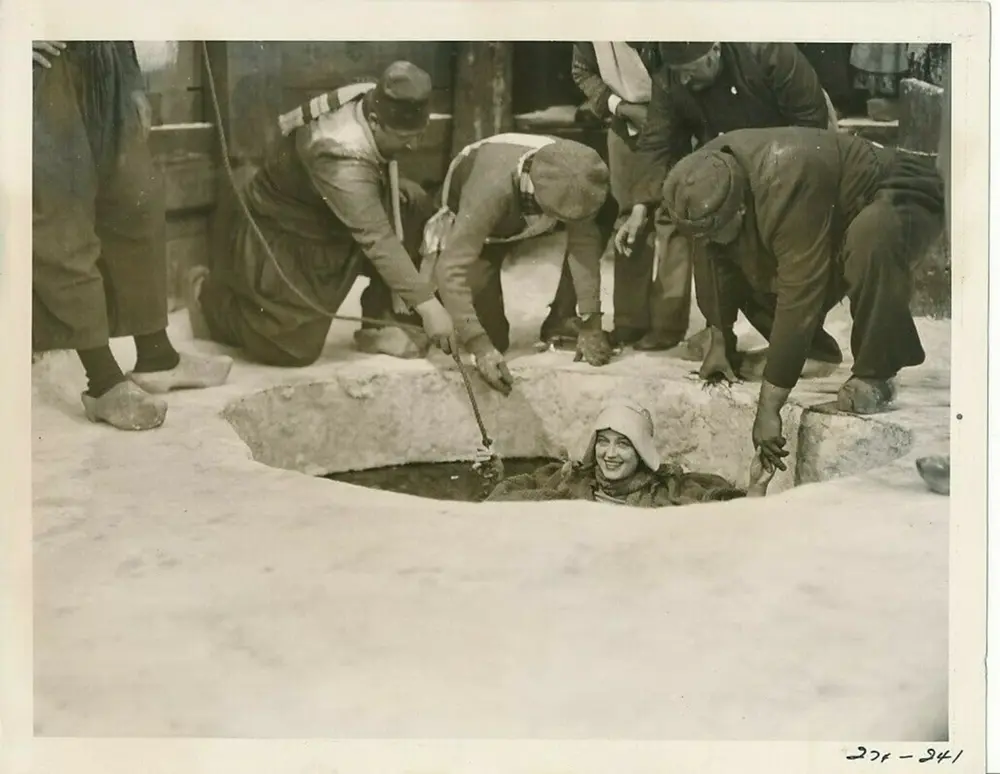
For years, the narrative surrounding Marion Davies was unfairly tied to her personal life. But in The Red Mill, she obliterates the 'damsel' stereotype. Playing Tina, the overworked servant at a Dutch inn, Davies displays a level of athleticism and facial elasticity that rivals the greats like Keaton or Lloyd. There is a specific moment where Tina is trying to mimic the elegance of the upper class, and her failure is not just funny—it is physically impressive. She uses her entire body to convey a sense of clumsy ambition.
Unlike her roles in films like The Innocent Lie, where the stakes felt burdened by melodrama, The Red Mill allows her to be grotesque. She gets covered in flour, she falls, she makes faces that are decidedly un-glamorous. It works. But it’s flawed. The reliance on her performance is so heavy that when she isn't on screen, the film’s energy drops significantly.
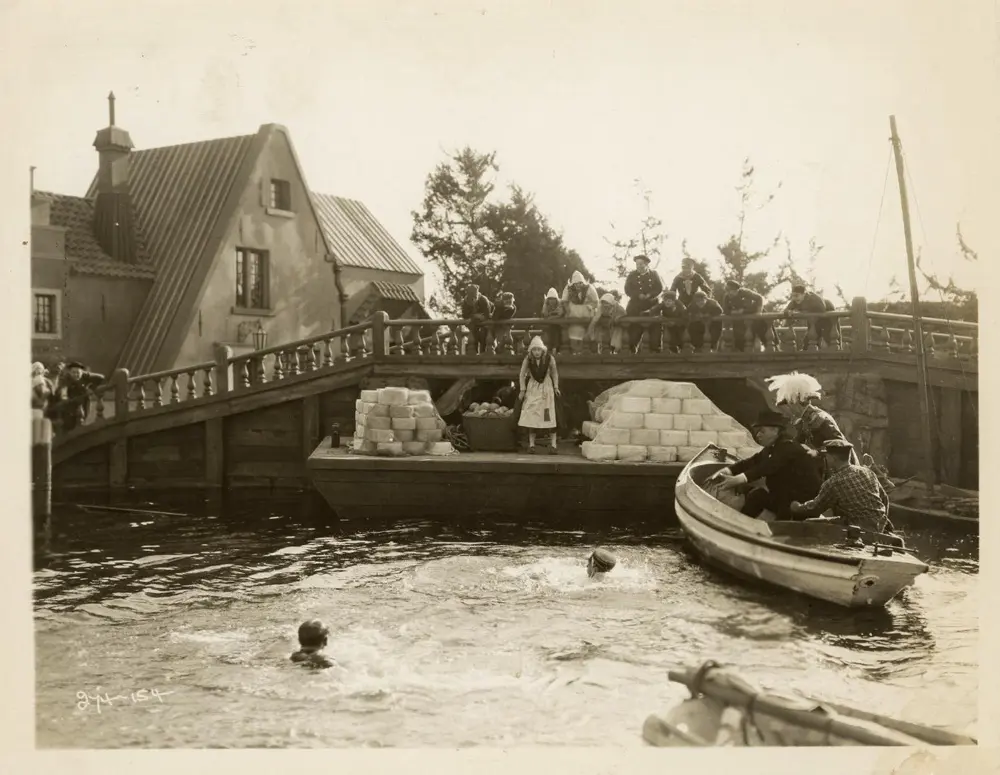
It is impossible to discuss this film without mentioning the man behind the camera. Roscoe "Fatty" Arbuckle, directing under the name William Goodrich, brings a specific 'gag-man' sensibility to the production. You can see his fingerprints in the mechanical humor of the windmill. The way the characters interact with the architecture of the inn feels like a choreographed dance. It’s a stark contrast to the more static direction found in The Cigarette Girl.
The pacing is relentless, which is both a blessing and a curse. Arbuckle pushes the actors into a frenzy. In one scene involving a large wooden shoe and a flight of stairs, the timing is so precise it feels almost animated. However, this focus on the 'bit' often comes at the expense of character development. We don't really care if the Burgomaster’s daughter finds love; we just want to see what happens when the next trap door opens.
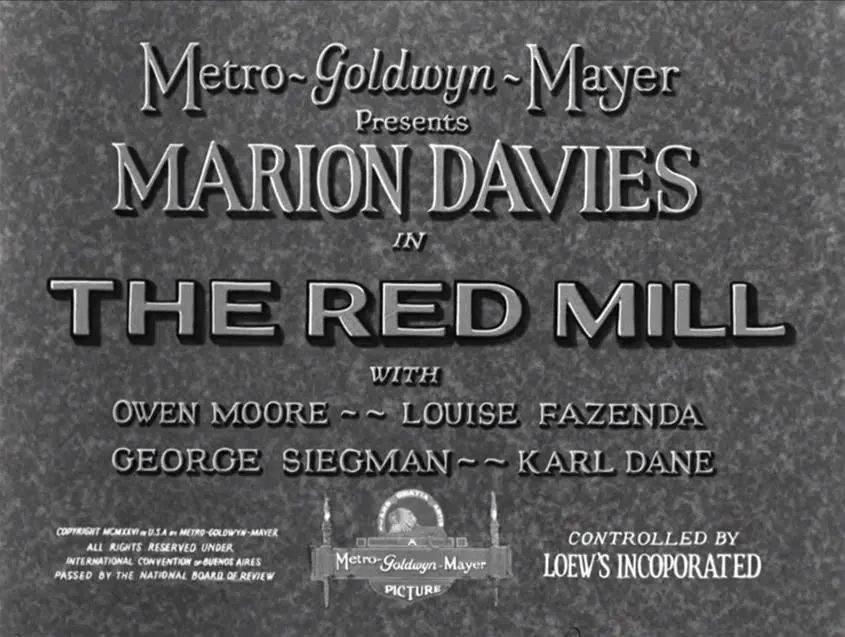
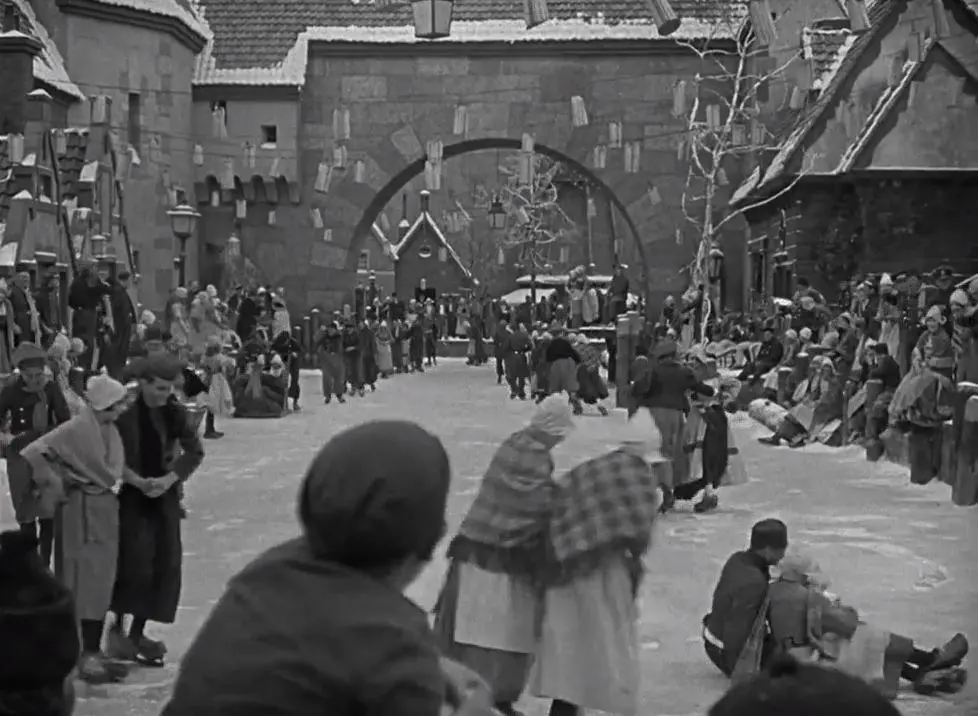
The cinematography by Hendrik Sartov creates a dreamlike, almost claustrophobic version of Holland. The sets are oversized, the costumes are exaggerated, and the lighting emphasizes the artificiality of the world. This isn't realism; it’s a stage play with an unlimited budget. This aesthetic choice supports the 'masquerade' theme. When Tina and Gretchen swap places, the film leans into the absurdity. It reminds me of the identity-swapping antics in Molly of the Follies, but with a much higher production value.
"The Red Mill isn't a movie about Holland; it's a movie about the chaos that happens when a clown is trapped in a postcard."
One surprising observation: the film is surprisingly cynical about the 'men' these women are chasing. The love interests, played by Owen Moore and others, are largely interchangeable. They are prizes to be won through trickery rather than deep connection. This makes the film feel strangely modern—the women are the active agents of the plot, while the men are merely props in a larger game of social chess.
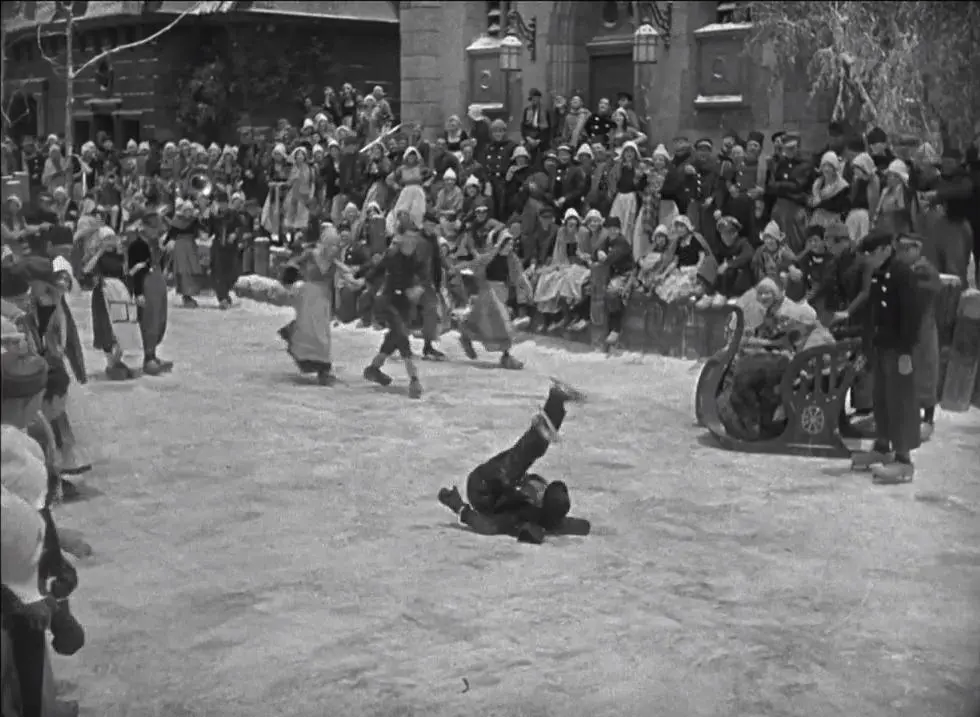
Yes, The Red Mill is worth watching for anyone interested in the evolution of screen comedy. It serves as a bridge between the vaudeville tradition and the more sophisticated features of the late 1920s. If you enjoy seeing a performer at the top of their physical game, Davies' performance is a revelation. It is a light, breezy experience that doesn't demand much from the viewer but offers plenty of visual rewards.
The Red Mill is significant because it showcased Marion Davies as a premier comedic talent. It was directed by Roscoe Arbuckle during his period of industry exile. The film uses elaborate mechanical sets to create high-stakes slapstick. It successfully adapted a popular operetta into a silent visual medium. Most importantly, it challenged the 1920s perception of the 'leading lady' as a purely decorative figure.
Cons:
When compared to Polly Redhead, The Red Mill feels much more polished and expensive. While Mary Moves In dealt with similar themes of social climbing and domestic service, it lacked the kinetic energy that Arbuckle brings to the table here. However, it lacks the emotional depth of something like The Bar Sinister. The Red Mill is a film of surfaces—but what beautiful, funny surfaces they are.
The Red Mill is a loud, proud, and occasionally exhausting piece of entertainment. It doesn't have the soul of a Chaplin film, but it has the heart of a circus. Marion Davies is the undeniable engine of the production, and her willingness to look ridiculous is what saves the film from being a mere period curiosity. It’s a reminder that before she was a tragic figure in the public imagination, she was a woman who knew exactly how to take a hit for a laugh. It works. But it’s flawed. And that’s exactly why it’s worth your time.
IMDb —
1918
Community
Log in to comment.