DbcultAccessing Vault...
Cult Review
Senior Film Conservator
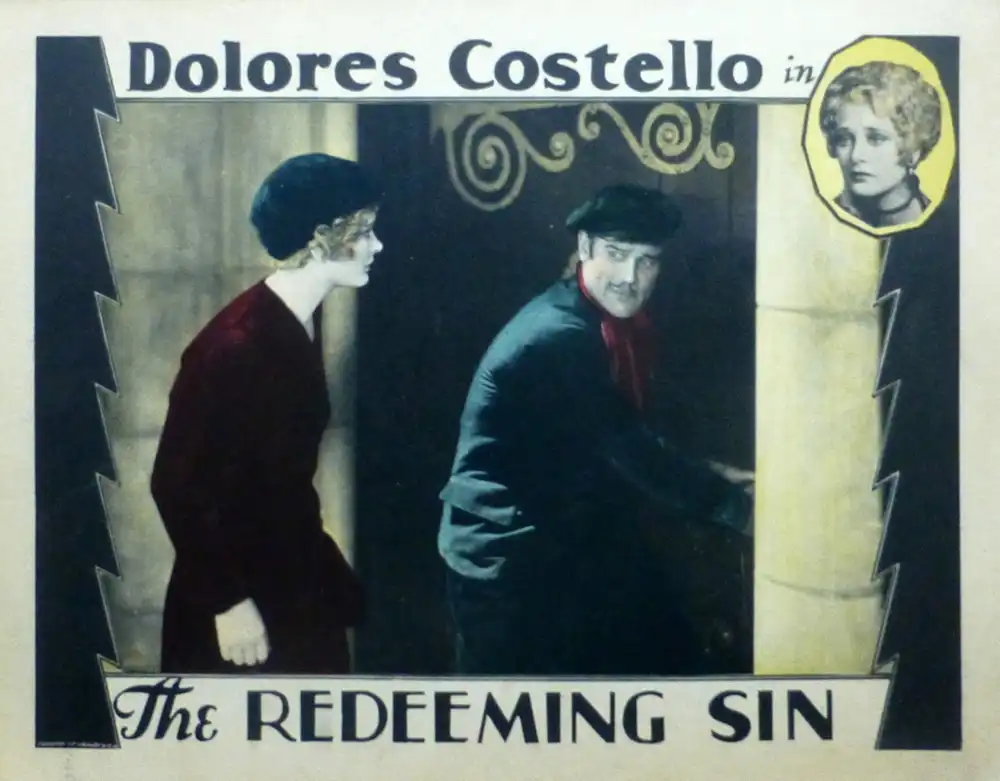
If you are the kind of person who enjoys hunting down dusty 1929 films just to see how they handled drama back then, yes. The Redeeming Sin is a strange little relic.
But if you hate movies where people make the worst possible decisions for the sake of the plot, you should probably skip this one. It is very much a product of its time. Melodrama doesn't even begin to describe it.
The whole thing takes place around the Café du Chat Noir. It’s exactly the kind of place where you expect a knifing to happen before the first drink is served.
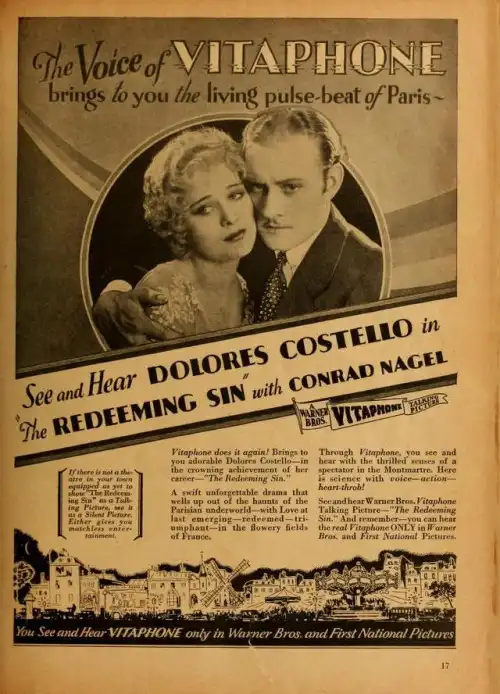
Dolores Costello plays Joan, a dancer who is just trying to look out for her little brother, Petit. She actually attacks another girl, Mitzi, right at the start because Mitzi was teaching the kid how to pick pockets.
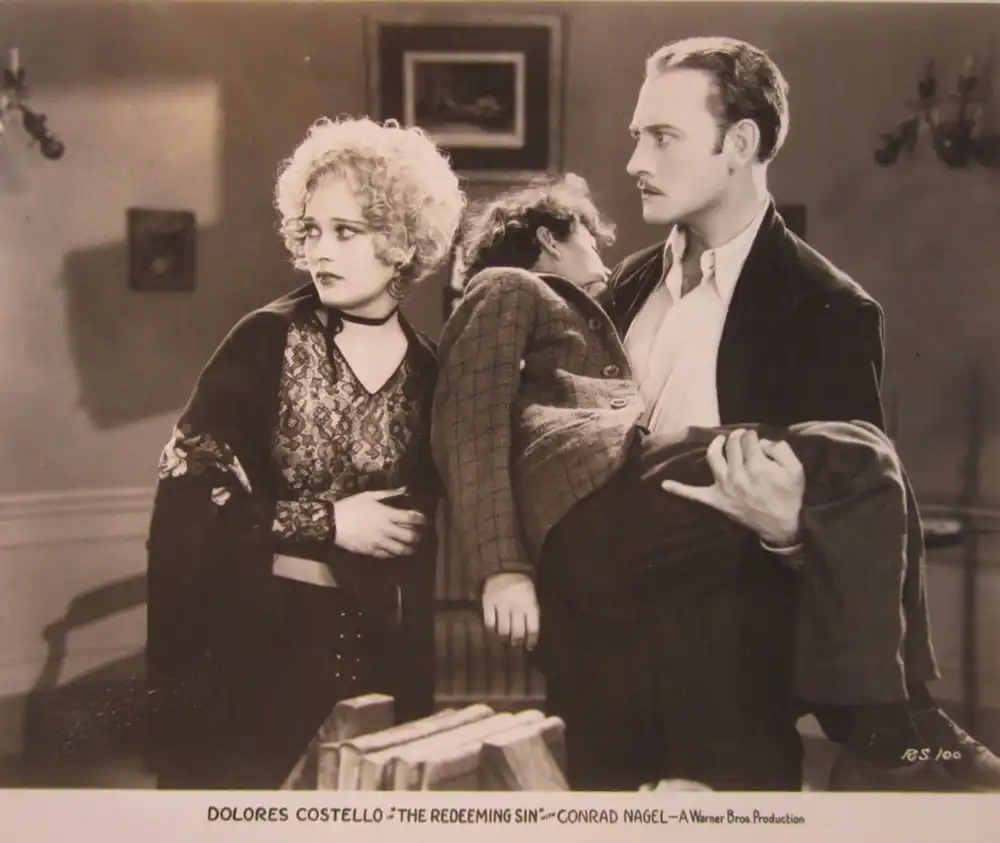
It’s a bit aggressive for an intro, but it tells you exactly who Joan is. She’s protective, maybe a little too much.
Then we meet Lupine, played by Warner Richmond. He looks like every silent movie villain you’ve ever seen, with that specific kind of mean energy. He saves Joan from a knifing, which I guess makes her owe him?
The logic in these old movies is always a bit fuzzy. One minute you're being saved, the next you're basically expected to join a crime syndicate.
The middle of the movie gets pretty dark. Lupine convinces the kid, Petit, to help with a robbery. It’s one of those scenes where you’re yelling at the screen because you know it’s going to end badly.
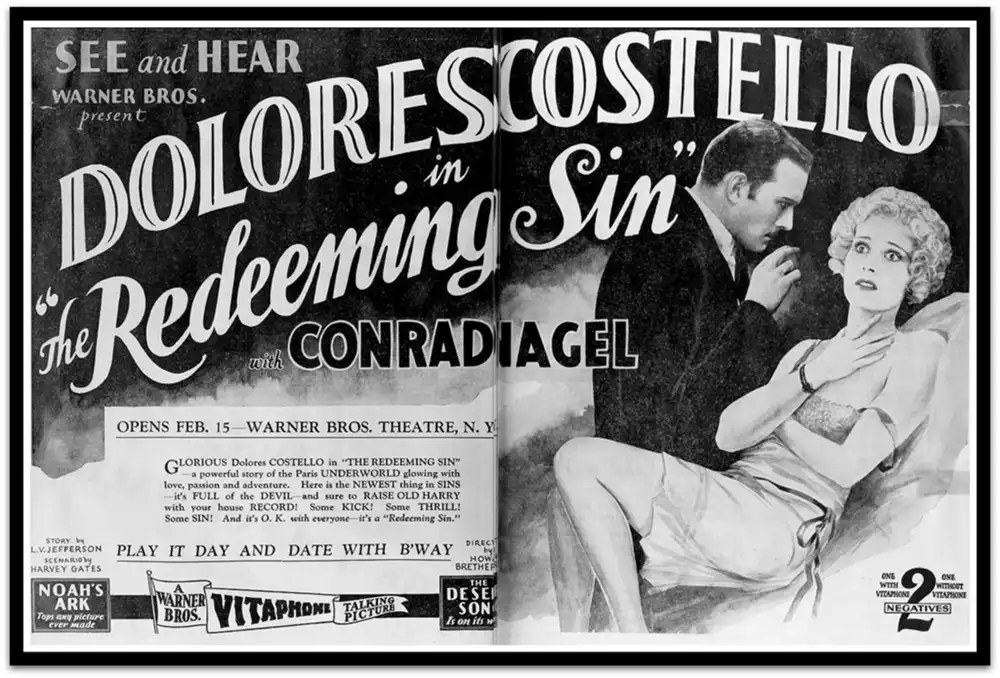
And it does. Lupine accidentally shoots the boy. It’s a messy, awkward moment on film that feels surprisingly heavy for 1929.
I noticed the kid, Philippe De Lacy, plays the wounded part with a lot of wide-eyed sincerity. It actually made me feel a bit sad, which I didn't expect.
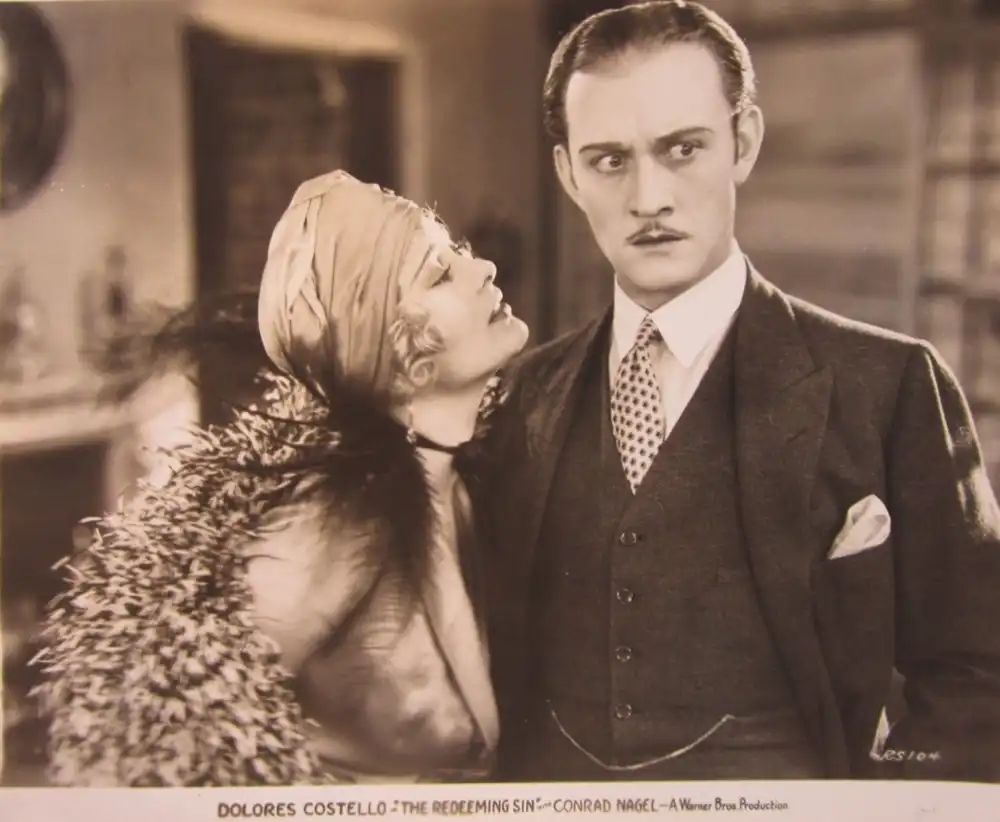
Then comes the doctor, Raoul de Boise. Conrad Nagel plays him with this very stiff, upright posture. He’s the one who tells the police about the whole thing after Joan calls him for help.
In Joan’s head, the doctor is the villain because he’s a "snitch." She literally goes to his place to shoot him. Wait, what?
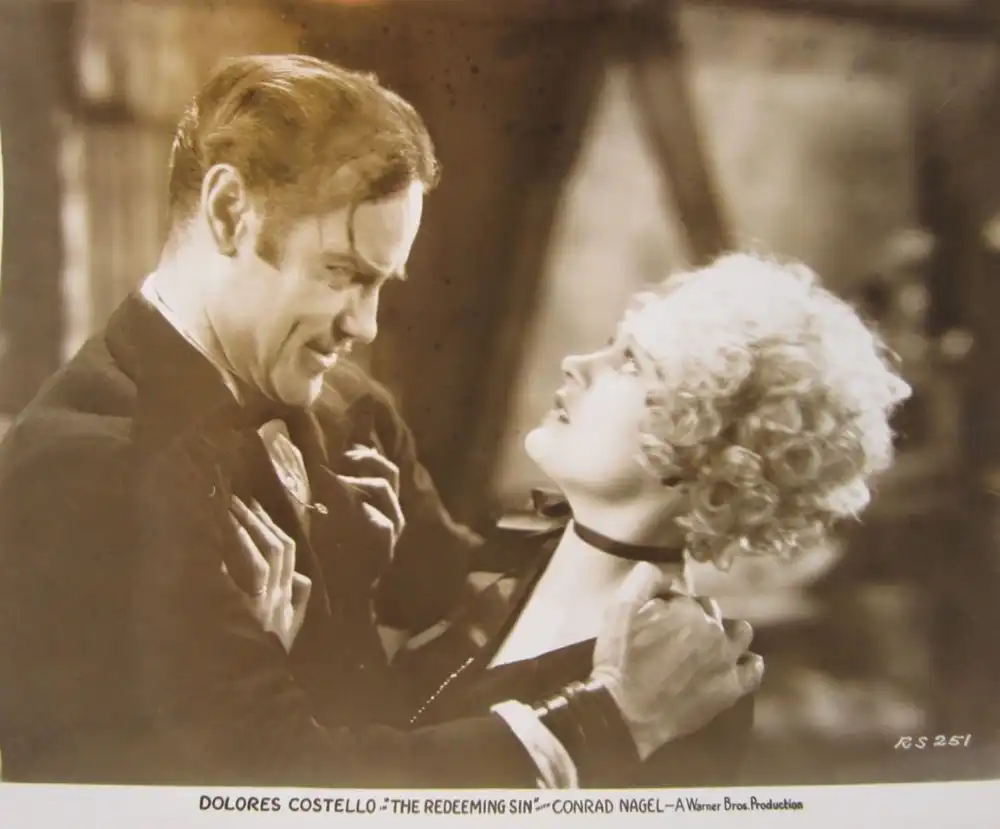
It’s such a wild jump in logic. Her brother dies because of a thief, so she tries to kill the guy who called the cops on the thief?
Luckily, a priest named Father Colomb steps in. Priests in these movies are like superheroes who just appear out of nowhere to stop murders.
The movie then tries to convince us that Joan and the doctor are falling in love. It’s a bit fast. One day she’s pointing a gun at him, the next they are staring longingly into each other's eyes.
It lacks the slow build you see in something like Orochi. It just kind of happens because the script says it has to.
Lupine gets jealous, obviously. He shoots the doctor, but doesn't kill him. The drama just keeps piling up like a car wreck.
There’s a scene where Joan confesses to robbing a church. It’s shot with a lot of shadows and looks quite nice, actually. The lighting in the late 20s was getting really good right before talkies messed everything up.
Speaking of 1929, you should check out Double Whoopee if you want to see how different the comedies were from these heavy dramas in the same year.
Back to the movie—Joan ends up forced to marry Lupine. It’s a grim price to pay to keep the doctor safe. The whole wedding sequence feels very claustrophobic and uncomfortable.
The finale happens so fast it’ll make your head spin. Lupine finds out the doctor is alive, goes into a rage, and basically confesses to everything.
He admits he killed the kid. Why? Just because he’s mad. It’s a very "I am the bad guy" moment.
Then the gendarmes (the French police) just show up and kill him. Problem solved, I guess?
I wouldn't call this a masterpiece like Robin Hood, but it has its moments. It’s more of a curiosity for people who like seeing the transition from silent to sound.
The acting is a bit over the top, but that’s silent film for you. You have to use your whole face to say "I am sad."
There is this one shot of Joan looking out a window that lingers for way too long. I think the editor just forgot to cut it. Or maybe they thought it was really deep.
It’s not deep. It’s just a woman looking at a wall. But it adds to that strange rhythm that only these old movies have.
Overall, it’s a bit of a mess. A beautiful, tragic, slightly confusing mess. Watch it with a coffee and don't take the plot too seriously.
IMDb 5.8
1917
Community
Log in to comment.