DbcultAccessing Vault...
Cult Review
Senior Film Conservator
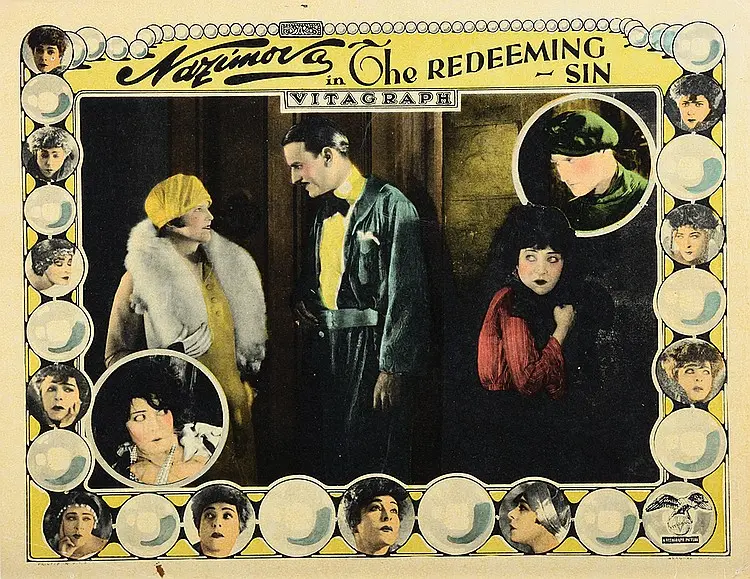
The Redeeming Sin, a cinematic endeavor from the silent era, presents a labyrinthine narrative that probes the complexities of love, loyalty, and redemption. At its core, the film revolves around the tumultuous relationship between Joan of the Apaches (Alla Nazimova) and her two ardent admirers: Lupin (Lou Tellegen) and Paul de Gafilet (Carleton D. Miller).
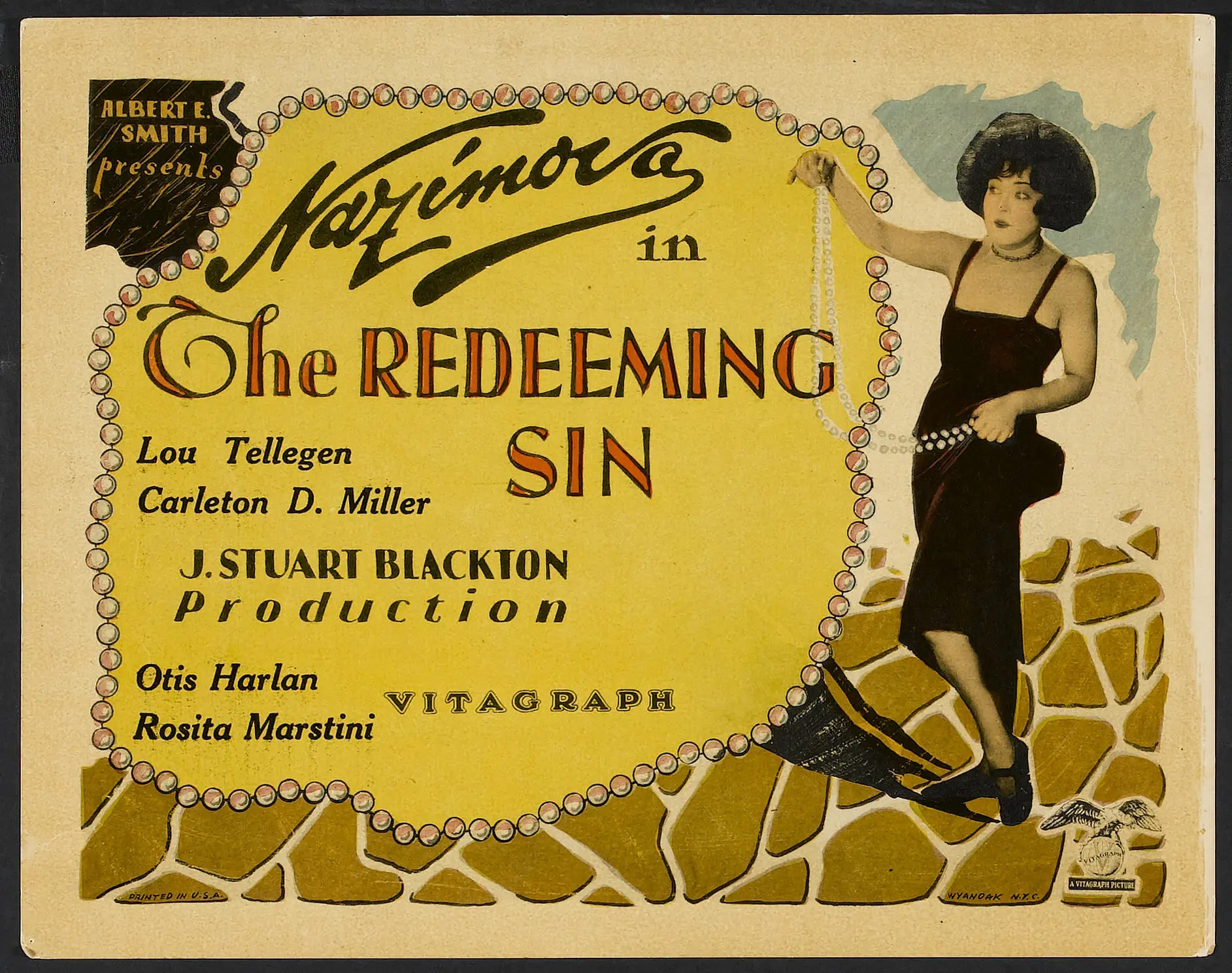
The story commences with Joan, an enigmatic figure entrenched in the underworld, becoming enamored with Paul, a nobleman and sculptor. Her infatuation precipitates a chain reaction of events, as Lupin, her erstwhile lover, resolves to exact revenge on the man who has usurped his place in Joan's affections. However, as the narrative unfolds, it becomes increasingly evident that Lupin's ardor for Joan remains unwavering, despite her dalliance with Paul.
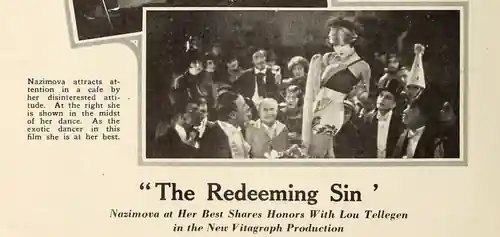
The film's central conflict is expertly woven, with each character's motivations and actions meticulously crafted to propel the story toward its climax. Joan's volatility is showcased through her rapid transition from affection to rage upon discovering Paul's embrace of another woman. This erratic behavior ultimately leads her to collude with her cohorts in a daring heist, targeting a statue of the Madonna in a church.
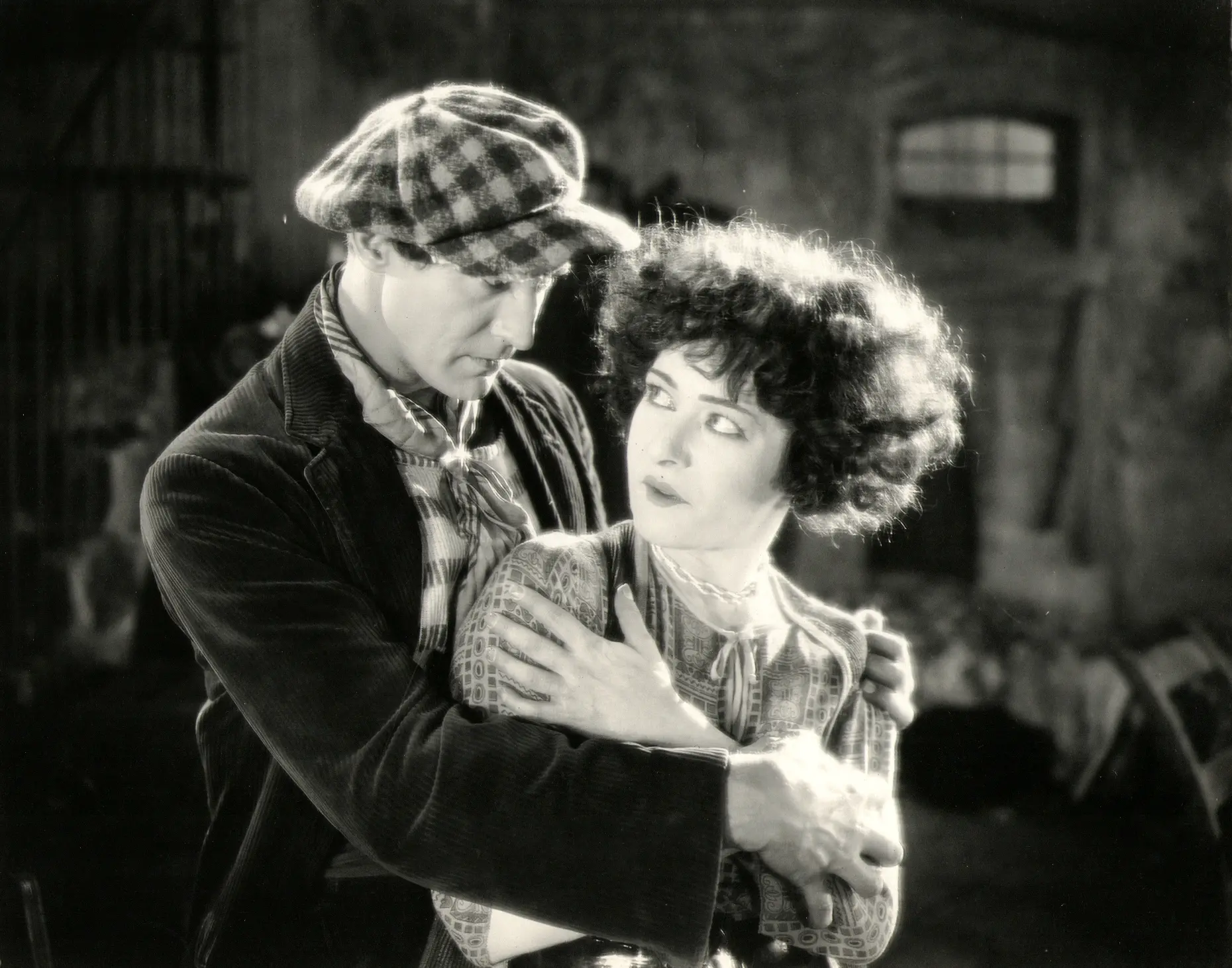
As the story hurtles toward its conclusion, Lupin's enduring love for Joan serves as a redemptive force, prompting him to annex and return the stolen gems. This selfless act not only secures Joan's heart but also facilitates his own redemption, as he finds solace in her arms.
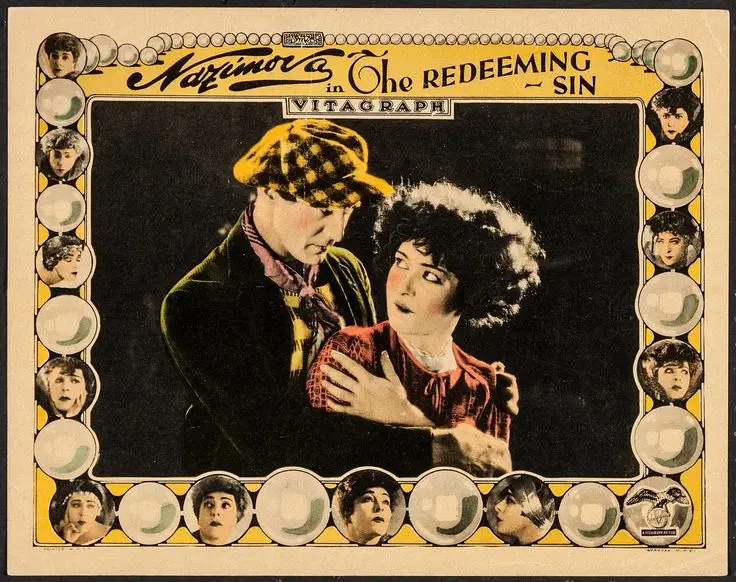
The performances of the cast are noteworthy, with Alla Nazimova delivering a captivating portrayal of Joan, a complex and multifaceted character. Lou Tellegen, as Lupin, brings a sense of gravitas to the film, while Carleton D. Miller's depiction of Paul de Gafilet serves as a poignant reminder of the transience of love and affection.
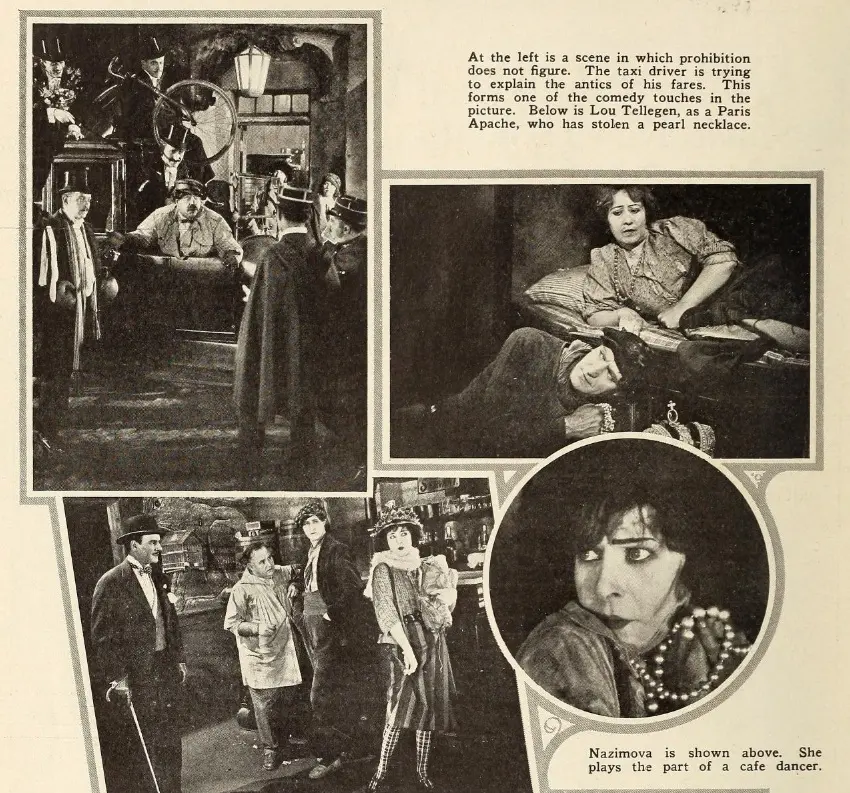
A critical examination of The Redeeming Sin reveals a film that, despite its age, remains remarkably engaging. The cinematography, although rudimentary by modern standards, effectively captures the essence of the narrative, immersing the viewer in the world of the film. The direction, too, is commendable, with the filmmakers skillfully navigating the intricate web of relationships and plot twists.
In comparison to contemporaneous films, such as Just a Good Guy and King Solomon's Mines, The Redeeming Sin stands out for its nuanced exploration of the human condition. While some films of the era, like You Find It Everywhere and Babs, may have focused on more lighthearted themes, The Redeeming Sin tackles complex issues with aplomb.
The film's influence can also be seen in later works, such as The Flash of an Emerald and Tom, Dick and Harry, which, although not direct analogues, share a similar tone and thematic resonance. Furthermore, The Redeeming Sin's exploration of love, loyalty, and redemption serves as a testament to the enduring power of these themes in cinema.
Upon reflection, it becomes clear that The Redeeming Sin is a masterful example of silent-era storytelling, with a narrative that continues to captivate audiences to this day. The film's ability to balance action, drama, and romance serves as a tribute to the skill of its creators, including writers L.V. Jefferson and Marian Constance Blackton.
Ultimately, The Redeeming Sin is a must-see for cinephiles and scholars of silent cinema, offering a unique glimpse into the artistic and cultural landscape of the era. As a work of art, it remains an indelible part of the cinematic canon, continuing to enthrall and inspire new generations of film enthusiasts.
IMDb —
1924
Community
Log in to comment.