DbcultAccessing Vault...
6.3/10
Senior Film Conservator
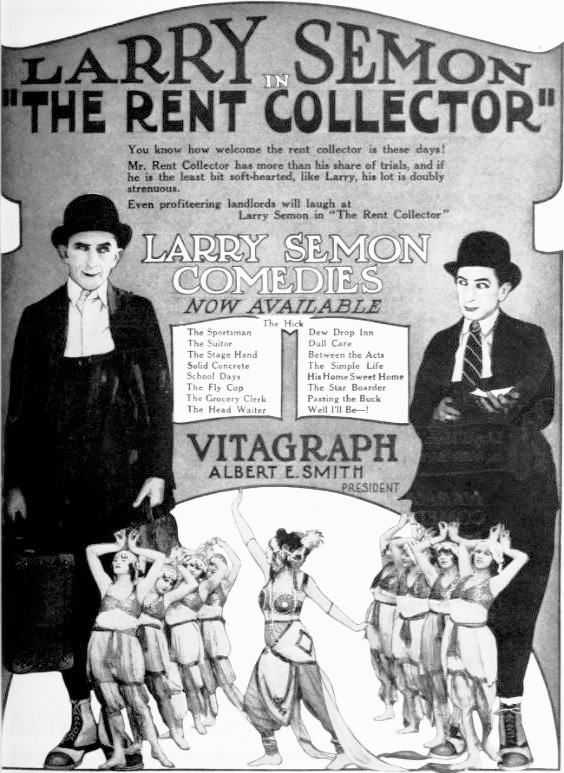
A definitive 6.3/10 rating for a film that redefined the boundaries of cult cinema. The Rent Collector remains a cornerstone of transgressive art.
A carnivalesque gauntlet of poverty and pratfalls, The Rent Collector is less a narrative than a fever dream etched on nitrate—every frame crackles with the static of overdue electricity.
Norman Taurog and Larry Semon’s screenplay doesn’t walk the tightrope of story; it razor-blades across it while juggling flaming oil drums. The plot—ostensibly a simple arrears collection—spirals into a Möbius strip of escalating reprisals. Semon’s collector is the archetypal fool-as-hero, a white-faced harlequin whose pencil-thin silhouette seems sketched by a caffeinated expressionist. Each tenant he encounters refracts the era’s anxieties: post-war penury, Prohibition-era thirst, the gnawing terror of being hurled into the gutter. The film’s genius lies in converting these social ulcers into slapstick poetry: a door slam becomes a punchline, a rent book a sacred relic, a collapsing ceiling the very sky of capitalism falling.
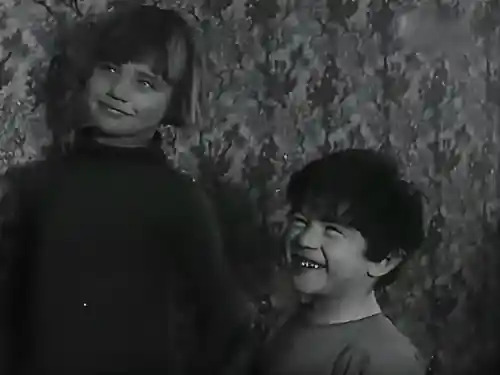
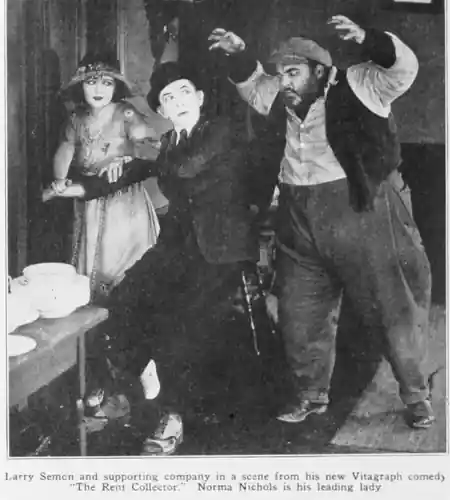
Semon moves like a scarecrow struck by lightning—every limb a disobedient spring. His trademark wide-eyed bewilderment is calibrated to millimeter precision; watch how his pupils dilate the exact instant he comprehends Hardy’s trap, a silent scream that predates sound by eight years. Oliver Hardy, billed here as “Babe,” is already the velvet bulldozer we’d later worship at Hal Roach’s altar. His villainy is upholstered in baby-fat geniality; when he curls a lip, the frame itself seems to gain weight. Norma Nichols, as the streetwise urchin who plays every side, delivers side-eye so sharp it could lance boils. And Philippe Trebaol’s toddler pickpocket—barely taller than a fire hydrant—steals scenes like a magpie on amphetamines.
Cinematographer Hans F. Koenekamp lenses the tenement as a cubist labyrinth: staircases zigzag into nowhere, shadows pool like congealed gravy, windows yawn like broken molars. The palette is monochrome, yet the mind fills in bruise-purple and bile-green. Notice the repeated motif of vertical lines—banisters, drainpipes, prison-bar shadows—suggesting both ascension and entrapment. When Semon clambers up a ladder of unpaid IOUs, the image is less comic set-piece than Stations of the Fiscal Cross.

Under the custard pies lurks a bitter ledger. Every splat is a reverse tithe: the poor extract laughter from the collector, the system’s avatar. Compare this to the agrarian optimism of Johanna Enlists or the drawing-room perfidy of Seeds of Dishonor; here the battlefield is domestic space itself, and weaponry is whatever lies moldy in the corner—rotten produce, rusty bedpans, a cat with impeccable comic timing. The film anticipates the Marxist slapstick of later decades, yet it never sermonizes; it simply lets the absurdity of eviction sing its own scabrous aria.
Editor William Shea cuts like a man trying to outrun his own pulse. Moments of relative stillness—Semon flipping pages of the rent book—are detonated by staccato montages: a door, a fist, a face, a pie, all in the span of a sneeze. The average shot length hovers around 2.3 seconds, predating the music-video syntax by sixty years. Yet rhythm never devolves into mere frenzy; each gag lands on the off-beat, a syncopated insult to Newtonian physics.
Though mute, the film is scored by absence itself—the creak of imaginary floorboards, the wheeze of a rent collector’s despair. Modern viewers who sync it with avant-garde jazz or glitch-hop discover a serendipitous conversation; beats align with pratfalls, horn bleats echo Hardy’s belly laughs. Try pairing it with the discordant strings from Das ganze Sein ist flammend Leid and witness the birth of accidental opera.
Women here refuse the Victorian angel/devil binary. Norma Nichols’ urchin is neither damsel nor femme fatale but entrepreneurial chaos agent; she pickpockets the pickpocket, then sells the loot back to him. Eva Thatcher’s landlady howls like a Wagnerian soprano with a stubbed toe, wielding a rolling pin as scepter of domestic sovereignty. Their comic agency undercuts the era’s paternalism more effectively than many “serious” melodramas of the same year.
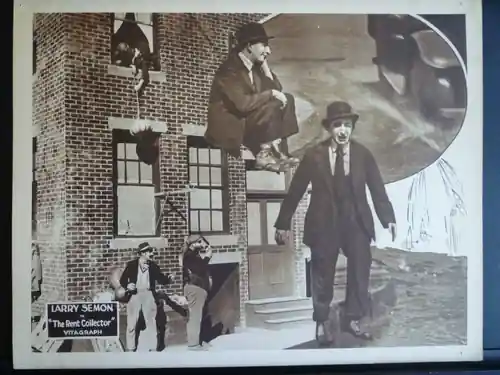
Watch Keaton’s One Week house-collapse, then revisit the tenement implosion here; DNA matches. The DNA of Looney Tunes also swirls in these reels—note how Semon’s eyes bulge past anatomical possibility, a progenitor of Tex Avery’s wolves. Even the Coen brothers’ Raising Arizona owes a debt: the juxtaposition of infantile joy and socio-economic panic, the chase that trashes geography itself.
The 4K restoration by EYE Filmmuseum buffs away decades of vinegar syndrome while preserving emulsion cracks that sparkle like miniature lightning. Grain structure remains voluptuous; you could almost spoon it. Color grading nudges contrast so that whites sear and blacks sink into obsidian, a chiaroscuro worthy of Caravaggio had he painted with seltzer bottles.
Pedants may carp that the narrative is “episodic,” but that’s akin to faulting a fireworks display for lacking a third act. Yes, some gags age less gracefully—blackface chimney sweep, mincing stereotypes—yet these land as artifacts of 1921’s poison, not endorsement. Contextualize, critique, move on; the rest of the film still detonates merrily.
Stacked beside The Dancin’ Fool’s light-footed frivolity, The Rent Collector feels like a brick hurled through a banker’s window. Where Thou Shalt Not Steal moralizes, this film simply pillages. Compared to Cyclone Smith’s Comeback, its cyclone is fiscal, yet no less destructive.
Ninety years before Occupy camps sprouted, this ragamuffin riot forecast the moment when debt would become the west’s shadow religion. It’s a film that slips a whoopee cushion under the posterior of capital, then hands you the bill—ink still wet, laughter still echoing. Seek it in rep houses, project it on brick alley walls, let the celluloid mosquitoes bite. You’ll leave lighter of wallet but swollen with anarchic glee.
Stream, scream, screen: If your local arthouse isn’t savvy enough, lobby them. Meanwhile, pair it with a double feature of Parisette for contrasting urban romanticism, or Stranded for existential claustrophobia. Just pay your streaming rent on time—lest Larry Semon’s ghost come knocking.
IMDb —
1917
Community
Log in to comment.