A definitive 5.8/10 rating for a film that redefined the boundaries of cult cinema. The Return of Boston Blackie remains a cornerstone of transgressive art.
Is The Return of Boston Blackie worth watching today? Short answer: yes, but with significant caveats that ground it firmly in its historical context. This 1927 silent film is a fascinating relic best suited for cinephiles, historians, and those with a genuine appreciation for the early days of narrative cinema, rather than casual viewers seeking modern pacing or dialogue.
It's a curious entry in the gentleman crook subgenre, offering a glimpse into the moral ambiguities and narrative conventions that captivated audiences nearly a century ago. While it won't resonate with everyone, its unique charm and historical significance make it a worthwhile watch for a specific audience.
This film works because... it perfectly encapsulates the simple, yet effective, storytelling of the silent era, driven by strong character archetypes and clear moral dilemmas, elevated by Raymond Glenn’s magnetic presence.
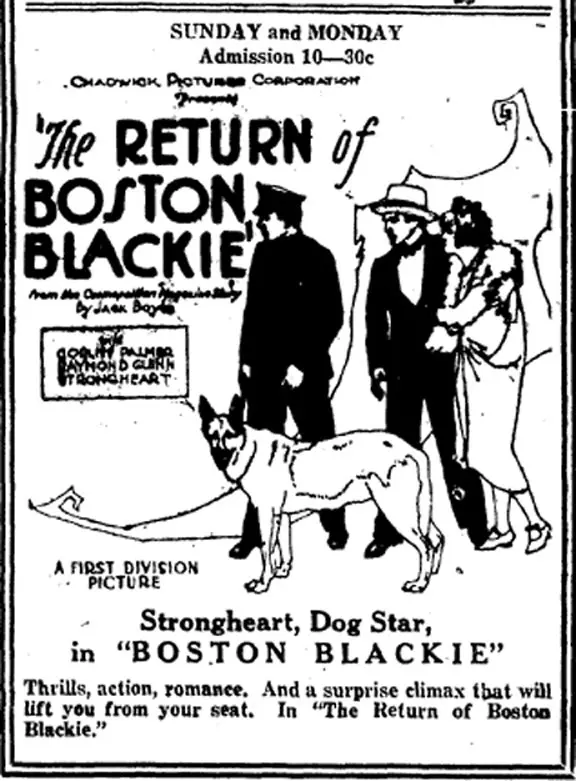
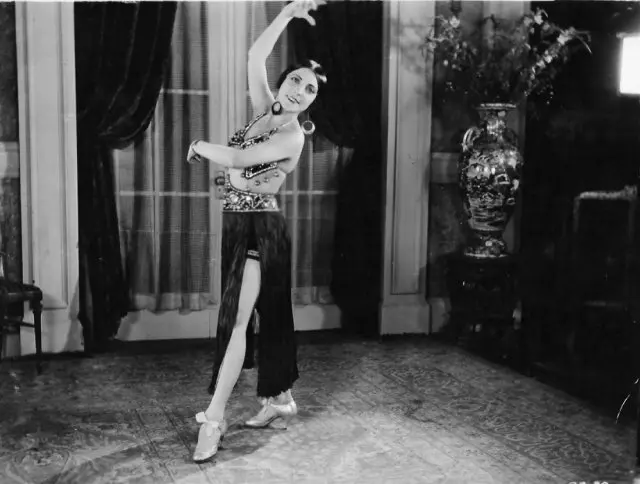
Scene from The Return of Boston Blackie
Cinematic perspective: Exploring the visual vocabulary of The Return of Boston Blackie (1927) through its definitive frames.
This film fails because... its narrative simplicity can feel rudimentary to modern sensibilities, and the lack of robust character development beyond Blackie himself leaves several intriguing plot threads underdeveloped.
You should watch it if... you are a student of silent cinema, a fan of early crime dramas, or simply curious about the evolution of film, especially if you appreciate the subtle nuances of physical acting and intertitle storytelling.
The Gentleman Thief's Redemption Arc: A Plot Reimagined
The narrative of The Return of Boston Blackie is, at its core, a morality play wrapped in a crime caper. Our protagonist, Boston Blackie, portrayed with a roguish charm by Raymond Glenn, emerges from prison with the best of intentions. His vow to 'go straight' is less a radical transformation and more a negotiation with his own inherent nature. This isn't a man who suddenly becomes a saint; it's a man who tries to channel his considerable talents for less nefarious purposes.
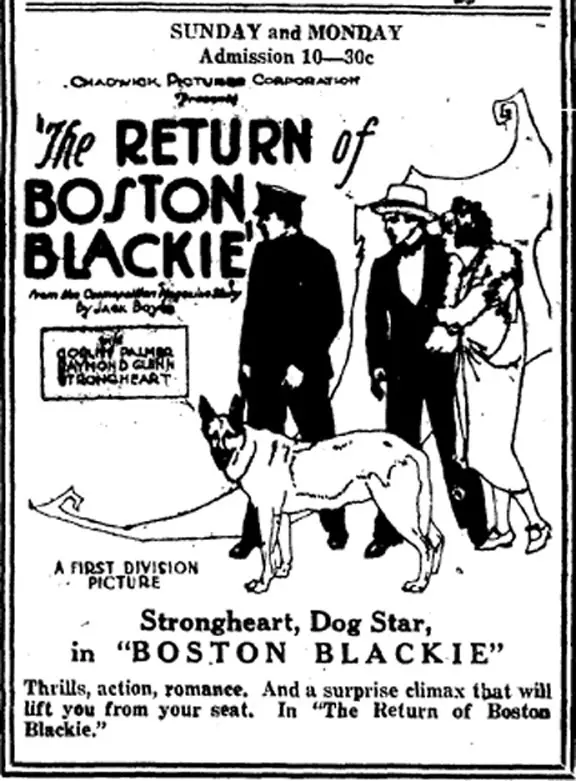
Scene from The Return of Boston Blackie
Cinematic perspective: Exploring the visual vocabulary of The Return of Boston Blackie (1927) through its definitive frames.
The catalyst for his return to the shadows is a young woman, a 'pretty blonde' played by Corliss Palmer, who has committed a petty theft. She has lifted a necklace from a cabaret dancer, Rosemary Cooper. This initial setup is classic Blackie territory: a damsel in distress, a stolen bauble, and Blackie's peculiar sense of justice. What elevates this beyond a simple rescue mission is the revelation that the necklace belongs to the blonde's own father, a man whose philandering ways are subtly hinted at as the true source of the family's troubles and perhaps the daughter's desperation.
Blackie’s decision to perform 'one last job' isn't just about replacing the necklace; it's about restoring a semblance of order and protecting the innocent, or at least the less guilty. He isn't just a thief; he's a moral arbiter, albeit one who operates outside the law. This complexity is what makes the Boston Blackie character enduring. He embodies the anti-hero long before the term was commonplace, a character who breaks rules for what he perceives as a greater, if personal, good.
The plot, while straightforward by today's standards, offered enough twists and turns for a 1927 audience. It relies heavily on visual storytelling and the audience's ability to infer motivation from subtle gestures and well-placed intertitles. The resolution, with Blackie discreetly returning the necklace to the father's safe, is a satisfying culmination of his unique brand of justice. It’s a quiet triumph, underscoring Blackie’s preference for subtlety and discretion over overt heroism.
Scene from The Return of Boston Blackie
Cinematic perspective: Exploring the visual vocabulary of The Return of Boston Blackie (1927) through its definitive frames.
Silent Stars and Canine Companions: Performances Under the Lens
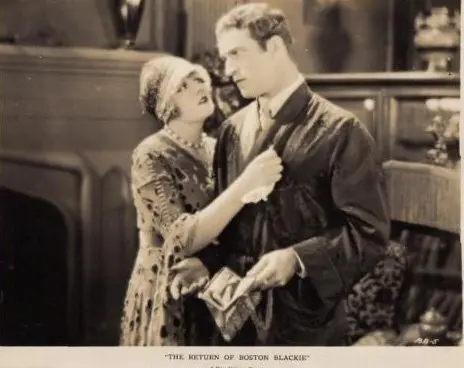
In the silent era, acting was a delicate balance of exaggerated gesture and nuanced facial expression. Raymond Glenn, as Boston Blackie, navigates this tightrope with commendable skill. He exudes a charismatic confidence that makes Blackie's criminal charm believable. His physicality is key; Blackie's movements are fluid, almost dancer-like, conveying his agility and cunning without a single spoken word. One particular scene, where Blackie outwits a guard through a series of quick, almost imperceptible motions, highlights Glenn's mastery of silent physical comedy and suspense.
Corliss Palmer, as the pretty blonde, delivers a performance typical of the ingenues of the era. Her expressions are often broad, conveying fear, desperation, and relief with a clarity necessary for silent film. While her character isn't deeply explored, Palmer effectively serves as the emotional anchor for Blackie’s actions, her vulnerability driving much of the plot. Rosemary Cooper, in her smaller role as the cabaret dancer, manages to imbue her character with a hint of world-weariness and glamour, a stark contrast to Palmer’s innocence.
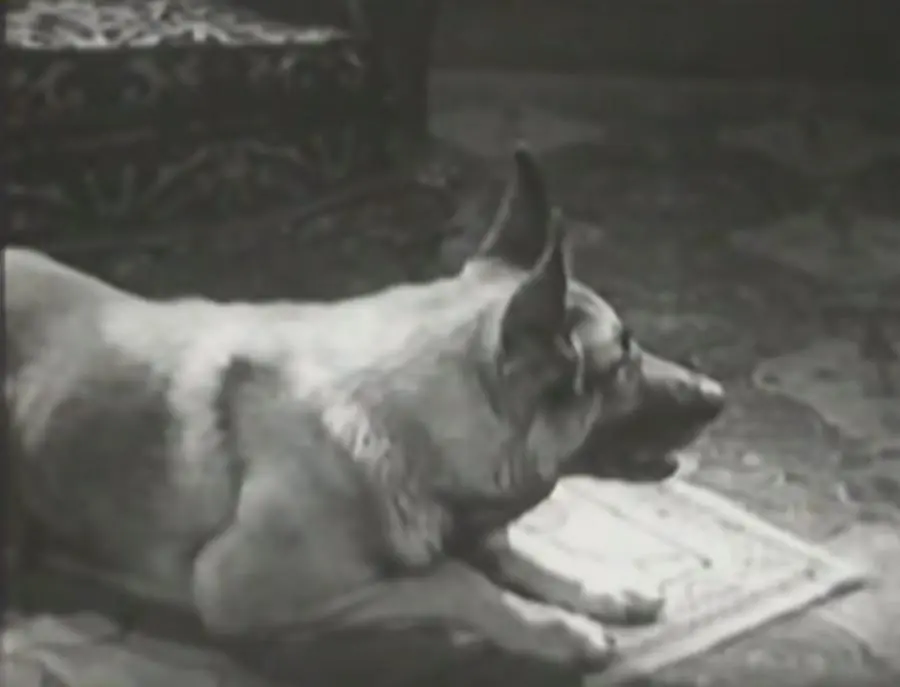
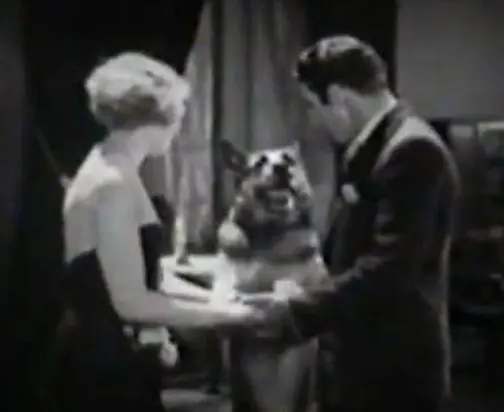
However, the true scene-stealer, and an unconventional observation, is Strongheart the Dog. While his role is not central to the main plot, his presence adds a unique texture and, dare I say, a surprising layer of emotional depth. Strongheart was a genuine silent film star, and his ability to convey loyalty and intelligence through trained actions is remarkable. In a film where human expressions can sometimes border on melodrama, Strongheart’s naturalistic performance is a breath of fresh air. He is arguably the film’s most consistently compelling 'actor,' offering an understated gravitas that human counterparts often struggled to maintain.
Scene from The Return of Boston Blackie
Cinematic perspective: Exploring the visual vocabulary of The Return of Boston Blackie (1927) through its definitive frames.
The supporting cast, including J.P. Lockney and Florence Wix, provide solid, if not groundbreaking, performances, fulfilling their roles as authority figures or societal archetypes. The strength of the ensemble lies in their collective ability to create a believable world through purely visual means, a testament to the collaborative nature of silent film production.
Crafting Shadows and Light: Direction and Cinematography
While specific directorial credits for many silent films can be murky, the overall visual language of The Return of Boston Blackie is indicative of the period’s best practices. The cinematography, though not groundbreaking, is effective. It utilizes classic silent film techniques: stark chiaroscuro lighting to highlight Blackie’s shadowy existence, and softer, more diffused lighting for the blonde’s moments of vulnerability. The use of close-ups is judicious, drawing the audience into key emotional moments or revealing crucial plot details, such as the glint of the stolen necklace.
Pacing is another critical element in silent films, and here, the film strikes a decent balance. It starts with a brisk, almost urgent tempo as Blackie is released and immediately entangled in new trouble. The scenes in the cabaret are lively and dynamic, conveying the bustling energy of the era. There are moments of slower, more deliberate action, particularly during Blackie’s strategic planning, which allows the audience to follow his thought process through visual cues and intertitles. This varied pacing keeps the audience engaged, preventing the narrative from feeling monotonous.
Scene from The Return of Boston Blackie
Cinematic perspective: Exploring the visual vocabulary of The Return of Boston Blackie (1927) through its definitive frames.
The tone of the film is predominantly lighthearted adventure, tinged with suspense. It never delves into truly dark territory, maintaining a certain escapist quality. Even the philandering father, a potentially serious character, is presented more as a narrative device than a figure of deep moral condemnation. This lighter tone aligns well with the 'gentleman crook' genre, where the protagonist, despite his illegal activities, is ultimately charming and somewhat benevolent. The film’s ability to maintain this consistent tone throughout its runtime is a quiet strength, reflecting a clear creative vision.
The Roaring Twenties on Screen: Themes and Subtext
The Return of Boston Blackie offers more than just a simple crime story; it’s a window into the thematic concerns of the 1920s. The central theme of crime and redemption is a timeless one, but here it’s filtered through the lens of a society grappling with changing moral codes. Blackie’s struggle to 'go straight' is less about societal repentance and more about personal pride and a desire for a less complicated life. His eventual return to crime, however noble the intention, speaks to the allure and perhaps inevitability of one’s inherent nature.
Social commentary, though subtle, is present. The character of the philandering father, whose negligence indirectly leads to his daughter’s predicament, critiques a certain patriarchal entitlement prevalent in the era. The film doesn't explicitly condemn him, but it clearly positions him as a source of the chaos Blackie must rectify. This narrative choice provides a surprising subtext, suggesting that sometimes, the 'criminals' might possess a more upright moral compass than the ostensibly respectable members of society.
The 'gentleman crook' archetype itself is a fascinating reflection of the era’s fascination with anti-heroes. Characters like Blackie, or even those in films like Counsel for the Defense, offered audiences a vicarious thrill, a chance to root for someone who defied conventions but ultimately had a good heart. This trope allowed for exploration of moral ambiguity in a way that perhaps more straightforward 'good vs. evil' narratives could not. Blackie operates in the grey areas, a place where justice is personal and flexible, not strictly legal.
The film’s moral compass, I would argue, is surprisingly pragmatic rather than rigidly moralistic. It’s less concerned with punishing Blackie for his past and more interested in how his unique skills can be applied to solve dilemmas that conventional methods cannot. This utilitarian approach to morality is a bold statement for a film of its time, suggesting a more complex understanding of human nature than often credited to early cinema.
Is The Return of Boston Blackie Worth Watching Today?
Yes, for the right audience. This film is a charming piece of silent cinema history. It offers a glimpse into a bygone era of storytelling. It requires patience and an appreciation for non-verbal communication. It's not a film for those unfamiliar with silent film conventions. It's best for those interested in film evolution or the Boston Blackie character. Its historical value outweighs its entertainment value for a mainstream audience.
Pros and Cons
Pros:
Raymond Glenn's charismatic portrayal of Boston Blackie.
Engaging, if simple, plot that captures the essence of the gentleman crook.
Strongheart the Dog's captivating, naturalistic performance.
Effective use of silent film techniques for pacing and mood.
A fascinating historical document of 1920s cinema.
Cons:
Pacing might feel slow for modern viewers.
Character development beyond Blackie is somewhat shallow.
Relies heavily on silent film conventions (intertitles, broad gestures) that can be a barrier for some.
The plot, while effective, lacks the intricate layers of contemporary crime dramas.
Limited rewatchability for general audiences.
Key Takeaways
Best for: Silent film enthusiasts, crime drama historians, fans of classic anti-hero archetypes.
Not for: Viewers seeking fast-paced action, complex narratives, or modern dialogue-driven cinema.
Standout element: Raymond Glenn’s magnetic screen presence and the surprising charm of Strongheart the Dog.
Biggest flaw: Its narrative simplicity and dated pacing can be a significant hurdle for contemporary audiences, requiring a specific appreciation for its era.
Verdict
The Return of Boston Blackie is a charming, if somewhat dated, entry into the annals of silent crime cinema. It works. But it’s flawed. Its true value lies not in its ability to compete with modern blockbusters, but in its capacity to transport us back to a nascent era of filmmaking, showcasing the foundational elements of character, plot, and visual storytelling that would evolve into the cinema we know today.
Raymond Glenn’s Boston Blackie is a compelling figure, a blend of suave criminality and underlying morality that resonates even through the filter of time. The film is a testament to the ingenuity of silent filmmakers who, without the benefit of synchronized sound, crafted engaging narratives that captivated millions. While it won't be everyone's cup of tea, for those willing to engage with its historical context, it offers a rewarding, often delightful, viewing experience. It’s a relic, yes, but a remarkably well-preserved one, offering a valuable lesson in the enduring power of a good story and a captivating anti-hero.