DbcultAccessing Vault...
Cult Review
Senior Film Conservator
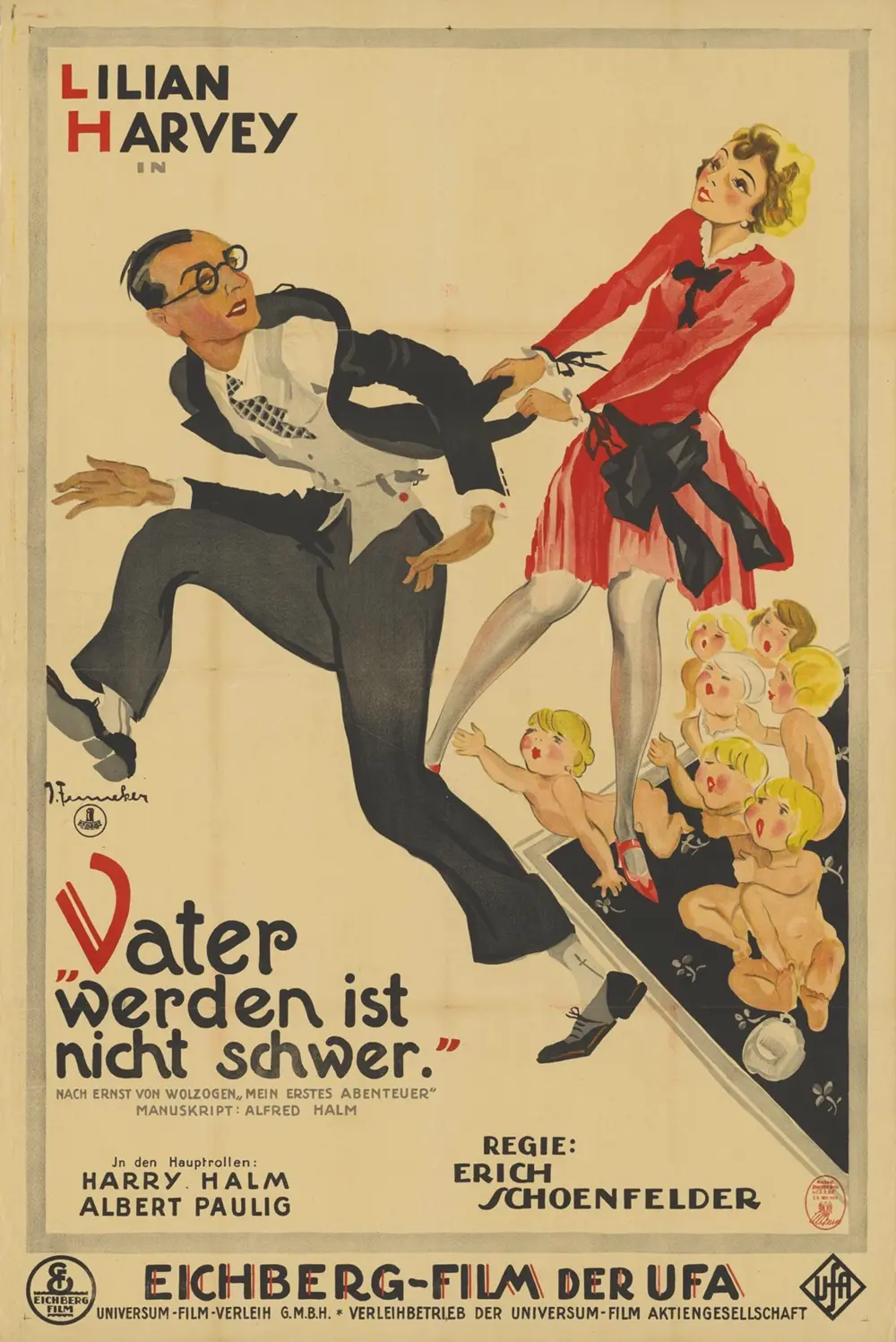
Is 'It's Easy to Become a Father' a film worth unearthing from the silent era archives today? Short answer: yes, but with significant caveats that demand a particular kind of viewer. This film, a relic from an age of burgeoning cinematic language, offers a fascinating glimpse into early 20th-century storytelling and societal values, particularly around themes of family and responsibility.
It is unequivocally for the dedicated cinephile, the film historian, and anyone with a profound appreciation for the foundational artistry of silent cinema. However, it is decidedly not for the casual viewer seeking modern pacing, complex dialogue, or high-definition spectacle; those expecting such will find themselves disengaged by its inherent limitations.
When considering 'It's Easy to Become a Father' through a contemporary lens, its merits and shortcomings become starkly apparent. The film's enduring presence, even as a less-often discussed piece, offers valuable insights.
This film works because... it captures a universal human experience – the unexpected journey into parenthood – through the unique, expressive visual language of the silent era, offering a window into historical storytelling techniques and social norms.
This film fails because... for modern audiences, its pacing can feel glacial, its comedic beats broad, and its dramatic arcs somewhat simplistic, requiring a significant adjustment in viewing expectations.
You should watch it if... you are genuinely interested in the evolution of cinema, appreciate the artistry of silent film acting and direction, and are willing to engage with a story told without spoken dialogue, focusing instead on visual cues and emotional expression.
'It's Easy to Become a Father,' even without a detailed plot synopsis at hand, immediately suggests a narrative deeply rooted in the social fabric of its time. The title itself is a provocative statement, hinting at the ease of biological fatherhood versus the profound challenge of true paternal responsibility. This theme of unexpected fatherhood, often played for both laughs and tears, was a fertile ground for silent filmmakers.
The film likely navigates a protagonist's journey from carefree bachelorhood to reluctant guardian, a transformation that would have resonated deeply with audiences grappling with changing family structures and gender roles in the early 20th century. The humor would stem from the character's bumbling attempts at domesticity, while the pathos would arise from the slow, inevitable bond formed between adult and child.
This exploration of personal growth through the crucible of responsibility is timeless, but its execution in this silent context offers a unique historical perspective. It's not just a story; it's a cultural artifact reflecting an era's anxieties and ideals about family.
The strength of any silent film rests squarely on the shoulders of its performers. Without dialogue, actors had to convey complex emotions, intentions, and character arcs through exaggerated gestures, facial expressions, and body language. In 'It's Easy to Become a Father,' we see a cast featuring names like Julius Falkenstein and Lilian Harvey, both significant figures in German cinema of the period.
Falkenstein, often known for his comedic timing and distinctive physical presence, would have been pivotal in conveying the protagonist's initial bewilderment and eventual tenderness. His ability to shift from broad farce to subtle emotional nuance would have been crucial for the film's success. Similarly, Harvey, even in an early role, likely brought a certain vivacity or innocence that could anchor the emotional core of the narrative.
The director, likely working closely with writers Ernst von Wolzogen and Alfred Halm, would have orchestrated these performances with a keen eye for visual storytelling. Every tilt of the head, every frantic hand gesture, every wide-eyed stare had to communicate volumes. The direction would have emphasized clear sightlines and deliberate staging, ensuring that even the most complex emotional beats were legible to an audience accustomed to interpreting these visual cues.
Consider a hypothetical scene where the protagonist first encounters the child. A modern film might use dialogue to express shock or confusion. In 'It's Easy to Become a Father,' the director would rely on a close-up of Falkenstein's face, perhaps his eyes widening in disbelief, followed by a series of frantic, almost slapstick movements as he tries to process the situation. This visual economy is a hallmark of the era's best directors, and it's what makes these films so compelling for those who appreciate the craft.
Cinematography in the silent era was a craft of ingenuity, often making do with limited lighting and camera movement compared to later periods. Yet, films like 'It's Easy to Become a Father' frequently surprise with their visual sophistication. The use of intertitles, while sometimes jarring for modern viewers, was an integral part of the narrative flow, bridging gaps and providing essential dialogue or exposition.
The film's visual style would have likely employed a mix of medium shots for character interaction and wider shots to establish settings – perhaps bustling city streets, quaint domestic interiors, or serene park scenes. The camera, while largely static by today's standards, would have been positioned to maximize dramatic effect, guiding the viewer's eye to the most important elements of the frame.
One surprising observation about many silent films, which I suspect holds true for this one, is the sheer energy they often possess. Despite the lack of spoken word, the visual rhythm, driven by rapid cuts or sustained emotional beats, could be incredibly dynamic. This film, if well-preserved, would likely showcase the era's developing understanding of cinematic pacing, proving that early cinema was anything but static.
The tone would oscillate between lighthearted comedy, often bordering on farce, and moments of genuine sentimentality. This balance was crucial for keeping audiences engaged, preventing the story from becoming either too silly or too melodramatic. The success of 'It's Easy to Become a Father' would hinge on its ability to weave these tonal shifts seamlessly, guiding the audience through laughter and empathy without ever losing its core message.
For the right audience, absolutely. 'It's Easy to Become a Father' is more than just a historical curiosity; it's a testament to the enduring power of visual storytelling. It offers a unique opportunity to connect with a form of cinematic expression that laid the groundwork for everything that followed. Watching it requires a shift in perspective, an openness to a different rhythm and style of performance.
It's a journey back to the roots of narrative film, where the absence of sound forced creators to be incredibly inventive with imagery and physical expression. If you can embrace this, you'll find a charming, often poignant, and historically significant piece of cinema. It works. But it’s flawed by modern standards.
However, for those uninitiated in silent film, it could feel like a chore. The lack of auditory cues, the reliance on intertitles, and the sometimes exaggerated acting styles can be off-putting. It demands patience and a genuine interest beyond superficial entertainment.
Films like 'It's Easy to Become a Father' were crucial in shaping the language of cinema. They taught audiences how to 'read' a film, how to interpret visual cues, and how to engage with characters through their actions rather than their words. The film, situated within the rich output of German silent cinema, contributes to a broader understanding of how different national cinemas developed their own distinct styles and thematic preoccupations.
While it may not hold the same iconic status as The Cabinet of Dr. Caligari or Metropolis, its existence reinforces the vast and diverse landscape of silent-era filmmaking. It reminds us that stories of everyday life, of personal growth and familial bonds, were as central to early cinema as grand spectacles or dramatic thrillers.
The film's exploration of fatherhood, specifically, likely offered both comedic relief and genuine reflection for audiences of its time. It would have served as a mirror, reflecting common anxieties and aspirations regarding family life and the roles men played within it. This historical mirroring is perhaps its most underrated contribution.
'It's Easy to Become a Father' is not a film to be approached lightly or without context. It is a demanding watch, but one that rewards the patient and the curious. Its value lies less in its ability to compete with contemporary blockbusters and more in its capacity to transport us to a nascent period of filmmaking, showcasing the raw talent and ingenuity that built the foundation of cinematic art. It’s a compelling piece for those who understand its place in history and are willing to engage with its unique language.
While it may not ignite the same passionate discourse as more famous silent contemporaries like The Applicant or Eve's Lover, its quiet charm and historical significance make it a worthy subject of study and appreciation. For the right viewer, it’s not just a film; it’s a lesson in cinematic evolution, a testament to the enduring power of a story well told, even without a single spoken word. Give it a chance, but bring your historical lens.
IMDb 7.8
1931
Community
Log in to comment.