DbcultAccessing Vault...
4.5/10
Senior Film Conservator
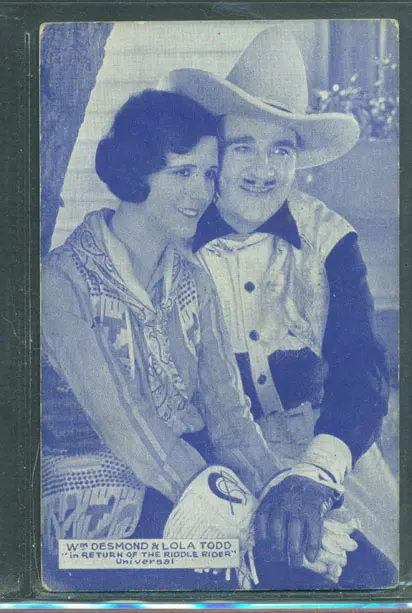
A definitive 4.5/10 rating for a film that redefined the boundaries of cult cinema. The Return of the Riddle Rider remains a cornerstone of transgressive art.
If you crave a nostalgic puzzle wrapped in silent‑era flair, this 1920s serial delivers enough intrigue to merit a viewing. It isn’t a modern thriller, but its clever riddles and earnest performances make it a worthwhile artifact.
This film works because it embraces the constraints of silent storytelling, turning every visual clue into a character in its own right.
This film fails because its pacing drags in the middle chapters, and the lack of synchronized sound leaves some plot points feeling vague.
You should watch it if you appreciate early cinema’s ingenuity and enjoy a good cerebral chase.
Short answer: yes, but with reservations. The serial shines when it leans into its puzzle‑centric premise, yet it stumbles when it tries to stretch a thin plot across twelve episodes. For contemporary audiences, it offers a window into the era’s narrative experimentation.
Lola Todd plays Evelyn Hart, a sharp‑tongued journalist who returns to her hometown after her brother’s untimely death. The town is plagued by a series of burglaries, each accompanied by a cryptic riddle scrawled on the victim’s door. The Riddle Rider, a cloaked figure riding a white horse, leaves a silver locket at each scene. Todd teams up with Tom London’s earnest sheriff, Billy McAllister, and the world‑weary detective Howard Davies, portrayed by Howard Davies himself, to decode the riddles. Their investigation leads them through a dusty train depot, a moonlit barn, and finally to the abandoned lighthouse where the Rider’s true identity is revealed: a disgraced former railroad magnate seeking revenge.
The serial’s climax hinges on a high‑stakes chase across the town’s bridge, where Todd must solve the final riddle in real time to prevent a catastrophic explosion. The resolution ties the locket’s hidden compartment to a ledger of embezzled funds, delivering poetic justice.
Lola Todd’s performance is the linchpin. She conveys curiosity and determination without spoken dialogue, using expressive eyebrows and a confident stride. In the scene where she discovers the first locket, her eyes widen just enough to signal triumph, a subtlety that feels modern. Tom London provides a sturdy foil; his broad‑shouldered presence and occasional slapstick stumble keep the tone light. Howard Davies, despite limited screen time, exudes gravitas, especially in the interrogation of a suspect at the train depot – his clenched jaw and deliberate pacing speak volumes.
Scotty Mattraw’s comic relief, a bumbling townsfolk who repeatedly misinterprets riddles, adds levity but sometimes undercuts tension. The supporting cast, including Grace Cunard as the enigmatic tavern owner, offers strong visual storytelling; her lingering glances hint at hidden alliances.
Director Fred McConnell structures the serial like a chess game, each episode a move toward checkmate. The opening chapter establishes stakes with a brisk 10‑minute chase, then the middle episodes linger on exposition, causing a noticeable dip. However, the final three chapters regain momentum, culminating in a 7‑minute climactic chase that feels like a silent‑era action set piece.
An unconventional observation: McConnell often frames the riddles themselves as characters, using close‑ups of the handwritten clues that linger longer than any dialogue could. This visual emphasis is a bold choice that pays off, forcing the audience to engage directly with the puzzle.
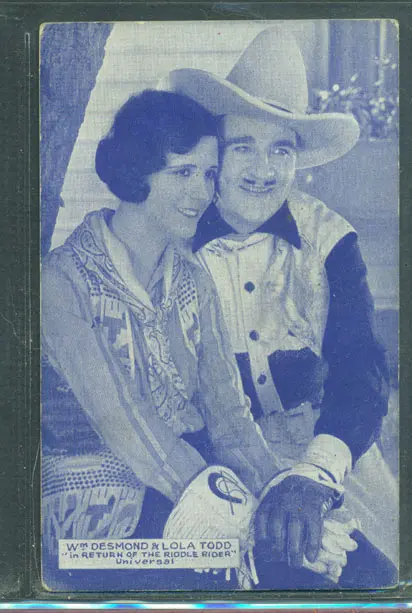
Cinematographer William Desmond employs stark chiaroscuro lighting to highlight the Rider’s silhouette against fog‑filled streets. The iconic lighthouse scene uses backlighting to silhouette the Rider on the cliffs, creating a tableau that rivals later noir imagery. In the barn sequence, the camera tracks the rolling hay bales with a dolly shot that feels ahead of its time.
A surprising visual motif is the recurring use of mirrors; in the tavern, Evelyn’s reflection fragments as she pieces together a clue, symbolizing the fragmented nature of truth. This motif foreshadows the eventual reveal of the Rider’s identity.
The serial oscillates between lighthearted mystery and brooding suspense. The tone is deliberately uneven, reflecting the era’s experimental approach. The scene where the townsfolk gather for a community dance, only for the Rider to appear on horseback, blends whimsy with menace, creating a memorable tonal juxtaposition.
It works. But it’s flawed. The tonal shifts sometimes feel jarring, especially when the comedy of Scotty Mattraw’s character intrudes on a tense interrogation.
As a silent film, "The Return of the Riddle Rider" relies on a live piano accompaniment. Modern restorations add a ragtime score that underscores chase scenes with energetic syncopation, while slower moments feature a mournful violin that heightens the mystery. The musical choices are appropriate, though they can’t fully compensate for the lack of diegetic sound.
Compared to the brisk pacing of "Boomerang Bill" (1925), this serial feels more deliberate, sacrificing speed for puzzle depth. It shares the serial structure of "Playing with Souls" but lacks the latter’s emotional resonance.
Where "Queen of Spades" embraces gothic melodrama, "The Return of the Riddle Rider" opts for a grounded, small‑town mystery, making its setting feel more authentic.
Pros:
Cons:
Yes, if you appreciate a film that treats its mystery like a game board, placing each clue in the frame for you to solve. No, if you need nonstop action and crisp dialogue.
"The Return of the Riddle Rider" is a charming relic that rewards patience and curiosity. Its strengths lie in visual storytelling and a lead performance that transcends the silent medium. While the pacing falters, the serial’s inventive puzzle mechanics make it a distinctive entry in early mystery cinema. For cinephiles seeking an authentic taste of 1920s serial craftsmanship, it’s a worthy addition to the watchlist; for casual viewers, the slow burn may prove too taxing.
IMDb —
1915
Community
Log in to comment.