DbcultAccessing Vault...
Cult Review
Senior Film Conservator
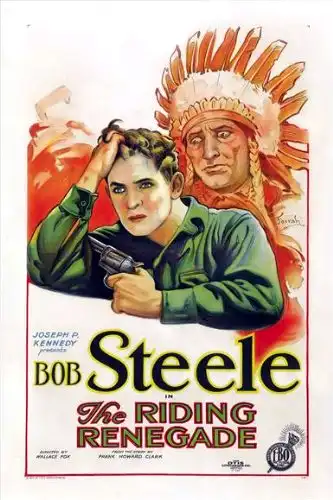
For most modern viewers, "The Riding Renegade" will feel like a relic, a curio best appreciated by those with a specific interest in early American cinema, classic Westerns, or the foundational work of actors like Bob Steele. If you're looking for sophisticated narratives, complex characters, or high-octane action, this 1929 production is not for you. However, if you possess a genuine curiosity about how the Western genre began to solidify its tropes, appreciate the raw, unpolished energy of pre-Code filmmaking, or simply want to see a straightforward tale of good versus evil play out with earnest conviction, then "The Riding Renegade" offers a surprisingly engaging, if often clunky, ninety minutes. It's a film for the cinephile, the historian, and the dedicated genre enthusiast, not the casual streamer.
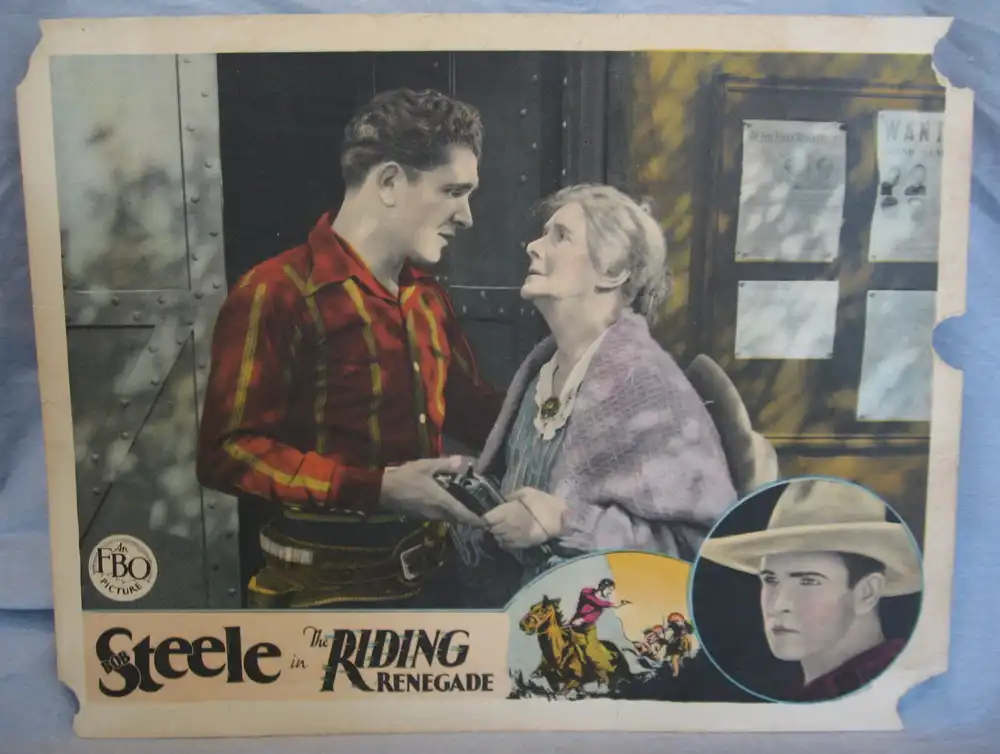
The acting in "The Riding Renegade" is very much of its era, favoring broad strokes and clear moral alignments over psychological depth. Perry Murdock, as our titular renegade Clay Travis, embodies the stoic, square-jawed hero archetype with admirable consistency. He's a man of few words, his heroism conveyed primarily through action and a perpetually determined gaze. There's a particular recurring shot where his hat brim casts a deep shadow over his eyes, a simple but effective visual cue to his mysterious past and unwavering resolve. While his delivery can sometimes feel a touch flat, he carries the film with an undeniable, if understated, charisma.
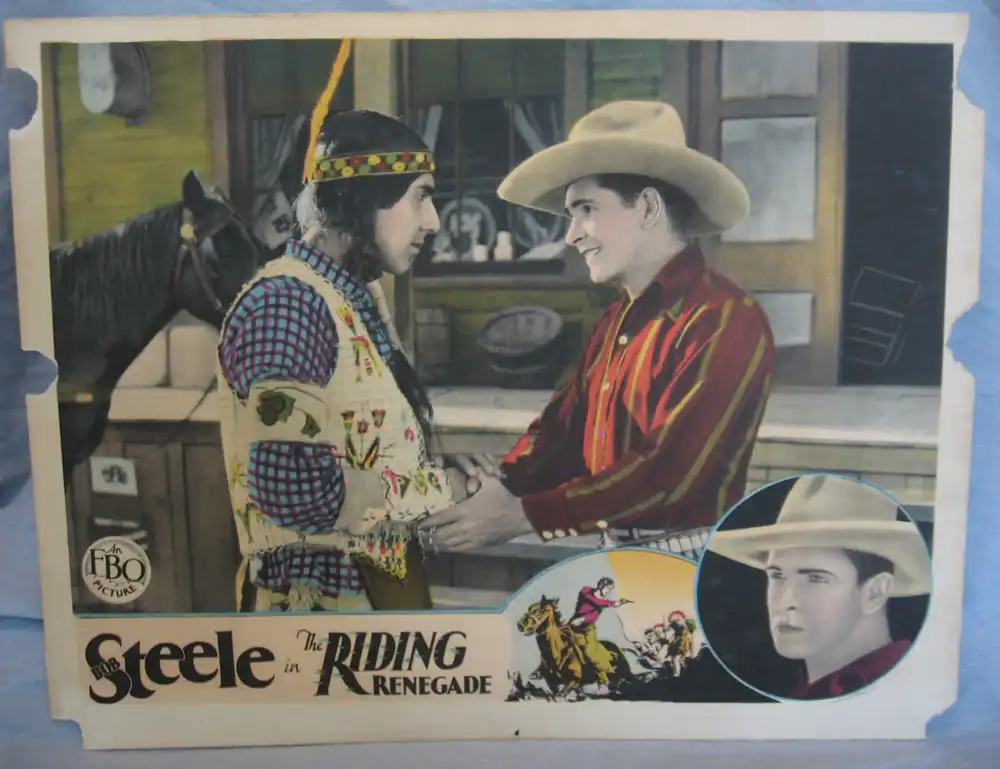
Bob Fleming, playing the villainous Thorne, leans into the mustache-twirling villainy expected of the period. His sneering expressions and booming pronouncements leave no doubt as to his nefarious intentions, though occasionally, his menace is undercut by an almost theatrical over-articulation of his lines, as if he's performing for the back row of a silent film theater. The real standout, for those familiar with the genre, is Bob Steele in a supporting role. Even early in his career, Steele possesses a naturalistic physicality and a certain coiled energy that makes his presence felt. His character, initially ambiguous, has a surprisingly menacing grin that, in early scenes, genuinely makes you question his allegiances before he settles into his heroic arc.
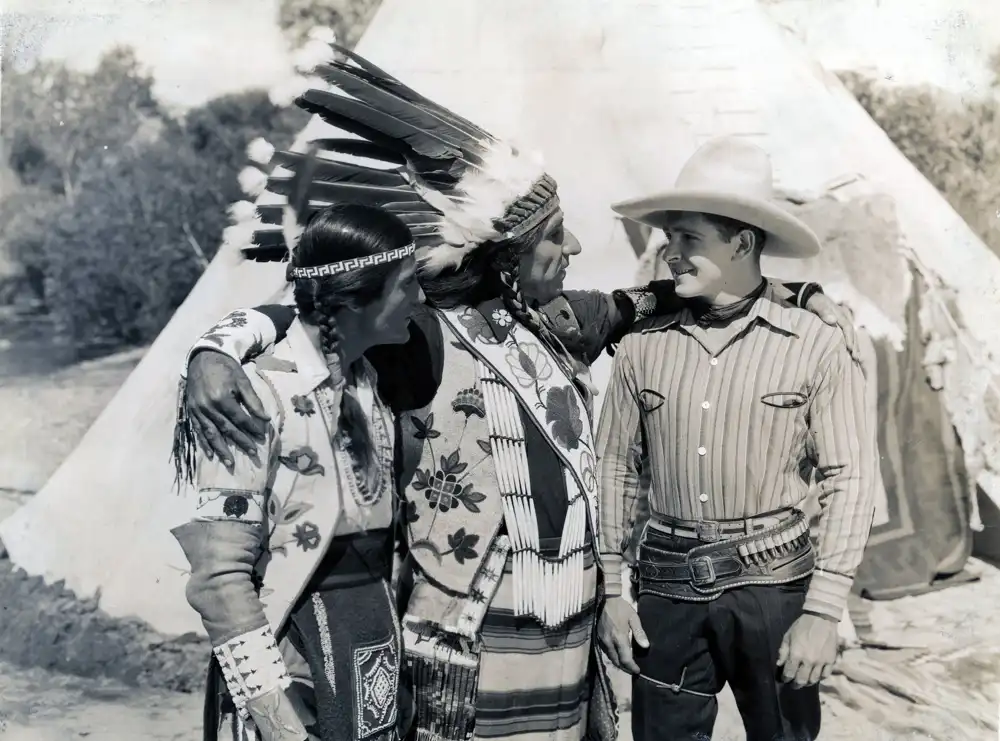
Nancy Drexel, as Jenny, provides the romantic interest and a dash of feistiness. She’s given more agency than some damsels of the era, riding horses and attempting to stand up to the villains. However, her character is often relegated to reacting to the men around her. Visually, her surprisingly modern, bobbed hairstyle often feels anachronistic against the dusty, rugged backdrop of the frontier, a small detail that pulls you out of the period just a little. Mary Carr, as the town matriarch, delivers a performance that oscillates between heartfelt concern and a tendency to look directly at the camera in wide shots, a subtle breaking of the fourth wall that might have been an acting convention of the time but feels jarring today.
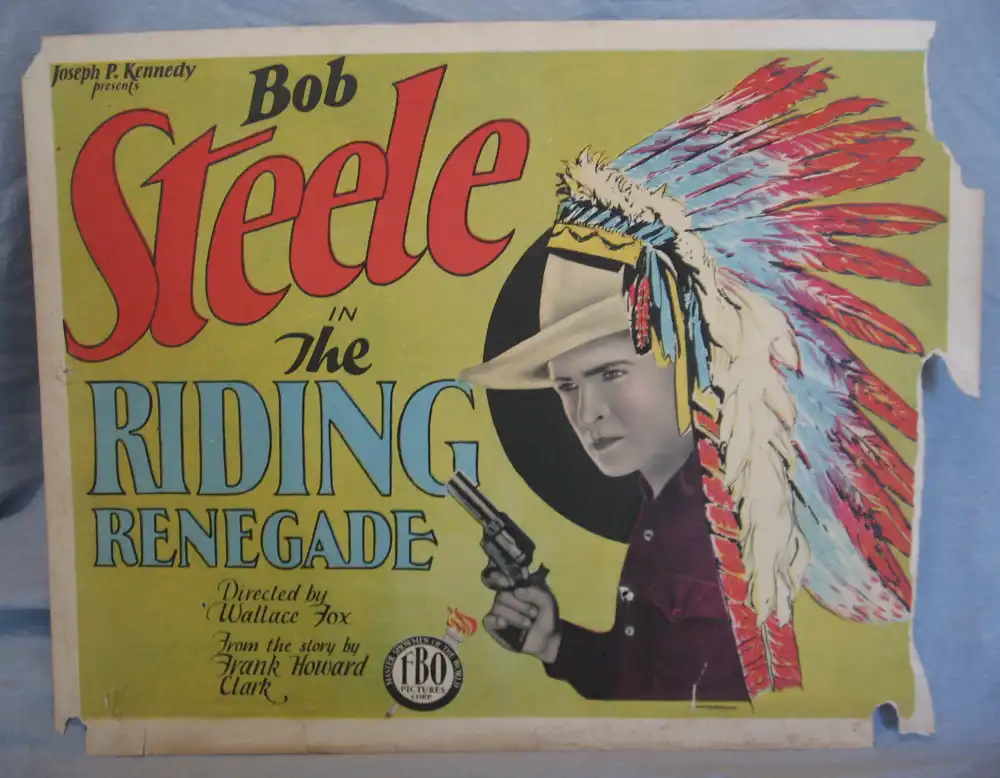
The rhythm of "The Riding Renegade" is deliberately paced, a characteristic of many films from the transitional sound era. The story unfolds with a series of distinct chapters: introduction, conflict, pursuit, resolution. While this methodical approach allows the audience to absorb the setting and the stakes, it also means there are stretches where the momentum noticeably sags. A particular scene where Clay and Jenny are discussing Thorne's plans, delivered with long pauses and characters talking *at* each other rather than *to* each other, feels particularly drawn out. The exposition here is heavy-handed, relying on dialogue to convey information that could have been shown visually. This isn't a film that rushes its plot points.
Tonal shifts can also be abrupt. A tense standoff between Clay and Thorne’s henchmen, full of dramatic close-ups and ominous music cues, is immediately followed by a rather lighthearted town dance sequence. While designed to offer relief, the transition feels less like a natural ebb and flow and more like a hard cut between two different moods. The film struggles to consistently maintain its dramatic tension, often opting for moments of broad comedy or simple spectacle (like a horse chase) to break up the narrative.
For a film of its vintage, "The Riding Renegade" showcases some impressive location shooting, lending an authentic feel to the sweeping Western vistas. The cinematography makes good use of the natural light, particularly in wide shots of horsemen silhouetted against the horizon. The action sequences, primarily horse chases and fistfights, are functional but reveal the limitations of early filmmaking. The horse chases are dynamic, but often feature generic horse neighing sounds that are slightly out of sync with the visuals. The fistfights are particularly stiff; punches clearly miss their mark, followed by overly dramatic, almost balletic falls from the receiving end. One particular sequence involving a brawl in the saloon sees Thorne's henchmen (Nick Thompson, Pedro Regas) standing in almost perfectly symmetrical formations, looking more like a staged tableau than a chaotic melee.
The use of stock footage for some of the more elaborate stunts is noticeable, though integrated as smoothly as possible for the era. Background projection during riding scenes is also evident, with the scenery behind the actors often blurry or static, a common tell of the period. Despite these technical shortcomings, there's an earnestness to the visual storytelling. Directors Frank Howard Clark and Randolph Bartlett clearly understood the power of the Western landscape and tried to utilize it to its fullest, even if budget and technology placed significant constraints on their vision.
"The Riding Renegade" is not a film that will convert new fans to the Western genre, nor is it a forgotten masterpiece. It is, however, a solid example of early B-Western filmmaking, earnest in its intentions and clear in its storytelling. It provides an excellent case study for film students interested in the transition from silent to sound cinema, or for genre enthusiasts keen to trace the lineage of Western archetypes. While its technical shortcomings and deliberate pacing demand patience, there's an undeniable charm in its simplicity and the sheer effort put forth by its cast and crew. If you approach it with the right historical context and an appreciation for foundational cinema, "The Riding Renegade" is a worthwhile, if not exhilarating, ride into the past. For casual viewers, it's probably best left to the archives.
IMDb —
1927
Community
Log in to comment.