DbcultAccessing Vault...
8/10
Senior Film Conservator
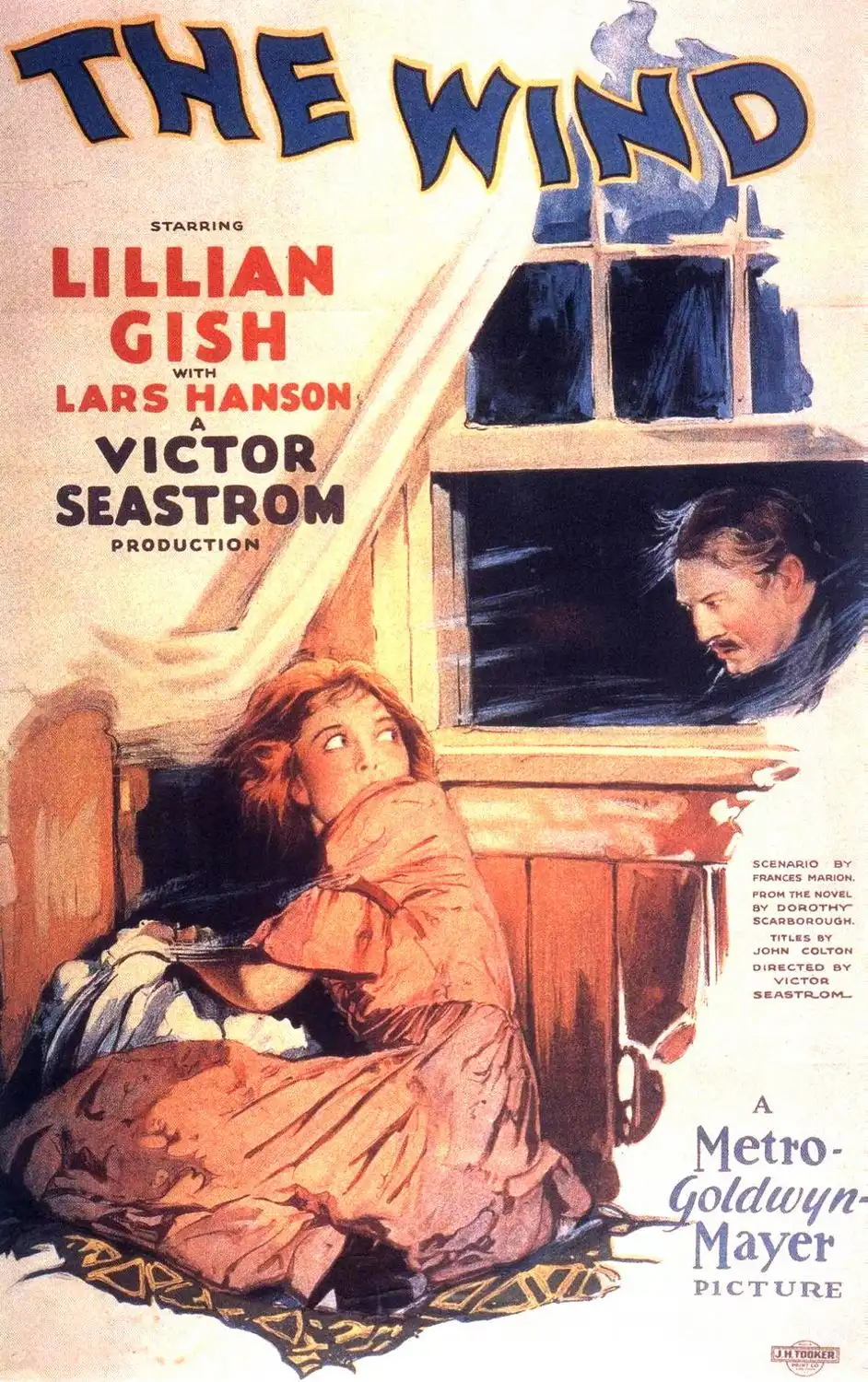
A definitive 8/10 rating for a film that redefined the boundaries of cult cinema. The Wind remains a cornerstone of transgressive art.
If you think silent films are all polite pantomime and flickering melodrama, The Wind will correct that misconception within ten minutes. It is a grueling, tactile, and deeply uncomfortable film that remains one of the most effective psychological thrillers ever made. It’s worth watching today because it does something modern CGI rarely achieves: it makes you feel the physical environment through the screen. You will want to wash your face after the credits roll.
This film is for anyone who appreciates atmospheric horror, survivalist dramas, or high-stakes character studies. It is probably not for those who demand a fast-moving plot or those who find the visual language of 1920s cinema too detached. However, for the patient viewer, the rewards are immense.
Directed by Victor Sjöström, The Wind treats its titular element as a sentient antagonist. From the moment Letty (Lillian Gish) steps off the train, the wind is trying to erase her. Sjöström used actual airplane propellers to whip up sandstorms on location in the Mojave Desert, and you can see the toll it takes on the actors. This isn't stage dust; it’s a constant, abrasive force that settles into the creases of the costumes and the eyes of the performers.
There is a specific, recurring visual motif of Letty trying to keep things clean. She constantly brushes sand off the table, out of her bed, and away from her dinner. One of the most effective scenes involves a simple plate of food being ruined by a sudden gust through a window crack. It’s a small moment, but it perfectly illustrates the erosion of her spirit. The environment is quite literally eating her life.
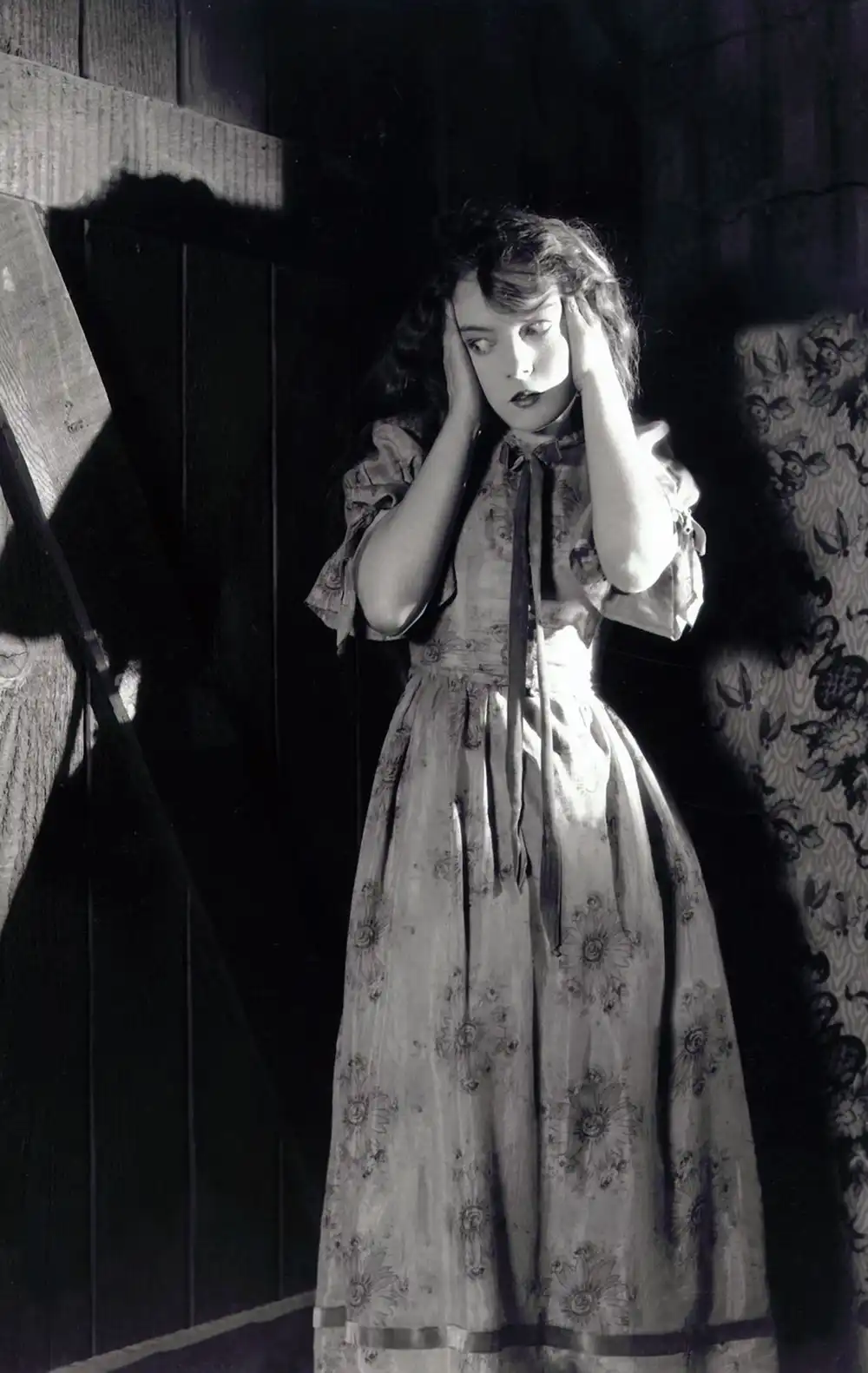
Lillian Gish is often remembered as the quintessential fragile waif, but her work here is incredibly athletic and raw. As Letty, she begins as a woman defined by her delicate Virginia manners—neat hair, white gloves, a soft touch. Watching those traits get ground down by the Texas plains is harrowing. Gish doesn't just act 'crazy'; she shows the slow, physical fatigue of a woman who hasn't had a moment of silence or stillness in weeks.
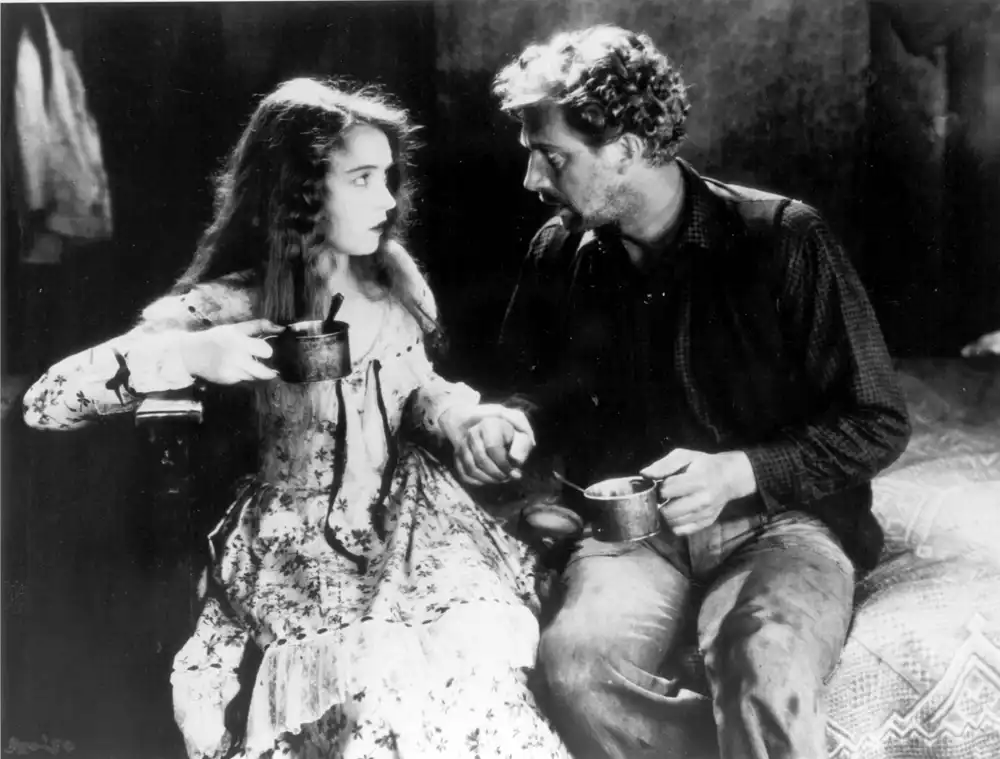
Her chemistry with Lars Hanson, who plays her husband Lige, is fascinatingly awkward. Hanson plays Lige as a man who is essentially decent but entirely ill-equipped to handle a woman like Letty. He’s rough and smells of cattle, and the scene where he tries to kiss her for the first time is genuinely uncomfortable to watch. It’s not a romantic moment; it’s a collision of two different worlds, and the camera lingers on Gish’s stiff, terrified posture just long enough to make the audience squirm.
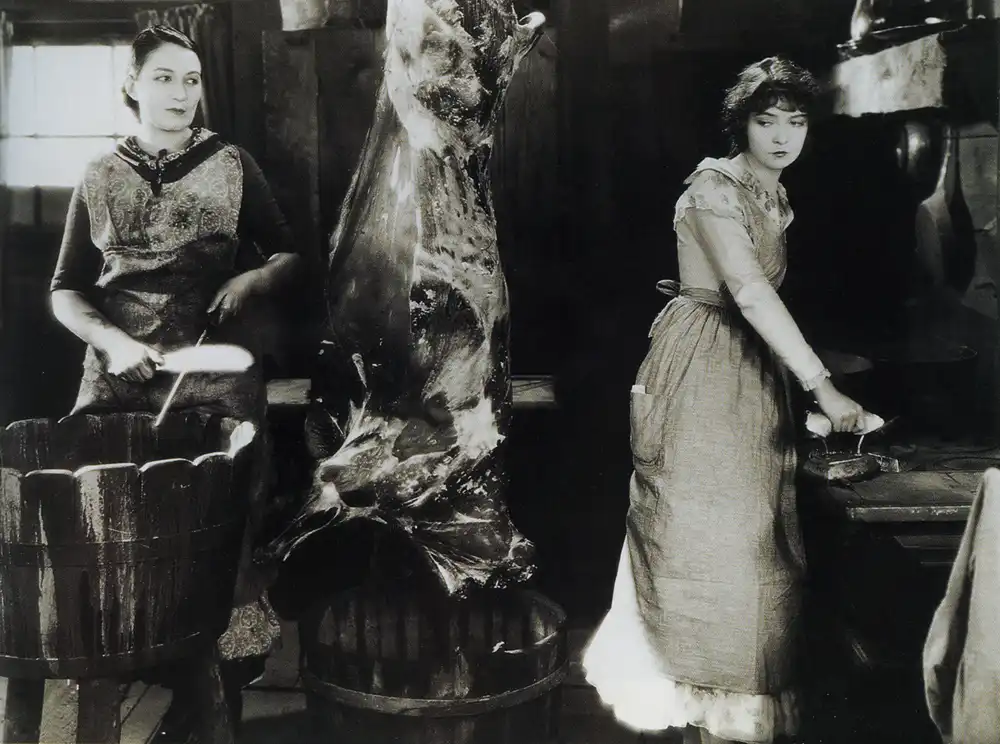
One of the most visceral moments in the film occurs early on, involving Letty’s sister-in-law, Cora (Dorothy Cumming). Cora is jealous of Letty’s presence and makes no secret of her disdain. There is a scene where Cora is butchering meat on a table while Letty watches. The way the knife thuds into the flesh and the aggressive, rhythmic nature of the work serves as a silent threat. It’s a masterclass in using soundless action to create a specific, threatening tone.
The film shifts from a domestic drama into a full-blown psychological nightmare during the final act. The arrival of Wirt Roddy (Montagu Love), a man who represents the predatory nature of the world Letty has entered, heightens the tension. When the big storm hits, the film moves into surrealist territory. The double exposures used to show the 'ghost horse' in the wind are haunting, even by modern standards. It’s here that the editing rhythm accelerates, mirroring Letty’s fracturing mind.
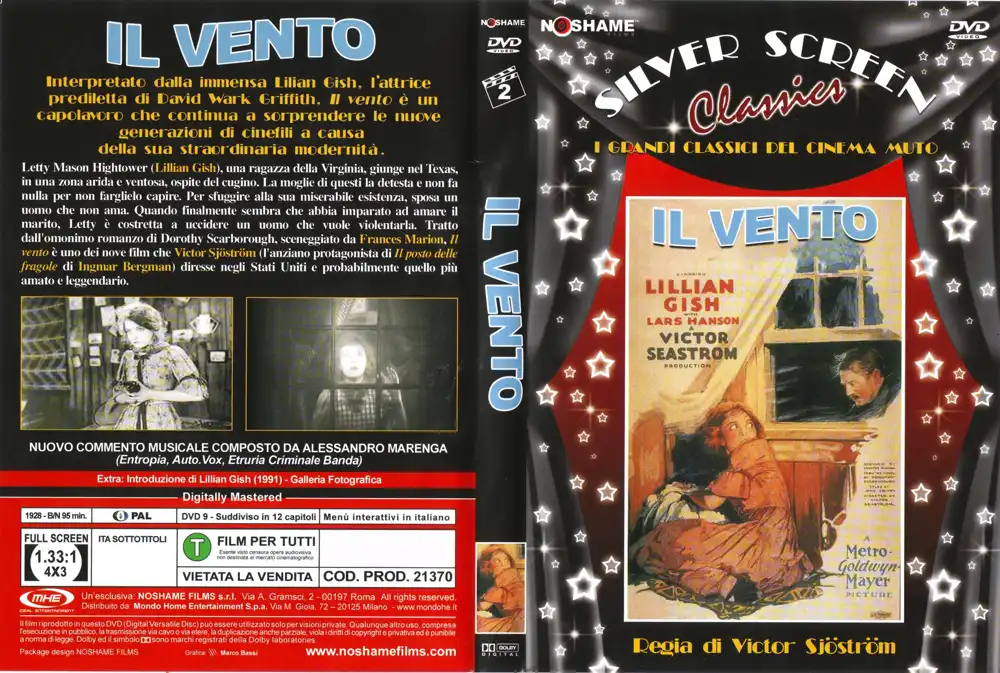
Sjöström’s eye for composition is remarkable. He uses the vast, empty horizon to make Letty look small and vulnerable, but he also uses tight, claustrophobic interiors to show how trapped she feels. The lighting is often harsh, reflecting the unforgiving sun, but during the climactic storm, it becomes moody and shadow-heavy.
The pacing is deliberate. It doesn't rush to the 'action.' Instead, it lets the boredom and the isolation of the ranch sink in. We see the repetitive chores, the long stares across the dinner table, and the endless waiting. Some might find the middle section slow, but it’s necessary to understand why Letty eventually snaps. You have to feel the monotony to understand the madness.
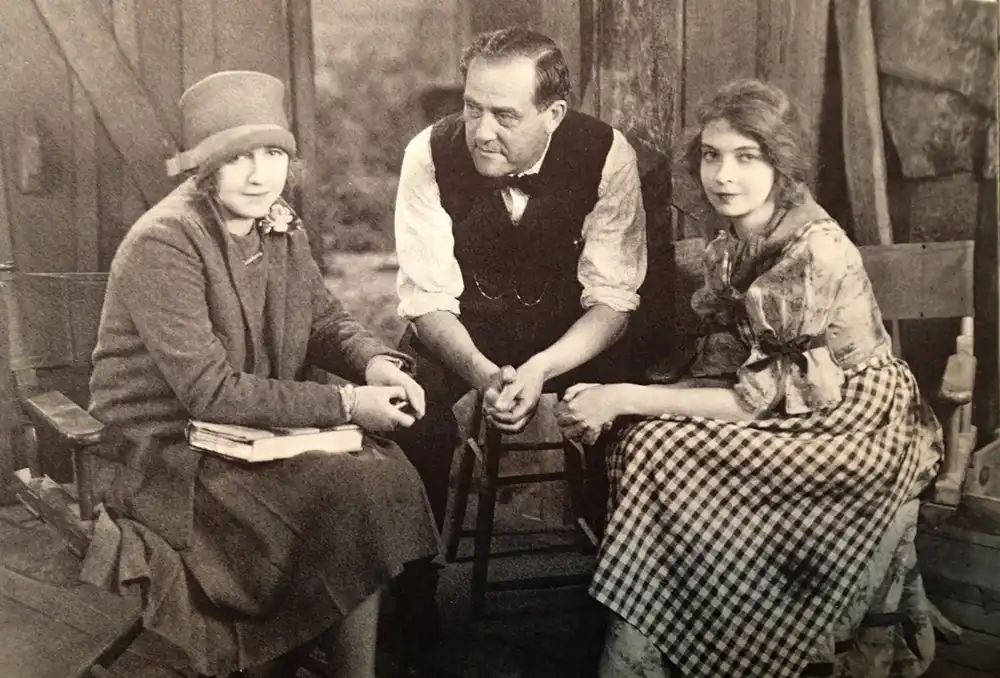
It is well-documented that the original ending of the novel (and the film's intended ending) was much darker. The version that exists today has a more 'Hollywood' resolution. While this does slightly undercut the sheer nihilism of the preceding eighty minutes, it doesn't ruin the film. The final shot of the wind still blowing, indifferent to the human drama that just unfolded, serves as a reminder that nature hasn't been conquered; it's just currently at bay.
The Wind is a rare example of a film where every element—performance, direction, and environment—works in perfect, albeit terrifying, harmony. It’s a reminder that before cinema became obsessed with dialogue, it was a medium of pure, visual sensation. If you want to see a film that treats the landscape as a monster and a woman's psyche as a battlefield, this is essential viewing. It’s a gritty, sand-blasted classic that feels as alive today as it did in 1928.
IMDb 6.7
1923
Community
Log in to comment.