DbcultAccessing Vault...
6.5/10
Senior Film Conservator
A definitive 6.5/10 rating for a film that redefined the boundaries of cult cinema. The Right to a Woman remains a cornerstone of transgressive art.
“The Right to a Woman” is definitely a watch if you’re into digging up old cinema, especially those early, sometimes really clunky, moral dramas. It’s not an easy sit, mind you. Folks who expect quick cuts or modern storytelling will probably be bored stiff. But if you’re patient and curious about how films used to grapple with big ideas about people and society, there's something here.
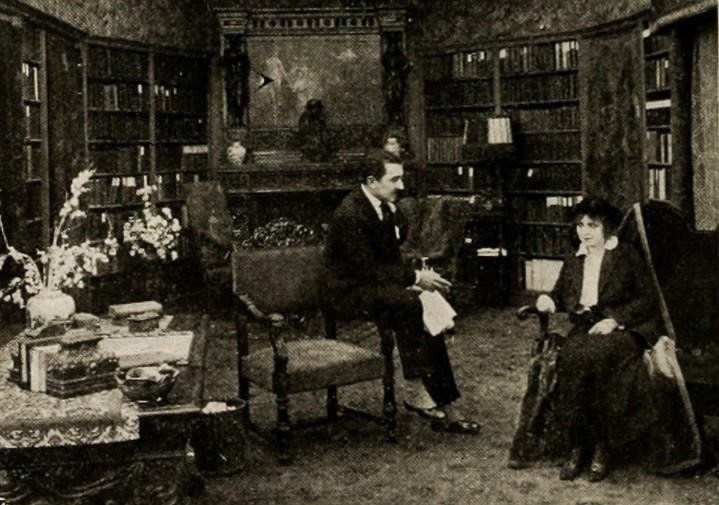
Vladimir Sokirko plays... well, he plays a type. His character, let's call him The Petitioner, spends a lot of time looking stressed. There’s this one scene in what looks like a magistrate's office, and the camera just sits on his face for what feels like an eternity. He's doing this very slow, deliberate eyebrow raise, then a subtle clench of the jaw. You can almost feel the director telling him, "More feeling, Vladimir, more!" It's quite something. 😬
Taisiya Zlatogorova, as the titular woman, has a much harder job. She often stands still, looking vaguely pained or resolute, depending on the shot. Her dress, though – that was interesting. A pale, almost washed-out blue, but the fabric seemed to catch the light in a way that made it feel much more alive than her character often did. A strange detail to notice, I guess, but it stuck with me.
The film's pacing is… deliberate. Sometimes you get a rush of title cards explaining everything, then a long stretch of just watching people react slowly. There's a sequence where Ivan Skuratov, playing a rival or maybe a lawyer, paces back and forth across a room. He does it like three or four times. Each pass is exactly the same speed. You start counting.
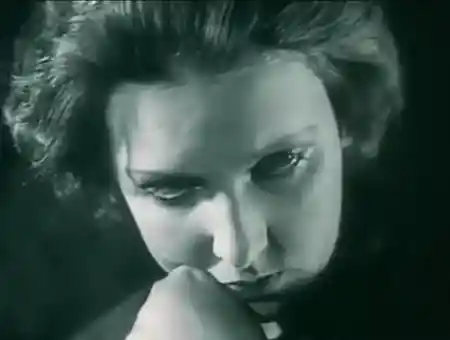
There's this moment, late in the film, where Tatyana Mukhina's character, who seems to be a sort of maternal figure, just stares at the camera after a particularly harsh title card. The card reads something like: "Her fate was sealed by the laws of men." And Mukhina just holds that gaze. No tears, no big expression. Just… understanding. It was actually quite powerful, really. Less is often more in these older films.
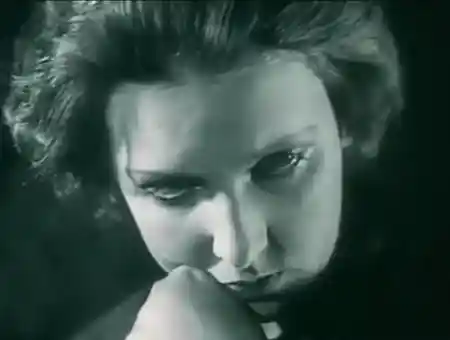
You know, for a film so focused on its central premise, there are a lot of shots of just… scenery. Rolling hills, a river, a bird flying past. It breaks things up, but also makes you wonder if they were padding for time. Or maybe just showing off the cinematography? Hard to tell sometimes.
Skuratov's character, his constant shifting from one foot to the other when he's talking to Sokirko's character. It’s a very specific tic. Maybe it was meant to show nervousness, but it just looks like he needs to use the restroom after a while. A bit distracting, honestly.
If this was a silent film with a live score, I imagine the piano player would have had a field day with all the dramatic stares. If it's early sound, the crackle and hiss actually add to the mood, weirdly enough. It gives everything a sort of distant, haunted quality.
The way the light falls through that one window in the main house set. It just hits the dust motes perfectly. It makes the room feel so heavy, like a really old painting.
Ultimately, "The Right to a Woman" feels less like a narrative journey and more like a series of tableaux designed to make you think about its title. It doesn't offer easy answers, which is probably its strongest point. It just puts these characters, these situations, right there in front of you.
IMDb —
1920
Community
Log in to comment.