DbcultAccessing Vault...
7.2/10
Senior Film Conservator
A definitive 7.2/10 rating for a film that redefined the boundaries of cult cinema. Sheba remains a cornerstone of transgressive art.
The silent era, often mischaracterized as merely a precursor to sound, frequently delivered narratives of profound emotional depth and startling social commentary. Among these, Sheba (1919) stands as a testament to the period’s capacity for raw, heart-wrenching drama, a film that, even a century later, still resonates with its exploration of trust, betrayal, and the devastating impact of deceit. This cinematic endeavor, penned by the insightful duo Blanche MacIntosh and Rita, plunges headfirst into a young woman's idyllic world, only to systematically dismantle it with a revelation that is both crushing and, tragically, irreversible.
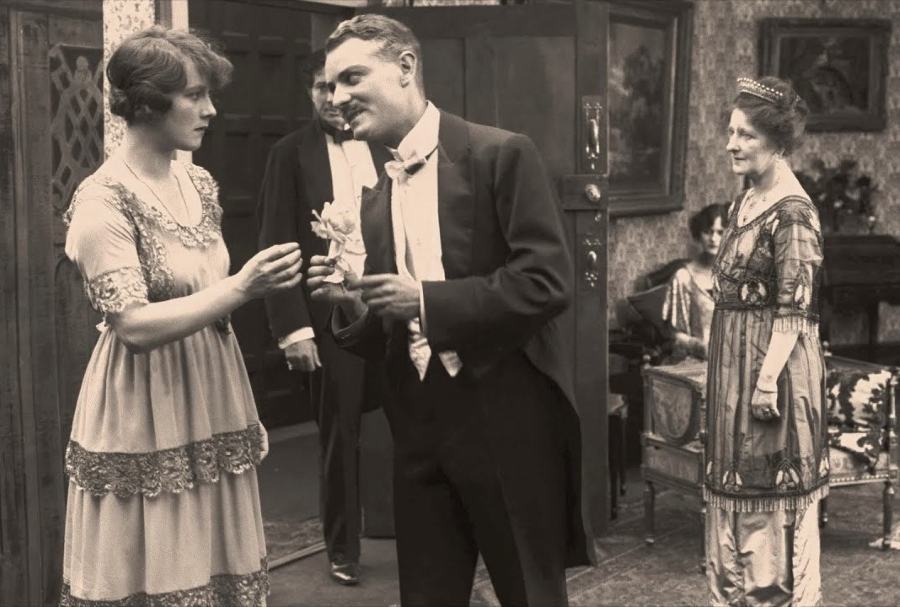
At its core, Sheba unravels the story of a naïve protagonist, portrayed with exquisite vulnerability by Eileen Dennes, whose life takes an unforeseen turn when she falls under the spell of a celebrated opera singer. Ronald Colman, in an early but impactful role, embodies this man of art and allure, whose charm is as undeniable as his hidden transgressions are profound. The initial sequences paint a picture of burgeoning romance, of a love affair that seems destined for a storybook ending. The cinematography, though limited by the technology of its time, skillfully captures the budding affection, hinting at a future brimming with promise. There’s a palpable sense of joyous anticipation as Dennes’s character prepares for a life of marital bliss, believing wholeheartedly in the man she has chosen.
However, the narrative’s true power lies in its gradual, agonizing pivot towards inevitable heartbreak. The audience, perhaps more privy to the impending doom than the protagonist herself, watches with a growing sense of dread as the wedding bells toll. The ensuing discovery—that the dashing opera singer is already, irrevocably, married to another—is delivered with a gut-wrenching force that transcends the lack of spoken dialogue. It's a moment of shattering realization, rendered through Dennes's expressive face and body language, a silent scream of betrayal that echoes through the frames. This is not merely a plot twist; it is an emotional earthquake, shaking the very foundations of her existence and leaving her adrift in a sea of public shame and private anguish. The writers, MacIntosh and Rita, demonstrate a keen understanding of the psychological toll such a deception would exact, crafting a scenario that is as morally complex as it is emotionally devastating.
Eileen Dennes's performance is, without hyperbole, a masterclass in silent film acting. She navigates the emotional landscape of her character with remarkable grace and intensity, transitioning from innocent joy to profound despair. Her eyes, often wide with hope or clouded with tears, convey more than any intertitle could. The subtle quiver of her lip, the hesitant retreat of her body, the crushing weight of realization – every gesture speaks volumes. It’s a performance that draws the viewer deep into her suffering, fostering an empathy that few films, even today, manage to achieve with such raw honesty. Much like the quiet dignity and inner turmoil explored in The Soul of a Child, Dennes's portrayal here delves into the scarring of a young spirit, albeit through a different crucible of pain.
Ronald Colman, even in this relatively early stage of his illustrious career, exhibits an innate magnetism that makes his character's duplicity all the more insidious. He is charming, yes, but there's a subtle undercurrent of something less honorable beneath the surface, a hint of the rogue that makes his eventual exposure all the more impactful. His performance relies on understated gestures and a captivating screen presence, allowing the audience to understand both the allure that captivated the protagonist and the moral failings that ultimately undo him. The dynamic between Dennes and Colman is crucial, and they manage to build a believable, if ultimately tragic, connection that makes the betrayal sting even harder. Their on-screen chemistry, though brief in its innocent form, lays the groundwork for the ensuing devastation.
The supporting cast, including Eric Barker, Jacky Craine, Gerald Ames, James Carew, Lionelle Howard, Mary Dibley, Alma Taylor, and Diana Carey, provide a solid framework for the central drama. While their roles might be less prominent, their presence contributes to the societal backdrop against which the protagonist's tragedy unfolds. They represent the world that will inevitably judge and condemn, highlighting the severe social ramifications of bigamy in the early 20th century. The film subtly critiques the hypocrisy of a society that might condemn the victim as much as, if not more than, the perpetrator, a theme echoed in the moral quagmires of films like Her Reckoning, where characters also face intense societal judgment for their circumstances.
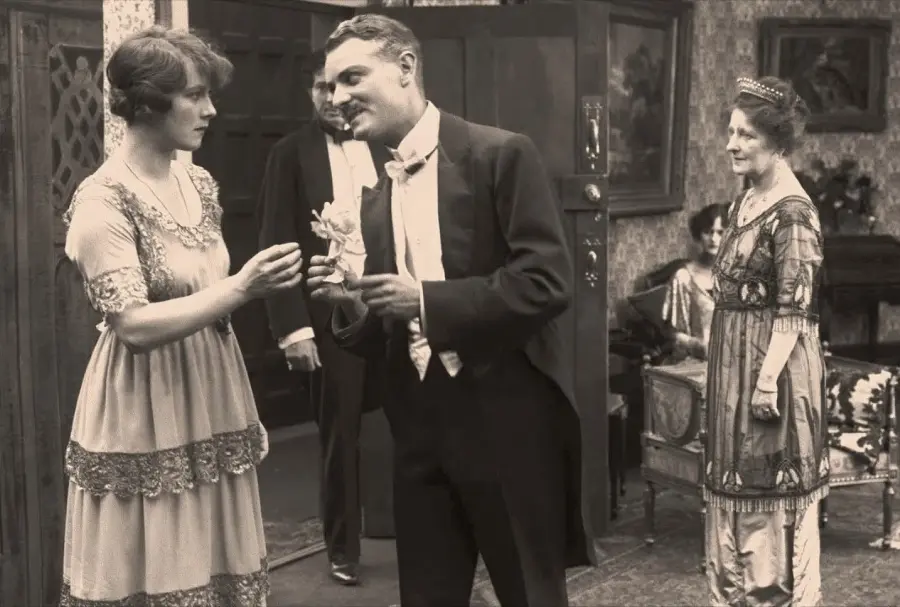
The directorial choices throughout Sheba are particularly noteworthy for their ability to convey complex emotions and narrative progression without spoken words. The use of close-ups on Dennes's face during moments of emotional turmoil is particularly effective, drawing the viewer into her internal struggle. The pacing, though deliberate, never feels slow; instead, it allows the emotional beats to land with maximum impact. The visual storytelling techniques employed here are a masterclass in silent cinema, demonstrating how much can be communicated through careful composition, lighting, and, most importantly, the nuanced performances of the actors. One cannot help but draw parallels to the powerful, wordless narratives of desperation found in European silent films like En hjemløs Fugl or the stark realism of Dødsklippen, where human emotion is the primary language.
Beyond the immediate heartbreak, Sheba delves into deeper thematic territory. It’s a poignant examination of the fragility of trust, the devastating consequences of a lie, and the often-unforgiving nature of societal expectations. The film doesn't shy away from depicting the harsh realities faced by women who found themselves in such compromising positions during that era. The protagonist’s loss isn't just one of love, but of status, reputation, and perhaps even her sense of self. The narrative arc, while tragic, serves as a powerful cautionary tale about appearances versus reality, and the hidden dangers that lurk beneath the surface of seemingly perfect lives. This exploration of hidden dangers and their unraveling echoes the suspenseful revelations in films like Sealed Orders, where secrets inevitably come to light with dire consequences.
The screenplay by Blanche MacIntosh and Rita is remarkably sophisticated for its time, eschewing simplistic melodrama for a more nuanced exploration of human frailty and resilience. They craft a story that feels authentic, even as it tugs relentlessly at the heartstrings. The unfolding of the plot is meticulously orchestrated, building tension and anticipation before delivering its crushing blow. Their writing ensures that the characters, even the deceitful opera singer, are not mere caricatures but complex individuals driven by desires and flaws. The moral ambiguity of some situations, particularly the opera singer's motivations, adds layers to the narrative, preventing it from becoming a straightforward tale of good versus evil. It’s this intricate character work that elevates Sheba beyond a simple dramatic exposé.
The film's exploration of bigamy, a taboo subject, is handled with a sensitivity that belies the sensational nature of the plot. Instead of exploiting the scandal, the film focuses on the human cost, particularly on the innocent party caught in the web of deceit. It prompts reflection on the legal and emotional implications of such a crime, not just for the individuals involved but for the broader community. In an era where a woman's reputation was paramount, the discovery of a bigamous marriage could be utterly ruinous, stripping her of social standing and future prospects. This societal pressure and the struggle for personal integrity against overwhelming odds can be seen as a precursor to the battles for justice and identity explored in later works like The Desired Woman or the more direct challenges to authority in Barbarous Mexico, albeit in vastly different contexts.
The enduring appeal of Sheba lies in its timeless themes. The pain of betrayal, the search for truth, and the struggle for dignity in the face of adversity are universal human experiences. While the specific social context of bigamy has evolved, the emotional core of the story remains powerfully resonant. It reminds us that appearances can be deceiving, and that the most profound wounds are often inflicted by those we trust the most. The film serves as a potent reminder of the silent era's capacity for sophisticated storytelling and profound emotional impact, demonstrating that the absence of spoken dialogue did not equate to a lack of narrative depth or emotional nuance. Its ability to evoke such strong feelings through purely visual means is a testament to the artistry of its creators and performers.
The film's impact is not just historical; it remains a poignant viewing experience. It invites us to consider the ethical dimensions of relationships, the societal pressures that shape individual choices, and the long shadow cast by dishonesty. The performances, particularly from Dennes, are etched into the memory, leaving a lasting impression of a spirit broken but perhaps, eventually, resilient. In an age of rapid information and instant gratification, Sheba offers a powerful counterpoint, a slow burn of human drama that unfolds with deliberate, devastating precision. It stands as a powerful example of how the silent screen could articulate the most complex human emotions with an eloquence that often surpasses dialogue-heavy productions. Its narrative of shattered illusions and the search for authentic selfhood against a backdrop of deceit makes it a compelling watch, securing its place as a significant piece of early cinema that continues to provoke thought and stir the soul. The tragic unfolding of fate and the weight of moral choices here can be seen as a thematic cousin to the profound ethical questions raised in films like The Might of Gold, where characters also grapple with the consequences of their actions and desires.
Ultimately, Sheba is more than just a historical curiosity; it is a vibrant, albeit somber, work of art that captures the essence of human vulnerability and the enduring power of truth. Its legacy lies not just in its pioneering techniques but in its timeless depiction of a woman's journey through the crucible of betrayal, a narrative that, even a century removed, retains its sharp, poignant edge. The film’s exploration of loyalty, or rather, the profound absence of it, strikes a chord that resonates with the core human desire for genuine connection and fidelity, a theme often explored in direct opposition to the premise of films like Loyalty.
IMDb 6
1934
Community
Log in to comment.