DbcultAccessing Vault...
Cult Review
Senior Film Conservator
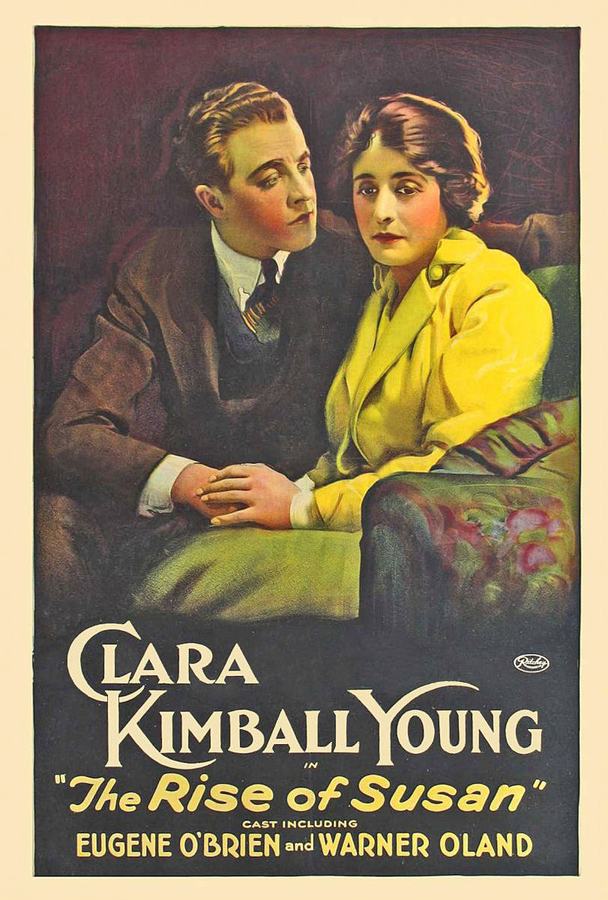
The year 1916 was a watershed moment for the cinematic medium, a period where the grammar of visual storytelling was rapidly evolving from primitive vignettes into the sophisticated, long-form melodramas that would define the silent era. Standing at the epicenter of this metamorphosis was The Rise of Susan, a film that serves as both a showcase for the luminous Clara Kimball Young and a scathing indictment of the American class structure. This isn't merely a story of a shop girl making good; it is a phantasmagoria of social climbing, moral compromise, and the visceral price of authenticity. While contemporary audiences might find the plot’s penchant for tragic coincidence excessive, those with a palate for the Grand Guignol sensibilities of early 20th-century drama will find it an intoxicating experience.
The narrative architecture, penned by the legendary Frances Marion, begins in the claustrophobic confines of Madame Millet’s fashionable shop. Here, Susan is introduced not as a victim, but as a woman of indomitable spirit. Unlike the protagonists in The Flower of Doom, Susan’s struggle is not with the criminal underworld, but with the more insidious predation of the leisure class. When she rejects the advances of Madame’s son, we see the first flicker of the film’s central theme: the collision between personal dignity and economic survival. Susan’s beauty is a commodity, one that Mrs. Luckett, a parvenu of the most desperate variety, is all too eager to exploit.
The transition from milliner to Countess is handled with a deftness that avoids the comedic pitfalls of a typical 'fish out of water' story. Instead, the film leans into the psychological weight of the deception. Mrs. Luckett, played with a brittle, social-climbing fervor, represents a distinct American archetype: the individual so obsessed with status that they view people as mere chess pieces. When the actual Countess fails to appear, Susan’s transformation is not just a change of wardrobe; it is an erasure of her identity. The film subtly suggests that the high society Susan enters is itself a performance, a collection of masks where a poor girl can pass for royalty simply by mimicking the correct gestures.
This theme of artificiality is a common thread in films of this period, such as The Golden Goal, but The Rise of Susan pushes the stakes into the realm of the existential. When Susan’s uncle dies, the last tether to her authentic self is severed. She is no longer Susan; she is the Countess. The tragedy is that her performance is too successful. She captures the heart of Clavering Gordon, a man whose wealth and sincerity make the deception unbearable. Eugene O’Brien brings a grounded, masculine vulnerability to Gordon, making him the perfect foil for Susan’s escalating internal conflict. Their romance is shadowed by the knowledge that it is built on a foundation of mendacity.
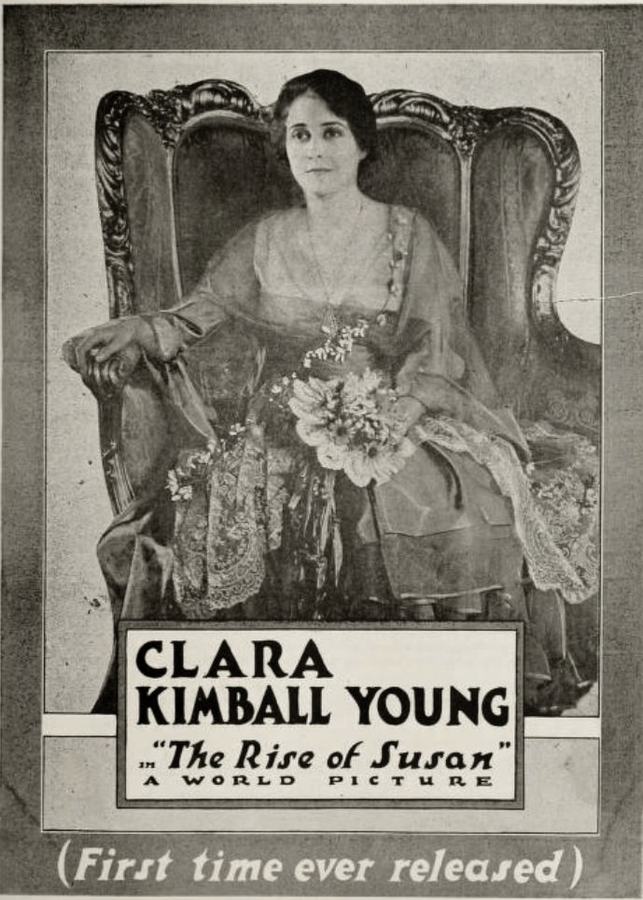
Every great melodrama requires a catalyst for the protagonist’s downfall, and in The Rise of Susan, that role is occupied by the scheming social secretary, La Salle. Played by the formidable Warner Oland, who would later achieve fame as Charlie Chan, La Salle is a master of the low-key menace. His blackmail of Susan is not just about money; it’s about the exercise of power over a woman who has dared to transcend her station. Oland’s performance is a masterclass in silent film villainy—all subtle shifts in posture and predatory glances. He represents the rot at the core of the Luckett household, a man who knows all the secrets and intends to monetize them.
Then there is Ninon, Mrs. Luckett’s daughter. In a move that was shockingly bold for 1916, the film portrays Ninon as a 'confirmed drug fiend.' This subplot elevates the movie from a simple romance to a darker exploration of addiction and moral decay. While The Tarantula dealt with the venom of human nature, The Rise of Susan deals with the chemical erosion of the soul. Ninon is a tragic figure, a woman whose life has been hollowed out by her mother’s ambitions and her own dependencies. The revelation of her addiction serves as the moral pivot for Susan. Does she marry Gordon to save him from a life with Ninon, or does she sacrifice her own happiness to fulfill the 'duty' Mrs. Luckett imposes upon her?
The wedding sequence is the film’s emotional crescendo. As the secretary prepares to expose her, Susan’s decision to confess is a moment of profound catharsis. It is a rejection of the Luckett world and a reclamation of her true self. Her flight from the wedding party into the anonymous life of a nurse mirrors the spiritual journeys found in The White Sister. Susan seeks to wash away the stain of her deception through service and suffering. This shift in the narrative’s tone—from the opulent ballrooms to the sterile, somber corridors of the hospital—is jarring but effective. It underscores the film’s belief in the necessity of atonement.
The cinematography during these nursing sequences takes on a more austere, almost religious quality. Susan is no longer draped in the finery of a Countess; she is clad in the simple, symbolic white of the healer. This period of the film allows Clara Kimball Young to showcase a different facet of her talent—a quiet, luminous altruism that contrasts sharply with the frantic anxiety of the film’s first half. She becomes a secular saint, a role that was highly popular in the suffrage-era cinema, where women were often depicted as the moral compasses of a chaotic world.
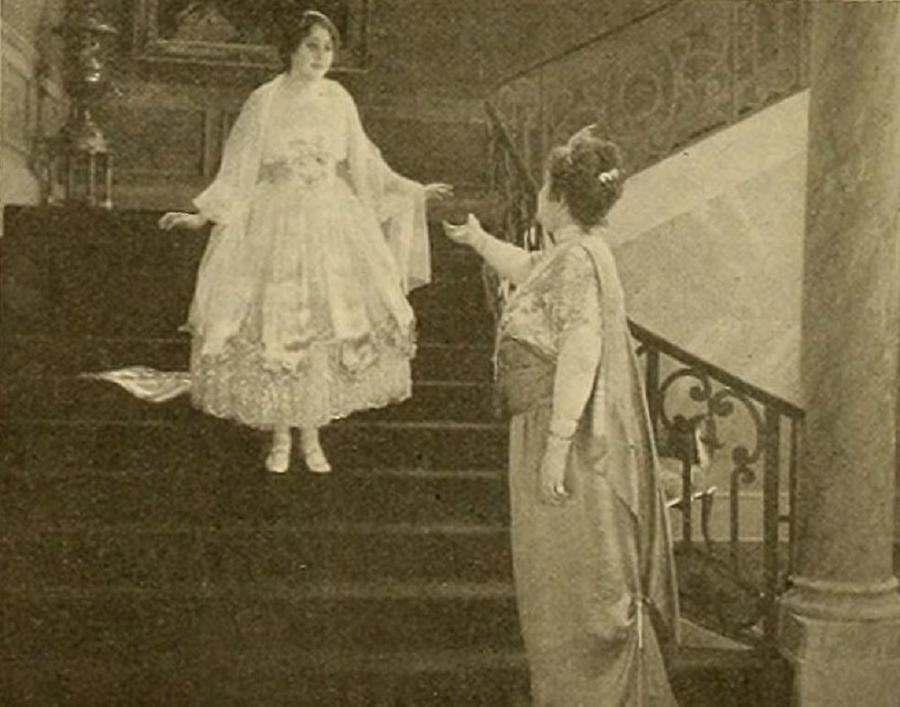
The final act of The Rise of Susan is where the film ventures into truly harrowing territory. The coincidence of Susan being called to nurse the now-shattered Ninon, who is married to Gordon, is the height of melodramatic irony. The confrontation between the two women is a visceral, terrifying sequence. Ninon, driven to a state of drug-induced psychosis, attacks Susan with a pair of scissors. The act of blinding Susan is a brutal, shocking moment that shifts the film into the territory of Greek tragedy. It is a literalization of the theme of 'blind love' and 'blind ambition.'
Ninon’s subsequent suicide, flinging herself from the window, provides a grim resolution to the Luckett saga. It is a fall from grace that is both literal and figurative. The film concludes with a moment of bittersweet transcendence. Gordon and the blinded Susan are reunited, and their marriage is presented as a union of souls rather than appearances. The final hint that Susan’s sight may be restored provides a 'miracle' ending that was almost mandatory for the era, yet it feels earned through the sheer scale of her suffering. Like the protagonists in The Dark Road or Her Soul's Inspiration, Susan must lose everything to find what is truly valuable.
Technically, the film is a testament to the prowess of the World Film Corporation. The sets are lavish where they need to be and starkly realistic elsewhere. The direction manages to keep the complex, multi-layered plot moving at a brisk pace without sacrificing character development. Comparisons can be made to the social realism found in Dust or the high-stakes drama of The Strong Way, but The Rise of Susan possesses a unique, haunting atmosphere that lingers long after the final intertitle.
In the broader context of 1916 cinema, which included works like Professor Nissens seltsamer Tod or the adventurous Fame and Fortune, this film stands out for its emotional depth. It doesn't rely on stunts or exotic locales; it relies on the human face. Clara Kimball Young’s performance is a bridge between the theatricality of the Victorian stage and the nuanced realism of modern cinema. Whether she is the humble shop girl, the radiant fake Countess, or the blinded, selfless nurse, she remains the magnetic core of the film.
Ultimately, The Rise of Susan is a profound meditation on the cost of the American Dream. It asks whether one can truly 'rise' without losing one's soul in the process. It suggests that the only true elevation is moral, not social. For fans of silent film, this is an essential viewing experience, a relic of a time when cinema was unafraid to be both grandly operatic and intimately human. It carries the same weight as the historical epics like Nell Gwynne or the rhythmic beauty of Sonho de Valsa, yet it remains distinctly its own creature—a dark, shimmering jewel of early Hollywood storytelling.

IMDb 7.6
1936
Community
Log in to comment.