DbcultAccessing Vault...
6.9/10
Senior Film Conservator
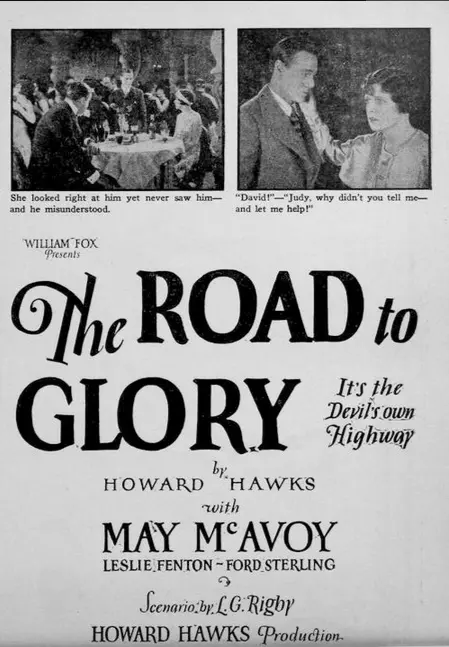
A definitive 6.9/10 rating for a film that redefined the boundaries of cult cinema. The Road to Glory remains a cornerstone of transgressive art.
Is The Road to Glory a hidden gem of the silent era or a dated relic of religious sentiment? Short answer: It is a vital piece of cinematic history for those who want to see the birth of a legendary director, though its heavy-handed pacing requires a patient viewer. This film is for silent cinema purists and historians of the melodrama; it is not for those who demand the cynical, fast-talking energy usually associated with Howard Hawks.
1) This film works because of May McAvoy’s expressive physical performance, which conveys the terror of sudden blindness without the need for intertitles.
2) This film fails because the narrative momentum grinds to a halt in the second act, favoring repetitive prayer sequences over character development.
3) You should watch it if you are interested in the early, experimental phase of Howard Hawks’ career before he became the master of the 'tough guy' genre.
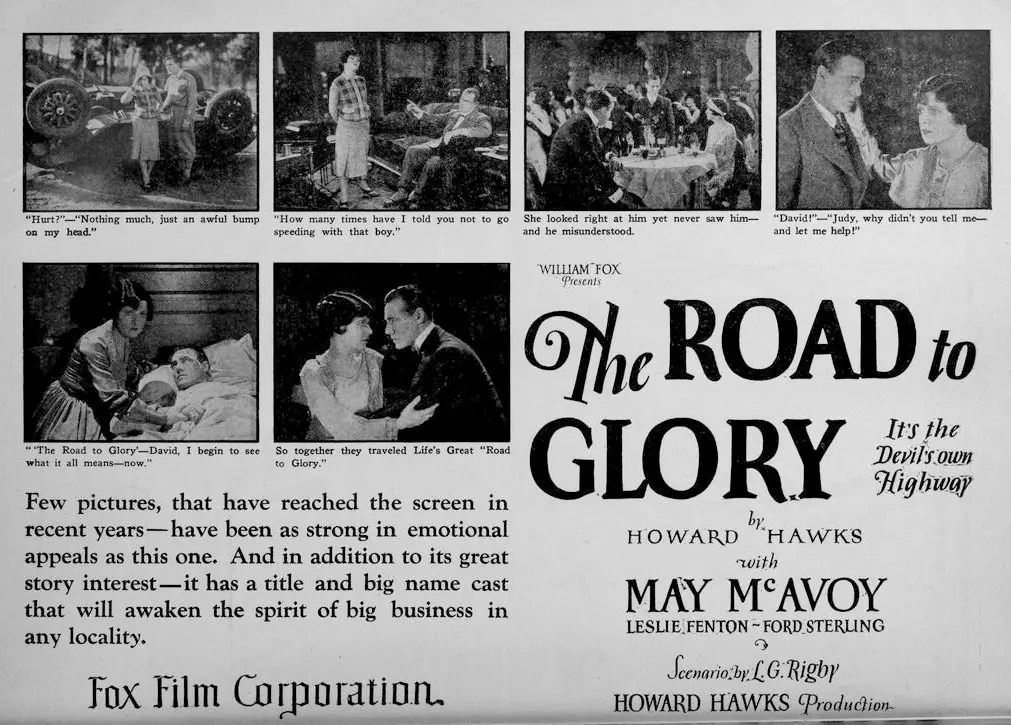
When we think of Howard Hawks, we think of Rio Bravo or His Girl Friday. We think of overlapping dialogue, masculine camaraderie, and a certain lean, muscular approach to storytelling. The Road to Glory (1926) is none of those things. It is a soft, spiritual, and deeply earnest melodrama. It feels more akin to the works of Frank Borzage than the Hawks we know. This is the director in his developmental stage, working with a script by Gordon Rigby that leans heavily into the Victorian sensibilities of 'suffering leading to grace.'
In one particularly striking scene, the camera lingers on Judith’s hands as she navigates her room for the first time after the accident. It is a moment of quiet horror. Unlike the high-society antics found in The Perfect Flapper, this film is grounded in a heavy, almost oppressive atmosphere. The shadows are longer, and the stakes feel more eternal than social. It works. But it’s flawed.
May McAvoy is the heartbeat of this film. Playing a character who loses her sight requires a specific type of physical geometry. She doesn't just look away; she looks through the other actors. Her performance is a masterclass in silent era vulnerability. When she is compared to the performances in Miss Nobody, McAvoy displays a much more nuanced psychological interiority. She isn't just a victim; she is a woman in a state of spiritual rebellion.
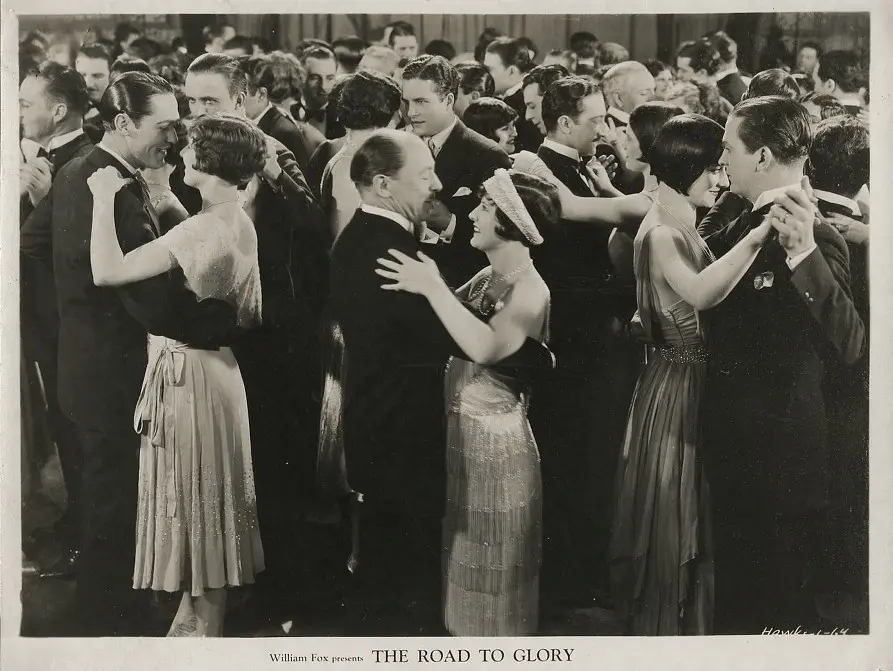
The supporting cast is equally fascinating, if underutilized. A very young Carole Lombard appears here, and even in this early role, her screen presence is undeniable. She possesses a naturalism that contrasts sharply with the more theatrical style of Rockliffe Fellowes. Leslie Fenton, too, brings a jagged energy to his scenes, providing a necessary friction to the film’s more saintly aspirations. It is a cast that feels modern, even if the plot feels ancient.
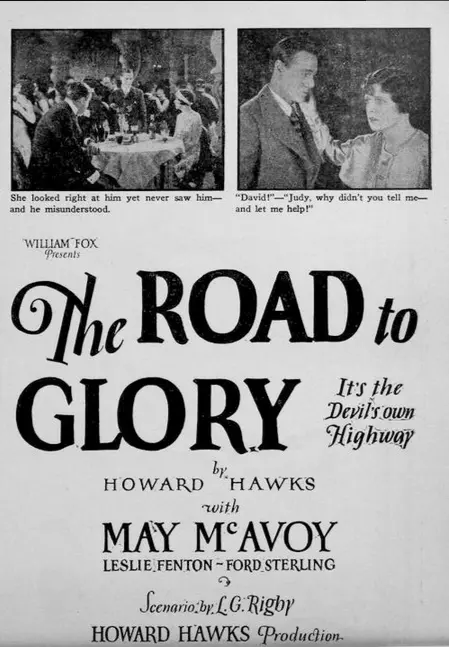
How do you show blindness in a silent medium? Hawks and his cinematographer use light as a weapon. In the scenes following the accident, the lighting becomes harsh and overexposed, as if the world is bleaching out Judith’s memory of it. This is a sophisticated visual metaphor for 1926. It reminds one of the atmospheric tension in The Moonstone, where the environment itself seems to conspire against the protagonist.
The accident itself is staged with a surprising amount of grit. Silent films often sanitized violence, but here, the impact feels heavy. The aftermath, where Judith wakes up in a world of silence and shadow, is directed with a restraint that Hawks would later perfect in his action films. He doesn't cut away from the pain. He forces the viewer to sit in the darkness with Judith.
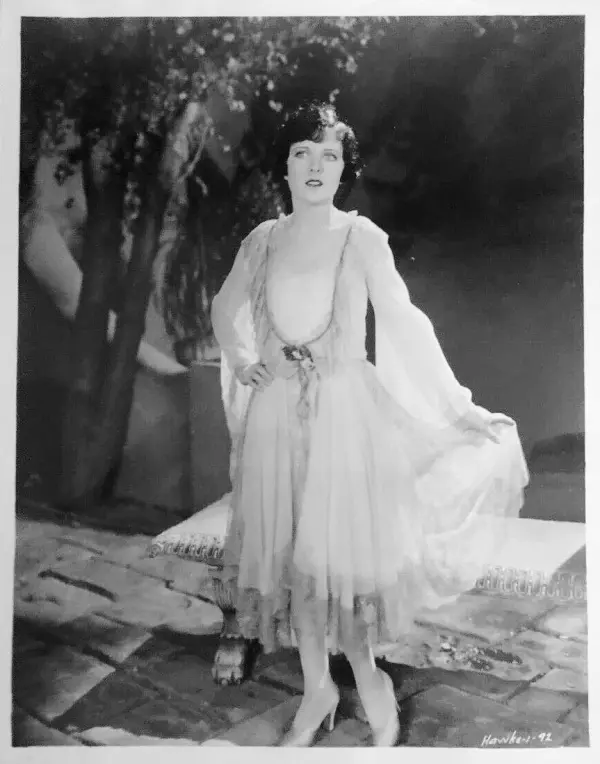
Yes, but only if you view it as a historical artifact. For the modern viewer, the reliance on prayer as a narrative 'deus ex machina' might feel unearned. However, as a study of 1920s morality and the early technical skill of a master director, it is indispensable. It lacks the cynical edge of Scandal, but it replaces that edge with a genuine, if naive, heart.
The resolution of the film is its most debatable element. Without spoiling the specifics, the film’s commitment to its religious themes leads to a conclusion that modern audiences might find simplistic. But in the context of 1926, this was the 'Road to Glory' promised by the title. It was a cinema of reassurance. It is a stark contrast to the more grounded realism of Jes' Call Me Jim.
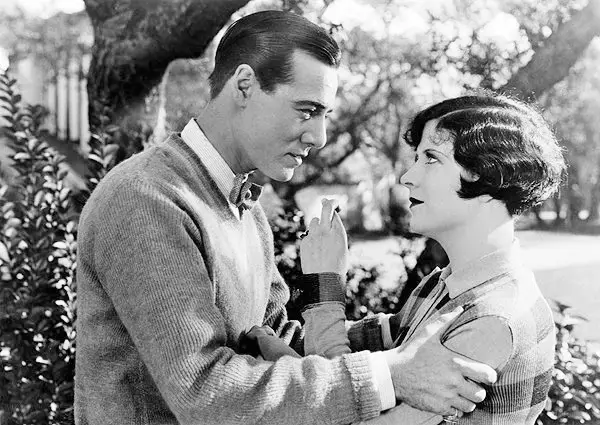
Pros:
Cons:
One of the most surprising observations about The Road to Glory is how it treats the camera as a spiritual observer. There are moments where the camera moves with a fluidity that suggests a presence beyond the characters. This isn't the static, stagey filming found in Lady Hamilton. Hawks was already experimenting with how the camera could dictate the emotional temperature of a scene. The faith is the point, but the technique is the hook.
Even when the script falters—and it does—the visual composition remains strong. Consider the scene where Judith is at her lowest point, contemplating her future. The way Hawks positions her in the frame, isolated and small against the architecture of her home, tells us more about her loneliness than any intertitle ever could. It is a visual language that transcends the specific religious message of the film.
"The Road to Glory is a fascinating failure. It fails to be a great Hawks film, but it succeeds in being a poignant time capsule of an era that believed cinema could heal the soul."
When compared to other films of the period like The Cricket on the Hearth, Hawks' film feels more modern in its technical execution even if its heart is firmly in the past. It doesn't have the whimsical charm of Dickens, but it has a raw, American earnestness that is hard to ignore. The film demands that you take its protagonist's pain seriously, and for the most part, it succeeds in that demand.
The Road to Glory is a 6/10 for the casual viewer but an 8/10 for the film historian. It is a clunky but sincere exploration of tragedy and recovery. While it lacks the 'Hawksian' wit we would come to love in the 1930s, it possesses a quiet dignity that is rare in the often-bombastic world of silent melodrama. It is a film about the internal light. It is flawed, but its flickering beauty is undeniable. If you have any interest in the evolution of American cinema, you cannot afford to skip this chapter of the Hawks story.
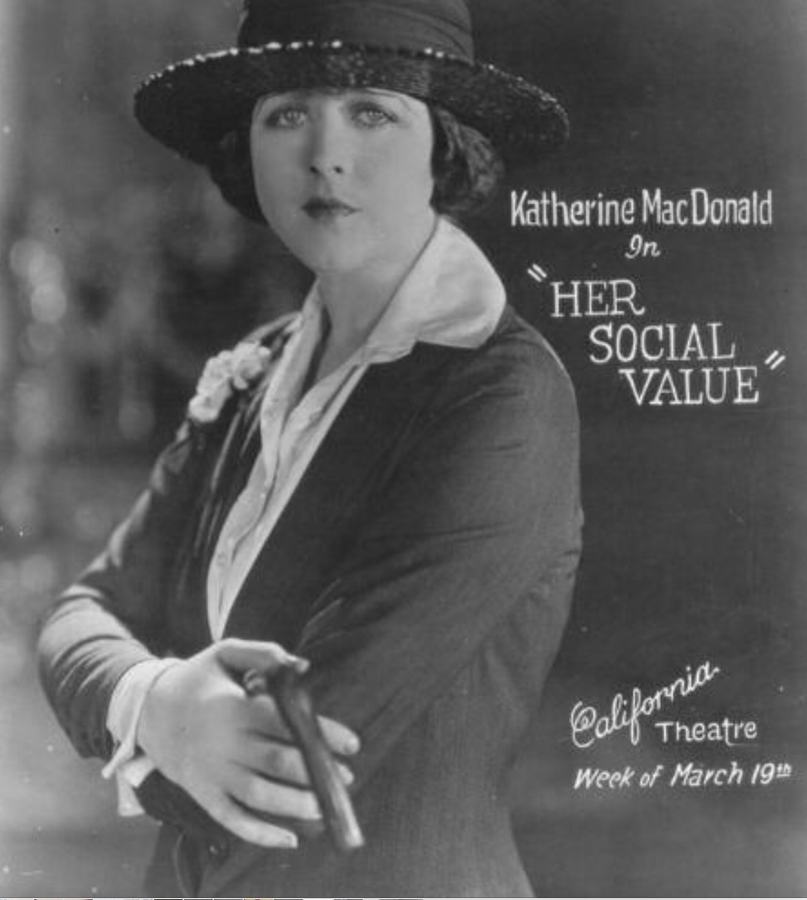
IMDb —
1921
Community
Log in to comment.