DbcultAccessing Vault...
6.3/10
Senior Film Conservator
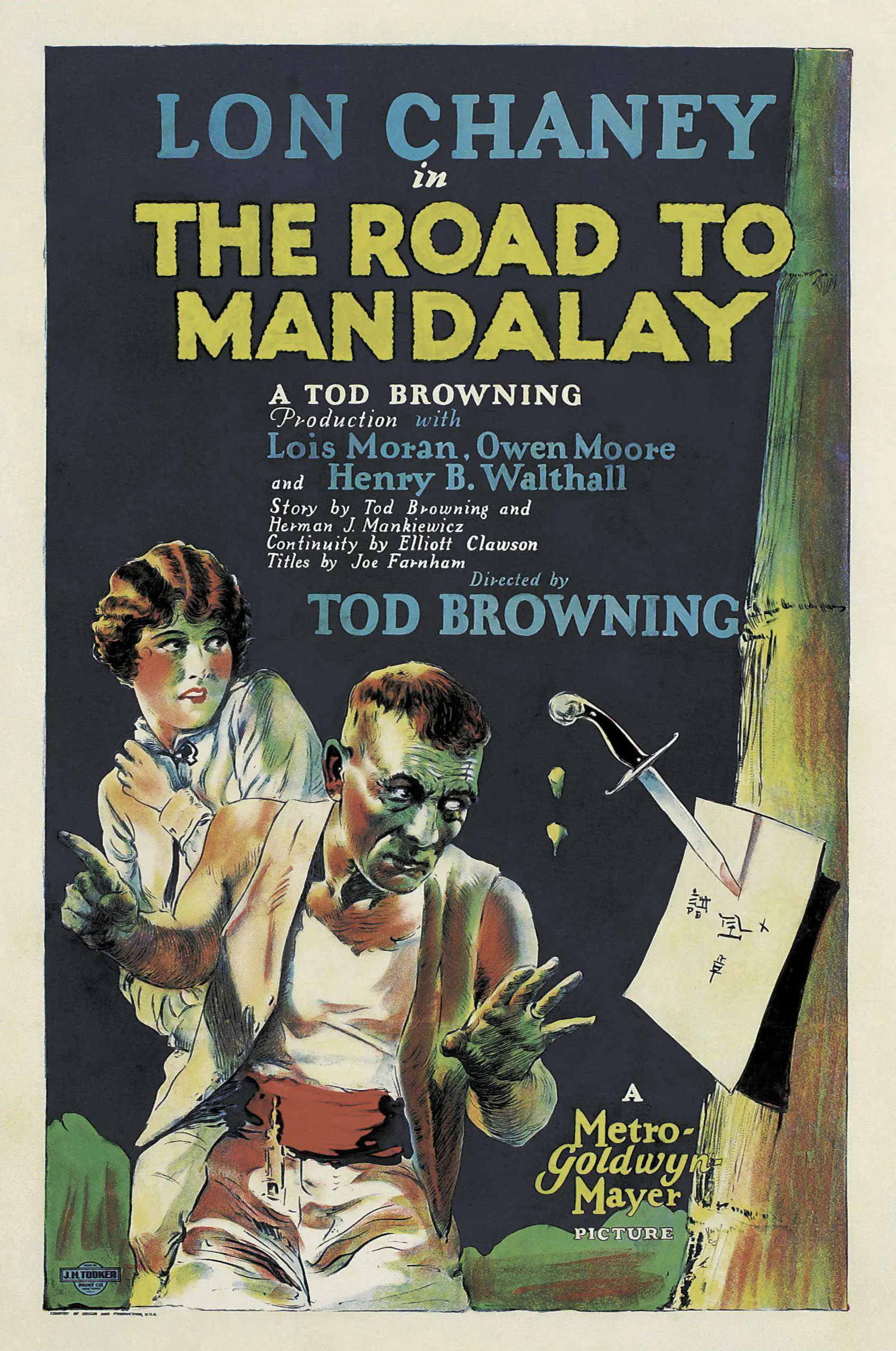
A definitive 6.3/10 rating for a film that redefined the boundaries of cult cinema. The Road to Mandalay remains a cornerstone of transgressive art.
Short answer: yes, but only if you have a tolerance for the grim and the grotesque. This film is a mandatory watch for fans of early psychological horror and the Browning-Chaney partnership, but it is definitely not for those seeking a lighthearted silent-era adventure or a coherent, fast-paced plot.
1) This film works because Lon Chaney’s physical commitment to the role of 'The Admiral' creates a sense of genuine, uncomfortable tragedy that few actors of any era could replicate.

2) This film fails because the narrative relies on an exhausting number of coincidences and a middle act that feels like it is treading water in the Singapore humidity.
3) You should watch it if you want to see the DNA of the modern anti-hero being formed in a crucible of 1920s grime and melodrama.
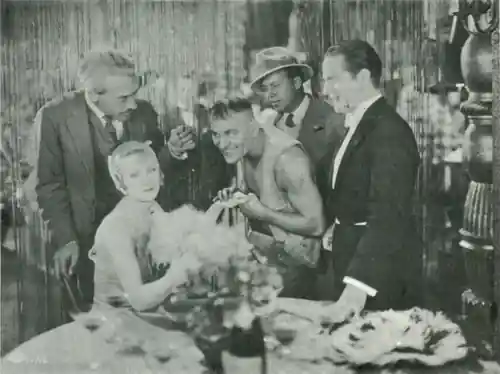
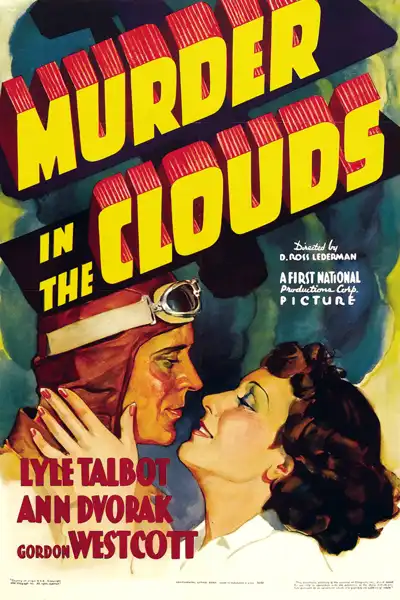
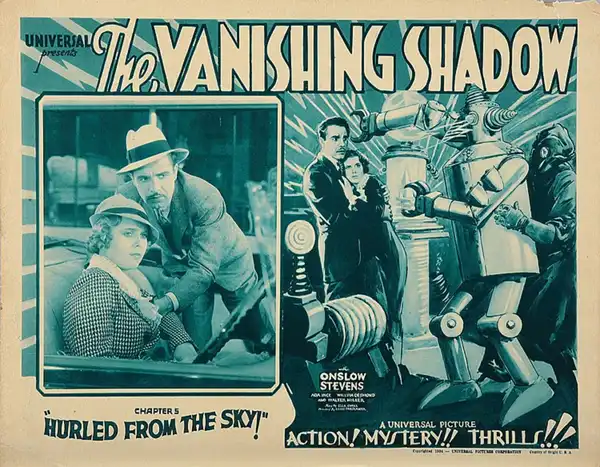
Tod Browning’s 1926 effort, The Road to Mandalay, is a fascinating, if jagged, piece of cinematic history. It doesn't possess the polished narrative flow of something like Pals First, nor does it have the high-flying spectacle of Trapped in the Air. Instead, it offers a claustrophobic, dirty, and deeply cynical look at a man trying to claw his way back to a morality he threw away twenty years prior. The setting isn't the romanticized East of travelogues; it is a series of smoke-filled rooms and damp alleys that mirror the Admiral’s own internal decay.
Lon Chaney, the 'Man of a Thousand Faces,' delivers a performance that is physically demanding to even look at. Using spirit gum and fish skin to cloud his eye, he creates a visage that suggests a man who has seen too much and done even more. When we first see him in the Singapore brothel, he isn't just a villain; he is a ghost haunting his own life. The way he moves—heavy, deliberate, and always slightly hunched—conveys a weight of guilt that dialogue would only cheapen. It is a masterclass in silent acting that makes modern 'gritty' performances look sterile by comparison.
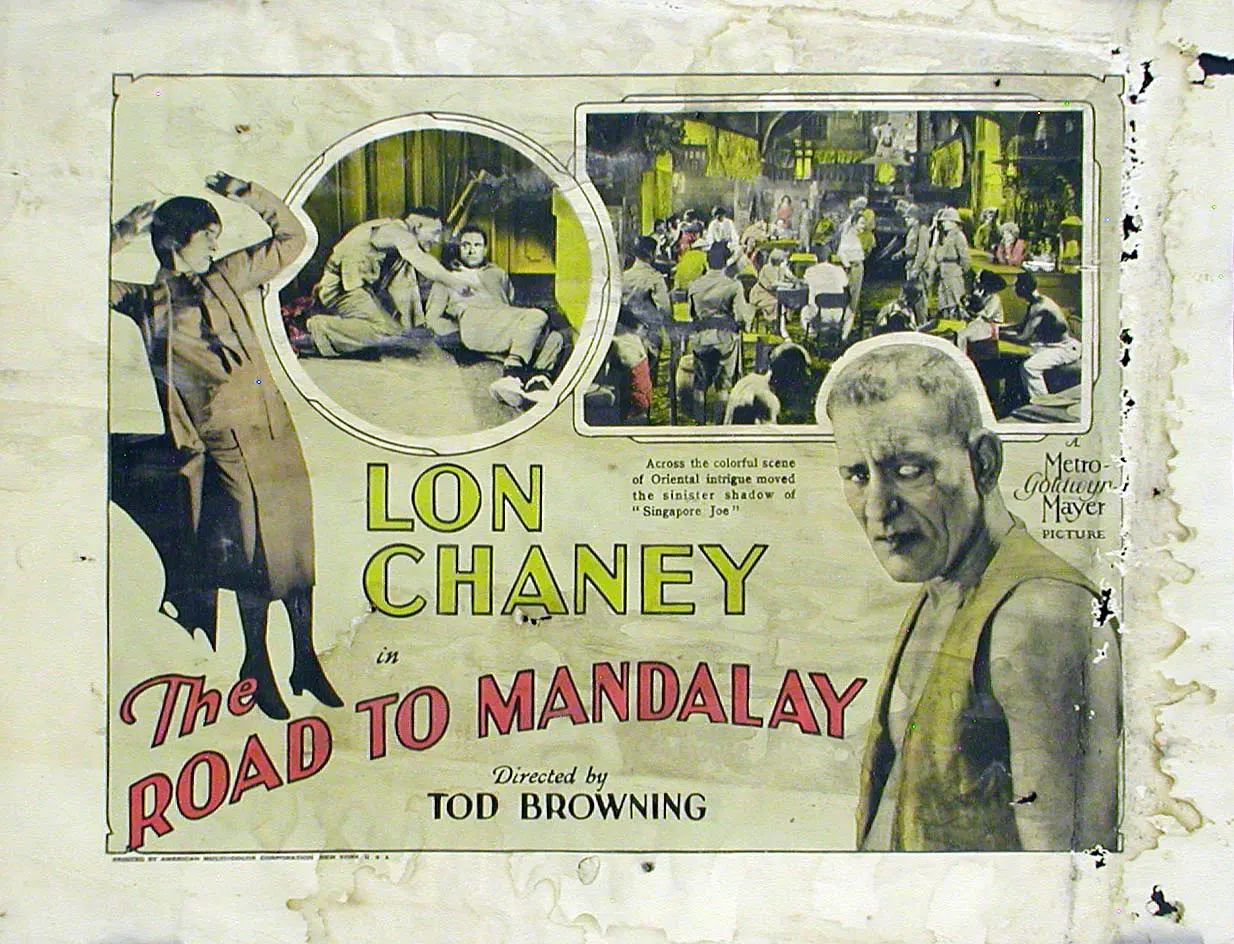
Browning was obsessed with the idea of the 'beautiful soul trapped in a hideous body.' We see echoes of this in many of his works, but here, the dynamic is inverted. The Admiral isn't a good man with a bad face; he is a bad man who realizes, far too late, that he wants to be good for the sake of his daughter. This creates a tension that drives the film forward, even when the script by Herman J. Mankiewicz and Elliott J. Clawson starts to fray at the edges.
The film’s portrayal of the East is, predictably, filtered through a 1920s lens of 'Orientalism.' However, the inclusion of Sôjin Kamiyama as English Charlie Wing adds a layer of genuine menace. While the film occasionally dips into the tropes seen in Mystic Faces, Browning’s Singapore feels more lived-in and dangerous. The shadows are deeper, the stakes feel more personal, and the air feels thicker. You can almost smell the opium and the salt water.
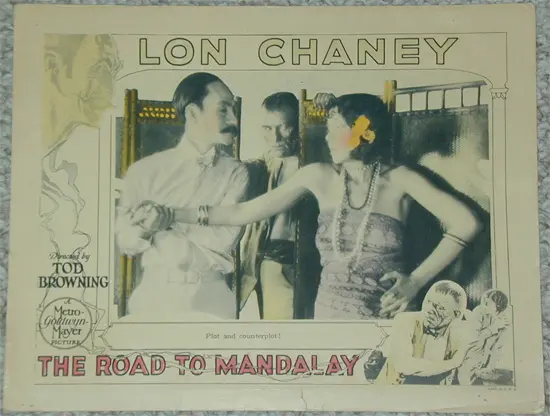
It is easy to dismiss the plot as a standard melodrama. The 'lost daughter' trope was already old when the film was released. Yet, the film elevates itself through its sheer commitment to the Admiral's suffering. There is a specific scene where the Admiral watches Rosemary from behind a curtain while she interacts with Joe. The camera lingers on Chaney’s face—half in shadow, half illuminated—as he oscillates between fatherly pride and murderous jealousy. It is a terrifying moment. It works. But it’s flawed.
The pacing is where the film struggles most. At times, it feels like a short story stretched to feature length. There are sequences in the middle of the film that feel repetitive, almost as if Browning was waiting for the sun to go down so he could film more night scenes. If you compare this to the tight editing of Felix Goes West, the difference in narrative economy is staggering. Browning wants you to linger in the discomfort, but sometimes the discomfort just turns into boredom.
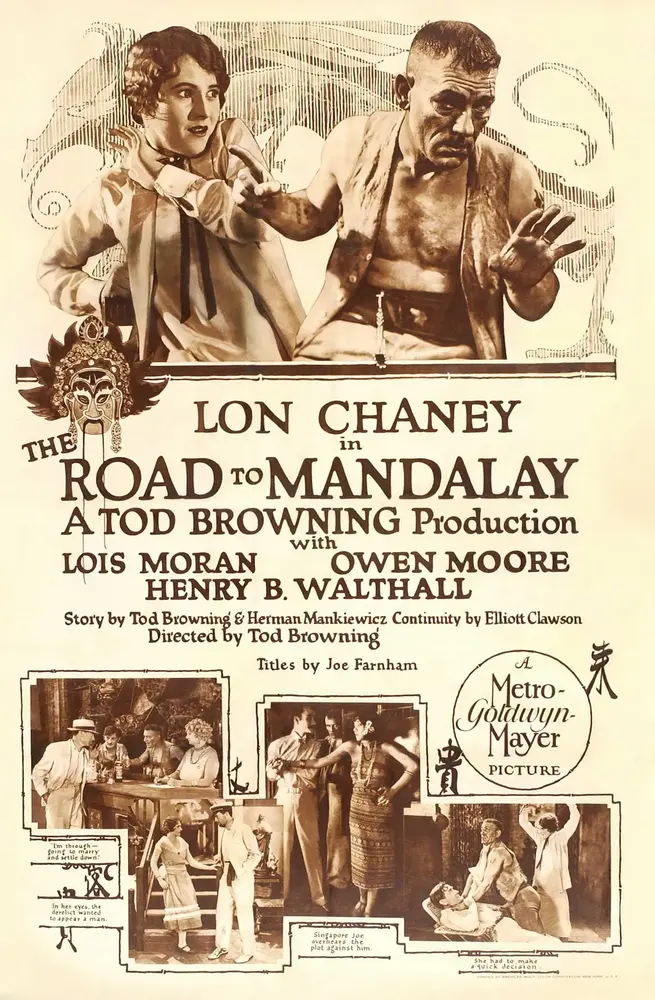
The cinematography is surprisingly modern in its use of light. The way the light hits the water in the harbor scenes creates a shimmering, ethereal quality that contrasts sharply with the grubbiness of the Admiral’s hideout. It reminds me of the atmospheric work in The Sea Master, but with a more sinister edge. The use of close-ups is particularly effective here. Browning knows that Chaney’s face is his greatest special effect, and he isn't afraid to fill the frame with it.
The editing, however, is a bit of a mixed bag. Some transitions are jarring, and the geography of the Singapore docks can be confusing. One moment we are in a high-end shop, and the next, we are in a subterranean den with no clear indication of how the characters moved between them. This lack of spatial clarity occasionally pulls the viewer out of the experience.
For any serious student of cinema, the answer is a resounding yes. The Road to Mandalay serves as a crucial bridge between the Victorian melodramas of the early 1910s and the psychological noir of the 1940s. It captures a moment in time when film was discovering how to portray complex, irredeemable characters. While it may not be as structurally sound as some of its contemporaries, its emotional core is undeniably powerful.
The Road to Mandalay is not a perfect film, but it is a potent one. It is a story about the scars we carry—both literal and metaphorical—and the realization that some bridges can never be rebuilt. Chaney’s Admiral is one of the most tragic figures of the silent era, a man who is his own worst enemy and his daughter’s secret guardian. It’s ugly, it’s sweaty, and it’s occasionally brilliant. It is a film that refuses to play nice, and in the world of 1926 cinema, that makes it a rare and valuable artifact. If you can move past the dated elements, you will find a story that still has the power to unsettle. It is a dark journey, but one worth taking for the performance at its center alone.
IMDb —
1931
Community
Log in to comment.