DbcultAccessing Vault...
Cult Review
Senior Film Conservator
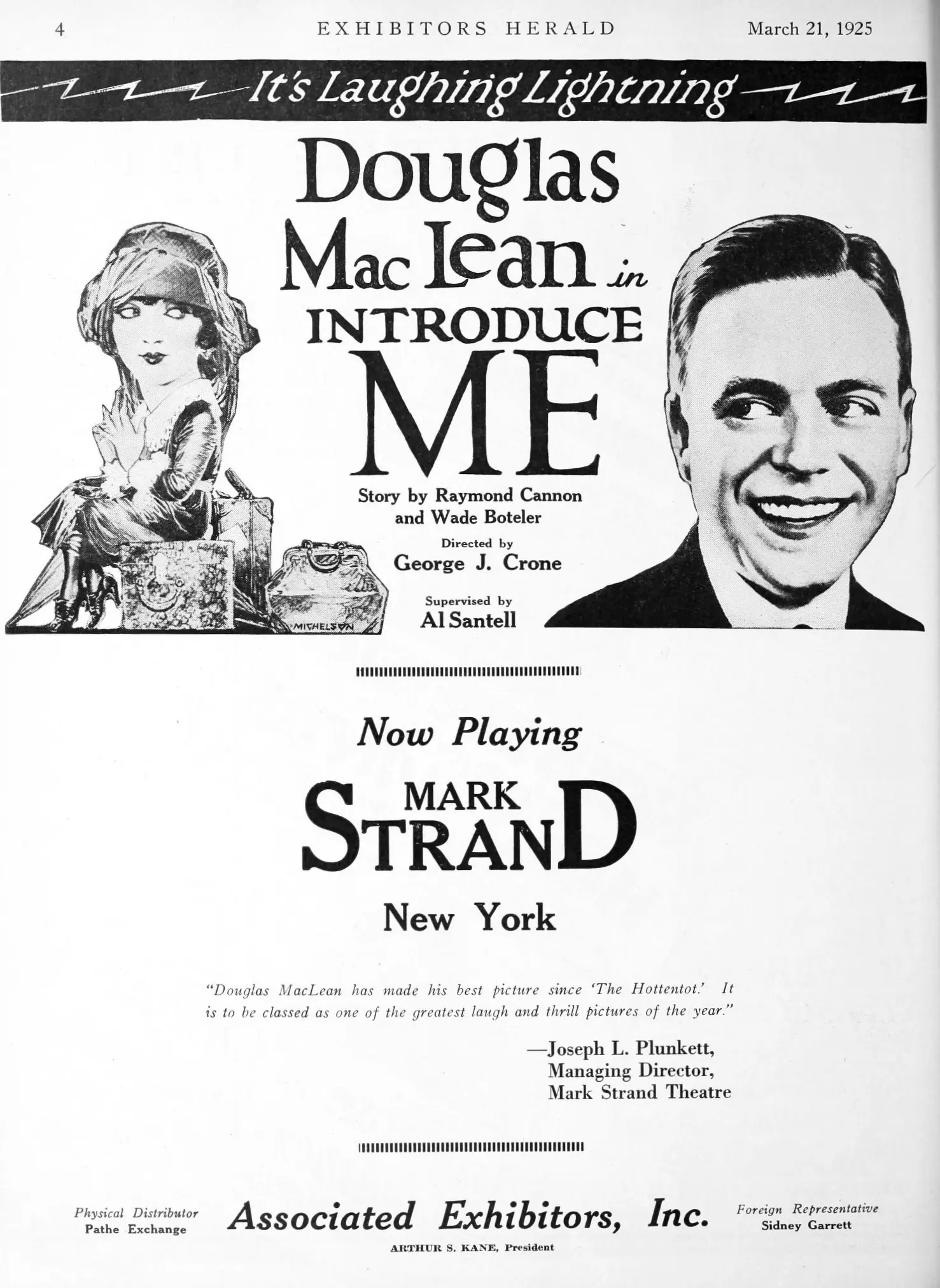
Short answer: Yes, but only if you appreciate the frantic, sweaty energy of a man completely out of his depth. This is not the stoic, architectural comedy of Buster Keaton; it is the wide-eyed, panic-driven slapstick that Douglas MacLean perfected during the mid-20s.
This film is for audiences who love the 'imposter' trope pushed to its absolute breaking point and those who enjoy the specific vintage charm of 1920s American tourists behaving badly in Europe. It is NOT for those who require grounded logic or slow-burn character development. This is a movie that thinks a human snowball is a sophisticated punchline, and it asks you to agree.
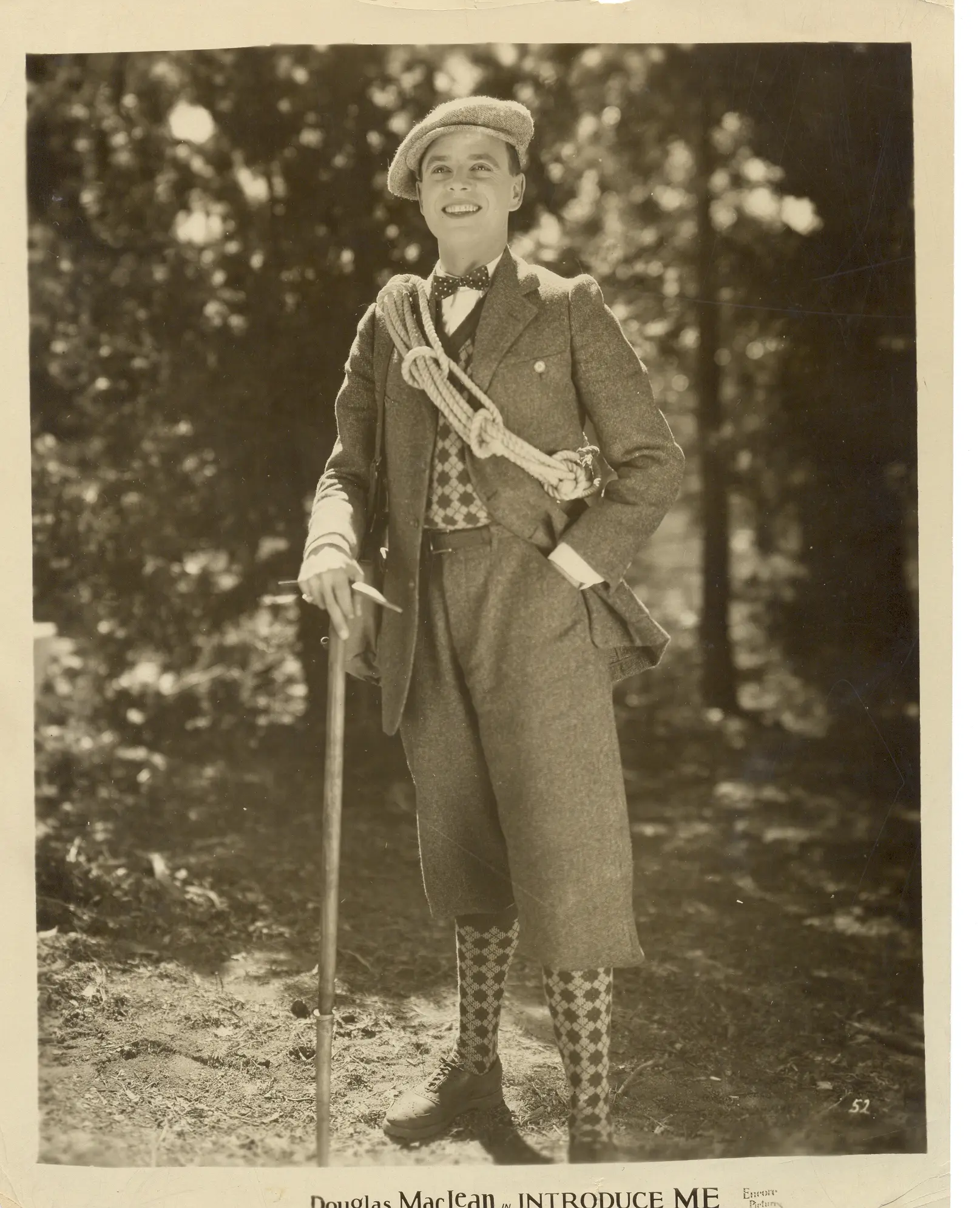
1) This film works because Douglas MacLean’s brand of 'nervous optimism' is infectious enough to carry a thin plot.
2) This film fails because the transition from Parisian comedy of manners to Alpine survivalism feels like two different scripts stitched together.
3) You should watch it if you want to see how silent cinema handled high-stakes action before CGI made everything look easy.
Douglas MacLean was often billed as the 'Smiling United Statesman' of comedy, but in Introduce Me, that smile is frequently a mask for sheer, unadulterated terror. Unlike Harold Lloyd, who often played the go-getter with a plan, MacLean’s Jimmy Clark is a man whose primary strategy is to keep moving forward until the ground disappears. This is evident in the opening sequence at the Paris train station. His pursuit of Betty (played with a delightful, if understated, spark by Anne Cornwall) isn't calculated; it’s a series of clumsy lurches.
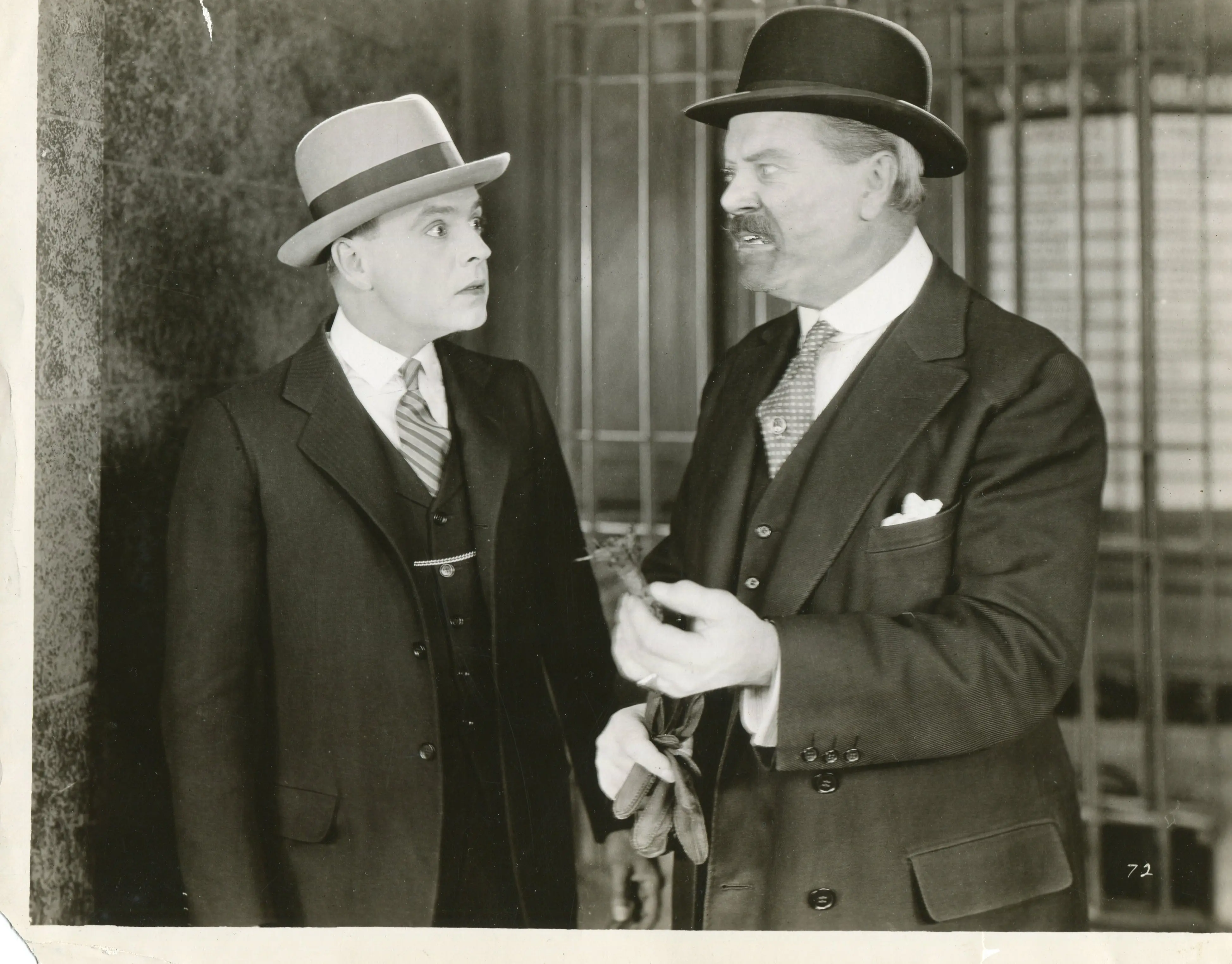
The specific moment where he hands the elder Perry a loaded cigar is a masterclass in 'the accidental antagonist.' It’s a trope we’ve seen in films like The Charm School, but here it feels more dangerous. MacLean doesn't just want to be liked; he needs to be accepted to survive his own social anxiety. When he is mistaken for the climber Roberts, his refusal to correct the error isn't born of ego, but of a terrifying inability to say 'no' to a beautiful woman. It works. But it’s flawed. The internal logic is held together by MacLean’s frantic pacing.
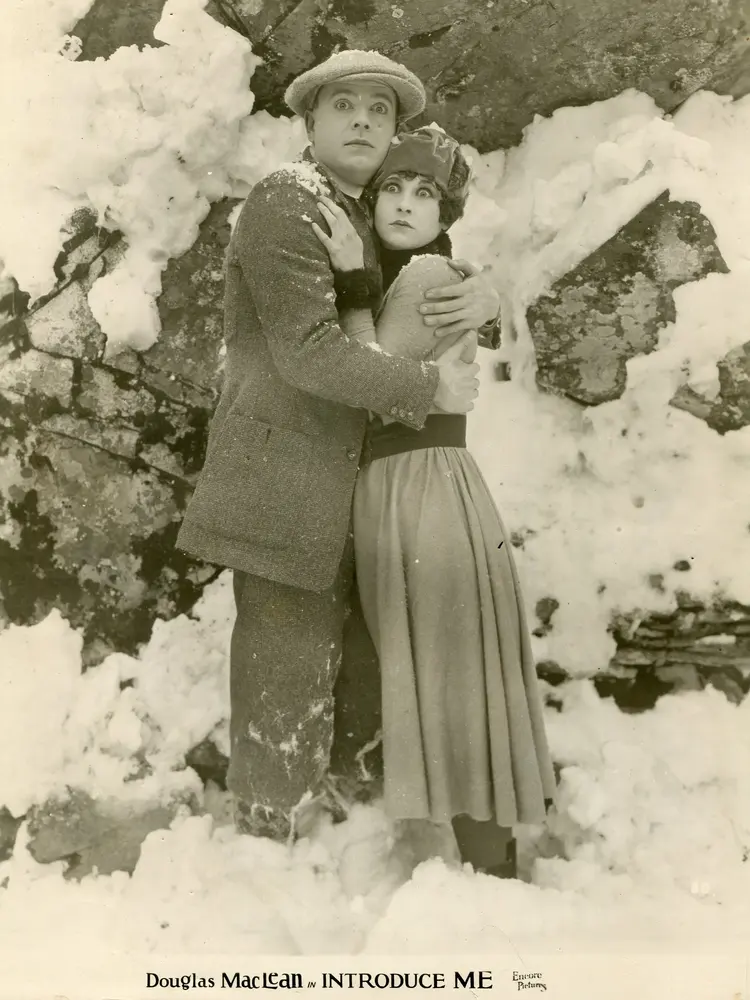
The film’s structure is a fascinating study in 1920s pacing. The first act is a breezy, almost Lubitsch-lite exploration of Americans in Paris. It’s light, airy, and focused on social standing. However, once the production moves to the Alps, the tone shifts violently into physical endurance comedy. This shift is jarring, but it’s where the film finds its pulse. The cinematography in the mountain sequences is surprisingly robust for 1925. The use of scale makes Jimmy’s fear of heights feel visceral rather than just a plot point.
Compare this to the more grounded stakes of Trilby or the urban focus of Human Collateral. Introduce Me isn't interested in the shadows of the city. It wants the blinding white of the snow to highlight the absurdity of a man in a tuxedo (or climbing gear he can't use) fighting for his life. The directing by John S. Robertson (though uncredited in some circles, often attributed to the studio's house style) leans heavily into the 'fish out of water' imagery.
Every silent comedy of this era needed a 'big' finish, and Introduce Me delivers one that is as nonsensical as it is entertaining. The introduction of the 'unfriendly bear' is a classic Raymond Cannon writing trope—take a bad situation and add a predator. The bear isn't just a threat; it’s a motivational coach. It forces Jimmy to ascend a peak he has no business standing on. The scene where the bear gnaws through the rope is genuinely tense, even if we know the outcome.
Then comes the snowball. While films like Meyer from Berlin toyed with Alpine mishaps, Introduce Me goes full cartoon. Jimmy falling and gathering snow until he is a massive, rolling sphere is a gag that shouldn't work in a live-action medium. Yet, the practical execution—likely a combination of a large prop and clever editing—has a weight to it. When Betty gets caught in the snowball, the film moves from a rescue mission to a shared absurdity. It’s a bold choice to end a romance in a literal ball of frozen precipitation.
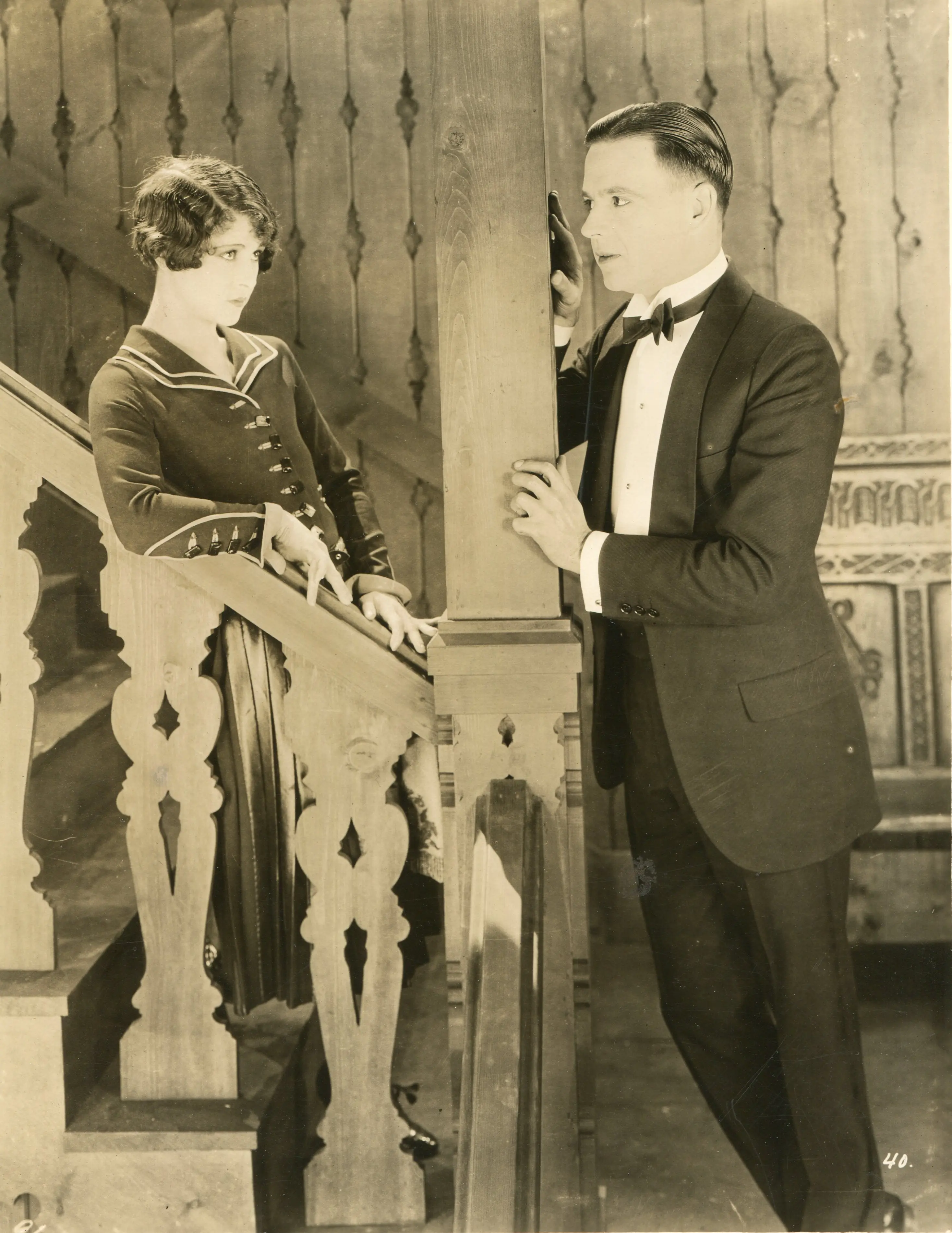
From a technical standpoint, the film excels in its use of outdoor locations. The contrast between the soft-focus interiors of the Parisian hotels and the harsh, high-contrast lighting of the Alps creates a visual narrative of Jimmy’s discomfort. The editing by the MacLean production team is snappy, ensuring that the 'loaded cigar' setup pays off exactly when the audience begins to forget about it. This kind of rhythmic editing was becoming the gold standard in 1925, seen in other works like The Bruce Partington Plans, though applied here to comedy rather than mystery.
The acting remains grounded despite the heightened scenario. Anne Cornwall provides a necessary anchor; she isn't just a prize to be won, but a participant in the chaos. Her reaction to Jimmy’s 'climbing skills'—which mostly involve him trembling and looking at his boots—adds a layer of dramatic irony that keeps the audience engaged. She knows he’s a fraud, or at least suspects it, which makes her 'rescue' at the end all the more poignant.
Pros:
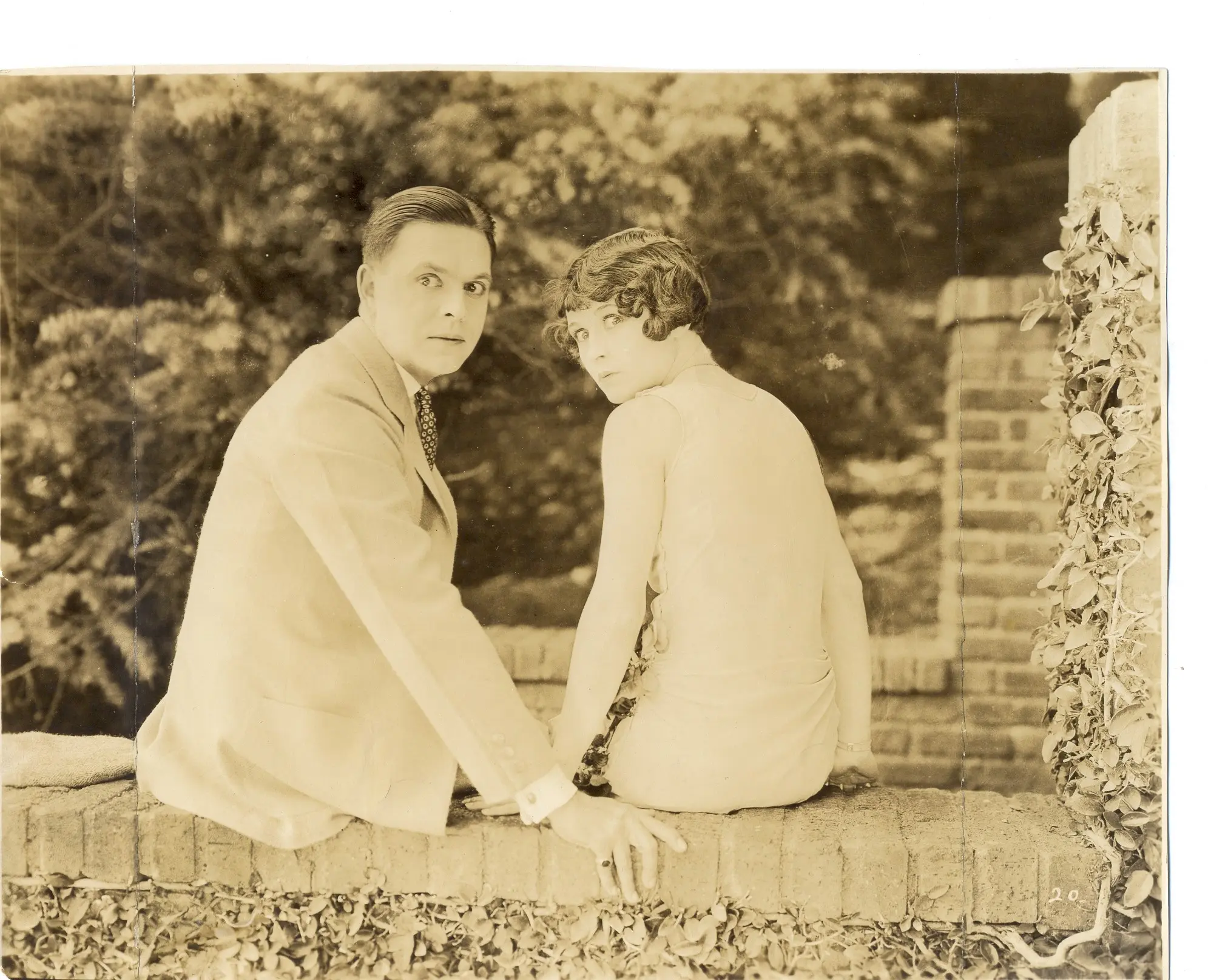
Douglas MacLean’s expressive face is a goldmine for reaction shots. The Alpine scenery is beautifully captured, providing a sense of scale rarely seen in low-budget comedies of the era. The 'real Roberts' subplot adds a refreshing twist to the usual imposter narrative.
Cons:
The 'loaded cigar' gag is a bit dated and predictable. Some of the bear interactions rely on very obvious costume work that might break immersion for modern viewers. The pacing in the first twenty minutes is somewhat sluggish.
Introduce Me is a loud, proud, and dizzying example of why Douglas MacLean was a star. It doesn't have the philosophical depth of The General, but it has a manic heart that is impossible to dislike. The film takes a simple premise—a man lying to impress a girl—and scales it up to a mountain peak. It is a testament to the era's ingenuity that a human snowball can feel like a romantic triumph. If you can forgive the creaky first act, the descent down the mountain is a ride worth taking. It’s a 75-minute shot of pure adrenaline that reminds us that sometimes, the best way to fall in love is to literally fall down a mountain.
IMDb —
1931
Community
Log in to comment.