DbcultAccessing Vault...
6.4/10
Senior Film Conservator
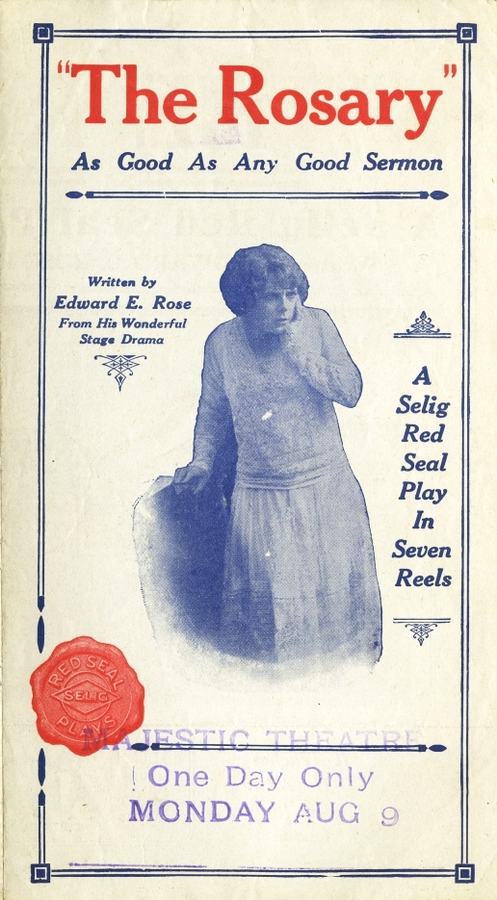
A definitive 6.4/10 rating for a film that redefined the boundaries of cult cinema. The Rosary remains a cornerstone of transgressive art.
Stepping back into the nascent years of cinematic storytelling, one encounters a fascinating tapestry of narratives that, despite their technological limitations, often grappled with profound human dilemmas. Among these, the 1913 production, The Rosary, emerges as a compelling artifact, a silent film that speaks volumes about the ephemeral nature of material wealth and the indomitable power of spiritual conviction. Directed with a keen eye for dramatic tension, this picture, penned by Edward E. Rose and Lanier Bartlett, transcends its era, offering a nuanced exploration of a couple's descent from opulence into tribulation, all observed through the steadfast gaze of a man of God. It's a testament to the early film industry's capacity for crafting emotionally rich and morally intricate tales, proving that even without synchronized sound, the human heart's complexities could be laid bare with striking efficacy.
At the narrative's core lies Bruce Wilton, portrayed with a certain robust confidence by Wheeler Oakman, a man whose vast financial empire allows him to bestow every conceivable luxury upon his beloved wife, Vera, brought to life by the elegant Utahna La Reno. Their existence is, on the surface, an enviable idyll, a testament to the American dream realized in its most extravagant form. Yet, as the film subtly unfurls, a disquieting discord begins to mar this perfect façade. It's not an overt threat, nor a sudden calamity, but a creeping, almost imperceptible shadow that first catches the attention of Father Kelly, played with dignified gravitas by Sidney Smith. Father Kelly, a figure of profound moral rectitude and Bruce's erstwhile tutor, possesses an acute spiritual radar, enabling him to discern the nascent tendrils of malevolence before they fully manifest. His role is pivotal, acting as both an external observer and an internal moral compass, guiding the audience through the unfolding tragedy with his quiet, unwavering determination. This early discernment of trouble, often overlooked by those immersed in their own comfort, sets the stage for a drama that is as much about spiritual perception as it is about earthly misfortune. The film masterfully employs visual cues and the nuanced performances of its lead actors to convey this initial sense of unease, a technique that requires significant skill in the silent era, where expressions and gestures carried the weight of dialogue.
Father Kelly, with his sharpened mental sense, embarks on a solitary, almost detective-like mission to identify the source of this adverse influence. His methods are not those of a conventional sleuth, but rather involve a patient, empathetic observation of the household dynamics, a spiritual sensitivity attuned to the whispers of discord. He moves with a quiet purpose, his faith a guiding light in the encroaching gloom. The film builds a palpable tension around his investigation, hinting at unseen forces at play, a malevolent presence that threatens to unravel the Wilton's seemingly impregnable world. Just as Father Kelly is on the cusp of unveiling the truth, a devastating reversal of fortune strikes Bruce. His amassed wealth, once a symbol of his power and security, is swept away in a dramatic and calamitous fashion. The cruel irony here is that the circumstances of his ruin are orchestrated in such a way as to unjustly implicate his wife, Vera, as the unwitting catalyst of his downfall. This tragic misunderstanding, a testament to the fragility of trust when confronted with overwhelming adversity, shatters the very foundation of their marriage. The film doesn't shy away from depicting the raw anguish of this betrayal, the visible pain etched on the faces of Oakman and La Reno communicating volumes without a single spoken word. It's a narrative turn that feels both inevitable and devastating, underscoring the destructive power of misdirection and suspicion.
The consequence of this financial and emotional cataclysm is swift and brutal. Bruce and Vera, once inseparable, find themselves estranged, their lives irrevocably altered. The grand home they shared, once a bastion of their prosperity, is dismantled, a physical manifestation of their shattered union. A divorce ensues, a final, painful severance of ties that were once believed to be unbreakable. The profound tragedy lies not only in their separation and ruin but in the persisting enigma of the true cause behind their misfortune. The malevolent influence that Father Kelly had sensed from the outset remains unidentified, its shadowy machinations still casting a pall over their lives. Yet, amidst this landscape of desolation and unanswered questions, Father Kelly stands as an unwavering pillar of hope. His faith, described as one that 'moves mountains,' remains undimmed. He continues his quiet work, serene and confident, his singular objective being the restoration of happiness for those he holds dear. This portrayal of steadfast spiritual resolve, even in the face of seemingly insurmountable despair, imbues the film with a profound sense of purpose and offers a contrasting light to the darkness that has enveloped the Wiltons. It's a powerful narrative choice that elevates the film beyond a mere melodrama of loss, transforming it into an exploration of enduring spiritual resilience.
The success of a silent film hinges almost entirely on the expressive capabilities of its cast, and The Rosary boasts a strong ensemble that delivers compelling performances. Utahna La Reno, as Vera, navigates a complex emotional arc, transitioning from blissful contentment to heart-wrenching despair with remarkable grace. Her facial expressions and body language convey a depth of feeling that resonates powerfully with the audience, making her character's plight genuinely moving. Wheeler Oakman's portrayal of Bruce Wilton captures the essence of a man undone by forces beyond his immediate comprehension, his initial confidence giving way to a raw vulnerability. However, it is Sidney Smith's Father Kelly who anchors the film with his quiet strength and moral authority. His performance is a masterclass in understated power, his calm demeanor and purposeful actions speaking louder than any dialogue ever could. The supporting cast, including Roland Sharp, Harry Lonsdale, Roy Clark, Charles Clary, Jack McDonald, Anna Dodge, Robert Landers, Kathlyn Williams, Eugenie Besserer, Adda Gleason, Gertrude Ryan, Frank Clark, Fred Huntley, and George Hernandez, each contribute to the film's rich texture, creating a believable world around the central drama. Their collective efforts ensure that the emotional stakes remain high, drawing the viewer deeper into the narrative's intricate web. The nuanced interplay between these characters, conveyed through gesture and gaze, is a testament to the artistry of early cinema and the dedication of these pioneering performers.
At its heart, The Rosary is a profound meditation on several timeless themes. The transient nature of material wealth is starkly contrasted with the enduring power of faith and spiritual conviction. Bruce Wilton's fortune, initially a source of comfort and status, proves utterly incapable of shielding him from misfortune or emotional devastation. This thematic thread echoes in other early cinematic works like The Banker's Daughter, where financial machinations often lead to moral compromise and personal ruin, though perhaps not with the same spiritual counterpoint. The film also explores the insidious nature of unseen malice and the difficulty of identifying its source, a struggle that resonates deeply with the human experience of confronting nebulous threats. The theme of misplaced blame and the fragility of trust under duress is particularly poignant, highlighting how quickly suspicion can erode even the strongest bonds. Father Kelly's unwavering belief in justice and happiness, even when all seems lost, offers a powerful counter-narrative to the despair, suggesting that true resilience lies not in material possessions but in an unshakeable inner core. This spiritual journey finds parallels in films like The Road to the Dawn, which often explore characters seeking redemption or enlightenment through arduous trials. The film's message, therefore, extends beyond the specific circumstances of the Wiltons, touching upon universal truths about human vulnerability, the corrupting influence of avarice, and the redemptive potential of unwavering faith. It's a testament to the film's thoughtful construction by writers Edward E. Rose and Lanier Bartlett that these complex ideas are communicated so effectively through visual storytelling.
The directorial choices in The Rosary are indicative of the evolving cinematic language of the early 20th century. While perhaps lacking the elaborate camera movements and sophisticated editing techniques that would define later eras, the film effectively uses framing, mise-en-scène, and intertitles to convey its narrative and emotional beats. Close-ups are employed judiciously to emphasize key emotional moments, drawing the audience into the characters' inner worlds. The staging of scenes, particularly those involving Father Kelly's quiet investigation, utilizes space to suggest his discreet observation and the subtle shifts in household atmosphere. The visual symbolism, though not overly overt, is present; the grandeur of the Wilton home initially, contrasted with its eventual destruction, is a powerful visual metaphor for their shattered lives. The pacing, while deliberate, maintains a steady rhythm that builds tension towards the climax of Bruce's financial ruin and the subsequent marital dissolution. The use of lighting, even in its rudimentary form, contributes to the mood, creating contrasts between the bright opulence and the darker moments of despair. This careful attention to visual storytelling, a necessity in the silent era, ensures that the film's complex plot and emotional depth are clearly communicated, making it accessible and engaging even for modern audiences. It demonstrates a sophisticated understanding of how to manipulate visual elements to tell a coherent and affecting story, a skill that was still very much in its infancy.
Examining The Rosary within its historical context reveals much about the concerns and popular narratives of its time. The early 1910s were a period of rapid industrialization and burgeoning wealth for some, alongside persistent social inequities. Films often reflected these societal shifts, exploring themes of class, morality, and the corrupting influence of money. The Rosary fits comfortably within this landscape, offering a cautionary tale about the perils of unchecked ambition and the illusion of security that wealth can provide. Compared to contemporary films like After Sundown or The Tigress, which might have leaned more towards straightforward adventure or romantic drama, The Rosary distinguishes itself with its pronounced moral and spiritual undertones. While Coral might have explored exotic locales and Jane offered a glimpse into everyday domesticity, The Rosary delves into a more profound psychological and spiritual crisis. Its engagement with faith as a central theme is particularly noteworthy, setting it apart from many other productions of the era that focused more on social realism or historical epics like War and Peace (though not the same year, it represents a grander scope). Even when comparing it to other moral dramas like The Folly of Desire or character studies such as Mistress Nell, The Rosary maintains a unique emphasis on the internal spiritual struggle and the enduring power of a guiding moral force. The film's ability to tackle such weighty subjects without the aid of spoken dialogue is a testament to the ingenuity of early filmmakers and the inherent power of visual storytelling. It also provides a valuable window into the cultural and ethical preoccupations of audiences during a formative period for the medium.
Ultimately, The Rosary stands as more than just a historical curiosity; it is a thoughtfully constructed drama that offers enduring insights into the human condition. Its exploration of material loss, emotional devastation, and the steadfastness of faith remains compelling, even for contemporary viewers accustomed to more technologically advanced narratives. The film's strength lies in its universal themes and its sensitive portrayal of characters grappling with profound challenges. The performances, particularly that of Sidney Smith as Father Kelly, imbue the narrative with a gravitas that transcends the limitations of silent cinema. The screenwriters, Edward E. Rose and Lanier Bartlett, crafted a story that, while rooted in the melodramatic conventions of its time, manages to achieve a genuine emotional resonance. It reminds us that the fundamental struggles of humanity – the pursuit of happiness, the battle against unseen evils, the quest for truth, and the solace found in spiritual belief – are constants, regardless of the era or the medium through which they are expressed. While it may not possess the epic scale of a För fäderneslandet or the biographical depth of Florence Nightingale, its intimate focus on personal and spiritual trial gives it a unique and lasting impact. It serves as a powerful reminder of silent cinema's capacity to deliver potent, thought-provoking narratives that continue to resonate with audiences, inviting contemplation on the true sources of strength and happiness in a world often defined by its fleeting material concerns. This film, in its quiet dignity, asserts the timeless power of hope and the unwavering spirit of those who refuse to be vanquished by adversity. It is a cinematic experience that encourages introspection, long after the final frame fades to black.
IMDb 7.4
1928
Community
Log in to comment.