DbcultAccessing Vault...
5.9/10
Senior Film Conservator
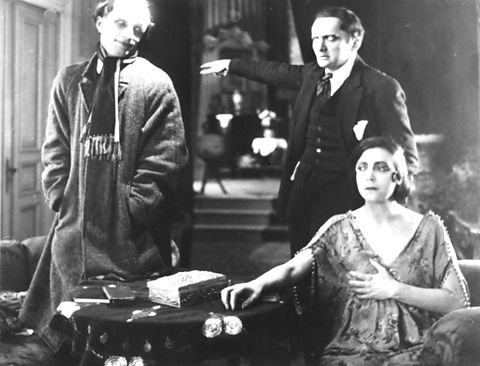
A definitive 5.9/10 rating for a film that redefined the boundaries of cult cinema. The Merry-Go-Round remains a cornerstone of transgressive art.
Stepping back into the flickering shadows of 1920, we encounter Richard Oswald's 'The Merry-Go-Round,' or 'Die Verlogene Mutter' as it was known in its German homeland. This isn't merely a silent film; it's a visceral plunge into the societal anxieties and moral quandaries of its era, a cinematic artifact that reverberates with a raw, unsettling power even today. In an age where cinema was still finding its voice, Oswald, with the literary gravitas of Arthur Schnitzler's source material, crafted a drama that feels both intensely personal and universally tragic. It’s a stark reminder that some narratives of human struggle transcend the limitations of spoken dialogue, communicating through gesture, expression, and the sheer force of visual storytelling. For those accustomed to the boisterous comedies of the time, such as Ambrose's Visit, or the lighthearted antics seen in It Pays to Advertise, 'The Merry-Go-Round' offers a stark, unflinching contrast, pulling back the curtain on the darker corners of human experience.
At the heart of this somber tableau is Asta Nielsen, a performer whose very presence commanded the screen with an almost mythic intensity. Her portrayal of Elena is nothing short of masterful, a performance that elevates the film beyond mere melodrama into the realm of profound tragedy. Nielsen, known for her magnetic, often melancholic screen persona, inhabits Elena with a palpable sense of vulnerability and a fierce, desperate will to survive. We witness her transformation from a woman scarred by her past as a street walker to one desperately clinging to the fragile illusion of respectability. Her eyes, those famously expressive windows to the soul, convey volumes of unspoken torment, hope, and ultimately, despair. It's a performance that doesn't just depict emotion; it embodies it, making Elena's struggle feel agonizingly real. One cannot help but compare the nuanced depth of Nielsen's work here to other dramatic performances of the period, though few could match her unique blend of intensity and pathos. Her ability to convey complex inner turmoil without a single spoken word is a testament to her genius and the power of silent acting.
The narrative arc begins with Elena's attempt at a fresh start, marrying Albert, the unassuming shopkeeper played by Willi Schaeffers. This union is her desperate gamble for a life free from the specter of her former existence. Schaeffers imbues Albert with a quiet dignity, a man seemingly oblivious, or perhaps willfully ignorant, of his wife's past. Their domestic scenes are imbued with a deceptive tranquility, a fleeting moment of peace before the storm. The film subtly explores the societal pressures of the time, where a woman's past could irrevocably define her, regardless of her present intentions. Elena's marriage isn't just a personal choice; it's a defiant act against the rigid moral strictures that sought to condemn her. This struggle for acceptance and the yearning for a clean slate resonate deeply, echoing similar themes of societal judgment found in dramas like The Great Problem, which also grappled with moral dilemmas and the search for redemption.
The fragile peace is shattered by the malevolent re-emergence of Peter, Elena's former pimp, portrayed with chilling effectiveness by Hugo Döblin. Döblin’s performance is a masterclass in understated villainy. He doesn't need grand gestures; his very presence, a leering glance, a knowing smirk, is enough to convey a profound sense of menace. Peter isn't just a character; he's the embodiment of Elena's inescapable past, a physical manifestation of the societal judgment she desperately tries to outrun. His arrival acts as a catalyst, meticulously dismantling every brick of her newly built life. The tension he creates is palpable, a slow-burning dread that permeates every scene he occupies. This isn't a sudden, dramatic confrontation, but a drawn-out psychological torture, as Peter subtly, yet relentlessly, tightens his grip. The feeling of being hunted, of one's past constantly threatening to consume the present, is a theme that gives 'The Merry-Go-Round' its enduring, unsettling power.
Beyond the personal drama of Elena, Albert, and Peter, the film casts a critical eye on the unforgiving nature of society. It's a world where a woman's previous transgressions, no matter how dire the circumstances that led to them, are indelible stains on her character. The 'merry-go-round' of the title isn't a joyous amusement but a cyclical trap, suggesting the inescapable nature of fate and societal judgment. Elena is trapped in a vicious cycle, constantly pulled back into the very life she strives to escape. The film doesn't offer easy answers or convenient resolutions; instead, it exposes the brutal realities faced by those marginalized by rigid moral codes. The supporting cast, including Irmgard Bern, Eduard von Winterstein, and Conrad Veidt, contribute to this atmosphere, portraying a world that is largely indifferent or actively hostile to Elena's plight. Their collective performances paint a picture of a society complicit in her downfall, whether through direct action or passive acceptance of prevailing prejudices.
Richard Oswald's direction is precise and empathetic, allowing Nielsen's performance to shine while maintaining a tight grip on the narrative's grim trajectory. He understands the power of visual storytelling in silent cinema, employing close-ups to emphasize emotional states and framing to convey isolation or entrapment. The film's aesthetic, while not overtly Expressionistic, certainly leans into a heightened sense of atmosphere, using light and shadow to underscore the characters' psychological states. The influence of Arthur Schnitzler's writing is undeniable. Schnitzler, a master of psychological depth and societal critique, provided a rich, complex foundation for the screenplay. His exploration of human desires, moral ambiguities, and the consequences of past actions finds a potent visual translation in Oswald's cinematic vision. The collaboration results in a film that feels intellectually robust as well as emotionally devastating. It's a world away from the straightforward adventure narratives of films like Land o' Lizards, instead delving into the intricate complexities of human psychology.
As Peter's machinations intensify, Elena's world crumbles. The film builds to an agonizing crescendo, a desperate act born out of profound fear and utter hopelessness. She shoots Peter, a moment of visceral violence that is less an act of vengeance and more a desperate struggle for autonomy, a futile attempt to sever the chains of her past. But the act itself carries its own crushing weight, pushing her further into an abyss from which there is no return. The subsequent poisoning, a self-inflicted oblivion, is presented not as a sudden decision but as the tragic, inevitable outcome of a life relentlessly pursued and relentlessly judged. It’s a gut-wrenching conclusion that leaves the audience with a profound sense of loss and the bitter taste of injustice. This kind of stark, unsparing ending was characteristic of some European dramas of the era, contrasting sharply with the often more optimistic or morally clear-cut resolutions favored in other cinematic traditions, such as those found in early American films like Loyalty or The Witness for the Defense, which often sought to uphold a sense of moral order, even amidst turmoil.
'The Merry-Go-Round' is more than just a historical curiosity; it's a profound statement on human frailty, societal hypocrisy, and the enduring power of a past that refuses to stay buried. Asta Nielsen's performance alone makes it essential viewing for anyone interested in the history of acting or women's representation in early cinema. The film serves as a potent reminder of the silent era's capacity for complex psychological drama and unflinching realism. It challenges viewers to confront uncomfortable truths about judgment, forgiveness, and the limits of personal redemption. While the world has changed dramatically since 1920, the core themes of societal pressure, the weight of one's history, and the desperate search for a second chance remain strikingly relevant. It’s a film that lingers long after the final frame, prompting introspection and empathy for those caught in life's relentless, unforgiving merry-go-round. It stands as a testament to the artistry of its creators, particularly Nielsen, and its ability to provoke thought and emotion across the decades, proving that some stories, told with such raw honesty, truly are timeless. The meticulous restoration of such films allows us to appreciate the depth and sophistication of early cinema, reminding us that the foundations of modern storytelling were laid by these silent giants. Its impact, though perhaps less widely known than some of its contemporaries, is undeniable for those who delve into the rich tapestry of early European filmmaking.
IMDb —
1919
Community
Log in to comment.