DbcultAccessing Vault...
Cult Review
Senior Film Conservator
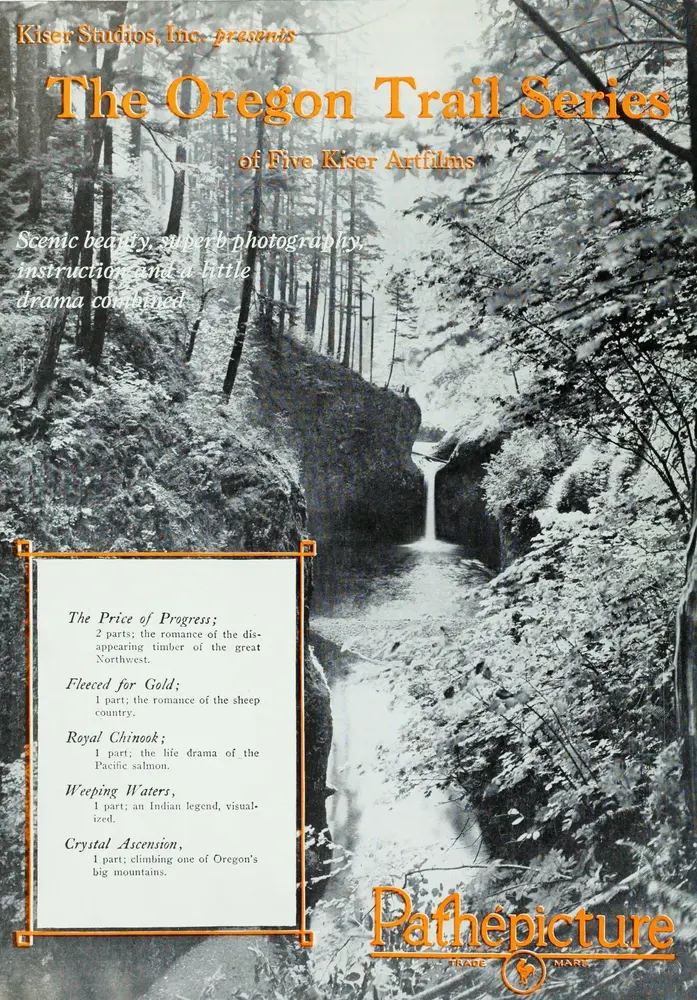
To witness The Royal Chinook is to step into a time capsule where the boundaries between documentary observation and poetic landscape portraiture blur into a singular, shimmering experience. The film serves as an evocative exploration of the Columbia River’s rugged topography, a region that, during the era of this production, was defined by the raw, unyielding power of its waterways and the silver bounty they provided. Unlike the domestic intimacy found in The Child Thou Gavest Me, this work turns its gaze outward, capturing the vastness of a frontier being tamed by the gears of the industrial age. The camera lingers on the swirling eddies and the white-capped rapids with a reverence usually reserved for the high-society sets of Miss Hobbs, yet here, the protagonist is the environment itself.
The visual language employed is one of kinetic energy. We see the salmon—those resilient, muscular travelers of the deep—leaping against the current in a desperate, instinctive drive to spawn. This struggle is framed with a technical precision that rivals the documentary realism of Allies' Official War Review, No. 27, though the subject matter here is one of biological rather than geopolitical survival. The filmmaker captures the glint of sunlight on wet scales, a motif that provides a stark aesthetic contrast to the darker, more urban textures found in The Jailbird. There is a certain dignity in the way the industry is portrayed; the canneries are not merely sites of exploitation but are presented as complex, rhythmic organisms that pulse in time with the river’s seasonal cycles.
One cannot discuss the visual merits of this film without acknowledging the sophisticated use of depth and perspective. The wide shots of the Columbia River Basin possess a painterly quality that evokes the delicate compositions of The Beggar Maid. However, where that film sought beauty in static portraiture, The Royal Chinook finds it in the relentless motion of the water wheels and the frantic activity of the fishing crews. The editing creates a hypnotic cadence, moving from the serene, mist-covered mornings on the river to the clattering, steam-filled interiors of the processing plants. This juxtaposition highlights the tension between the natural world and the human endeavor to harness it—a theme also explored, albeit in a more financial context, in The Dollar Mark.
The film’s portrayal of the salmon industry is surprisingly comprehensive. We are shown the intricate construction of the fish traps, the massive nets being hauled by teams of horses and men, and the precision with which the catch is sorted. This focus on process and labor gives the film a grounded, earthy feel that stands in opposition to the lighthearted escapism of Cupid Forecloses or the frantic pacing of Speed 'Em Up. There is no forced narrative here; the drama is inherent in the scale of the operation and the sheer volume of the harvest. It is a cinematic meditation on the concept of 'plenty' and the logistical miracles required to transform a wild resource into a global commodity.
The location shooting is nothing short of extraordinary. The rugged terrain of the Columbia River Gorge provides a backdrop that is both menacing and magnificent. The film captures the jagged basalt formations and the dense evergreen forests with a clarity that prefigures the ethnographic grandeur of Med prins Wilhelm på afrikanska jaktstigar. There is a sense of place so strong that the viewer can almost smell the salt air and the damp pine needles. This atmospheric immersion is a far cry from the studio-bound artifice of The Inn of the Blue Moon, proving that the early camera was most potent when it ventured into the wild.
Furthermore, the film subtly addresses the socioeconomic realities of the region. While it lacks the overt moralizing of Beware of Strangers, the sheer scale of the industrial intervention in the landscape speaks volumes. We see a world in transition, where the ancient traditions of the river are being augmented—or perhaps overshadowed—by the demands of a growing nation. The workers, though often anonymous in the frame, are depicted with a rugged nobility. Their movements are practiced and efficient, a human echo of the river’s own tireless flow. This depiction of the working class has more in common with the grounded realism of No Defense than with the stylized archetypes of contemporary dramas.
As a historical document, The Royal Chinook is invaluable. It preserves a moment before the great dams forever altered the character of the Columbia River. The sight of Celilo Falls—a sacred site for indigenous peoples and a focal point for the fishing industry—in its full, thundering glory is a haunting reminder of what has been lost to progress. In this sense, the film shares a thematic kinship with Kampen om barnet, as both deal with the complexities of heritage and the inevitable changes wrought by time and societal shifts. While The Trail of the Holdup Man offers the thrill of the chase, this film offers the thrill of discovery—the discovery of a world that functioned with the precision of a clock and the soul of a river.
The technical prowess of the cinematography deserves special mention. The filmmakers managed to stabilize their equipment in precarious positions—on rocking boats, atop narrow piers, and at the edge of churning waterfalls. This dedication to capturing the 'perfect shot' results in a visual experience that is remarkably modern. The use of natural light is masterful, with the low sun of the northern latitudes casting long, dramatic shadows that give the landscape a sculptural quality. It is a far more sophisticated visual palette than the flat lighting often seen in Cash Customers.
In the final analysis, The Royal Chinook stands as a towering achievement of early non-fiction cinema. It is a film that demands to be seen not just as a historical curiosity, but as a vibrant, breathing work of art. It captures the intersection of biology and commerce, of land and water, of man and nature, with a grace that is rarely matched in the genre. The 'Royal Chinook' itself becomes a symbol of endurance and value, a silver ghost haunting the rapids of history. For those who appreciate the raw beauty of the American West and the intricate dance of human industry, this film is an essential viewing experience. It reminds us that cinema’s greatest power is its ability to bear witness—to hold a mirror up to the world and capture its fleeting, magnificent truths before they wash away downstream.
The film’s legacy is not just in its depiction of fish or factories, but in its ability to evoke a sense of wonder. In an age of digital artifice, there is something profoundly moving about the sight of real water, real sweat, and real fish. It is a testament to the pioneers of the camera who recognized that the world around them was just as dramatic, just as tragic, and just as beautiful as any scripted play. The Royal Chinook is, quite simply, a masterpiece of the elemental.
IMDb —
1921
Community
Log in to comment.