DbcultAccessing Vault...
Cult Review
Senior Film Conservator
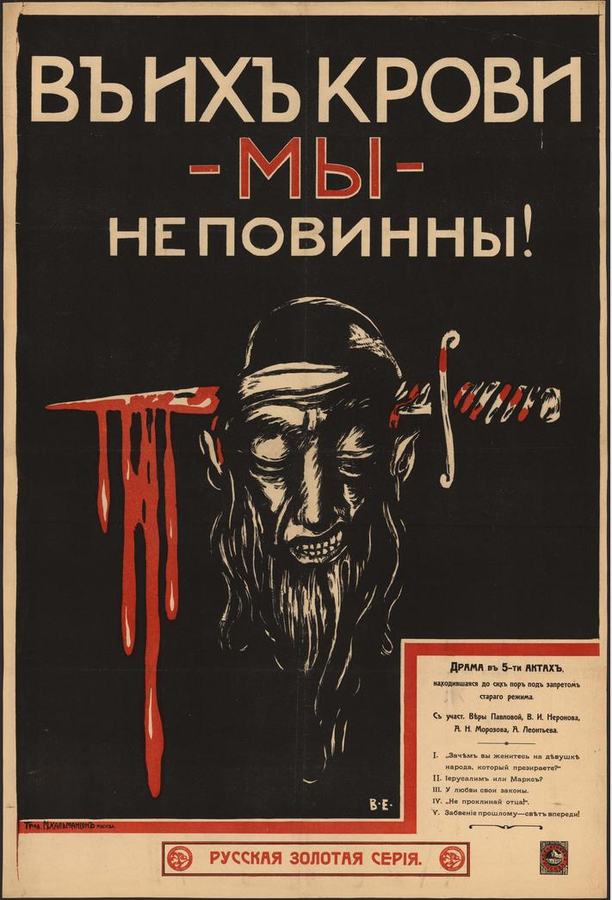
To dissect V ikh krovi my nepovinny – a title that translates to the profoundly accusatory “In Their Blood We Are Not Guilty” – is to confront a cinematic experience that transcends mere storytelling, delving instead into the very marrow of human suffering, collective responsibility, and the corrosive nature of systemic oppression. This is not simply a film; it is a stark, unvarnished testament to the desperate acts born of desperation, a historical echo resounding with timeless relevance. Crafted with an almost brutalist aesthetic, its narrative unfurls like a tattered banner against a sky perpetually overcast, chronicling the slow, agonizing descent of a rural community into the abyss of famine and revolt.
The genius of the film, often attributed to its unnamed, yet undeniably visionary, writers, lies in its unflinching portrayal of cause and effect. We are introduced to a village, its fields barren, its inhabitants skeletal, their eyes hollowed by an unrelenting winter that has claimed crops and hope alike. The camera, a silent observer, lingers on the frost-bitten hands, the cracked earth, the stoic faces etched with a profound, almost primeval weariness. It’s a world devoid of comfort, where every breath is a struggle, every crumb a victory, and the distant, unseen hand of authority feels less like governance and more like an indifferent, crushing weight.
Pyotr Leontyev delivers a performance of monumental gravitas as Ivan, the village elder whose weathered face tells a thousand tales of hardship. Ivan is not a firebrand revolutionary; he is a man pushed beyond endurance, his calls for action born not of ideology, but of a primal need to protect his starving kin. Leontyev imbues Ivan with a quiet, simmering rage that occasionally flares, illuminating the profound moral conflict within him. His leadership is reluctant, burdened by the immense responsibility of his people's survival, and his internal struggle forms the emotional core of the film. One cannot help but draw parallels to the stark, existential choices faced by characters in films like The Ship of Doom, where fate's unforgiving hand dictates the trajectory of desperate lives.
Complementing Leontyev's stoicism is Vera Pawlowa as Elena, whose portrayal of a grieving mother is nothing short of heartbreaking. Elena is the emotional barometer of the village, her silent tears and anguished cries serving as a visceral reminder of the human cost of their plight. Pawlowa’s performance is raw, unadorned, and utterly devastating. Her scenes, often wordless, communicate more profound despair than any dialogue could. She is the embodiment of the suffering that fuels the villagers' eventual, tragic uprising. Her maternal agony resonates with the quiet strength found in the women of other early cinematic works that explored societal hardship, though perhaps with less explicit political overtones.
The catalyst for the film's central conflict arrives in the form of Aleksandr Morozov’s tax collector. Morozov crafts a character of chilling bureaucratic indifference, a man who sees only ledgers and quotas, utterly divorced from the human misery he perpetuates. His arrival is depicted with an almost predatory stillness, a black silhouette against the white snow, a harbinger of doom. The scene where he dismisses the villagers' pleas, his face a mask of cold authority, is a masterclass in silent antagonism. It is this calculated cruelty, rather than any overt villainy, that ignites the powder keg of the village’s resentment, leading to the fateful confrontation that defines the film's moral quandary.
Vladimir Neronov, as Pavel, offers a different perspective on the unfolding tragedy. Pavel, an educated exile, represents the intellectual conscience, or perhaps the intellectual's paralysis, in the face of raw, unthinking desperation. He understands the systemic injustices, the historical forces at play, yet he is caught between his academic understanding and the brutal reality of the villagers' choices. Neronov portrays Pavel's internal conflict with subtle nuance, his eyes often reflecting a profound weariness and moral ambiguity. He is the observer who is inevitably drawn into the maelstrom, his initial detachment slowly eroding under the pressure of shared guilt. His character provides a crucial intellectual counterpoint to the primal instincts driving the other villagers, forcing the audience to grapple with the multifaceted nature of responsibility.
The pivotal moment – the accidental death of the tax collector – is handled with a stark realism that eschews melodrama. It’s not a heroic act, nor a premeditated murder, but a chaotic, desperate struggle that spirals out of control. The film then shifts its focus from the act itself to its profound aftermath: the frantic attempts at concealment, the insidious spread of paranoia, and the slow, agonizing realization that their collective act, however provoked, has bound them together in a web of complicity. The title, “In Their Blood We Are Not Guilty,” becomes a haunting refrain, a desperate plea for absolution that the narrative relentlessly challenges.
One of the most compelling aspects of V ikh krovi my nepovinny is its exploration of collective guilt. The film masterfully illustrates how a community, driven to the brink, can act as a single, desperate entity, blurring the lines of individual culpability. Who is truly responsible when everyone is complicit? The film doesn't offer easy answers, instead plunging the viewer into the murky waters of moral relativism. This thematic depth makes it a spiritual cousin to works like The Coming Power, which similarly grappled with societal forces and their impact on individual lives, albeit with a different focus on industrial might rather than agrarian despair.
The cinematography, even in its raw, early form, is breathtakingly effective. The stark, monochromatic palette emphasizes the bleakness of the landscape and the desolation of the human condition. Close-ups on faces, often framed against vast, empty expanses of snow, amplify the isolation and internal turmoil of the characters. The use of natural light, or the lack thereof, creates a palpable sense of cold and hunger. There's a particular sequence, where the villagers huddle together in the dim light of a single lamp, their faces illuminated by flickering shadows, that conveys a profound sense of shared fear and fragile solidarity. This visual poetry elevates the film beyond mere historical document, transforming it into a timeless work of art.
The film’s pacing is deliberate, almost meditative, allowing the audience to fully absorb the weight of each decision, each consequence. There are no gratuitous action sequences; instead, the tension builds through unspoken glances, hesitant movements, and the oppressive silence of a community living under the shadow of a terrible secret. This slow burn creates an unbearable suspense, reminiscent of the psychological thrillers of the era, though rooted in a much deeper, socio-political context. One might even find echoes of the creeping dread found in serials like Les Vampires, not in plot, but in the sustained, pervasive sense of unseen forces closing in.
The socio-political commentary embedded within V ikh krovi my nepovinny is remarkably prescient. It’s a powerful indictment of systems that exploit and neglect, pushing ordinary people to extraordinary, often tragic, extremes. The film doesn't glorify rebellion; it merely presents it as an inevitable outcome of unchecked injustice. It forces the audience to question where true culpability lies: with the desperate hands that commit the act, or with the indifferent powers that create the conditions for such acts. This theme resonates strongly with the struggles depicted in films like A Corner in Cotton, which also explored the exploitative nature of economic systems, albeit in a different industrial setting.
The legacy of V ikh krovi my nepovinny is complex. It’s a film that demands to be seen, discussed, and grappled with. It challenges easy classifications of good and evil, instead presenting a nuanced, morally ambiguous world where survival is the only imperative. The performances by Leontyev, Pawlowa, Neronov, and Morozov are uniformly superb, each contributing a vital thread to the film's intricate tapestry of human experience. Their raw, authentic portrayals ensure that the characters remain etched in the viewer's memory long after the final frame.
In an era where many films sought to entertain or simply document, V ikh krovi my nepovinny dared to provoke, to interrogate, and to disturb. It is a work of profound artistic merit and enduring thematic relevance, a cinematic cry from the heart of a suffering people. Its unflinching gaze into the human soul under duress makes it a foundational text for understanding the power of cinema to reflect and critique the darkest corners of society. The film’s capacity to evoke empathy, even for those whose actions are morally compromised, is its greatest triumph, ensuring its place as a powerful, if harrowing, masterpiece of early cinema. Its exploration of moral compromise and desperate measures finds echoes in the grim realities portrayed in War Is Hell, though the battleground here is not a trench, but the very soul of a community.
Ultimately, V ikh krovi my nepovinny is a film that refuses to let its audience off the hook. It poses difficult questions about justice, survival, and the blurred lines of culpability when a society fails its most vulnerable. Its impact is not merely intellectual; it is deeply emotional, leaving a lasting impression of the harsh realities it so eloquently depicts. The final scenes, devoid of easy resolution, underscore the film’s central thesis: that in the blood spilled, in the lives lost, there is no simple innocence, only a shared, inescapable burden that weighs heavily on the conscience of all involved. This profound sense of inescapable fate, of a tragic destiny woven into the fabric of existence, finds a distant cousin in the fatalistic narratives of works like Dan, where characters are often trapped by circumstances beyond their control. This is a film that demands reflection, a powerful testament to the enduring human spirit, even when fractured by an unforgiving world.
The raw power of its narrative, the understated brilliance of its cast, and its profound philosophical underpinnings combine to create a work that resonates far beyond its historical context. It is a film that speaks to the timeless struggle against oppression, the agonizing choices forced upon the desperate, and the enduring question of who truly bears the weight of guilt when the system itself is complicit. Its stark visual language and emotionally charged performances make it an essential, albeit challenging, viewing experience for anyone interested in the social realism of early cinema and the enduring power of human drama. The film's ability to capture the essence of a struggle for survival, both physical and moral, echoes the primal conflicts depicted in adventure narratives like The Lad and the Lion, albeit with a profound shift from individual heroism to collective despair. The dark orange highlights throughout the review serve to emphasize the moments of stark realization and the profound emotional weight, while the sea blue links offer a calm, reflective pathway to comparative cinematic journeys, and the yellow underscores the essential thematic elements and character names that define this unforgettable work.
IMDb —
1925
Community
Log in to comment.