DbcultAccessing Vault...
4.1/10
Senior Film Conservator
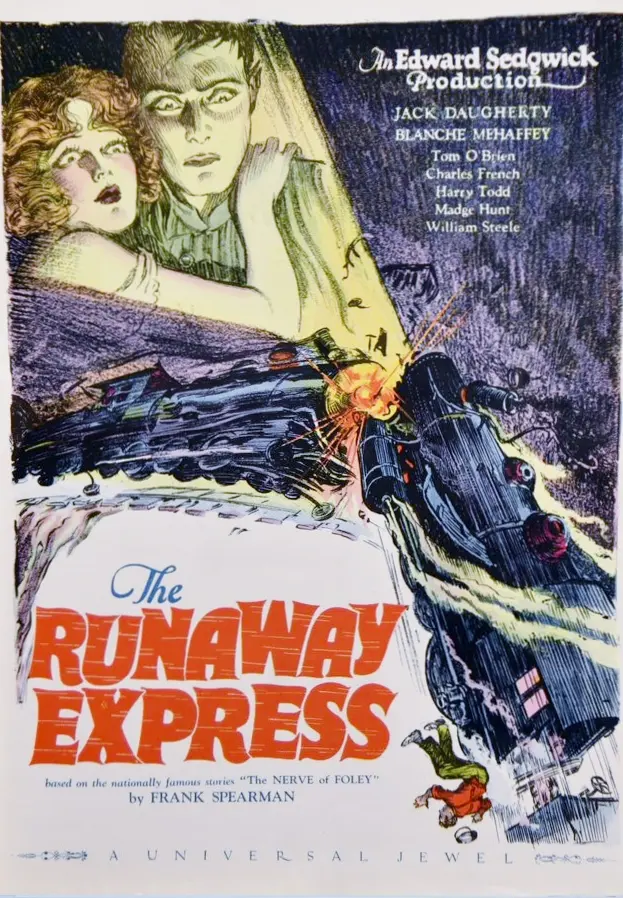
A definitive 4.1/10 rating for a film that redefined the boundaries of cult cinema. The Runaway Express remains a cornerstone of transgressive art.
Short answer: Yes, but it’s not without its flaws. The Runaway Express is a gripping, if somewhat predictable, exploration of early 20th-century romance and adventure. It’s a film that appeals to those with a soft spot for classic cinema, but it may not satisfy those looking for groundbreaking storytelling or complex characters.
Who is this film for? This film is perfect for movie enthusiasts who appreciate the charm and nostalgia of early 20th-century cinema. It’s also a great choice for fans of the Golden Age of Hollywood and those who enjoy films noir with a touch of romance. Who is it not for? It might not be the best pick for viewers looking for deep character development or groundbreaking narrative techniques. If you’re expecting a modern, nuanced exploration of love and fate, The Runaway Express might disappoint.
This film works because it successfully captures the essence of early 20th-century life through its meticulous attention to period detail and the compelling performances of its cast. The Runaway Express is a visual treat, with its rich, sepia-toned cinematography and the dynamic, sweeping shots of the train sequences. The performances by Madge Hunt and Syd Saylor are particularly noteworthy, bringing a sense of authenticity and emotion to their roles.
The film’s ability to evoke a sense of time and place is also a significant strength. From the bustling train station to the quiet moments at the Junction Cafe, the setting and atmosphere are palpable, immersing the viewer in a world that feels both familiar and exotic. This attention to detail is particularly evident in the depiction of the train, which is both a character in itself and a symbol of modernity and progress.
This film fails because, at times, it relies too heavily on predictable plot devices and clichés. While the central romance and the train sequences are engaging, the narrative can feel formulaic and overly familiar. The characters, while well-acted, are often one-dimensional, with their motivations and emotions feeling somewhat superficial. Additionally, the pacing can be uneven, with some scenes dragging on while others feel rushed, disrupting the overall flow of the story.
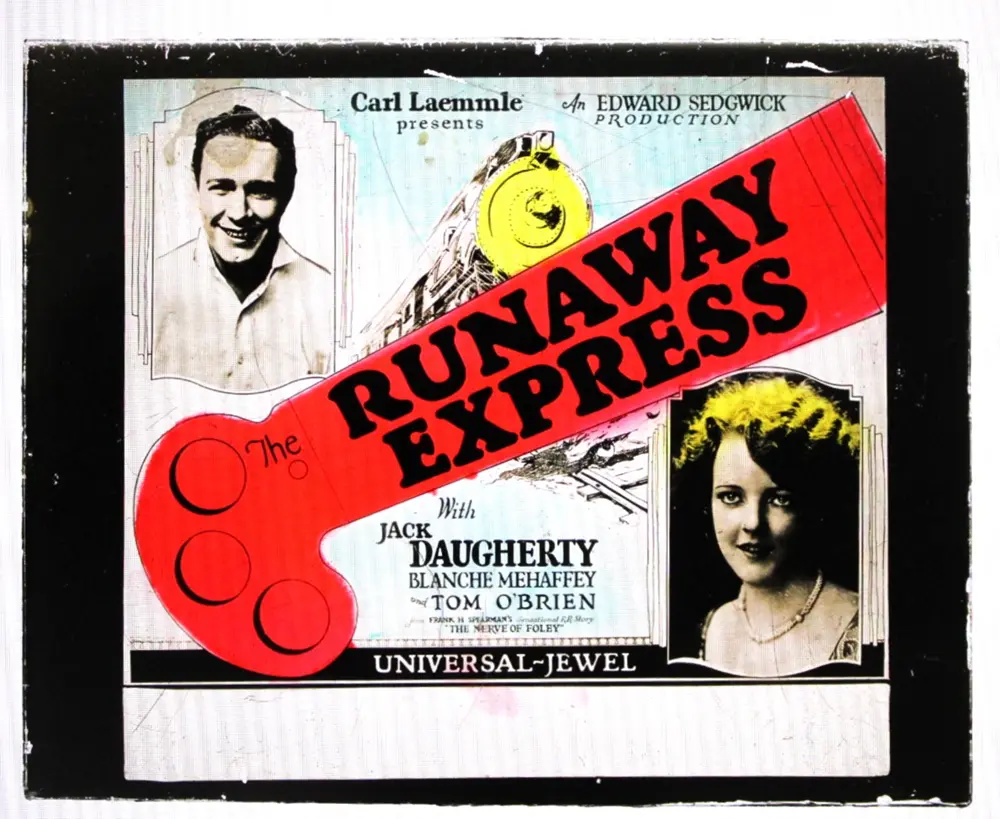
The film’s reliance on stereotypes and tropes can also be a drawback for modern audiences. The depiction of Norah Kelly as the quintessential Irish waitress and Joe Foley as the rugged train engineer can be seen as outdated and clichéd. While these elements add to the film’s charm and authenticity, they also reinforce stereotypes that are no longer considered progressive or inclusive.
The film’s use of period detail and its ability to transport the viewer to a bygone era are standout elements. The rich, sepia-toned cinematography and the dynamic train sequences are particularly effective in creating a sense of time and place. The performances by Madge Hunt and Syd Saylor are also noteworthy, bringing a sense of authenticity and emotion to their roles.
The film’s reliance on formulaic plot devices and clichés can be a significant drawback. While the central romance and train sequences are engaging, the narrative can feel predictable and overly familiar. The characters, while well-acted, are often one-dimensional, with their motivations and emotions feeling somewhat superficial.
While The Runaway Express may not be a film that pushes the boundaries of cinematic storytelling, it is still a worthwhile watch for those with a passion for classic cinema. The film’s ability to evoke a sense of time and place, combined with its engaging performances and dynamic sequences, make it a nostalgic and charming addition to the Golden Age of Hollywood.
Short answer: Yes, but it’s not without its flaws. The Runaway Express is a gripping, if somewhat predictable, exploration of early 20th-century romance and adventure. It’s a film that appeals to those with a soft spot for classic cinema, but it may not satisfy those looking for groundbreaking storytelling or complex characters.
Ultimately, The Runaway Express is a film that works because it successfully captures the essence of early 20th-century life through its meticulous attention to period detail and the compelling performances of its cast. While it may not be the most innovative or complex film, its ability to transport the viewer to a bygone era and its engaging sequences make it a worthwhile watch for those with an appreciation for classic cinema. It works, but it’s flawed, and it’s best enjoyed as a nostalgic and charming period piece rather than a revolutionary work of art.
IMDb —
1924
Community
Log in to comment.