DbcultAccessing Vault...
5.5/10
Senior Film Conservator
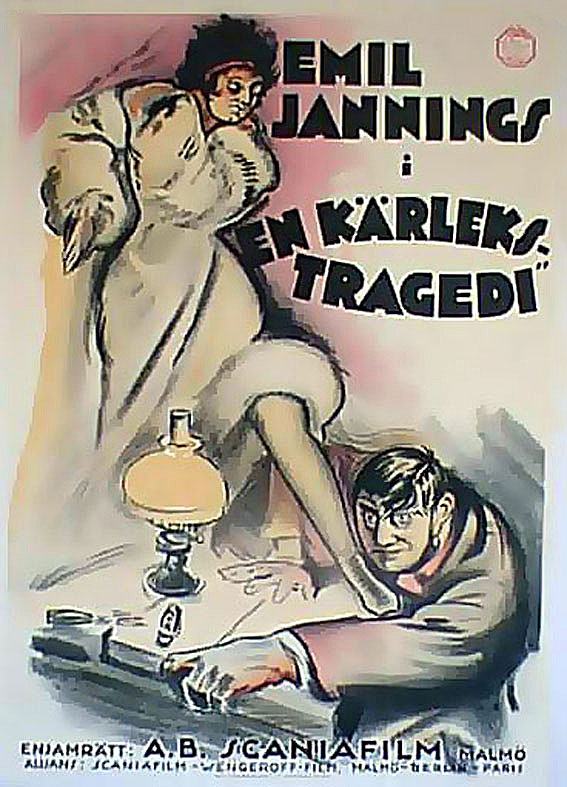
A definitive 5.5/10 rating for a film that redefined the boundaries of cult cinema. The Tragedy of Love remains a cornerstone of transgressive art.
In the pantheon of Weimar-era cinema, few works possess the sheer gravitational pull of Joe May’s 1923 magnum opus, The Tragedy of Love. This isn't merely a film; it is a sprawling, four-act interrogation of the soul, a celluloid behemoth that captures a society teetering on the edge of existential collapse. While many modern viewers might find the silent era's pacing a challenge, May’s direction provides a rhythmic pulse that feels remarkably contemporary. The film operates as a bridge between the expressionistic nightmares of the early twenties and the gritty realism that would later define the decade. It is a work of immense ambition, utilizing every tool in the cinematic toolkit of its time to paint a portrait of passion, betrayal, and the cold, unyielding machinery of the law.
At the heart of this tragedy lies the indomitable Emil Jannings. To watch Jannings on screen is to witness a force of nature. In The Tragedy of Love, he embodies a raw, almost primitive masculinity that stands in stark contrast to the refined, often sterile environments he inhabits. His performance here predates his legendary turn in The Last Laugh, yet it carries the same weight of tragic inevitability. Jannings’ ability to convey profound psychological shifts through mere posture and ocular intensity is nothing short of miraculous. He doesn't just act; he occupies the space with a physical presence that demands attention, making the audience feel the heat of his jealousy and the chill of his despair.
When we compare his performance here to the social dynamics explored in Money Isn't Everything, we see a much darker side of the human condition. While the latter film deals with the corruption of wealth, The Tragedy of Love deals with the corruption of the spirit. Jannings’ character is a man undone not by financial ruin, but by the overwhelming tide of his own emotions. It is a masterclass in silent acting, proving that dialogue is often a secondary concern when an actor can communicate the depths of the human experience through a single, tortured glance.
Opposite Jannings is Mia May, the director’s wife and a star of immense luminosity. Her portrayal of the central female figure is one of delicate complexity. In an era where female roles were often relegated to either the saint or the temptress, May finds a middle ground of profound humanity. She navigates the labyrinthine plot with a grace that makes her eventual victimization all the more painful to witness. Her performance provides the necessary emotional anchor for the film’s more histrionic moments, grounding the grand tragedy in a recognizable, poignant reality. Unlike the more lighthearted explorations of femininity found in All Night, May’s role is steeped in the gravitas of a woman fighting for her dignity in a world designed to strip it away.
The structural brilliance of the film lies in its depiction of the legal system. The courtroom scenes are not merely plot devices; they are theatrical arenas where the truth is dissected and distorted. Joe May utilizes lighting to emphasize the claustrophobia of the witness stand, with shadows that stretch across the floor like the fingers of fate. The legal drama here is far more intense than the moral quandaries presented in Leah Kleschna. In The Tragedy of Love, justice is not a divine ideal but a fallible human construct, prone to the same biases and errors as the people it seeks to judge.
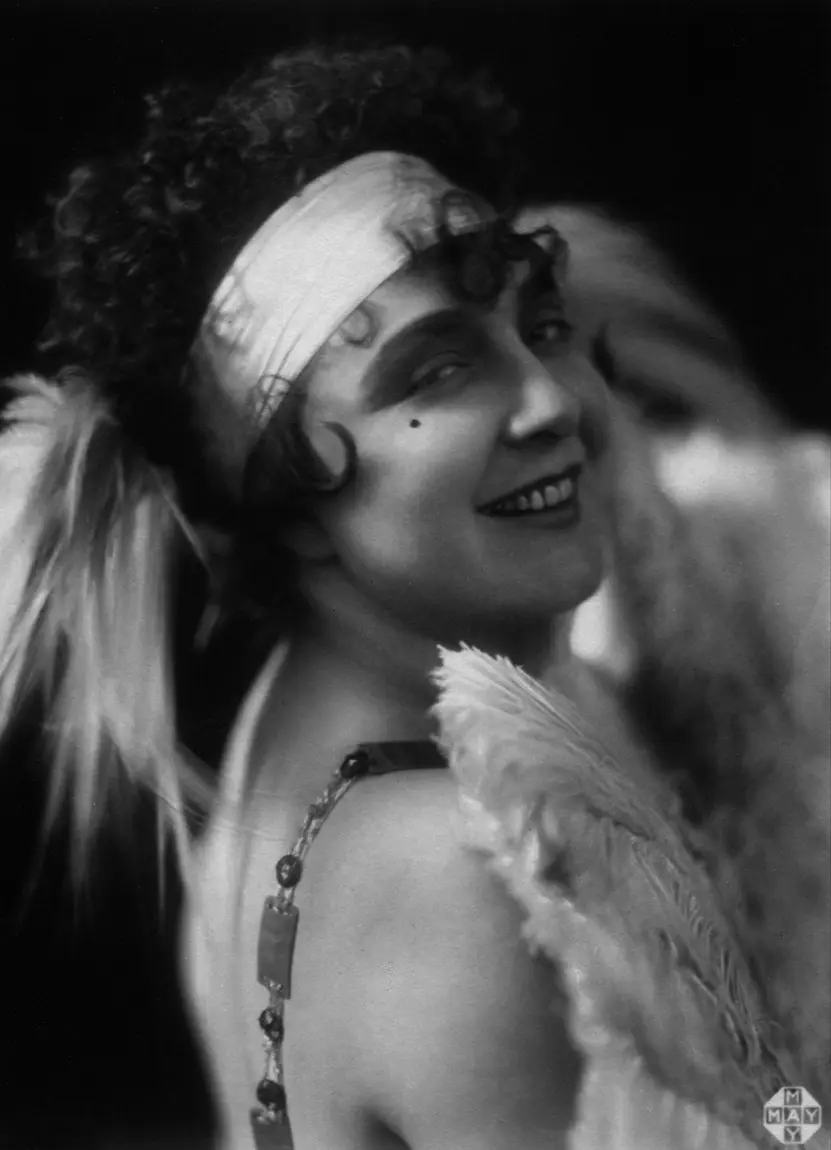
The cinematography, handled by a team of experts, creates a visual language that is both opulent and oppressive. The interiors are cluttered with the bric-a-brac of the bourgeoisie, creating a sense of suffocating domesticity. When the action moves to the streets, the camera captures the frantic energy of Berlin, a city that feels as much like a character as the actors themselves. This urban kineticism is reminiscent of the pacing in A Joy Ride, though the stakes here are infinitely higher. The film’s visual palette is a precursor to the film noir aesthetic, utilizing high-contrast lighting to mirror the moral ambiguity of its protagonists.
For many modern cinephiles, the primary draw of The Tragedy of Love is the presence of a young Marlene Dietrich. Though her role is relatively minor, her screen presence is undeniable. Even at this early stage in her career, she possesses a magnetic quality that draws the eye. She plays a socialite, a figure of the very world that the film seeks to critique. Watching her here is like seeing the first sparks of a fire that would soon consume the cinematic world. Her inclusion adds a layer of historical fascination to the film, serving as a reminder of the incredible talent that was emerging from the German film industry at the time. Her poise and subtle cynicism provide a contrast to the more overtly emotional performances of the lead cast, hinting at the "Blue Angel" persona that would eventually define her career.
Leo Birinsky and Adolf Lantz’s screenplay is a marvel of construction. It manages to balance a complex, multi-strand narrative without ever losing sight of its central themes. The film explores the concept of 'tragedy' not as a random act of god, but as the inevitable result of societal pressures and personal failings. The class distinctions are drawn with a sharp, unforgiving pen. We see the stark divide between those who make the laws and those who are broken by them. This thematic resonance puts it in conversation with works like The Dancer and the King, which also uses period settings to examine the power dynamics of the elite. However, May’s film is far more cynical, offering little in the way of romanticized escapism.
The film also touches upon the psychological toll of obsession. Jannings’ character is possessed by a love that is indistinguishable from hate, a theme that resonates through the ages. This isn't the whimsical romance of Aphrodite; it is a brutal, scorched-earth kind of affection. The tragedy is that this love, which should be a life-affirming force, becomes the very thing that destroys everyone it touches. The film’s title is literal; it is a dissection of how love, when stripped of empathy and tempered by ego, becomes a lethal weapon.
One cannot discuss The Tragedy of Love without mentioning its production design. The sets are marvels of early 20th-century craftsmanship. From the opulent ballrooms to the dingy, cramped apartments of the working class, every environment is meticulously realized. The use of space is particularly effective; the courtroom feels vast and intimidating, while the scenes of domestic strife are filmed in tight, claustrophobic quarters that heighten the tension. This attention to detail creates a world that feels lived-in and authentic, a far cry from the stylized backdrops of films like The Scarecrow. The film’s ability to ground its grand narrative in such a tangible reality is one of its greatest strengths.
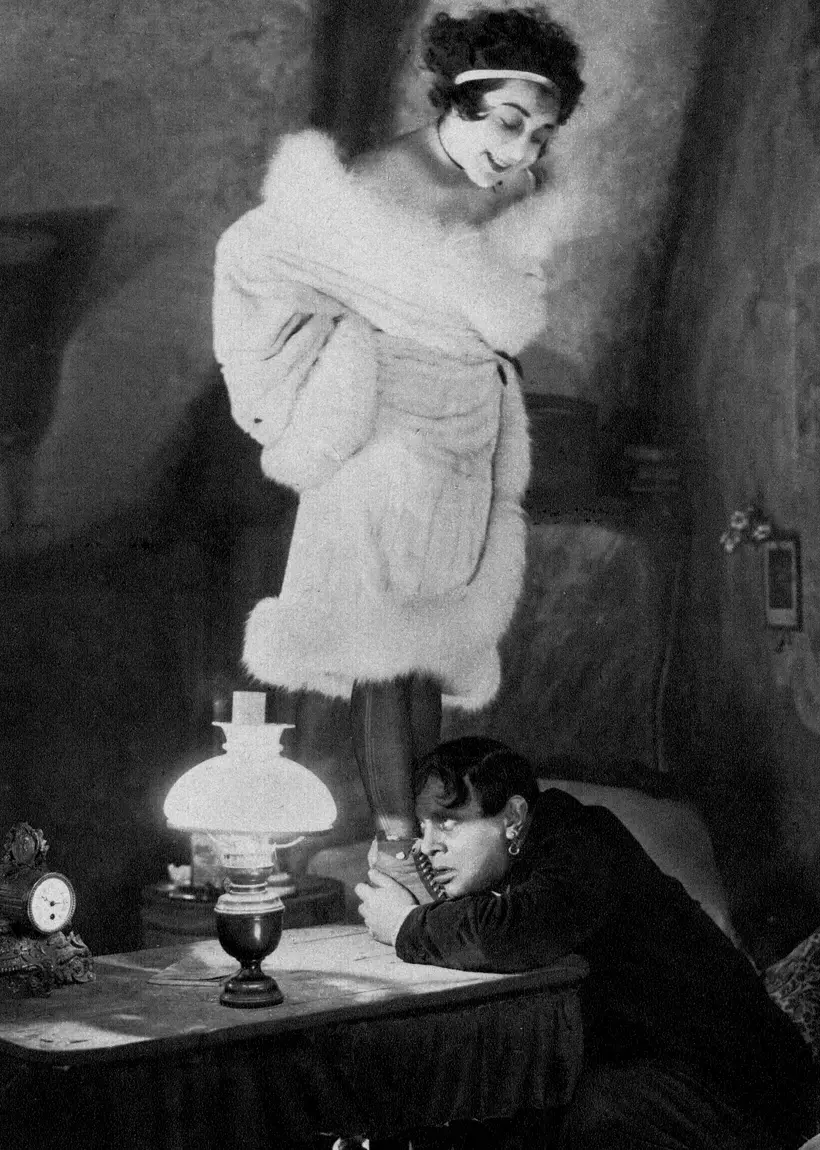
Furthermore, the editing in the film is surprisingly sophisticated for 1923. May uses cross-cutting to build suspense during the trial and the investigation, creating a sense of mounting dread. The pacing is deliberate, allowing the characters room to breathe and the audience time to absorb the weight of the unfolding events. It lacks the frenetic, often disjointed energy of Bulling the Bolshevik, opting instead for a slow-burn approach that pays off in its devastating climax. The film respects the viewer's intelligence, trusting them to navigate the intricacies of its plot and the nuances of its emotional landscape.
As we look back at The Tragedy of Love from a distance of over a century, its power remains undiminished. It stands as a testament to the creative fertility of the Weimar Republic, a period that produced some of the most influential works in cinematic history. While Joe May is often overshadowed by contemporaries like Fritz Lang or F.W. Murnau, this film proves that he was a director of equal stature, capable of orchestrating complex narratives with a keen eye for both visual beauty and psychological depth. The film’s exploration of the intersection between personal passion and social justice remains as relevant today as it was in 1923.
The supporting cast, featuring stalwarts like Rudolf Forster and Charlotte Ander, provides a rich background of performances that flesh out the film’s world. Each character, no matter how small, feels like a complete individual with their own motivations and flaws. This ensemble approach adds to the film’s sense of scale, making it feel like a true epic. It is a stark contrast to the more focused, character-driven narratives like Solen der dræbte. In May’s hands, the tragedy is not just a personal one; it is a collective failure of a society that has lost its way.
In the end, The Tragedy of Love is a haunting experience. It lingers in the mind long after the final frame has faded. It is a film that demands to be seen on the largest screen possible, where its grand vistas and intimate close-ups can be fully appreciated. It is a reminder of the power of silent cinema to communicate complex ideas and profound emotions without the need for a single spoken word. For anyone interested in the history of film, or simply in a powerful, well-told story, Joe May’s masterpiece is essential viewing. It is a dark, beautiful, and deeply moving exploration of the human condition, rendered with a level of artistry that remains breathtaking to this day. It is, quite simply, one of the great achievements of the silent era, a film that continues to speak to us across the decades with an eloquence and an intensity that is truly timeless.
The preservation of such a work is a gift to future generations of film lovers. As we navigate our own complex social and legal landscapes, the lessons of The Tragedy of Love—about the fallibility of judgment and the destructive power of unchecked emotion—resonate with a startling clarity. It is a film that challenges us to look beneath the surface of things, to question our assumptions about guilt and innocence, and to recognize the inherent tragedy in the human struggle for love and justice in an indifferent world.
IMDb 6
1935
Community
Log in to comment.