DbcultAccessing Vault...
5.5/10
Senior Film Conservator
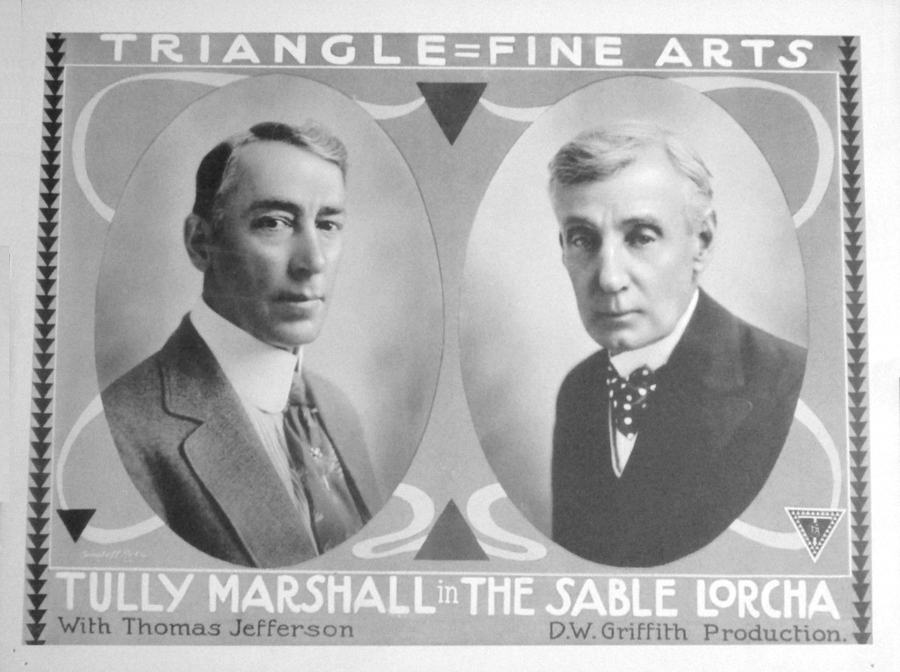
A definitive 5.5/10 rating for a film that redefined the boundaries of cult cinema. The Sable Lorcha remains a cornerstone of transgressive art.
The year 1915 stands as a watershed moment in the evolution of the moving image, a period where the primitive flickers of the nickelodeon began to coalesce into the sophisticated visual language we recognize as modern cinema. Amidst this ferment of creativity, The Sable Lorcha emerges not merely as a relic of the silent era, but as a searing, psychologically dense exploration of the human condition under duress. Directed with a surprising penchant for atmospheric tension, this film delves into the dark recesses of identity, leveraging the 'evil twin' trope not for comedic farces, but for a visceral descent into a purgatorial landscape of mistaken identity and state-sanctioned agony.
At the heart of Horace Hazeltine’s narrative—expertly adapted for the screen by Cecil B. Clapp—is the terrifying proposition that our physical form is a treacherous witness. The protagonist, portrayed with a haunting, wide-eyed vulnerability by Earle Raymond, finds himself an alien in a land where his very face is a death warrant. The film’s preoccupation with the doppelgänger reflects a burgeoning societal anxiety regarding the permanence of the individual. In an era where fingerprinting and forensic science were in their infancy, the physical body was the ultimate evidence, and in The Sable Lorcha, that evidence is a lie. This thematic depth elevates the film above contemporary efforts like A Good Little Devil, which, while charming, lacks the existential bite found here.
The torture sequences, remarkably bold for the mid-1910s, are not merely gratuitous. They serve as a crucible, stripping away the protagonist’s civility and sanity. The 'Council of Seven,' the shadowy antagonistic force, represents an inscrutable, almost Lovecraftian authority that demands a pound of flesh, regardless of whose bones it clings to. This sense of inescapable doom mirrors the gritty realism found in The Crime of the Camora, yet The Sable Lorcha distinguishes itself through its specific focus on the internal collapse of the wrongly accused.
Visually, the film is a masterclass in the use of shadow and space. The production design captures a version of China that is both exoticized and profoundly claustrophobic. The titular vessel, the 'Sable Lorcha,' is filmed with an eye for the macabre—its masts cutting through the fog like the fingers of a drowning man. The use of deep focus, though primitive, allows the audience to feel the weight of the environment pressing in on the characters. While The Country Boy utilized pastoral light to evoke nostalgia, The Sable Lorcha weaponizes darkness to evoke a sense of spiritual malaise.
The cinematography by the uncredited camera operators of the Reliance-Majestic studio utilizes early tinting techniques to delineate between the 'safety' of the Western world and the 'peril' of the Eastern underworld. However, the true brilliance lies in the framing of the torture chamber—a space where the light is harsh and unforgiving, highlighting the perspiration and the genuine physical strain of the actors. This commitment to visual storytelling ensures that the film remains impactful even a century later, standing in stark contrast to the more theatrical staging of Scotland Forever.
One cannot discuss The Sable Lorcha without acknowledging the formidable presence of Tully Marshall. Marshall, a titan of the early screen, brings a chilling precision to his role, embodying the calculated malice that defines the film’s antagonistic forces. His performance provides a necessary counterweight to the frantic energy of the twins. Unlike the more standardized villainy seen in Ready Money, Marshall’s portrayal is nuanced, suggesting a man who is as much a slave to his code of vengeance as the protagonist is to his brother’s sins.
Loretta Blake, as the female lead, offers more than the typical 'damsel' archetype of the era. There is a palpable sense of agency in her movements, a desperate intelligence that drives the narrative forward during the film’s more languid stretches. While the cast of Arizona relied on rugged archetypes, the players here are required to navigate a much more complex emotional landscape, dealing with grief, confusion, and the metaphysical horror of seeing a loved one’s face on a stranger.
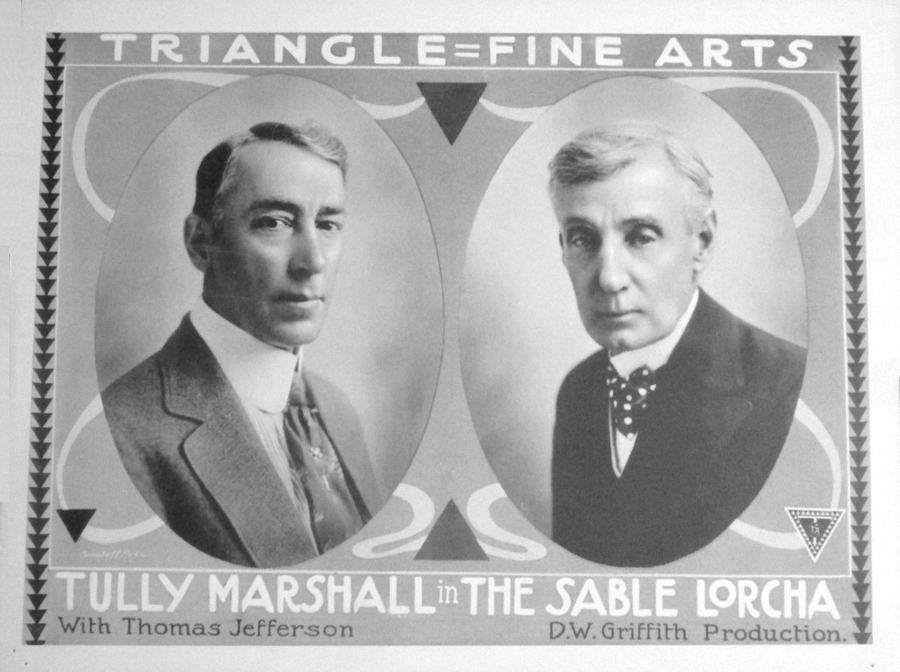
The script, penned by Cecil B. Clapp based on Hazeltine’s novel, is a marvel of pacing. In an age where many films were mere vignettes, The Sable Lorcha possesses a structural integrity that rivals the best of the Victorian sensation novels. It shares a certain DNA with the intricate plotting of The Deep Purple, yet it leans more heavily into the psychological ramifications of its premise. The revelation of the twin’s past crime is handled with a restraint that avoids the melodramatic pitfalls of Price of Treachery; Or, The Lighthouse Keeper's Daughter.
The dialogue cards are sparse, allowing the physical performances to carry the emotional weight. This is cinema at its most primal, relying on the Kuleshov effect before it was even formally codified—cutting from the face of the tortured man to the impassive masks of his captors to create a dialogue of suffering. The 'Sable Lorcha' itself becomes a character, a mute witness to the cyclical nature of violence. This maritime setting provides a unique texture, far removed from the high-society dramas like Sangue blu or the urban grit of Children of Eve.
It is impossible to ignore the cultural context in which The Sable Lorcha was produced. The early 20th century was rife with 'Yellow Peril' narratives, and while this film certainly indulges in some of those tropes, it also subverts them through its focus on universal human suffering. The 'East' is not just a place of mystery, but a mirror reflecting the protagonist’s own internal chaos. Unlike the more documentary-style approach of Un día en Xochimilco, this film uses its setting as a psychological landscape.
The portrayal of the Chinese justice system is undoubtedly filtered through a Western lens of the time, yet there is an undeniable craftsmanship in how the tension is built. It lacks the sentimentalism of David Copperfield or the tragic romance of Camille. Instead, it offers a cold, hard look at the machinery of vengeance. The film’s willingness to dwell in the discomfort of the torture scenes suggests a filmmaker interested in the limits of human endurance, a theme that would resonate in later decades but was shockingly avant-garde in 1915.
Technically, The Sable Lorcha pushes the boundaries of the medium. The editing is brisk, utilizing cross-cutting to build suspense in a way that feels surprisingly contemporary. While Call of the Bush or Playing Dead might have relied on more traditional narrative flows, this film experiments with the subjective experience of time, particularly during the protagonist’s periods of delirium. The use of close-ups—still a relatively new tool in the director’s arsenal—is used effectively to convey the intimate details of pain and the cold calculation of the antagonists.
The legacy of The Sable Lorcha lies in its refusal to offer easy catharsis. It is a film that lingers in the mind, much like the fog surrounding the eponymous ship. It challenges the viewer to consider the injustice of a world where one can be destroyed for the shadows cast by another. It is a haunting, evocative piece of work that deserves a place in the pantheon of early psychological thrillers, standing as a testament to the power of silent film to evoke profound, wordless terror.
In the final analysis, The Sable Lorcha is a triumph of atmosphere over artifice. It takes a potentially pulpy premise and imbues it with a sense of tragic inevitability. Through the exceptional performances of Earle Raymond and Tully Marshall, and the visionary writing of Clapp and Hazeltine, the film transcends its era. It remains a stark reminder that in the theater of life, we are often judged not by our own actions, but by the masks that others place upon us. For any serious student of cinema, this film is an essential viewing, providing a bridge between the melodramas of the past and the psychological complexities of the future.
IMDb —
1935
Community
Log in to comment.