DbcultAccessing Vault...
Cult Review
Senior Film Conservator
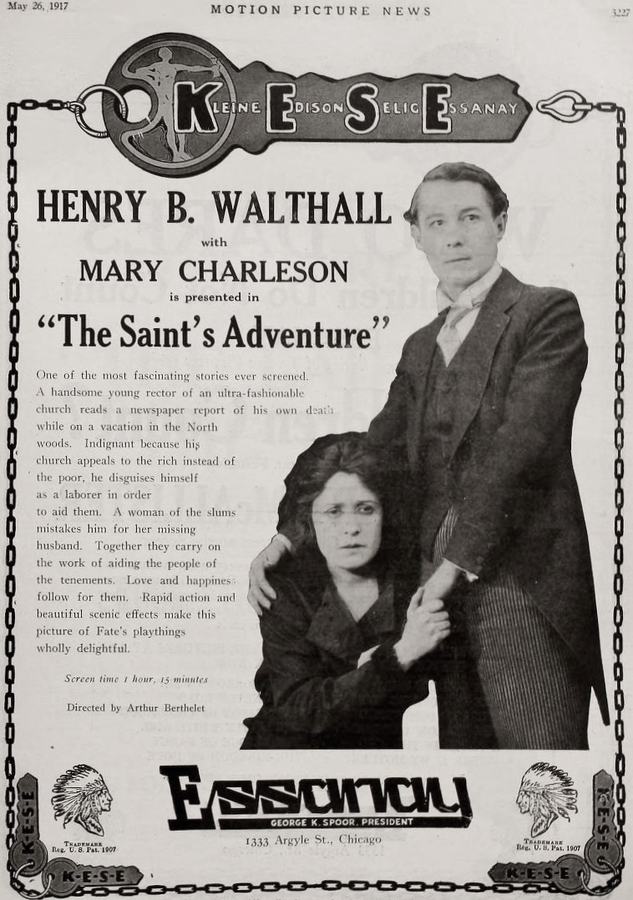
There are cinematic experiences that merely recount a narrative, and then there are those that unearth the profound complexities of human existence, meticulously challenging our preconceived notions of identity, moral imperative, and the very essence of redemption. The Saint's Adventure, a silent era masterpiece, unequivocally belongs to the latter, more potent category. It introduces us to a protagonist who, through a twist of fate, is pronounced deceased, only to embark upon a journey that paradoxically grants him his true vitality. He sheds the formal trappings of his spiritual office, abandoning the solemn confines of conventional piety for the gritty, tangible labor of civic salvation. This is no mere chronicle of benevolent acts; it is a meticulous examination of a soul's profound metamorphosis, a spiritual odyssey navigated through a secular guise, ultimately redefining the very concept of 'sainthood'. The film compels us to ponder the radical notion that true impact might necessitate a departure from societal expectations, a deliberate act of self-erasure to achieve a higher, more authentic purpose.
At the heart of this compelling drama lies Reverend Paul Manson, a man of profound spiritual authority whose inner compass, however, points towards a more direct, less didactic form of intervention in the festering urban decay of his beloved city. A mandated period of convalescence in the tranquil countryside inadvertently becomes the catalyst for his extraordinary transformation. An erroneous newspaper report, declaring his 'sudden death,' bestows upon him an unprecedented liberation – an existential carte blanche. Manson, with a keen awareness of the profound implications of this fabricated demise, embraces it not as an ultimate cessation, but as an audacious new beginning. He clandestinely re-enters his city, no longer the esteemed Reverend, but an anonymous harbinger of change, a spectral force in the machinery of social reform. This deliberate act of self-effacement, a spiritual shedding of his former persona, immediately distinguishes the film from more conventional morality plays. It propels us into a fundamental inquiry: what truly constitutes a life lived with purpose, and does genuine societal impact invariably demand a renunciation of established roles?
The casting of Bert Weston in the dual role of Reverend Paul Manson and Joe Farley is nothing short of inspired. Weston masterfully navigates the inherent dichotomy of the character with a nuanced intensity that transcends the often broad theatricality of the silent film era. His initial portrayal of Manson exudes a palpable sense of restrained yearning, a man visibly burdened by the limitations imposed by his clerical collar. Upon assuming the identity of Joe Farley, Weston undergoes a remarkable physical and emotional metamorphosis. His demeanor shifts, his expressions become more rugged and grounded, yet beneath this hardened exterior, the unyielding conviction of Manson subtly persists. It is a performance that communicates volumes without a single spoken word, eloquently conveying the profound internal conflict and the eventual triumph of a man grappling with a self-imposed, yet utterly liberating, deception. This layered portrayal is indispensable, as the audience must fully invest in both the reverend's initial idealism and Farley's street-wise pragmatism. Weston bridges this chasm with compelling authenticity, ensuring our unwavering support for his audacious, heartfelt venture. The subtle shifts in his posture and gaze, from the contemplative pastor to the determined man of the streets, are a testament to the power of silent acting, making his journey feel both authentic and deeply resonant.
The narrative takes an unexpected, yet utterly captivating, turn when Manson, now embodying 'Joe Farley', is instantaneously recognized by Sid Farley, a perceptive street urchin, as his long-absent father. This pivotal moment, steeped in dramatic irony, serves as the narrative's central fulcrum. It represents an involuntary integration into a pre-existing family unit, a domestic entanglement that Manson, in his singular pursuit of pure social work, had certainly not foreseen. Mary Charleson, in her portrayal of Mary Farley, the boy's mother, imbues her character with a quiet resilience and an understated dignity. Her initial recognition of 'Joe' is a complex tapestry woven from relief, suspicion, and a weary, yet hopeful, acceptance. Charleson masterfully communicates the unspoken history and the burgeoning, tentative optimism that this 'return' ignites within her desolate existence. The chemistry between Weston and Charleson is a beautifully orchestrated slow burn, evolving from a relationship founded on convenience and shared purpose into one of genuine affection and profound mutual understanding. This gradual unfolding of their bond provides a refreshing counterpoint to more instantaneous cinematic romances.
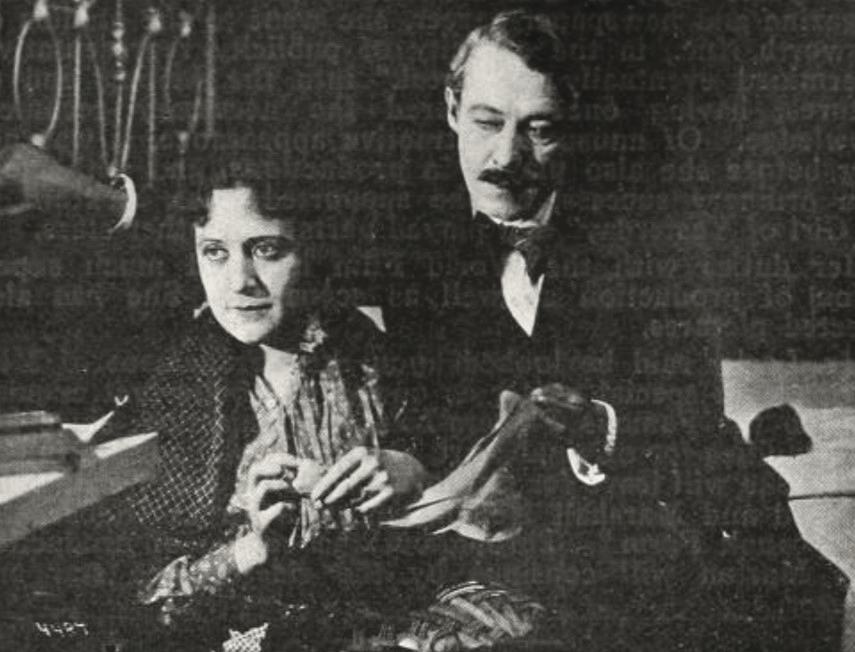
Initially, Manson maintains a deliberate emotional distance from Mary, fabricating a weariness of her presence. This narrative strategy ingeniously allows for a gradual, organic development of their relationship, sidestepping the pitfalls of an immediate, less believable romance. It is within the crucible of shared adversity, amidst the daily struggle to uplift the slum district, that Manson begins to perceive Mary not merely as a maternal figure for his adopted son, but as a woman possessing profound good impulses, unwavering strength, and an indomitable spirit. The film meticulously charts this emotional odyssey, illustrating how authentic human connection can flourish even within the most challenging environments. This arc of unexpected love resonates with the emotional depth often explored in films like The Heart of Lady Alaine, where unconventional relationships frequently transcend societal strictures to discover their true foundation. The film profoundly suggests that true love is not always found in grand, overt declarations, but in the quiet recognition of shared values, mutual respect, and a deep-seated empathy that binds souls together in the face of hardship.
The paramount objective of Manson's mission, meticulously executed under the guise of Joe Farley, is the systematic dismantling of the malevolent political ring that ruthlessly exploits the vulnerable slum dwellers. This facet of the film functions as a potent social drama, starkly illuminating the grim realities of urban poverty and the endemic corruption that frequently exacerbates it. The narrative architects, Judge Willis Brown and James Campbell, meticulously construct a story that, while perhaps imbued with a certain melodramatic flair characteristic of its era, nevertheless resonates with a powerful sense of injustice and a fervent appeal for systemic reform. The antagonists are not simplistic, two-dimensional villains, but rather embodiments of institutionalized avarice and chilling indifference, rendering Farley's struggle all the more arduous and his heroism more profound. The visual lexicon of early cinema, heavily reliant on stark contrasts between the ostentatious opulence of the corrupt elite and the squalid existence of the oppressed, powerfully conveys the moral urgency of Farley's crusade. The film's unflinching portrayal of these disparities serves as a poignant social commentary, reflecting the Progressive Era's burgeoning awareness of urban decay and the need for civic intervention.
The film's depiction of the slums, while perhaps filtered through a somewhat romanticized lens typical of early cinema, still effectively communicates a pervasive sense of genuine hardship and desperation. It serves as a stark, visceral backdrop against which acts of both profound cruelty and immense human kindness are dramatically played out. Farley's methodology is characterized by directness, hands-on engagement, and often confrontational tactics – a stark departure from the more indirect, persuasive influence typically wielded by a Reverend. This significant shift underscores the film's central philosophical proposition: that true, lasting change sometimes necessitates a shedding of polite societal formalities and a direct, unyielding engagement with the inherent ugliness of the world. The ultimate triumph over the corrupt political ring is not merely a convenient plot resolution; it represents a profound symbolic victory for the voiceless, a powerful testament to the transformative power of one determined individual to catalyze widespread change. This thematic exploration of systemic evil confronted by individual heroism finds potent echoes in other compelling dramas of the era, such as The Fatal Ring, where characters frequently find themselves locked in battles against formidable, deeply entrenched forces, fighting for justice against overwhelming odds.
The climactic moment of recognition, when Mrs. Sewell Wright unequivocally identifies 'Joe Farley' as the supposedly deceased Reverend Manson, is orchestrated with considerable dramatic acumen and palpable tension. It represents the inevitable convergence of his two disparate identities, the moment of truth that threatens to dismantle the meticulously constructed facade. However, by this crucial juncture in the narrative, Manson's profound transformation is complete and irreversible. He has not merely achieved success in his mission to uplift the impoverished slums; he has discovered a profound sense of belonging, an authentic familial connection, and a love that transcends the boundaries of his former spiritual vows. His ambition, once a lofty, somewhat abstract ideal, has been concretized through tangible action and deeply personal, human relationships. The stark choice he confronts is clear: to revert to his former life of clerical duty, or to wholeheartedly embrace the vibrant new existence he has painstakingly forged through sacrifice and genuine connection. This dramatic tension, the push and pull between past and present, is a hallmark of compelling storytelling.
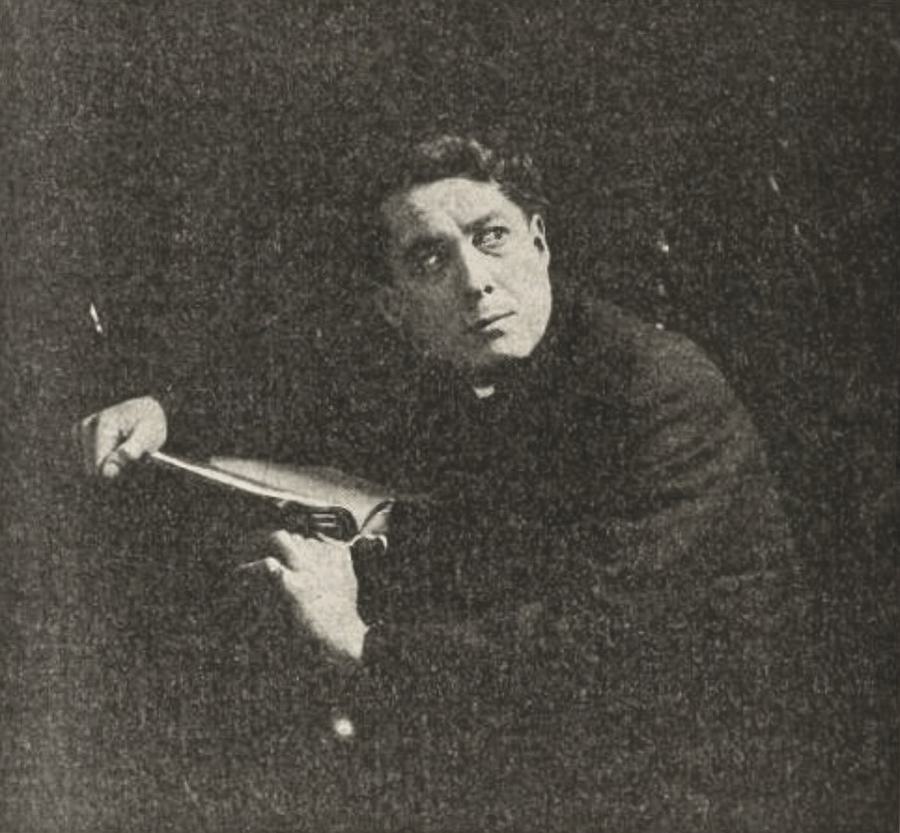
His resolute decision to remain in the slums and marry Mary stands as the film's most poignant and powerful declaration. It is a resounding rejection of restrictive societal expectations and a profound affirmation of self-discovery and authentic purpose. Manson, the Reverend, symbolically dies for good, giving way to Joe Farley, the man who discovered his true calling not within the confines of a pulpit, but in the challenging trenches of human suffering and the embrace of genuine love. This profound resolution challenges the very conventional definition of a 'saint'. Is it an individual who preaches from a position of detached sanctity, or one who fully immerses themselves in the beautiful, messy complexity of human existence, finding grace and profound purpose in the most unexpected of places? The film unequivocally champions the latter, suggesting that true sainthood might reside not in rigid spiritual dogma, but in selfless action, heartfelt compassion, and an unshakeable commitment to humanity. This thematic resolution offers a striking parallel to the journey of self-discovery and societal impact often portrayed in narratives such as A Naked Soul, where characters frequently confront and courageously redefine their core identities in pursuit of truth and meaning.
Beyond the compelling central performances of Weston and Charleson, the film benefits immensely from a robust supporting cast, including Patrick Calhoun, Frances Raymond, Ellis Paul, and the venerable Henry B. Walthall. Walthall, a seasoned veteran of the screen, infuses his role, however minor, with a gravitas and nuanced presence that firmly anchors the more fantastical elements of the plot in a believable reality. The directorial choices, while naturally adhering to the established conventions of the silent era, consistently demonstrate a keen, insightful understanding of visual storytelling. The judicious use of close-ups to convey intricate emotional states, the striking visual contrasts between the opulent lifestyles of the corrupt and the stark squalor of the oppressed, and the dynamic, impactful staging of the slum battles all coalesce to create a truly compelling and immersive cinematic experience. The film's pacing is deliberately measured, allowing the intricate emotional arcs to develop with authentic believability, yet it never succumbs to sluggishness, maintaining a steady, engaging build of dramatic tension and heartfelt sentiment. This careful equilibrium between deliberate dramatic pacing and profound character development is a hallmark of cinematic excellence, much like the meticulously crafted narrative of The Silent Partner, where every scene and every character contributes meaningfully to the overall emotional and thematic impact. The film's ability to communicate such complex themes through purely visual means is a testament to the artistry of silent cinema and the skill of its creators.
The Saint's Adventure endures as a powerful and resonant testament to the timeless appeal of narratives centered on personal transformation and profound societal betterment. It is a story that effortlessly transcends its historical context, speaking with remarkable clarity and urgency to universal themes of identity, sacrifice, and the relentless human quest for meaningful purpose. The film's audacious premise — a man orchestrating his own 'death' to genuinely live — is handled with such an unwavering sincerity that it becomes utterly believable and profoundly moving. It challenges audiences to look beyond superficial appearances and to critically interrogate where true virtue and lasting impact genuinely reside. Is it within the hallowed, often detached, halls of traditional institutions, or in the gritty, hands-on, deeply empathetic work of making a tangible, immediate difference in the lives of the marginalized and forgotten? This exploration of where true 'sainthood' lies is what gives the film its enduring philosophical weight and makes it more than just a period piece; it's a timeless inquiry into human values.
The poignant final image of Manson, now fully embraced as Joe Farley, choosing his new life alongside Mary in the vibrant, beating heart of the community he so valiantly saved, is far more than a simple 'happy ending'; it is a profound philosophical declaration. It eloquently suggests that the greatest adventure one can undertake is the arduous journey inward, to courageously discover one's most authentic self, and simultaneously, the expansive journey outward, to connect with humanity in its rawest, most unvarnished form. This film, brought to life by the insightful vision of its writers and the skilled hands of its director, remains a compelling and deeply rewarding watch. It serves as a powerful reminder that sometimes, we must undergo a symbolic death to our old selves to truly experience a profound rebirth. Its masterful blend of incisive social commentary, tender romantic drama, and compelling spiritual quest offers a rich, deeply satisfying cinematic experience that resonates long after the final frame has faded. It is a film that boldly dares to ask what happens when a man of God transforms into a man of the people, and in doing so, discovers his true divinity not in the heavens, but in the crucible of a city's struggle and the unexpected, loving embrace of a newly found family. The journey of self-discovery and the pursuit of a greater good, even when it demands the ultimate sacrifice of one's former identity, is a theme that echoes powerfully in many profound narratives, including the compelling character development often seen in A Woman's Way, which frequently explores personal growth and resilience through challenging, transformative circumstances.

IMDb 6
1935
Community
Log in to comment.