DbcultAccessing Vault...
Cult Review
Senior Film Conservator
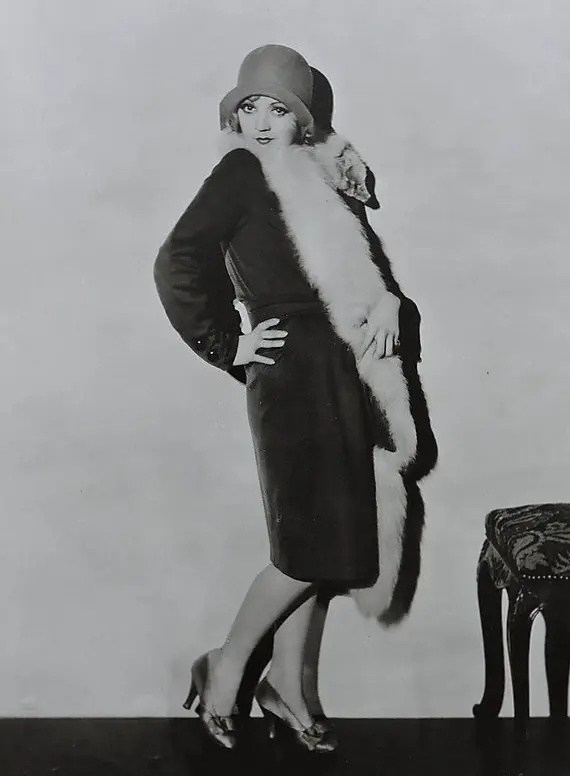
Is The Satin Woman worth watching today? Short answer: no, unless you are a dedicated historian of silent-era social problem films or a Dorothy Davenport completist.
This film is specifically for those who enjoy dissecting the evolution of domestic melodrama and the transition of 1920s moral standards. It is absolutely not for anyone seeking modern pacing, high-stakes thrills, or the visual experimentation found in contemporary avant-garde works of the same period.
1) This film works because Dorothy Davenport (credited as Mrs. Wallace Reid) brings a heavy, somber gravitas to the role of a neglected wife that feels grounded in real-world exhaustion.
2) This film fails because its pacing is glacial and its moralistic conclusion feels unearned after a runtime spent flirting with more interesting, scandalous themes.
3) You should watch it if you want to see how the 'social problem' genre was handled by one of the era's most influential female producers and stars.
The Satin Woman, directed by Walter Lang, is a film that feels caught between two worlds. On one hand, it wants to be a sophisticated social drama about the neglect inherent in the upwardly mobile American family. On the other, it falls back on the safe, somewhat tired tropes of the 'woman in peril' subgenre. It lacks the visceral punch of Dark Secrets, opting instead for a more polite, albeit tedious, exploration of a marriage in decay.
The story centers on Jean Taylor, played by Davenport with a weary dignity. Her husband is the classic archetype of the 1920s workaholic—a man who believes that providing a mansion and fine clothes is the sum total of his marital obligations. The friction starts not with a bang, but with a series of small, agonizing silences. The scenes where the couple sits at opposite ends of a long dining table are perhaps the most effective visual metaphors in the film, though they are repeated until the point of exhaustion.
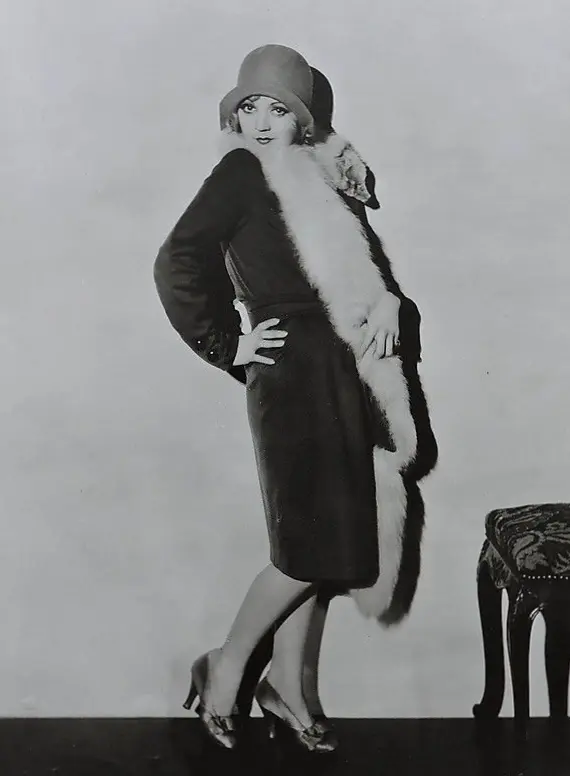
Dorothy Davenport was more than just an actress; she was a brand. After the tragic death of her husband, Wallace Reid, she dedicated her career to films with a moral or social message. In The Satin Woman, she isn't just playing a character; she's delivering a sermon on the importance of domestic attention. Her performance is internal, almost to a fault. There are moments where her stillness is haunting, but in the context of a silent film, it sometimes borders on the static.
John Miljan, as the 'other man,' provides the necessary contrast. He is oily, charming, and dangerous in the way that only a silent film antagonist can be. His performance reminds me of the predatory nature seen in The Midnight Guest, though Miljan plays it with a bit more high-society polish. Alice White also makes an appearance, bringing a much-needed levity to the proceedings. Her energy is a sharp departure from Davenport's gloom, and for a few minutes, the film actually feels like it belongs in the Jazz Age.
Walter Lang, who would go on to direct massive Technicolor musicals like The King and I, shows early signs of his ability to manage large sets and social gatherings here. The party scenes are well-staged, capturing the dizzying, shallow nature of the era's social climbing. However, the cinematography is largely utilitarian. Unlike the experimental visuals of Rhythmus 23, the camera work here is static and subservient to the actors.
There is a specific scene where Jean Taylor looks at her reflection in a satin gown—the titular garment. The lighting here shifts slightly, emphasizing the texture of the fabric versus the tiredness in her eyes. It’s a rare moment of visual storytelling that transcends the title cards. But these moments are few and far between. Most of the film is shot in medium-wide angles that fail to capture the intimacy the script demands.
If you are looking for entertainment that holds up to modern standards, the answer is a firm no. The Satin Woman is slow, often repetitive, and its central conflict could be solved with a five-minute conversation. However, if you are interested in the history of female filmmakers and the 'Mrs. Wallace Reid' production house, it is a vital piece of the puzzle. It represents a specific moment in time when cinema was used as a tool for social correction.
Compared to the lighthearted antics of The Plumber or the animated joy of Feline Follies, The Satin Woman is a dour experience. It demands patience that many modern viewers simply won't have. It is a film that works better as a historical document than as a piece of narrative cinema.
Pros:
- Strong, dignified lead performance by Davenport.
- Interesting historical look at 1920s domestic expectations.
- Competent production design that captures the era’s opulence.

Cons:
- Glacial pacing that makes 70 minutes feel like three hours.
- A predictable plot that lacks the bite of Guilt.
- Heavy-handed moralizing that dates the film significantly.
One cannot discuss The Satin Woman without addressing the rhythm. In an era where films like Dick Turpin's Ride to York were mastering the art of the chase and the thrill, this film feels stuck in the mud. The transition from Jean’s realization of her neglect to her decision to act takes up nearly half the film. By the time the 'scandal' actually begins, the audience is likely to have lost interest.
The editing doesn't help. Cuts are often made at the end of long, lingering shots of characters looking pensively into the distance. It’s a style that was common in the early 20s but felt increasingly archaic by 1927, as the language of cinema was becoming more dynamic. Even a film like Sally in Our Alley managed a more engaging flow with less complex material.
Here is a debatable opinion: The Satin Woman is actually a proto-feminist film that accidentally undermines its own message. While the ending forces Jean back into the 'safety' of her husband’s arms, the middle act suggests that she was far more alive and engaged when she was flirting with danger. The film wants us to judge her, but the camera can't help but find her more interesting when she’s being 'bad.' This creates a fascinating tension that I don't think Walter Lang or Dorothy Davenport fully intended.
It reminds me of the moral ambiguity found in The Cost, where the consequences of one's actions are weighed against the stagnation of a 'proper' life. The Satin Woman is terrified of its own implications. It flirts with the idea of a woman finding independence through scandal, then quickly retreats to the safety of a domestic apology.
The Satin Woman is a fascinating failure. It is a film with a clear mission—to warn against the dangers of marital neglect—but it lacks the narrative courage to follow its characters to their natural conclusions. Dorothy Davenport is, as always, a commanding presence, but she is trapped in a script that feels like a Sunday school lesson written by someone who had only ever heard of parties through a closed door.
It works. But it’s flawed. If you want a taste of the 1920s that has more energy, look at South Sea Love. If you want a film that understands the weight of a woman's reputation, look at Dark Secrets. But if you want to see the exact moment where the silent melodrama began to lose its grip on the American public, The Satin Woman is your prime exhibit. It is a slow, satin-wrapped descent into the obvious.
IMDb 6.1
1921
Community
Log in to comment.