DbcultAccessing Vault...
7.1/10
Senior Film Conservator
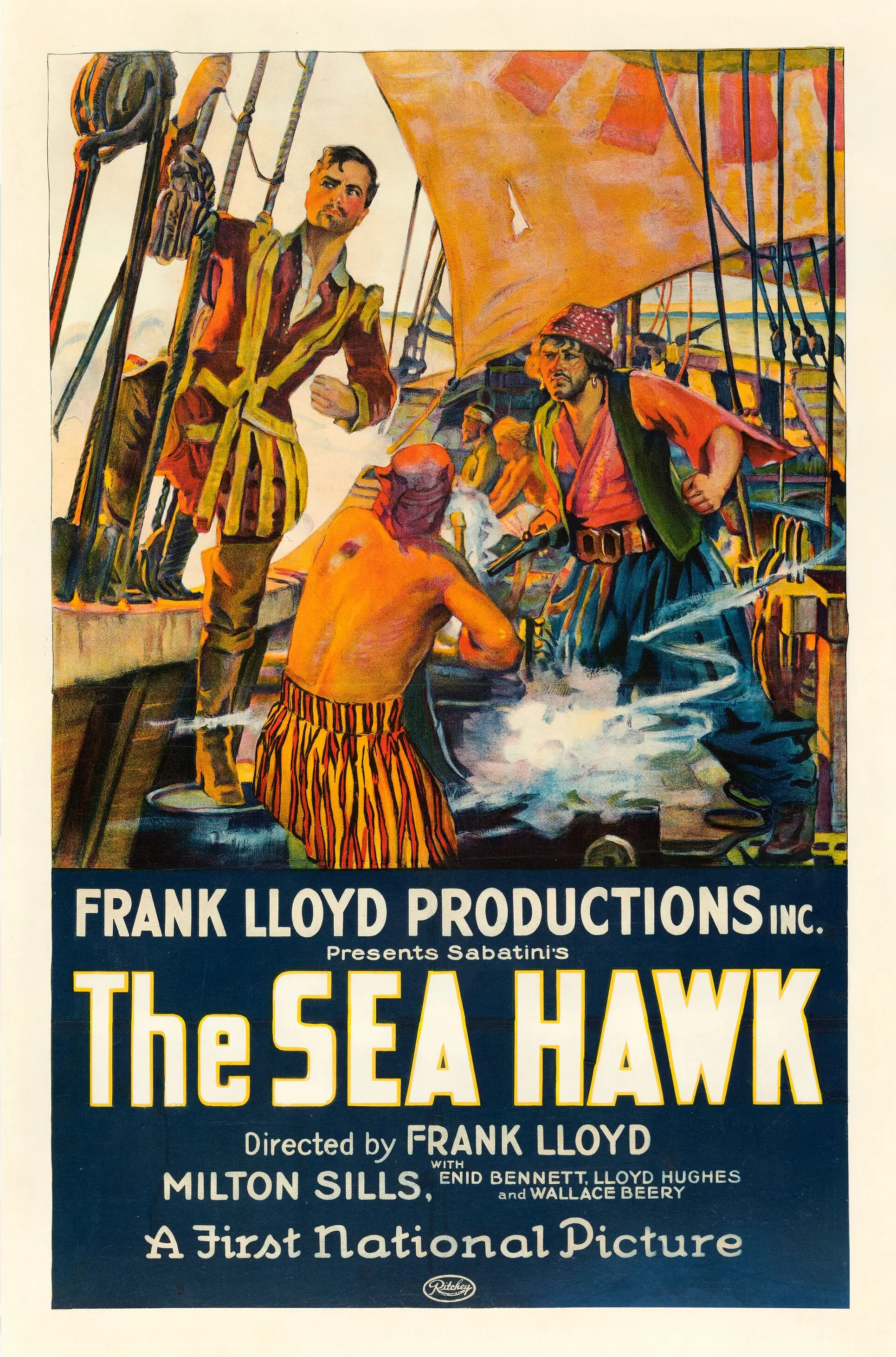
A definitive 7.1/10 rating for a film that redefined the boundaries of cult cinema. The Sea Hawk remains a cornerstone of transgressive art.
Ahoy, fellow cinephiles and connoisseurs of the silver screen's formative years! Today, we embark on a thrilling voyage back to 1924, a year brimming with cinematic innovation, to revisit a veritable titan of the silent era: Frank Lloyd’s monumental adaptation of Rafael Sabatini’s novel, The Sea Hawk. This isn't merely a film; it's an expansive, breathtaking epic that encapsulates the very essence of grand adventure, profound injustice, and the untamed spirit of rebellion against an unforgiving world.
In an age where storytelling relied solely on visual artistry, emotive performances, and the evocative power of a live orchestral score, The Sea Hawk rises like a majestic galleon, sails unfurled, defying the passage of time. It’s a testament to the enduring power of narrative when executed with such masterful craftsmanship. For those accustomed to the rapid-fire dialogue and intricate soundscapes of modern cinema, diving into a silent film might feel like an archaeological expedition. Yet, I assure you, the rewards are immeasurable. Here, every flicker of an eye, every sweeping gesture, every meticulously choreographed sword fight speaks volumes, painting a canvas of emotion and action that transcends the spoken word.
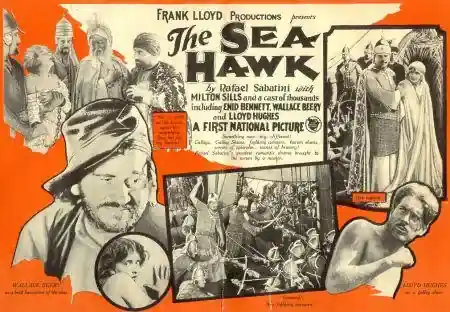
At its heart, The Sea Hawk is a sprawling tale of transformation and vengeance, penned by the masterful hand of Rafael Sabatini and brought to life on screen by the collaborative genius of writers Walter Anthony and J.G. Hawks. We are introduced to Sir Oliver Tressilian, portrayed with a compelling gravitas by the formidable Milton Sills. Sills, a towering figure of silent cinema, imbues Tressilian with an initial air of aristocratic dignity, a man of honor residing in the tranquil English countryside. He is betrothed to the radiant Lady Rosamund, played by the luminous Enid Bennett, whose delicate beauty and spirited demeanor perfectly complement Sills' more stoic presence. Their love, a beacon of purity, is tragically snuffed out by the cruel machinations of Sir Oliver's conniving half-brother, Lionel Tressilian (Wallace MacDonald), and the insidious Sir John Killigrew (Marc McDermott).
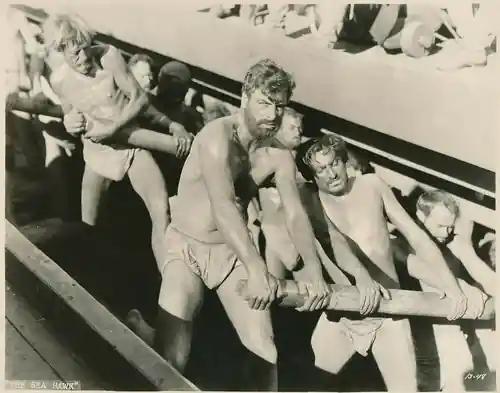
Through a vile conspiracy, Sir Oliver is framed for murder, his reputation irrevocably tarnished, his future stolen. The injustice is palpable, a gut-wrenching betrayal that resonates deeply. Condemned to the brutal servitude of a galley slave, he endures unimaginable torment, chained to an oar, forced to power the very vessels that symbolize his captivity. This segment of the film is particularly harrowing, a stark depiction of human suffering that highlights the depths of his despair. The transformation from a refined gentleman to a hardened, embittered captive is not merely physical; it’s a profound spiritual metamorphosis. Sills conveys this internal struggle with remarkable subtlety and power, his eyes, often the most expressive tools in a silent actor's arsenal, mirroring the profound shift within his character's soul.
However, the spirit of Sir Oliver Tressilian is not one to be easily broken. His escape from the galley, a moment of exhilarating, desperate freedom, marks the genesis of his new identity: Sakr-el-Bahr, 'The Sea Hawk.' He rises from the depths of despair to become a feared and respected corsair captain, commanding a fleet of Barbary pirates. This isn't a simple shift from good to evil; it's a complex embrace of a morally ambiguous existence, driven by a thirst for justice that conventional society denied him. His journey is one of reclaiming agency, of forging a new destiny on the high seas, where the rules of English aristocracy hold no sway. This narrative arc, from the depths of ignominy to the pinnacle of pirate power, is executed with a sweeping grandeur that is utterly captivating. It reminds one, in its thematic exploration of societal outcasts finding power, of the struggles depicted in films like The Man Who Won, though The Sea Hawk elevates the stakes to an international, high-seas scale.
Milton Sills' portrayal of Sir Oliver/Sakr-el-Bahr is nothing short of iconic. He commands the screen with a powerful yet nuanced performance, conveying a spectrum of emotions — from gentlemanly grace to seething rage, from profound sorrow to resolute determination — all without uttering a single word. His physical presence is imposing, perfectly suited for the role of a swashbuckling hero, and his ability to convey inner turmoil through subtle expressions is a masterclass in silent acting. Enid Bennett, as Lady Rosamund, provides a poignant counterpoint to Sills' intensity. Her character embodies steadfast loyalty and a quiet strength, her despair over Sir Oliver's perceived demise and her subsequent resolve adding significant emotional weight to the narrative. Her scenes are imbued with a delicate sensibility, making her a truly sympathetic figure.

The supporting cast is equally robust, contributing significantly to the film's rich tapestry. Wallace Beery, a name that would become synonymous with Hollywood character acting, delivers a memorable performance as Captain Jasper Leigh, a gruff but ultimately loyal figure who aids Sir Oliver in his transformation. Beery's naturalistic style, even in the silent era, brings a refreshing earthiness to his role. Marc McDermott's Sir John Killigrew is suitably villainous, a sneering, manipulative antagonist whose perfidy drives much of the initial conflict. Wallace MacDonald as Lionel Tressilian, the treacherous half-brother, also plays his part with convincing malice. The ensemble, including figures like Kathleen Key, Lionel Belmore, and William Collier Jr., each contribute to the authentic feel of this historical epic. Their collective performances, guided by Lloyd’s meticulous direction, create a believable and immersive world.
Director Frank Lloyd, a prolific and respected filmmaker of his era, orchestrates this grand narrative with an assured hand. His direction is characterized by a keen eye for spectacle and an unwavering focus on character development. The naval sequences are particularly astonishing for their time, featuring meticulously constructed ship models, large-scale sets, and dynamic action that still holds up remarkably well. The battles at sea are thrilling, a whirlwind of cannon fire, clashing cutlasses, and daring maneuvers that showcase the technical prowess of 1920s filmmaking. Lloyd's ability to balance the intimate drama of Sir Oliver’s personal journey with the sweeping grandeur of naval warfare is commendable. He masterfully uses wide shots to convey the scale of the pirate fleet and the vastness of the ocean, contrasting them with tighter compositions that highlight the emotional intensity of individual encounters.

The production design is exquisite, transporting the audience to 17th-century England and the exotic, sun-drenched shores of the Barbary Coast. The costumes are historically accurate and lavish, adding another layer of authenticity to the visual experience. From the intricate lace collars of English nobility to the rugged attire of the corsairs, every detail contributes to the immersive quality of the film. The use of location shooting, combined with impressive studio sets, creates a rich and varied backdrop for the unfolding drama. One cannot help but be struck by the sheer ambition and execution of such a vast production, especially considering the technical limitations of the era. This commitment to visual storytelling without the aid of dialogue truly distinguishes The Sea Hawk. It eschews the more intimate, character-driven focus of films like Caste, opting instead for a panoramic scope that captures the imagination.
Beyond the thrilling action and romantic entanglements, The Sea Hawk delves into profound thematic territory. It explores the blurred lines between justice and revenge, questioning whether an individual wronged by society is justified in operating outside its laws to seek retribution. Sir Oliver's transformation into Sakr-el-Bahr forces the audience to grapple with these moral ambiguities. Is he a villain for embracing piracy, or a hero fighting for his own form of justice against a corrupt system? The film suggests a complex answer, portraying his actions not as purely malicious but as a desperate bid for self-preservation and a means to right the wrongs inflicted upon him. His alliance with the Moorish pirates, often depicted as antagonists in Western narratives, further complicates the moral landscape, challenging conventional notions of good versus evil.
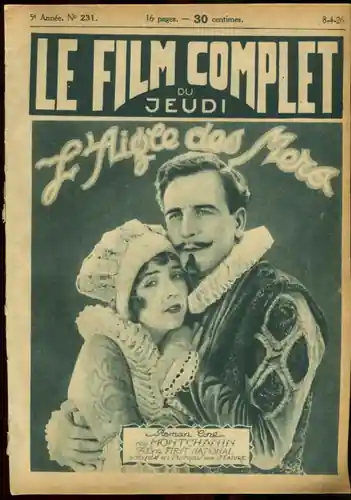
The theme of loyalty is also central, manifesting in various forms: Lady Rosamund's unwavering devotion, Captain Jasper Leigh's steadfast support, and the shifting allegiances within the pirate crew itself. The film posits that true loyalty transcends societal labels and can be found in the most unexpected places. Furthermore, The Sea Hawk is a powerful commentary on the rigidity of class structures and the arbitrary nature of justice in an aristocratic society. Sir Oliver, despite his noble birth and honorable character, is discarded by a system that prioritizes appearances and power over truth. His subsequent rise as a pirate king is a defiant rejection of this system, a declaration of independence that resonates with a timeless appeal for freedom and self-determination. This struggle against an oppressive system, though set on the high seas, echoes the spirit of defiance found in narratives like Murphy of Anzac, albeit in a dramatically different context.
While the sound era would soon dawn, irrevocably altering the landscape of cinema, The Sea Hawk stands as a magnificent example of what silent film could achieve at its zenith. It is a testament to the artistry of its director, writers, and cast that this film continues to captivate audiences nearly a century later. Its influence can be seen in countless swashbucklers that followed, from Errol Flynn's iconic turn in the 1940 remake (which, while excellent, is a very different beast) to modern adventure epics. The sheer scale of its production, the depth of its characterizations, and the timeless appeal of its narrative ensure its place in cinematic history.
For those interested in the evolution of film, The Sea Hawk offers invaluable insight into the storytelling techniques and visual language developed during the silent era. It demonstrates how filmmakers, without spoken dialogue, could convey complex plots, nuanced emotions, and thrilling action with remarkable clarity and impact. The film's reliance on visual cues, title cards, and the evocative power of a musical score (which, though absent in its original form for most modern viewings, was integral to its initial presentation) forces the viewer to engage with the narrative on a deeper, more imaginative level. It's a reminder that cinema, at its core, is a visual medium, and that some of its most profound stories can be told with exquisite silence.
In an era that also produced charming, if less epic, works like Pep or A Pair of Pink Pajamas, The Sea Hawk truly stands apart in its ambition and execution. It’s a grand spectacle that doesn't compromise on emotional depth. It's a film that demands to be seen, not just as a historical artifact, but as a vibrant, thrilling piece of entertainment that continues to resonate with its themes of justice, love, and the indomitable human spirit.
So, if you seek a cinematic adventure that will sweep you off your feet, transport you to a bygone era of high-seas derring-do, and introduce you to a hero forged in the crucible of injustice, then hoist the colours and set sail with The Sea Hawk. It is a timeless journey, meticulously crafted by Frank Lloyd and brought to life by a stellar cast, a true gem in the crown of silent cinema. Its narrative power, visual splendor, and compelling performances ensure its enduring legacy as one of the finest swashbuckling films ever made.
IMDb —
1925
Community
Log in to comment.