DbcultAccessing Vault...
Cult Review
Senior Film Conservator
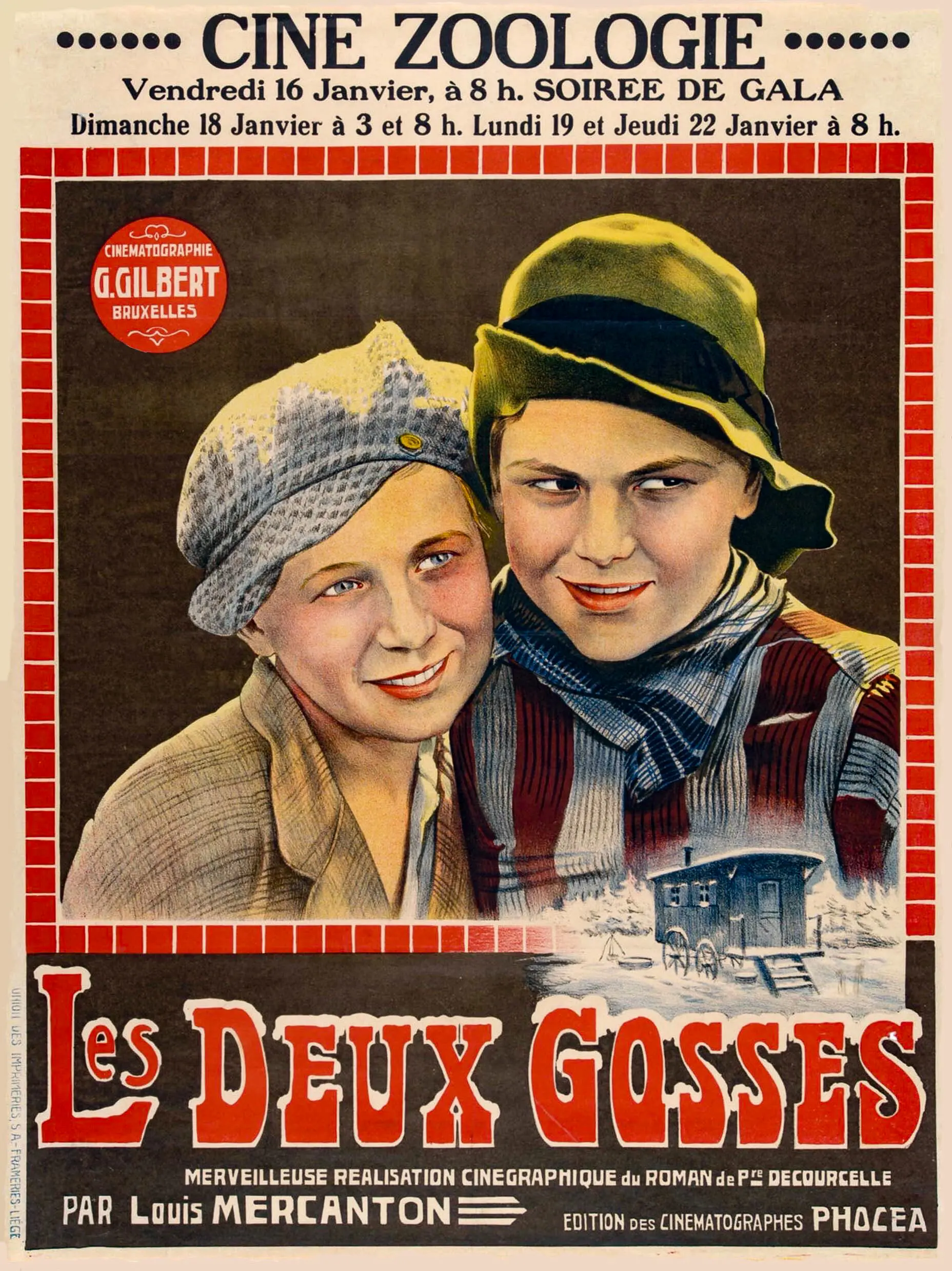
In the realm of silent cinema, 'Les deux gosses' emerges as a poignant narrative that probes the complexities of human relationships, primarily through the lens of paternity, deception, and the unyielding bonds of friendship. The film, helmed by a visionary director, weaves a tale that not only captivates but also invites introspection on the part of its audience.
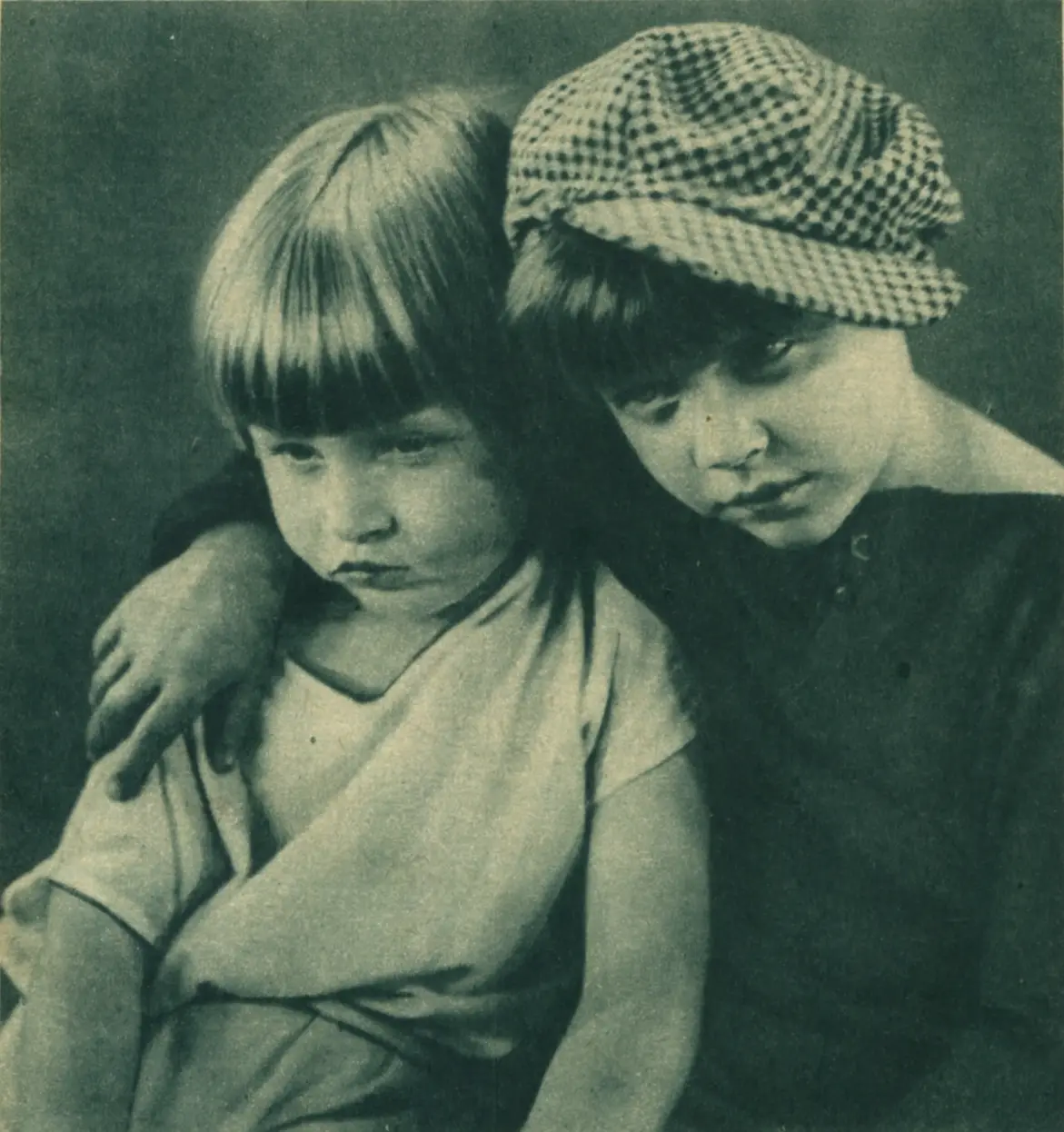
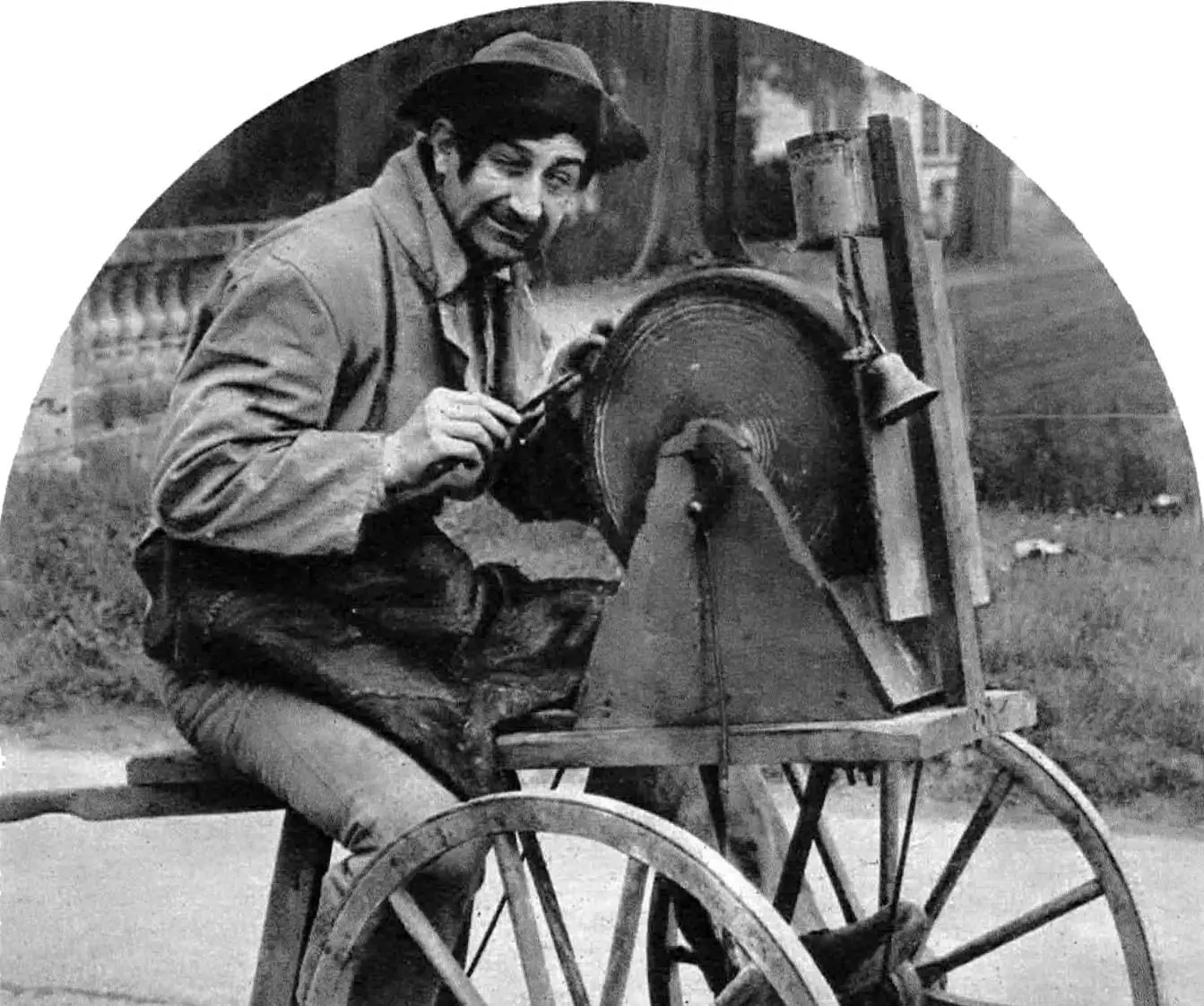
The story commences with Comte Georges de Kerlor, a man consumed by the conviction of his wife's infidelity and the resultant doubt about the paternity of his son, Jean. Driven by a toxic mix of jealousy and despair, he makes the fateful decision to entrust Jean to a criminal, who coincidentally has a son of his own named Claudinet. This decision sets off a chain of events that would irrevocably alter the lives of both boys.
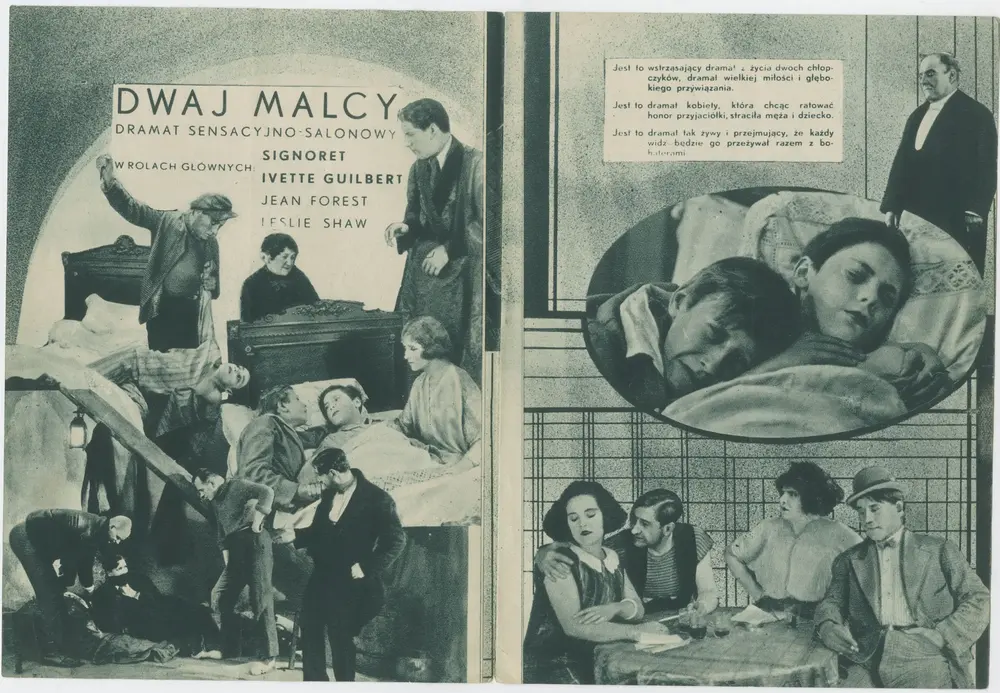
As Jean grows up alongside Claudinet under the care of their surrogate father, an undeniable synergy develops between them. They evolve into inseparable companions, a bond fortified by their shared experiences and the unconditional support they offer each other. This portrayal of their relationship serves as the emotional core of the film, illuminating the resilience of human connections in the face of adversity.
The narrative expertly navigates through themes that resonate deeply with audiences, even in the contemporary era. It brings to the fore questions about the essence of family, the impact of deception, and the transformative power of friendship. Through its characters, 'Les deux gosses' delineates the spectrum of human emotions, from the darkest depths of jealousy and despair to the luminous heights of love and loyalty.

Jeanne Rollette, Édouard Mathé, and the rest of the cast bring to life the characters with a depth that adds layers to the narrative. Their performances are testaments to the skill and sensitivity required to convey the complexity of their characters' emotions without the aid of spoken dialogue. The cinematography, too, deserves accolades for capturing the essence of the era and the ambiance necessary to immerse the audience in the world of 'Les deux gosses'.
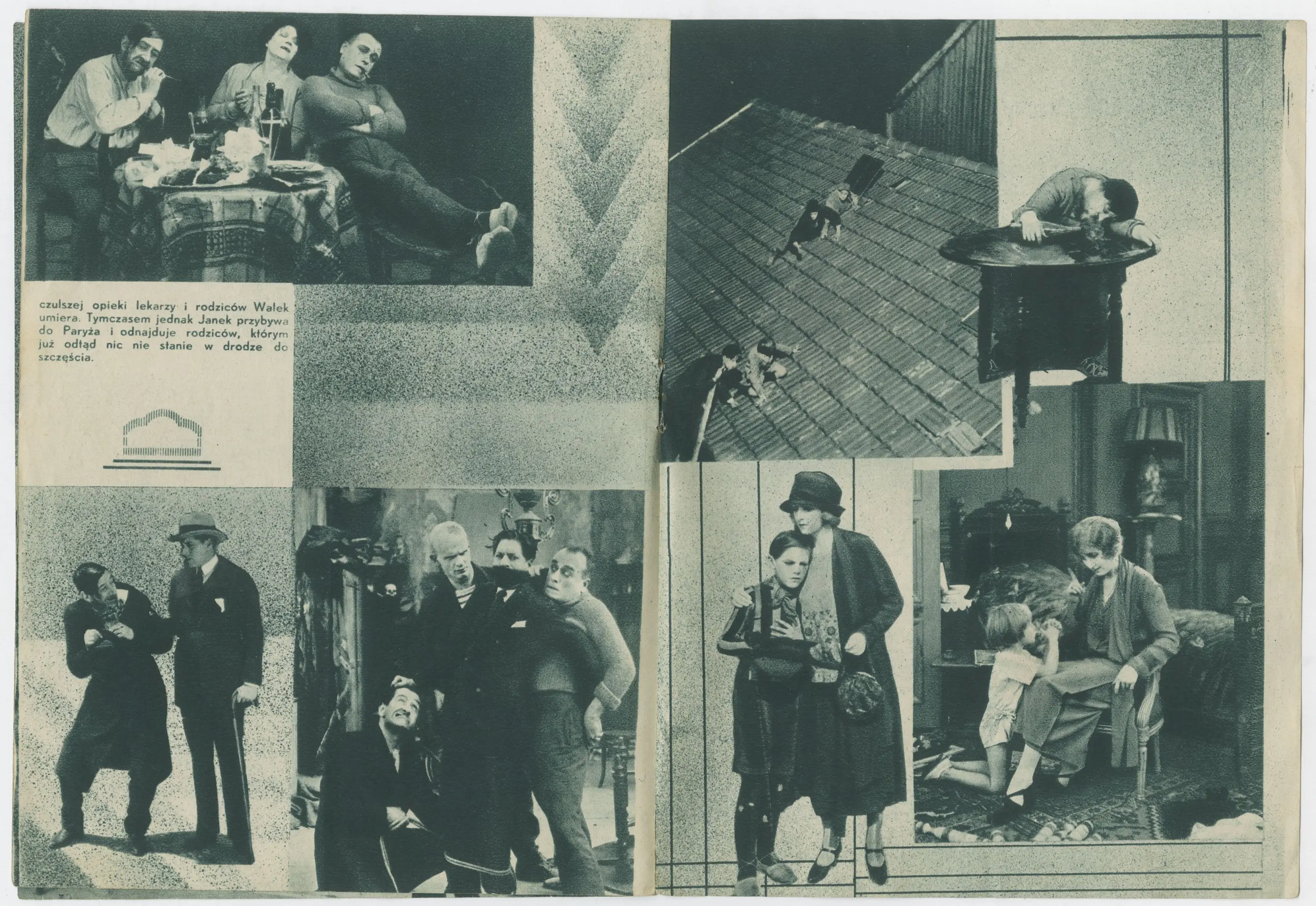
In comparison to other films of its era, such as Le nabab and Poor Men's Wives, 'Les deux gosses' stands out for its nuanced exploration of paternal relationships and the societal implications of the choices made by the characters. While The Mystery of the Poison Pool keeps viewers on the edge of their seats with its mystery, 'Les deux gosses' engages its audience on a more intimate level, focusing on character development and emotional resonance.
The film's exploration of friendship, as embodied by Jean and Claudinet, recalls the dynamics in My Partner and The Lonesome Chap, though 'Les deux gosses' approaches the subject with a unique sensitivity and depth. The narrative avoids simplistic resolutions, instead opting for a thoughtful examination of the human condition, much like Les Misérables and Frontier of the Stars.
In conclusion, 'Les deux gosses' is a masterpiece of silent cinema that transcends its era to speak to universal themes and emotions. It is a film that not only entertains but also challenges its audience to reflect on the values of loyalty, the sanctity of relationships, and the unanticipated paths life can take. For those interested in a cinematic journey that is both nostalgic and timeless, 'Les deux gosses' is an essential watch.
The movie's ability to convey profound emotional depth and complex narratives without dialogue is a testament to the power of visual storytelling. It serves as a poignant reminder of the enduring nature of film as an art form capable of bridging temporal and cultural divides. As viewers, we are left with a lasting impression of the film's emotional authenticity and the indelible mark it leaves on our cinematic consciousness.
IMDb —
1917
Community
Log in to comment.