DbcultAccessing Vault...
4.9/10
Senior Film Conservator
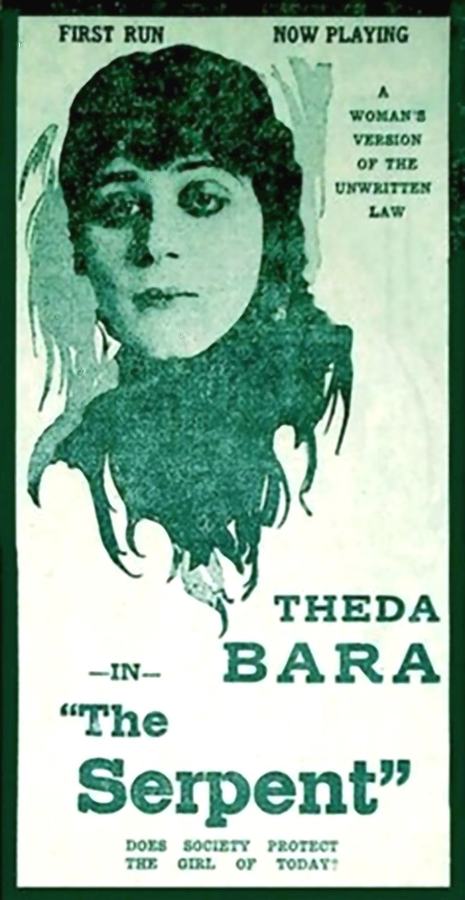
A definitive 4.9/10 rating for a film that redefined the boundaries of cult cinema. The Serpent remains a cornerstone of transgressive art.
Ah, the silent era! A time when storytelling relied not on spoken dialogue, but on the raw, unadulterated power of performance, visual metaphor, and the evocative pulse of a live orchestra. And few figures embodied that era’s dramatic intensity quite like Theda Bara. Her films were not just entertainment; they were cultural events, often scandalous, always captivating. Among her most potent vehicles for this persona stands The Serpent, a 1916 cinematic venom that coils around themes of injustice, transformation, and the chilling, meticulous art of revenge. It’s a film that demands to be seen not merely as a historical artifact, but as a visceral exploration of the human capacity for both profound suffering and calculated retribution.
From its opening frames, The Serpent wastes no time in establishing its central conflict and the catalyst for Vania’s harrowing journey. We are introduced to a pastoral setting, an idyllic European village where Vania, a peasant girl of unblemished innocence, finds solace and love. Her world, however, is not immune to the predatory reach of the powerful. A local duke, a figure of aristocratic entitlement and unchecked hubris, shatters her tranquility with a brutal assault. This act, a violation of both body and spirit, is compounded by an even greater cruelty: the murder of her beloved, an act designed to erase the evidence of his transgression and further assert his dominance. Vania is then summarily exiled, cast out from her home and thrust into the unforgiving anonymity of London. This initial sequence, though conveyed through the expressive pantomime of silent film, is deeply unsettling, laying a foundation of profound injustice that resonates with a timeless ache. It’s a stark reminder of the vulnerability of the powerless against the might of the privileged, a theme that echoes in many narratives of the period, though few follow through with such an unyielding promise of comeback as Vania’s tale.
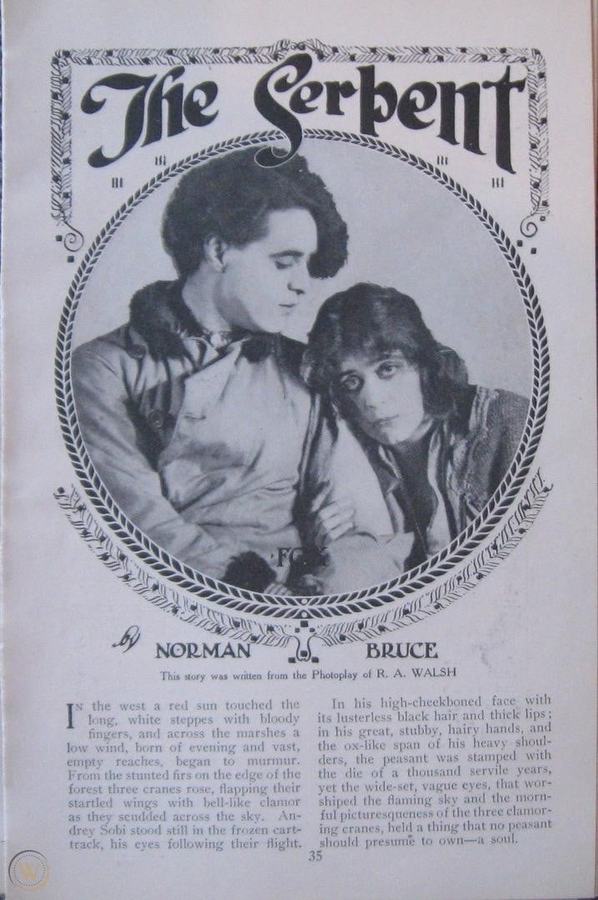
The true artistry of Raoul Walsh’s direction, and the compelling screenplay by Walsh, George Walsh, and Philip Bartholomae, lies in how they chart Vania’s metamorphosis. London, far from being a place of further despair, becomes her crucible. Here, she sheds the skin of the victim and embraces a new identity, transforming into a celebrated actress. This transformation is not merely superficial; it’s a profound internal shift, fueled by an unquenchable fire of vengeance. The stage, typically a place of illusion, becomes for Vania a platform for her burgeoning power, a place where she can command attention and craft new realities. Theda Bara, with her hypnotic gaze and dramatic flair, perfectly embodies this transition. Her portrayal of Vania's ascent from a wronged peasant to a sophisticated, alluring stage siren is utterly captivating. She doesn't just act; she *becomes* the embodiment of a woman forged in the fires of trauma, now weaponized by her own ambition and pain. This arc might draw a thematic parallel with films like The Vampires: The Poisoner, where strong female characters navigate complex, often morally ambiguous paths to achieve their goals, though Vania’s motivation is uniquely personal and profoundly rooted in a specific act of injustice.
The narrative then introduces a delicious twist of dramatic irony. The very duke who destroyed Vania’s life, now years later, attends one of her performances. He is captivated by her artistry, yet utterly oblivious to the true identity of the woman on stage. This moment is pregnant with tension, a silent ticking clock counting down to his inevitable comeuppance. It's during this encounter that he inadvertently hands Vania the final piece of her vengeful puzzle. He speaks of his son, wounded on the battlefield, expressing a profound vulnerability: "If anything should happen to my boy, I think it would kill me." This line, delivered through an intertitle, is not just dialogue; it’s a death knell. It reveals the duke’s Achilles' heel, his one true attachment, and instantly, Vania's serpentine mind comprehends the path to his ultimate destruction. Her revenge will not be swift or direct; it will be agonizingly slow, psychological, and aimed precisely at the heart of his paternal affection. It’s a chilling moment of realization, both for Vania and for the audience, as the full scope of her ambition becomes terrifyingly clear.
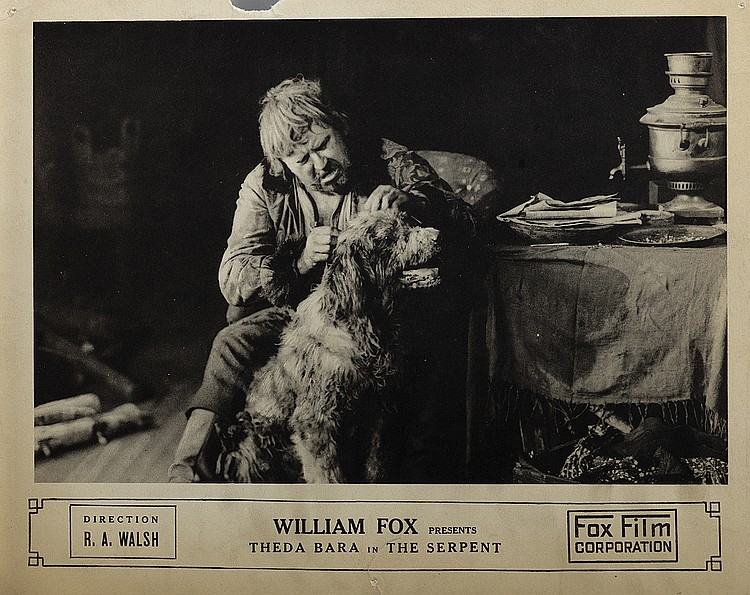
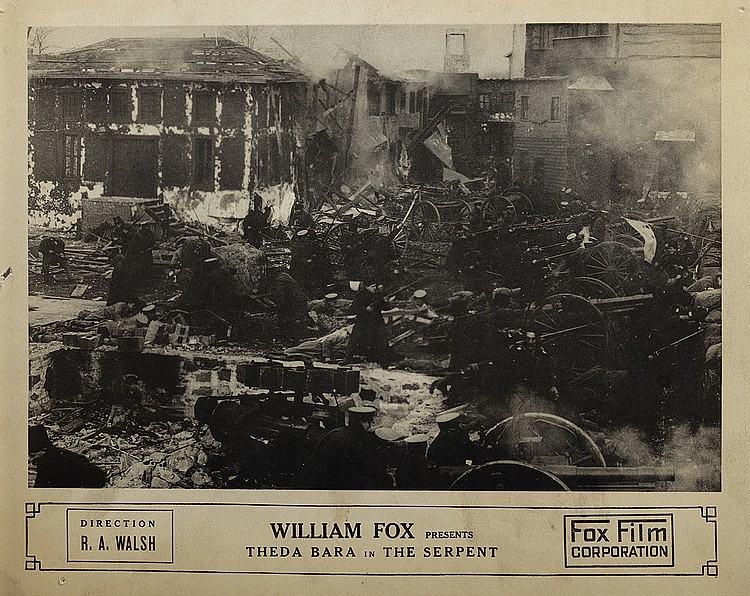
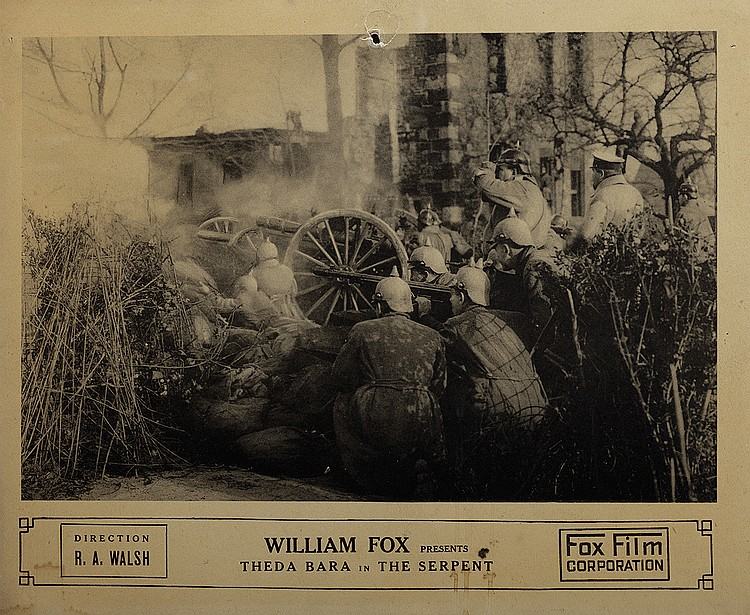
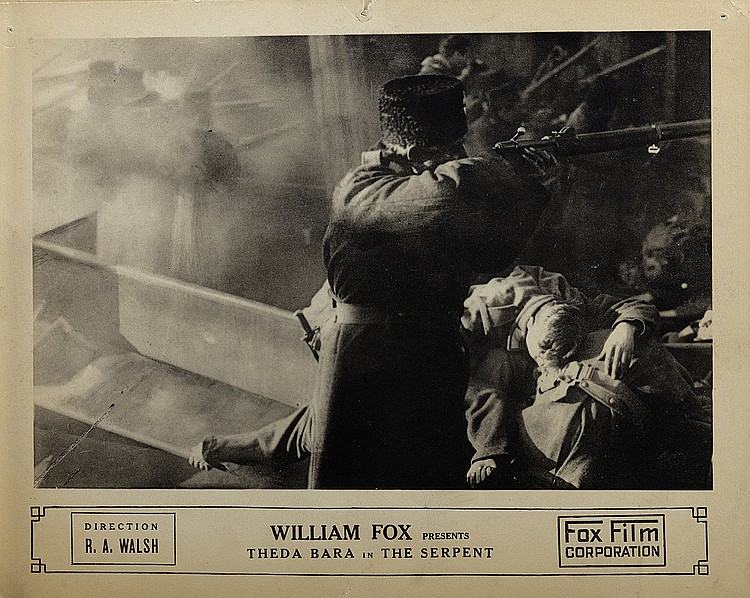
What follows is a meticulously executed plan, a testament to Vania’s unyielding resolve. She journeys to the war front, a desolate landscape contrasting sharply with her earlier pastoral life and her glamorous stage persona. There, amidst the wreckage of conflict, she finds the duke's son, a tragically broken figure—one-armed, paralyzed, and profoundly scarred by the war. Vania, with a cold, calculated efficiency, marries him. This act, seemingly one of compassion or perhaps opportunism, is in fact the penultimate step in her intricate scheme. Her motives are entirely devoid of affection; she sees the young man not as a husband, but as a living instrument of her vengeance. This manipulation of human emotion and societal expectation is a hallmark of the 'vamp' archetype, a role Theda Bara pioneered and perfected. Her ability to project both allure and an underlying menace made her the perfect vessel for such a complex, morally ambiguous character. This psychological depth places The Serpent in a lineage with films that explore the darker facets of human nature and the consequences of profound trauma, perhaps even hinting at the psychological complexities seen later in films like The Case of Becky, albeit with a very different narrative trajectory.
The climax of The Serpent is nothing short of operatic in its tragic grandeur. Vania orchestrates a scene of ultimate betrayal: she arranges to make love to the duke, her former aggressor, within the very room where his disabled son resides. The timing is precise, the psychological impact devastating. As the young man, already broken by war and now witnessing his father’s infidelity with his own wife, enters the room, the world collapses around him. The emotional torment is too much to bear. In a moment of absolute despair, he takes his own life. This final, brutal act of self-destruction is Vania’s ultimate triumph, a revenge so complete and so devastating that it leaves the audience reeling. It’s a testament to the power of silent film to convey such profound psychological horror without a single word spoken. The visual storytelling, the expressions of the actors, and the dramatic staging combine to create an unforgettable, harrowing sequence. The duke, who once boasted that his son’s death would kill him, is left with the agonizing realization that he himself, through his past actions and present indiscretions, was the architect of his son’s demise, and thus, implicitly, his own.
Theda Bara’s performance as Vania is, without hyperbole, iconic. She embodies the 'vamp' persona not merely as a siren of seduction, but as an agent of vengeance. Her eyes, often heavily lined, convey a myriad of emotions—innocence, pain, calculating intelligence, and ultimately, a cold satisfaction. She moves with a serpentine grace, each gesture deliberate, each expression a carefully constructed mask. This role cemented her status as America's first sex symbol and a powerful, dangerous screen presence. Unlike other heroines of the era, who might find redemption or a more conventional happy ending, Vania’s path is one of singular, unwavering retribution. This makes The Serpent a truly unique entry in the canon of early cinema, defying simple categorization and challenging audience expectations of female protagonists. Her character, in its relentless pursuit of justice, even if warped by personal vendetta, stands in stark contrast to the more conventional, often passive female roles seen in many films of the time.
Beyond Bara’s magnetic performance, the film’s technical aspects are noteworthy for their time. Raoul Walsh, a director known for his versatility and pioneering spirit, crafts a visually compelling narrative. The use of stark contrasts – from the pastoral to the urban, from the glamour of the stage to the grim reality of the battlefield – enhances the dramatic impact. The cinematography effectively utilizes lighting and framing to accentuate character emotions and plot developments. Intertitles are judiciously used, providing necessary exposition without interrupting the flow of visual storytelling. The pacing, crucial in silent films, is expertly handled, building tension gradually towards its shocking climax. One might even draw a parallel between Walsh's bold narrative choices and the intricate, often morally challenging plots found in other early thrillers or dramas, such as At Bay or The Gray Mask, which also explored themes of hidden identities and complex schemes.
The enduring legacy of The Serpent lies not just in its star, but in its audacious plot and its unflinching exploration of dark themes. It’s a film that doesn’t shy away from depicting the brutal consequences of power imbalances and the corrosive nature of revenge. While Vania achieves her aim, the film leaves the audience to ponder the true cost of such a victory. Is she a hero, a villain, or simply a product of the circumstances forced upon her? The ambiguity is part of its power. It’s a narrative that speaks to the primal urge for justice, even when that justice is exacted through morally questionable means. In an era often romanticized for its simplicity, The Serpent offers a complex, morally shaded look at human nature, proving that silent films were capable of profound psychological depth and sophisticated storytelling.
Comparing The Serpent to other films of its period, it stands out for its sheer audacity. While films like Tess of the Storm Country also depicted the struggles of a peasant girl, Tess's journey, while arduous, often leaned towards resilience and ultimate triumph through virtuous means. Vania's path is distinctly darker, her morality far more ambiguous. Her transformation into an actress, a woman of performance and illusion, could be seen as a subversion of traditional female roles, a woman taking control of her narrative in a way that was both empowering and terrifying. This sophisticated character arc foreshadows the complex heroines and anti-heroines that would populate cinema for decades to come. The film's willingness to delve into themes of sexual assault, murder, and calculated revenge, all within the constraints of early cinema, demonstrates a boldness that was ahead of its time.
Ultimately, The Serpent is more than just a vehicle for Theda Bara's 'vamp' persona; it's a testament to the evocative power of silent cinema. It’s a film that lingers long after the final frame, prompting contemplation on justice, morality, and the enduring scars of trauma. It reminds us that even without spoken words, a narrative can scream with emotional intensity, and a single, wronged individual can orchestrate a symphony of destruction. For anyone interested in the foundational myths of Hollywood, the genesis of the femme fatale, or simply a compelling story of vengeance, The Serpent remains an essential, albeit chilling, watch. Its narrative precision, coupled with Bara’s unforgettable performance, solidifies its place as a truly remarkable piece of cinematic history, a dark jewel in the crown of the silent era. The film serves as a powerful reminder that the human spirit, when pushed to its limits, can forge a path of retribution as intricate and deadly as the serpent itself.
The film’s portrayal of Vania's unwavering focus on her goal, even at the expense of her own emotional well-being, is a fascinating study in character psychology. She becomes a living embodiment of her vendetta, her identity inextricably linked to the destruction of the man who wronged her. This singular obsession is a powerful narrative driver, pushing the film towards its inexorable, tragic conclusion. It’s a stark illustration of how trauma can warp an individual’s entire existence, transforming them into something unrecognizable. And in Theda Bara, the filmmakers found the perfect muse to bring this complex, formidable character to life. Her ability to convey both vulnerability and steely resolve, often in the same shot, is a masterclass in silent screen acting. This duality is what truly elevates The Serpent beyond a simple revenge tale, imbuing it with a psychological depth that resonates even today. The echoes of Vania's calculated cruelty can be seen in countless subsequent thrillers and dramas, proving the enduring power of her serpentine narrative.
IMDb 7.2
1935
Community
Log in to comment.