DbcultAccessing Vault...
Cult Review
Senior Film Conservator
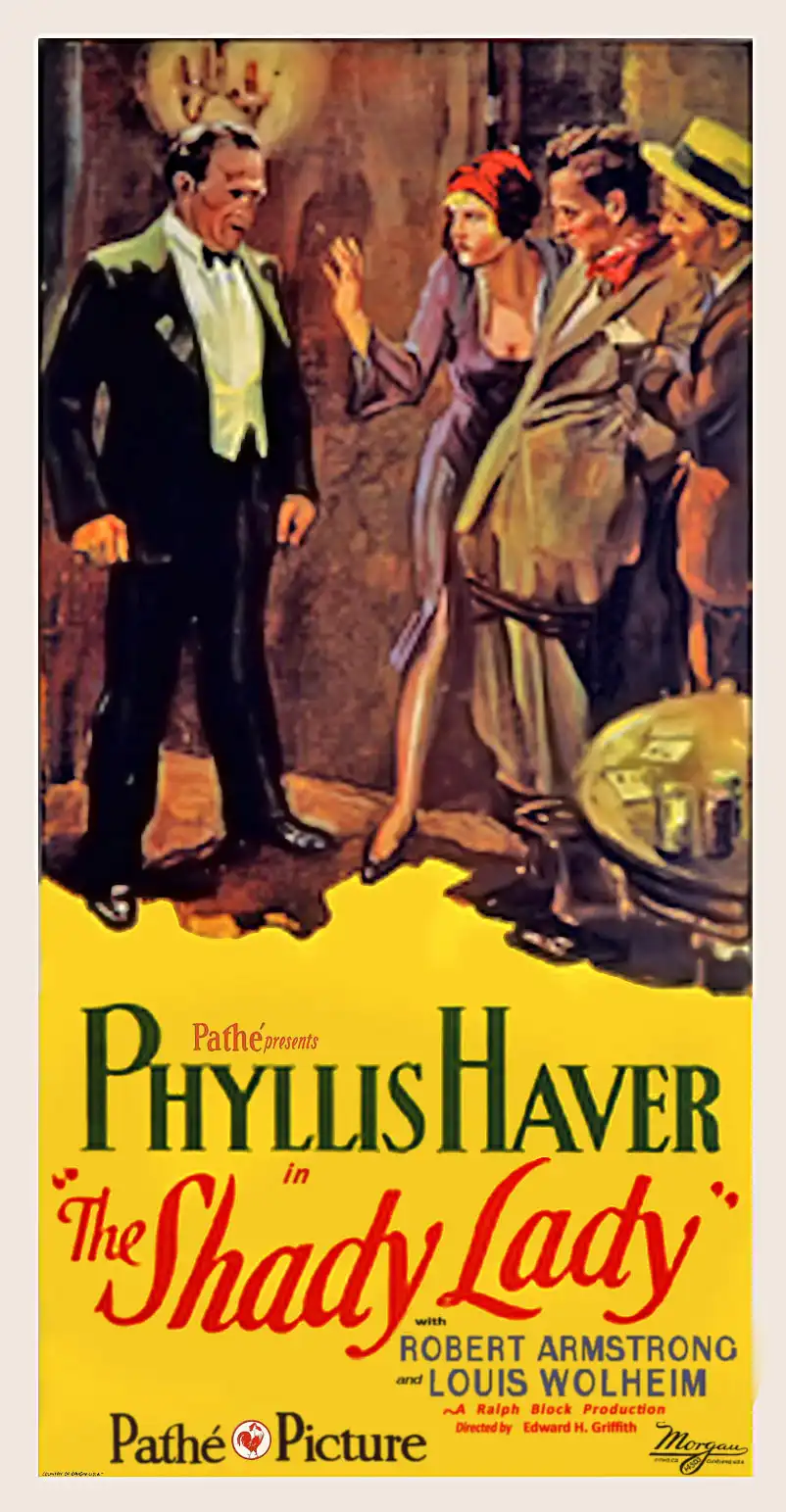
If you have a soft spot for that specific brand of 1920s grime—the kind that looks like it was filmed in a room where everyone was smoking three cigars at once—then The Shady Lady is worth an hour or so of your life. It’s not a masterpiece. It’s barely a coherent thriller. But it has Phyllis Haver, and in 1928, that was usually enough to keep a theater from emptying out.
It’s for the people who like watching the transition era of film, where movies were getting visually darker and more cynical but hadn’t quite figured out how to handle a complex plot without tripping over their own feet. If you’re looking for a tight, logical noir, you’re going to hate this. The logic here is porous at best.
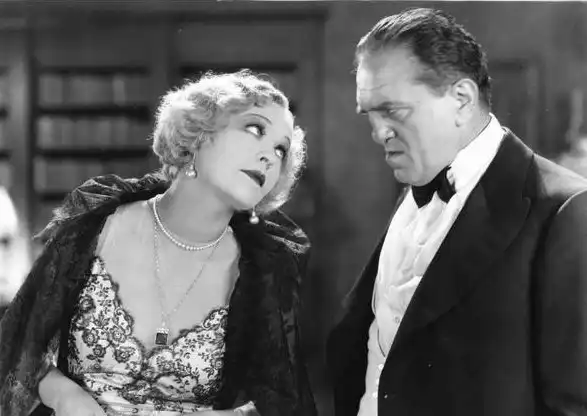
The movie opens in Havana, or at least a Hollywood version of Havana that consists of three very busy bars and a lot of guys in rumpled white suits. Phyllis Haver plays Enid, who is the 'shady lady' of the title, though to be honest, she mostly just looks tired. There’s a scene early on where she’s sitting at a cafe table, and the way she handles her cigarette—just letting the ash get dangerously long while she stares at a guy—tells you more about her character than any of the dialogue cards do. She has this heavy-lidded expression that suggests she’s seen everything and wasn't particularly impressed by any of it.
Then we get Robert Armstrong as the hero, or the protagonist, or whatever he’s supposed to be. He’s a bit stiff. There’s a moment when he first approaches Enid where he adjusts his hat about four times in ten seconds. It feels like a nervous tic the director forgot to tell him to stop doing. They have this chemistry that isn't exactly romantic; it’s more like two people who realized they’re the only ones in the room who aren't overacting. It’s a relief compared to some of the other performances.
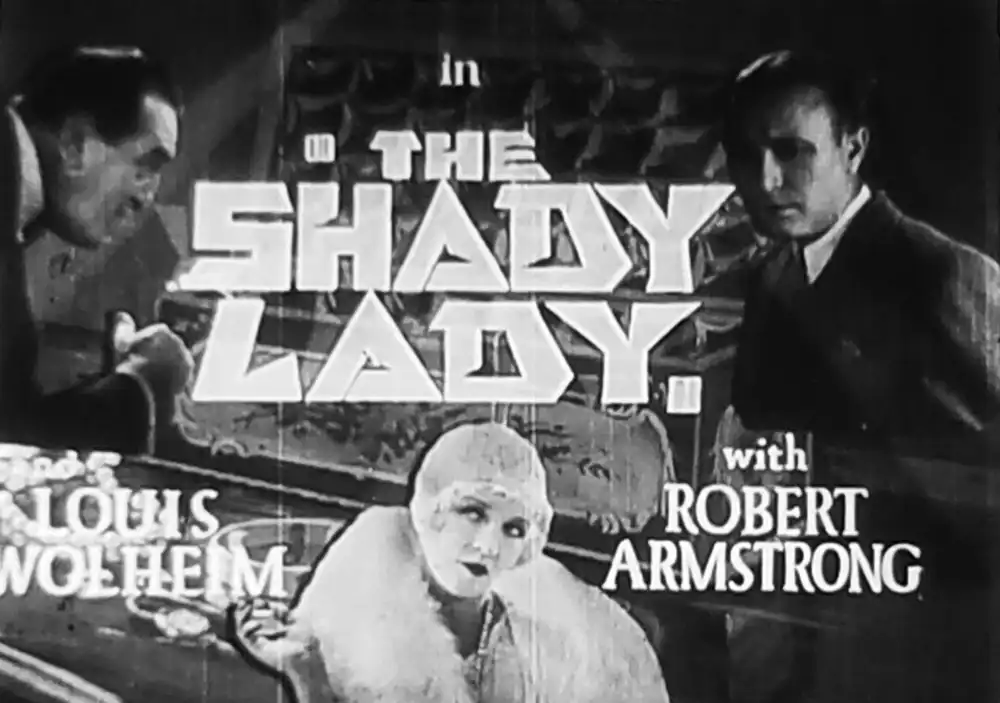
Speaking of overacting, Louis Wolheim shows up. Wolheim always looks like he was carved out of a block of granite and then hit in the face with a shovel. He’s great, but he’s doing a lot here. Every time he’s on screen, the movie shifts from a moody character piece into a melodrama where everyone starts gesturing wildly at the ceiling. There’s a scene in a warehouse—supposedly involving gunrunning—where the tension is supposed to be high, but the editing is so jerky that I genuinely couldn't tell who was standing where. One second Wolheim is by the door, the next he’s across the room, and there’s no shot showing him moving. It’s just a weird, jarring jump that makes you wonder if a few feet of film got lost in 1929.
The gunrunning plot itself is almost hilariously thin. They keep talking about these 'crates,' but the crates look like they’re made of balsa wood and contain maybe one rifle each. If you’ve seen The Target, you know how these B-movie crime plots usually go, but The Shady Lady feels even more distracted. It keeps stopping the 'action' to just look at Enid looking at things. I didn’t mind it, actually. The way the light hits her hair in the hotel room scene is probably the most expensive-looking thing in the movie. It’s a very specific late-silent look—soft, glowy, and completely at odds with the fact that the characters are talking about illegal weapons and betrayal.
There is a sequence on a boat near the end that drags on for an eternity. I think they were trying to build suspense, but because the interior of the boat looks exactly like the interior of the hotel, it just feels like the characters are walking in circles. There’s a shot of a guy looking through a porthole that lingers for so long I thought my screen had frozen. He just stares. And stares. You start noticing the weird texture of the wall behind him. It’s these moments where the movie loses its grip on the audience.
I also have to mention the costumes. Enid is supposed to be this woman on the run or living on the fringes, but she has a wardrobe that would make a socialite in The Perfect Flapper jealous. There’s a beaded dress she wears in the middle of a humid tropical night that looks like it weighs fifty pounds. She looks great, but it’s totally absurd. It’s one of those movie things you just have to accept—that no matter how broke or desperate a woman is in a 1920s film, her hair will be perfect and her silk will be pressed.
The ending feels like it was filmed in a hurry. It’s one of those 'wait, that’s it?' conclusions where the main conflict is resolved by someone just sort of walking away. It lacks the punch of something like At the Mercy of Men, which at least commits to its own drama. Here, it’s like the producers realized they were out of money and told everyone to just wrap it up so they could go to dinner.
Is it a 'good' movie? Probably not by most standards. The pacing is a mess, the villain is a caricature, and the plot has holes big enough to sail a gunrunning boat through. But there’s a vibe to it. It’s that sweaty, desperate, pre-Code-adjacent energy where the world feels small and dangerous. If you just want to watch Phyllis Haver be the coolest person in the room for 70 minutes, you’ll have a good time. Just don't expect the gunrunning stuff to make any sense.
One last thing: keep an eye on the background extras in the bar scenes. There’s a guy in the corner of one shot who is very clearly trying to figure out how to eat a piece of fruit and eventually just gives up and hides it behind his back. It’s more compelling than the actual subplot about the secret police.
IMDb 6.7
1928
Community
Log in to comment.