DbcultAccessing Vault...
6.2/10
Senior Film Conservator

A definitive 6.2/10 rating for a film that redefined the boundaries of cult cinema. The Torture of Silence remains a cornerstone of transgressive art.
Abel Gance’s 1917 one-reel sledgehammer The Torture of Silence lands like a shard of obsidian in the velvet glove of pre-war French cinema: a twelve-minute distillation of adultery, maternal collapse, and judicial sadism that feels suspiciously contemporary. While contemporaries such as Alone with the Devil traded in lurid cardboard villainy, Gance opts for surgical introspection, turning the camera into a confessional box with the sinner still inside.
From its first iris-in, the film announces a grammar of agony. Emmy Lynn’s nameless wife glides through a sun-dappled apartment, her movements tracked by a handheld camera that anticipates Cassavetes by four decades. The lens lingers on her fingers as they drumming a waltz against a windowpane, the rhythm echoing the canoodling couple visible across the courtyard—a visual metronome ticking toward doom. Gaston Modot’s husband enters not as oafish cuckold but as a man already hollowed by suspicion; his silhouette eclipses the hearth, plunging the marital boudoir into Stygian gloom. The infidelity itself is never titillating: a cut from the wife’s trembling lips to a close-up of a child’s porcelain doll snapped in half, the crack of bisque substituting for the lovers’ coupling. Gance understands that the most obscene act is not the betrayal but the echo it leaves in the nursery.
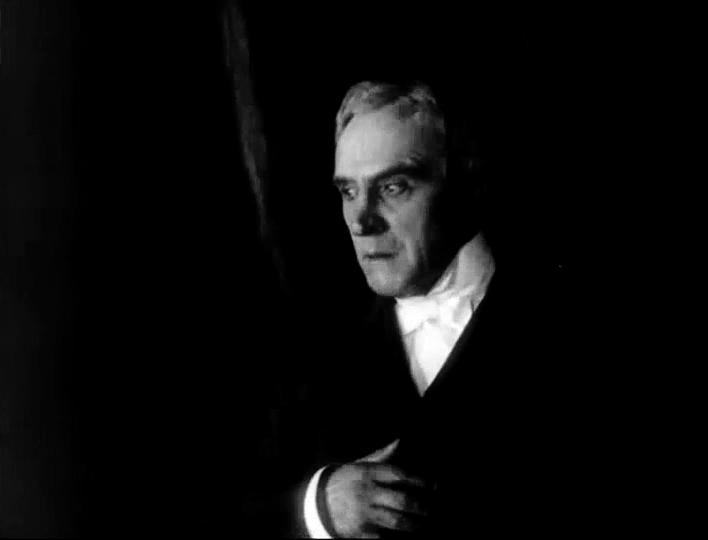
The narrative pivot arrives with the speed of a guillotine blade.
Huband’s discovery is rendered in a triple exposure: his face, the wife’s lover, and the toddler’s cradle superimposed in a vertiginous vortex. The effect is less trick photography than emotional vivisection, forcing the viewer to occupy all three subjectivities at once. Suddenly the film’s aspect ratio feels claustrophobic; the edges vignette until the characters thrash inside a black hole of accusation. In the courtroom sequence—perhaps the single most brutal custody dispute ever committed to celluloid—Gance withholds establishing shots entirely. We never see the judge’s bench, only a procession of disembodied gavels hammering against a mahogany sea. The wife’s defense is intercut with flash-frames of her children’s shoes abandoned in the hallway, a subconscious staccato that imprints loss more effectively than any dialogue card could.
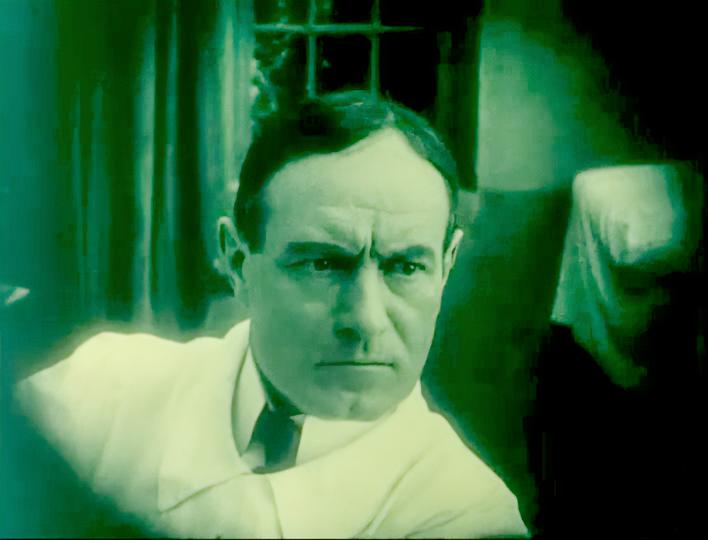
Performances oscillate between operatic and necrotic. Lynn’s eyes, ringed with kohl, perform their own mise-en-scène: they widen in private ecstasy, contract to reptilian slits under public scrutiny, and finally glaze into the thousand-yard stare of trench warfare. Modot, normally a robust physical actor, here compresses himself into a hunched gargoyle, his shoulders swallowing his neck as though the body is devouring its own capacity for forgiveness. Even the bit players—Firmin Gémier’s leering concierge, Francia Seguy’s sanctimonious neighbor—appear recruited from Daumier caricature, their faces over-cranked by the camera until every pore resembles a moral lesion.
Technically, the film is a laboratory of proto-modernist devices.
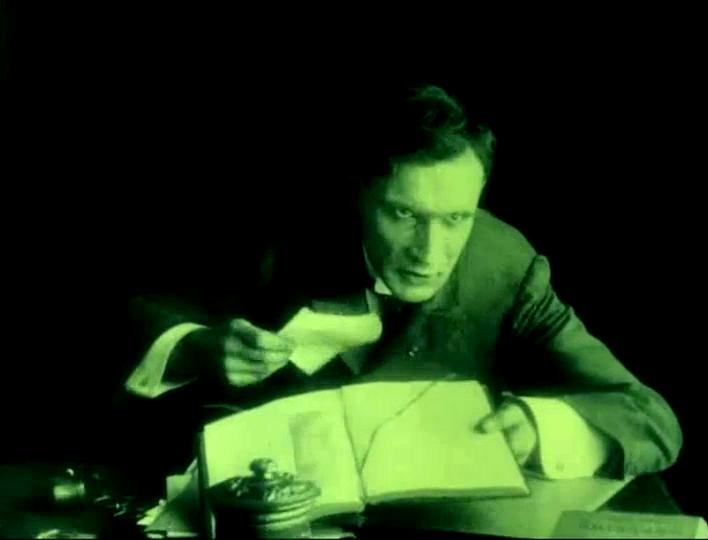
Gance layers impressionistic dissolves over documentary inserts of Parisian street sweepers, implying that private transgressions reverberate into the civic bloodstream. He experiments with variable frame-rates: the wife’s memory of her wedding day blooms at 18 fps, giving the footage a fragile, snow-globe fragility, whereas the husband’s discovery is under-cranked to 12 fps, creating a herky-jerky panic that anticipates the frantic comedies of Keaton. The score, reconstructed recently by the Cinémathèque française, employs a solo ondes Martenot threading through Debussy’s La Mer, its wavering ululation mirroring the tide of public shame that laps at the protagonist’s ankles.
Yet what haunts longest is the film’s refusal to grant catharsis. The final shot—mother and child separated by frosted glass—holds for an unprecedented, almost sadistic forty-seven seconds. Neither figure moves; the child’s palm smears condensation in the shape of a heart, but the woman cannot see it through her tears. Fade to black. No epilogue, no moral title card, no orchestral swell. The audience is ejected into the lobby bearing the same open wound as the characters, a tactic that would later influence the pitiless terminus of The Bells and the existential cliff-hanger of Behind the Scenes.
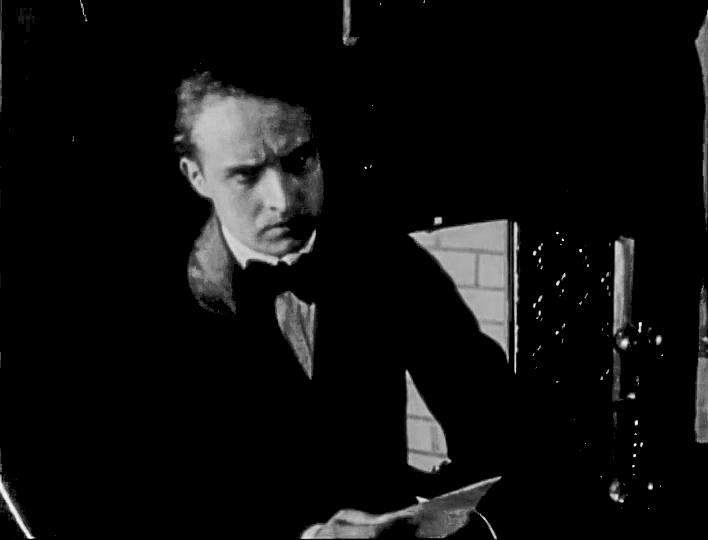
Historically, the film vanished for decades, presumed lost in the celluloid pogrom of the First World War. A nitrate print surfaced in a Ljubljana basement in 1998, decomposed almost beyond salvage; restorationists used X-ray fluorescence to rehydrate the emulsion, a process that inadvertently birthed new ghost-images—chemical echoes resembling bruised wings flanking the protagonist’s shoulders. These spectral artifacts only deepen the picture’s aura of cursed relic. Viewers today can stream a 2K transfer on specialist platforms, though several cine-clubs still project the battered 16 mm as a form of communal penance, the crackle of the projector sounding like distant artillery.
Comparative contextualization illuminates its radicalism. Where When Paris Loves sanitizes adultery into champagne flirtation, and Hendes ungdomsforelskelse sentimentalizes maternal sacrifice, The Torture of Silence weaponizes both clichés until they detonate. Its DNA can be traced through Bergman’s Scenes from a Marriage, Haneke’s Amour, even the punitive social media pile-ons of 21st-century life. The film intuits that the gravest punishment for a mother is not death but disenfranchisement from her children’s narrative, a theme that resonates in contemporary custody debates and hashtag tribunals alike.
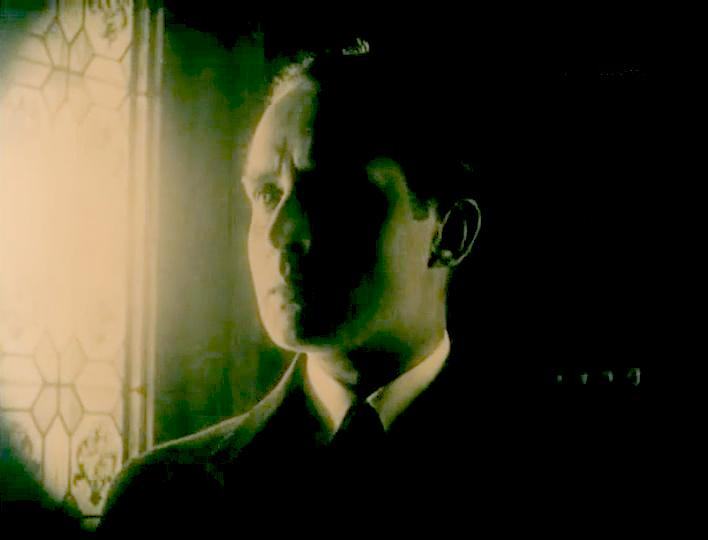
Critics allergic to melodrama may carp that the film’s emotional payload borders on savage pornography.
Yet such objections misread Gance’s Brechtian intent: he hyperbolizes agony until the viewer is forced to interrogate the societal machinery that manufactures such ruin. The picture’s true villain is not the cheating wife, nor the vengeful husband, but the invisible tribunal of gossip that metastasizes into legal tyranny. In this reading, the torture is not silence imposed upon the protagonist; it is the silence of the collective—neighbors, magistrates, even the audience—who refuse to acknowledge the porous boundary between desire and duty.
Repertory cinemas programming a Gance retrospective would be wise to pair this curt blast with his later Richelieu, demonstrating the director’s elastic range from claustrophobic psychodrama to baroque historical pageant. Home-viewers, meanwhile, should dim lights, silence phones, and surrender to the film’s punitive cadence; anything less feels like sacrilege. Keep a cognac within reach—its burn offers the sole warmth permissible during the frost that follows the end card.
Ultimately, The Torture of Silence endures because it recognizes that the gravest scars are etched not by shouted accusations but by the quiet withdrawal of tenderness. In an age when relationships collapse under the weight of swipe-left verdicts, Gance’s twelve-minute monument still whispers a dire reminder: the most exquisite torture is to be severed from the sound of one’s own child calling you “maman,” and to know that the echo will never again belong to you.

IMDb 5.2
1909
Community
Log in to comment.