DbcultAccessing Vault...
Cult Review
Senior Film Conservator
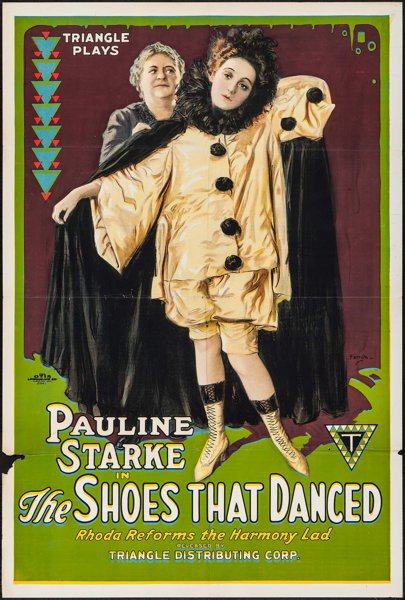
There's an undeniable allure to unearthing cinematic treasures from the silent era, films that, despite their lack of synchronized sound, speak volumes through gesture, expression, and the sheer power of visual storytelling. The Shoes That Danced, a rarely discussed gem, emerges from the archives as a compelling narrative, rich with the grit and romanticism characteristic of its time. It's a testament to the enduring themes of love, sacrifice, and the precarious tightrope walked by those yearning for a better life amidst the urban sprawl. This isn't merely a historical curiosity; it's a vibrant, emotionally charged drama that, even today, holds a mirror to the human condition, reflecting desires for redemption and the lengths to which devotion can propel an individual.
From its opening frames, the film plunges us into a world where loyalties are fierce and consequences are dire. The narrative, penned by Jack Cunningham and John A. Moroso, weaves a tapestry of street-level realism with a dramatic flair that keeps the audience utterly captivated. It's a story that transcends its period, offering a glimpse into the societal anxieties and moral complexities of an age defined by rapid change and burgeoning urban landscapes. The film's ability to convey such intricate emotional landscapes without spoken dialogue is a masterclass in silent film artistry, relying heavily on the nuanced performances of its cast and the evocative power of its visual composition.
At the heart of The Shoes That Danced lies the tumultuous romance between Rhoda Regan, portrayed with a compelling blend of vulnerability and steel by Ann Forrest, and the enigmatic 'Harmony Lad,' played by Wallace MacDonald. Their connection is immediate and palpable, a beacon of tenderness in the harsh environment of New York's gang-ridden streets. The Harmony Lad, leader of the notorious Hudson Dusters, embodies the classic anti-hero archetype – charismatic, dangerous, yet possessing an underlying decency that Rhoda instinctively recognizes. Their love story isn't a fairytale; it's a gritty, realistic depiction of two souls striving for connection against formidable odds, a theme explored in other period pieces such as The Broadway Sport, which also delves into the complexities of urban life and illicit affections.
The initial catalyst for the film's escalating drama is a brutal double murder at the Pepper Box, a local cabaret that serves as both a backdrop for illicit dealings and a potential stage for redemption. This event forces a crossroads for the Harmony Lad. Witnessing Rhoda's palpable distress, he makes a solemn vow: to abandon his life of crime and embrace a legitimate career as a singer. This promise of transformation, a 'come-back' in the truest sense, as seen in films like The Come-Back, fuels the central tension. His decision to accept a job on the Pepper Box stage symbolizes his earnest attempt to shed his past, a testament to the transformative power of love and the yearning for respectability.
Just as a glimmer of hope appears, the fragile peace is shattered by Stumpy Darcy, the newly appointed, ruthless leader of the Dusters, portrayed with menacing intensity by Richard Rosson. Stumpy's impulsive murder of rival gang leader Wedge Barker, sparked by a trivial flirtation with his girlfriend Mamie Conlon (Pauline Starke), plunges the Harmony Lad back into peril. Though innocent of this particular crime, his association with the Dusters makes him an immediate suspect, forcing him to flee to New Jersey to evade police interrogation. This turn of events perfectly encapsulates the precarious nature of leaving a life of crime; the past, like a tenacious shadow, always threatens to pull one back into its embrace.
It is here that Rhoda's character truly shines, elevating the film from a mere crime drama to a profound exploration of selfless devotion. Faced with her lover's imminent capture, she conceives a daring, almost suicidal plan. At a masked ball, where Stumpy Darcy ironically appears disguised as Charlie Chaplin, Rhoda embarks on an arduous, all-night dance with him. Her objective is twofold: to create an alibi for the Harmony Lad by drawing attention away from his escape, and to ensnare Stumpy himself. This act of profound sacrifice, reminiscent of the emotional weight carried in narratives like The Debt of Honor, showcases Rhoda's unwavering courage and ingenious spirit. Ann Forrest conveys Rhoda's exhaustion, determination, and underlying terror with remarkable conviction, making her performance a cornerstone of the film's emotional resonance.
The success of a silent film hinges entirely on the expressive capabilities of its actors and the clarity of its direction. The Shoes That Danced excels on both fronts. Ann Forrest, in particular, delivers a captivating performance as Rhoda Regan. Her facial expressions, body language, and the intensity in her eyes communicate a spectrum of emotions – fear, love, determination, and exhaustion – without the need for a single spoken word. Her portrayal of a woman willing to risk everything for the man she loves is both believable and deeply moving. Wallace MacDonald as the Harmony Lad, while less overtly dramatic, skillfully conveys the conflict within his character, the struggle between his past allegiances and his aspirations for a new life. His transformation feels earned, a testament to his nuanced acting.
Richard Rosson's Stumpy Darcy is a chilling antagonist, a man whose volatile nature is palpable even in stillness. His 'Charlie Chaplin' disguise at the masked ball adds a layer of dark irony, highlighting the deceptive 'appearance of evil' that often masks true villainy, a thematic parallel found in films like Appearance of Evil. The supporting cast, including Pauline Starke as Mamie Conlon, also contribute effectively to the film's atmosphere, each playing their part in the intricate dance of loyalty and betrayal. The direction, while not overtly flashy, is effective in its pacing and visual composition. Scenes are framed to maximize emotional impact, and the use of close-ups is judicious, drawing the audience into the characters' inner worlds. The editing maintains a taut suspense, particularly during Rhoda's extended dance and the subsequent pursuit, ensuring that the tension never wanes.
The climax of the film is a masterclass in silent-era suspense. Rhoda's gambit pays off spectacularly when Stumpy, still in his Chaplin disguise, follows her home. The police, convinced they are apprehending the fleeing Harmony Lad, arrest Stumpy. This moment of mistaken identity, a classic narrative device, serves to not only clear the Harmony Lad's name but also to bring poetic justice to Stumpy's character, who, despite his disguise, cannot escape the consequences of his actions. The relief, when the Harmony Lad's innocence is unequivocally established, is palpable, a collective sigh from the audience who have been on this emotional rollercoaster with Rhoda.
The resolution is deeply satisfying: the Harmony Lad, now truly free from the shackles of his past, marries Rhoda, his courageous savior. Their union symbolizes not just personal happiness, but a triumph of love and perseverance over adversity. His subsequent embarkation on a promising career in vaudeville completes his transformation, a full circle from gang leader to legitimate entertainer. This narrative arc, from a life of crime to one of artistic expression, speaks to the perennial hope for second chances and the power of love to inspire profound change. It echoes the themes of moral reckoning and societal judgment explored in films like Thou Art the Man, where justice, though sometimes circuitous, ultimately prevails.
While The Shoes That Danced may not be as widely known as some of its silent film contemporaries, its enduring power lies in its ability to tell a compelling human story with elegance and emotional depth. It's a reminder of the rich tapestry of early cinema, where innovation in storytelling and performance laid the groundwork for everything that followed. The film's themes—the struggle for redemption, the strength of a woman's love, and the allure of the underworld versus the promise of a respectable life—are timeless. They resonate just as powerfully with modern audiences as they did with those of a century ago.
The meticulous craftsmanship, from the nuanced performances of Ann Forrest and Wallace MacDonald to the effective direction and gripping narrative, makes The Shoes That Danced a valuable piece of cinematic history. It's a film that deserves to be rediscovered, not just for its historical significance, but for its intrinsic merit as a powerful and moving drama. It beautifully encapsulates the spirit of an era, demonstrating how silent films, through their unique artistic language, could evoke profound emotions and deliver narratives that were both thrilling and deeply resonant. For anyone with an appreciation for the foundational artistry of cinema, this film offers a captivating journey into a bygone world, proving that some stories, and the shoes that danced them, leave an indelible mark long after the music fades.
IMDb 6.7
1931
Community
Log in to comment.