DbcultAccessing Vault...
6.9/10
Senior Film Conservator
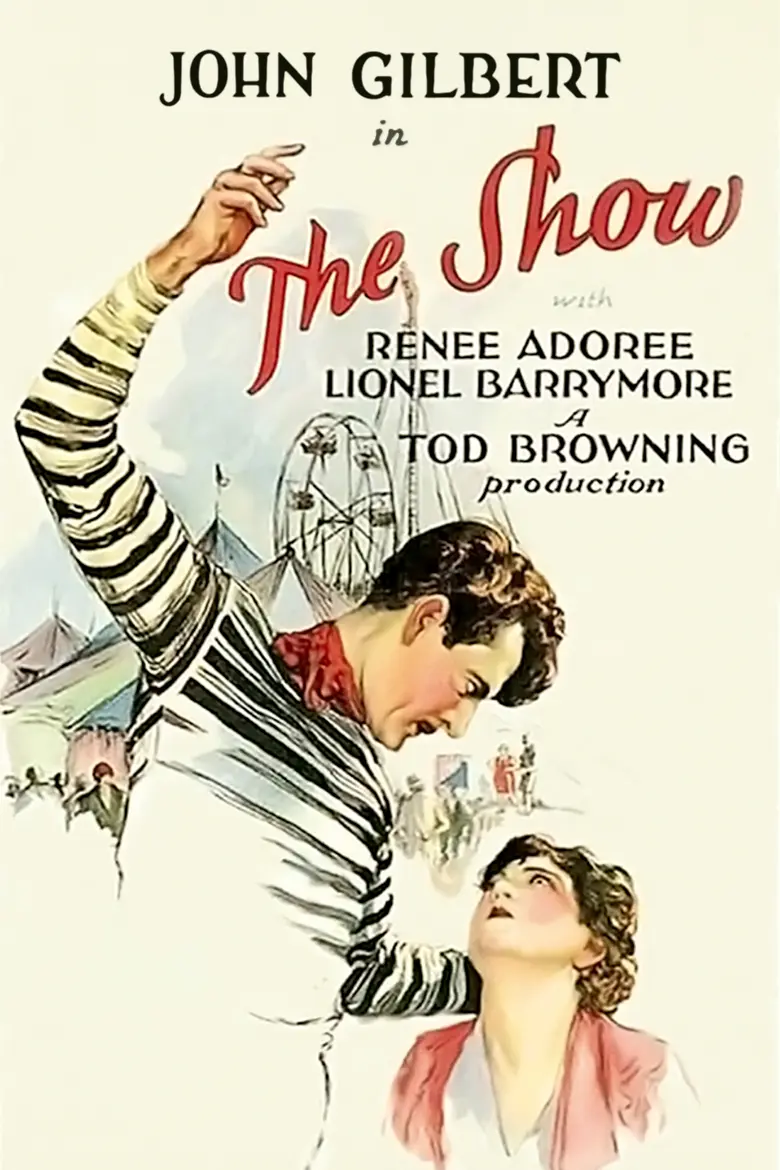
A definitive 6.9/10 rating for a film that redefined the boundaries of cult cinema. The Show remains a cornerstone of transgressive art.
Is The Show (1927) a spectacle that still commands attention in the modern era? Short answer: Yes, but only if you have a stomach for the cynical and the macabre. This film is a definitive piece for those who appreciate the intersection of silent-era melodrama and the grotesque sensibilities of early psychological thrillers. It is strictly not for viewers who demand a likable protagonist or the sanitized, escapist fluff often associated with the roaring twenties.
1) This film works because it refuses to sanitize the grime of its setting, creating a palpable sense of dread that many modern thrillers fail to replicate.
2) This film fails because the transition of Cock Robin from a selfish opportunist to a reformed lover feels somewhat unearned given his earlier cruelty.
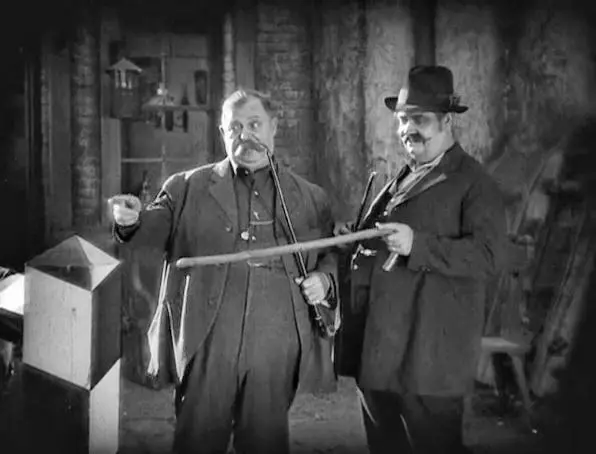
3) You should watch it if you want to see a masterclass in silent-era villainy from Lionel Barrymore and a departure from the typical 'Great Lover' persona of John Gilbert.
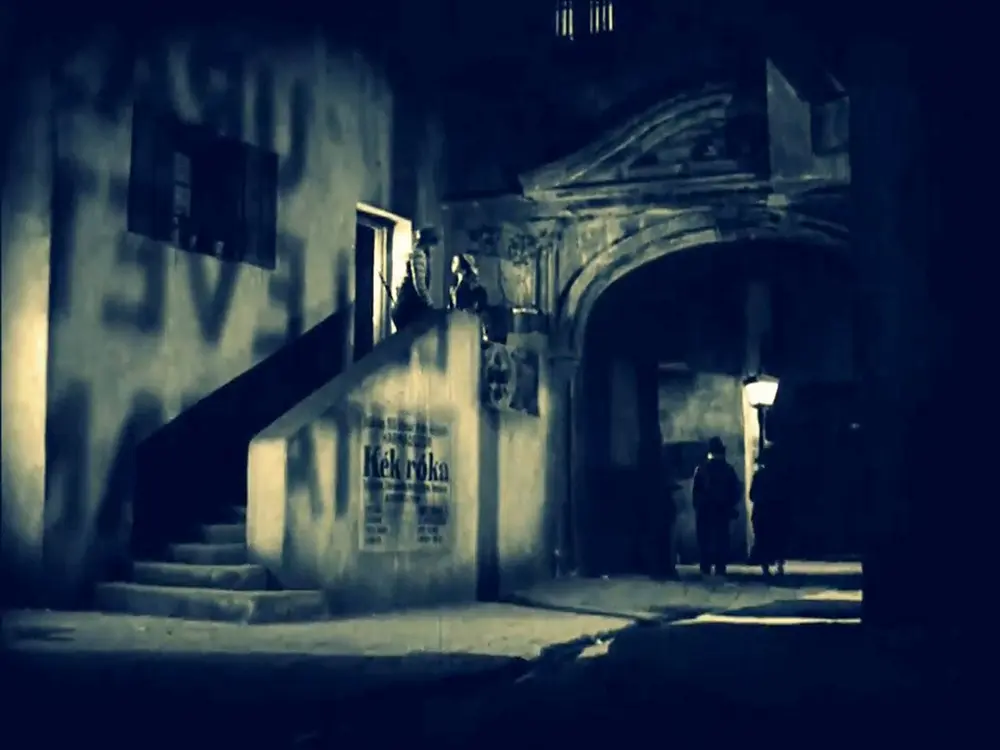
Director Tod Browning was never one for the sunshine. In The Show, he constructs a Budapest that feels less like a city and more like a fever dream. The 'Palace of Illusions' is a character in itself. It is a place where the air feels heavy with the scent of sawdust and cheap perfume. Unlike the lighthearted antics found in Her Temporary Husband, the humor here is razor-thin and often cruel.
The cinematography by John Arnold captures the claustrophobia of the sideshow tents. Shadows aren't just lighting choices; they are hiding places for the Greek’s malice. Consider the scene where the Greek watches Salome from the darkness. His presence is felt long before he speaks. It is a masterclass in building tension without a single line of dialogue. The camera lingers on the grotesque details—the peeling paint, the worn costumes, and the hungry eyes of the audience.
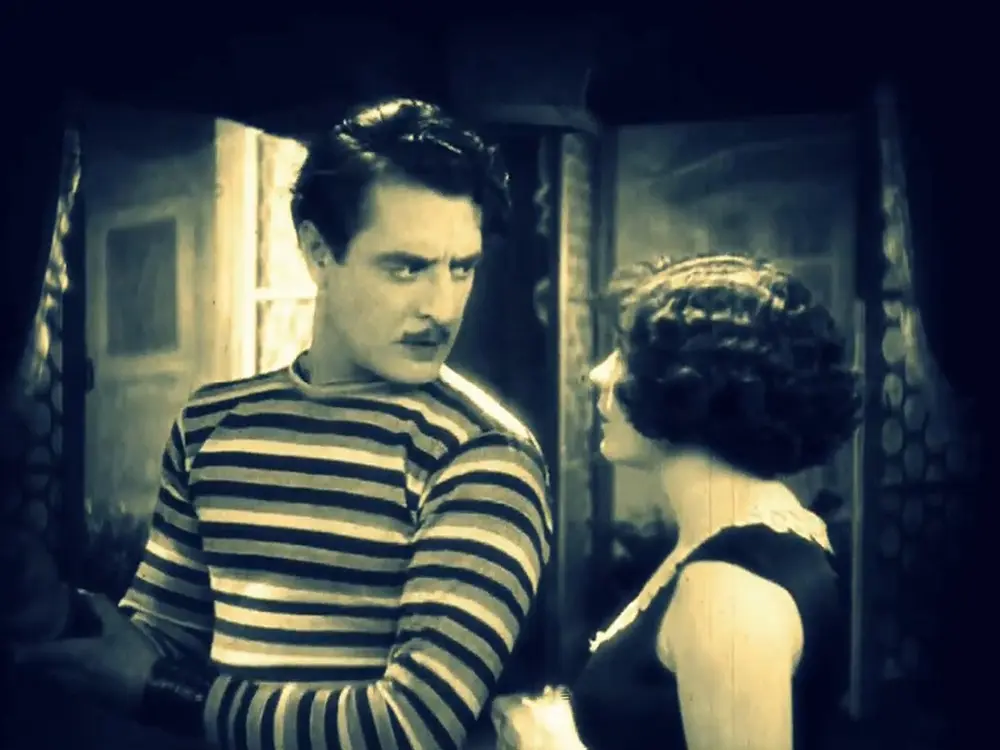
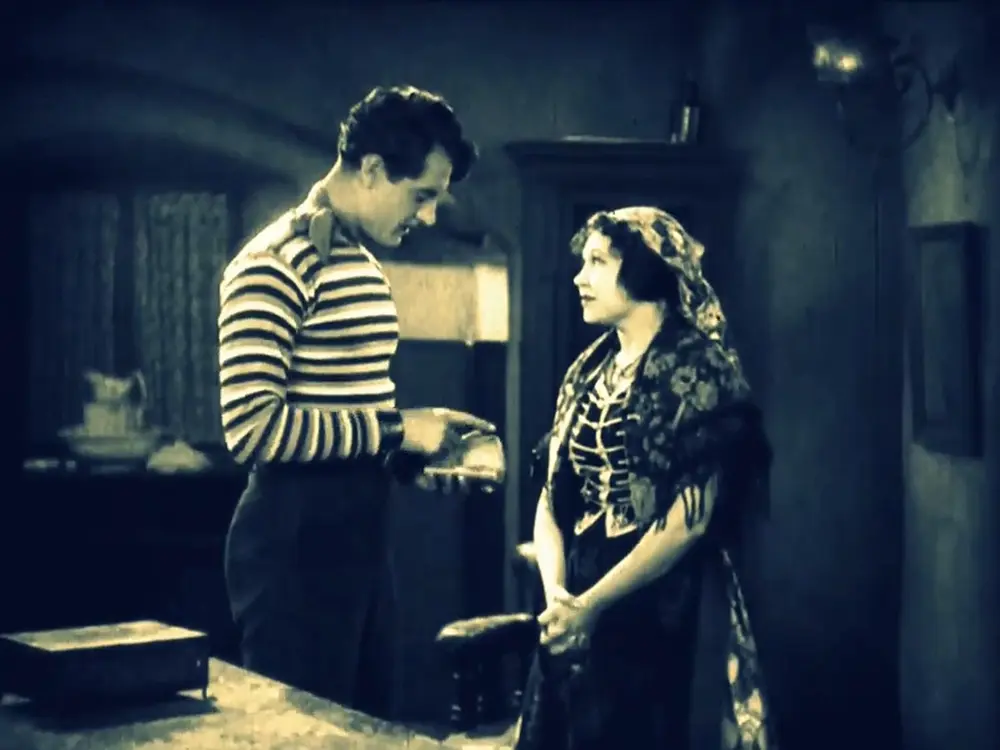
John Gilbert is often remembered for his romantic roles, but here he plays Cock Robin with a jarring, abrasive energy. He is a peacock. He struts. He preens. He treats the women in his life like props in his act. It is a brave performance. Gilbert isn't afraid to be hated. In the first thirty minutes, he is genuinely repulsive in his narcissism. This makes his eventual descent into terror much more satisfying for the audience.
His chemistry with Renée Adorée is the emotional anchor of the film. Adorée, as Salome, brings a heartbreaking vulnerability to the screen. She is the sacrificial lamb of the Palace. While other films of the era like The Scarlet Road explored moral downfalls, The Show focuses on the endurance of a woman who loves a man who doesn't deserve her. Her performance is subtle, relying on small gestures and expressive eyes rather than the broad pantomime often found in lesser silent films.
Lionel Barrymore’s 'The Greek' is one of the most effective silent film villains ever captured on celluloid. He doesn't need to twirl a mustache. Instead, he leans. He looms. He occupies space with a quiet, reptilian intensity. The way he interacts with the poisonous lizard—the instrument of his planned murder—is chilling. He treats the creature with more affection than any human being in the film.
This performance stands in stark contrast to the more traditional dramatic turns found in Les Misérables, Part 1: Jean Valjean. Barrymore understands that in a silent film, stillness is a weapon. When he smiles, it doesn't reach his eyes. It is the smile of a predator watching a trap about to spring. It is a performance that lingers in the mind long after the credits roll.
While categorized as a drama, The Show functions as a psychological thriller with horror elements. Its focus on murder, greed, and the macabre illusions of a Budapest sideshow creates a dark, unsettling atmosphere. It is more about the horror of human nature than supernatural scares. The 'beheading' illusion, used as a plot device for a real assassination attempt, is a quintessential Browning touch that blurs the line between entertainment and execution.
The pacing of The Show is relentless once the central conflict is established. The middle section, which details the Greek’s plan to eliminate Robin, is tight and economical. There is no wasted motion. Every scene serves to tighten the noose around the protagonist’s neck. The film avoids the episodic nature of many silent dramas, instead opting for a propulsive narrative that mirrors the ticking clock of the murder plot.
The use of title cards is also noteworthy. Joseph Farnham’s writing is sharp and avoids the flowery, poetic excesses of the time. The dialogue is punchy. It sounds like the way people in a sideshow would actually talk—cynical, direct, and weary. This grounded approach helps to balance the more theatrical elements of the plot, such as the Salome dance and the dramatic finale.
"In the Palace of Illusions, the only thing real is the greed."
The atmosphere is second to none. Browning creates a world that feels lived-in and dangerous. The performances, particularly from Barrymore and Adorée, are top-tier for the era. The film’s willingness to explore the darker side of human obsession is refreshing even by today's standards. Furthermore, the technical execution of the 'illusions' within the movie is fascinating from a historical perspective.
The protagonist is extremely difficult to like for the majority of the film, which might alienate some viewers. Some of the secondary characters, like the ones played by Polly Moran, feel like they belong in a different, more comedic movie like In Society, creating a slight tonal clash. The final resolution, while satisfying, leans a bit too heavily on melodrama.
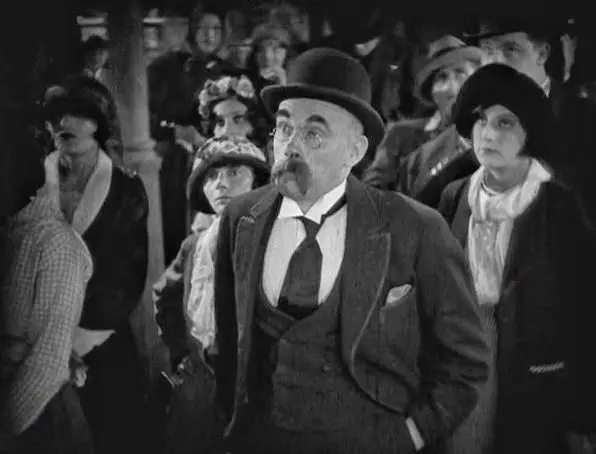
If you are looking for a film that challenges the notion that silent movies were all innocent and simple, then The Show is essential viewing. It is a gritty, cynical, and beautifully directed piece of work. It captures a specific moment in cinematic history where directors were beginning to push the boundaries of what could be shown on screen. It is a film about the masks we wear—both literal and metaphorical—and the high cost of taking them off.
While it may not have the epic scale of Les Misérables, it succeeds by focusing on a small, claustrophobic world where the stakes feel incredibly high. It is a punchy, 76-minute descent into the heart of human darkness. It works. It's flawed. But it's unforgettable.
The Show is a hidden gem in the MGM catalog. It benefits from the unique vision of Tod Browning and a cast that was firing on all cylinders. While Gilbert's character arc is slightly lopsided, the sheer atmosphere and Barrymore’s menacing presence make it a must-watch. It’s a dark, twisted ride through a Budapest that never was, but feels all too real. Final Rating: A strong recommendation for the cinematically adventurous.
IMDb 7.5
1930
Community
Log in to comment.