DbcultAccessing Vault...
7/10
Senior Film Conservator
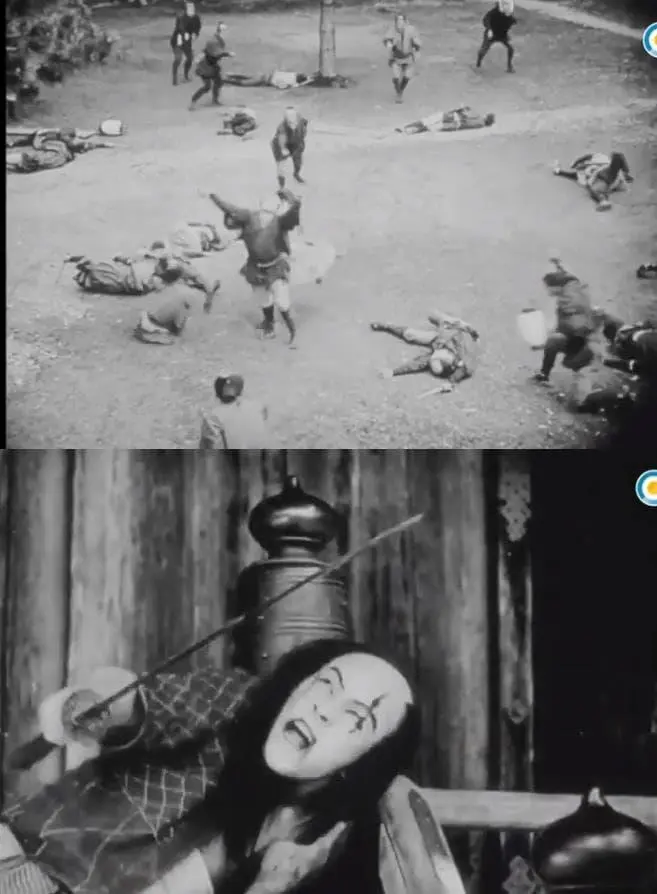
A definitive 7/10 rating for a film that redefined the boundaries of cult cinema. An Unforgettable Grudge remains a cornerstone of transgressive art.
Is this 1926 silent classic worth your time today? Short answer: yes, but only if you are willing to trade the polished tropes of modern action for a jagged, psychologically raw exploration of human envy.
This film is for the cinephile who wants to see the exact moment the samurai genre grew a soul. It is not for those seeking the clean, high-definition choreography of contemporary 'chanbara' epics.
Before we dive into the technical mastery of Daisuke Itô, let us be clear about where this film stands in the pantheon of Japanese cinema.
1) This film works because: It strips away the theatrical artifice typical of the 1920s, replacing it with a kinetic, almost feral energy in its swordplay and emotional beats.
2) This film fails because: The middle act relies heavily on repetitive recovery scenes that can feel stagnant to a viewer accustomed to modern pacing.
3) You should watch it if: You want to understand the roots of directors like Kurosawa or Kobayashi, specifically how they used the Edo period to critique the human condition.
Daisuke Itô was not interested in the polite, dance-like movements of early silent cinema. While Western films like Hands Up! were playing with genre conventions in the same year, Itô was busy reinventing the visual language of Japan. In An Unforgettable Grudge, the camera does not just sit and observe; it participates in the brothers' descent into madness.
Consider the scene where the younger brother, played with a surprising fragility by Momonosuke Ichikawa, is being nursed back to health. The framing is tight, almost claustrophobic. We aren't just watching a recovery; we are watching the slow, agonizing birth of a romance that we know will eventually kill someone. It is uncomfortable. It is intimate. It works.
Contrast this with the older brother's scenes. Yuzuru Kume delivers a performance that feels like a coiled spring. There is a specific moment in the dojo where he watches the dust motes dance in the light, a silent realization that his physical strength has earned him nothing but isolation. It’s a brutally simple sentence in visual form: Power is lonely.
The plot may sound like a standard melodrama, but the execution is anything but. The woman at the center of the conflict, played by Yayoi Kawakami, isn't a mere prize to be won. Unlike the more passive female roles seen in Lille Dorrit or Nelly Raintseva, her choice is the engine of the tragedy. She chooses the broken man over the strong one.
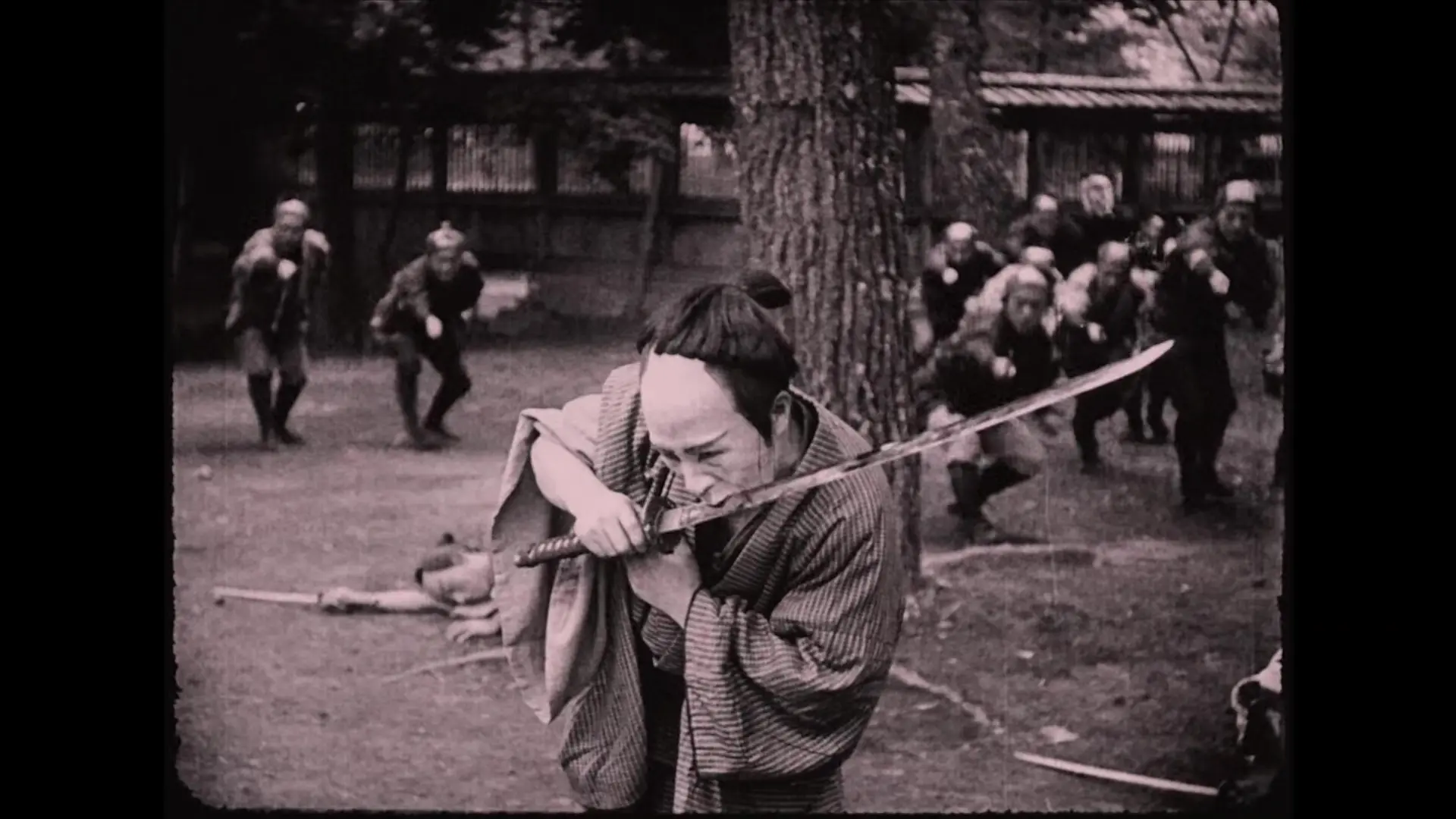
This choice subverts the entire 'Bushido' ideal. The older brother followed the rules. He fought, he won, he proved his dominance. Yet, the film argues that the 'grudge' isn't just against the younger brother, but against a world that rewards the sword but ignores the heart. It’s a bitter pill to swallow, and Itô serves it without any sugar.
The pacing is deliberate. Some might call it slow. I call it necessary. You need to feel the weight of the days the younger brother spends in bed to understand why the older brother’s resentment turns into a lethal poison. It is a slow-motion train wreck in a kimono.
If you are looking for a historical document that feels alive, yes. An Unforgettable Grudge is a vital piece of cinema history that refuses to act like a museum piece. It is more emotionally resonant than The Northern Code and far more daring in its camera work than Parentage. It captures a specific Japanese angst that is universal: the fear of being replaced by someone you love.
The lighting in this film is a character of its own. In the final duel, the shadows are long and jagged. It doesn't look like a choreographed fight; it looks like a struggle for survival in a dark alley. The way the light catches the blade during the older brother's final stand is haunting. It is not 'visually stunning' in a postcard way; it is visually arresting in a 'car crash' way.
The film’s use of negative space is also worth noting. When the brothers are together at the start, the frames are balanced. As the grudge grows, the compositions become skewed, lopsided, reflecting their fractured relationship. This is sophisticated filmmaking that doesn't need dialogue to explain its themes.
Compare this to the more straightforward narrative style of Cassidy or The End of the Game. Itô is playing a different game entirely. He is using the camera to write a poem about hate.
Pros:
Cons:
One of the most striking things about An Unforgettable Grudge is how it handles silence. Even though it is a silent film by necessity, the 'sound' of the grudge is deafening. You can almost hear the older brother's teeth grinding in the close-ups. It is a film that understands that the most violent thing in the world isn't a sword, but a person who has been told they aren't enough.
It is far more psychological than Darwin Was Right or even the social commentary of Where Are My Children?. It focuses the lens so tightly on these three individuals that the rest of the world ceases to exist. That focus is its greatest strength.
An Unforgettable Grudge is a masterpiece of early silent drama that deserves a spot in your watch list. It is flawed. It is slow. But it is profoundly human. It takes a simple story of two brothers and turns it into an operatic study of the destructive power of the ego. It avoids the whimsical nature of Sally of the Sawdust or the morality play structure of Doorsteps. Instead, it chooses to be a bloody, honest reflection of what happens when we cannot let go of what was never ours to begin with. It cuts deep. It stays with you. It is, as the title suggests, unforgettable.

IMDb 5.8
1933
Community
Log in to comment.