DbcultAccessing Vault...
Cult Review
Senior Film Conservator
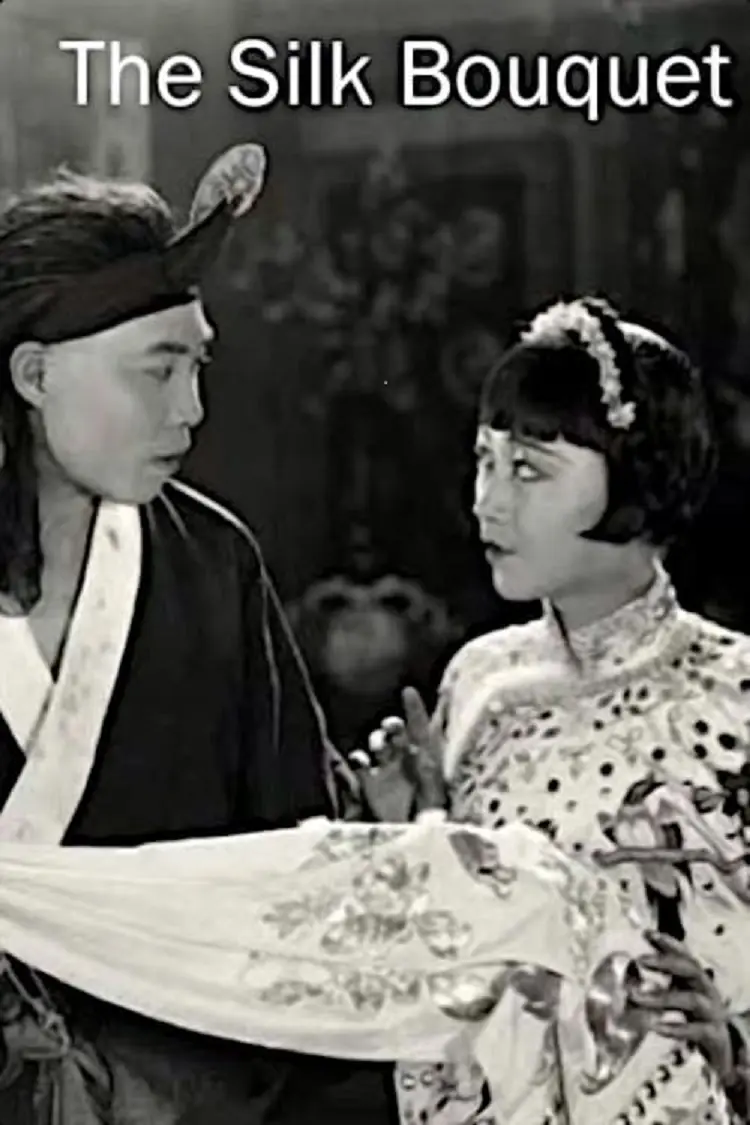
Is The Silk Bouquet a hidden gem or a dusty relic? Short answer: It is a historically vital piece of cinema that demands your attention if you care about the evolution of Asian-American representation, but it is a difficult sit for those accustomed to modern pacing.
This film is for the cinematic archaeologist and the Anna May Wong completionist. It is definitively not for someone looking for a high-octane adventure or a polished Hollywood production of the late silent era.
1) This film works because of the undeniable screen presence of Anna May Wong, who manages to convey deep internal conflict with minimal intertitles.
2) This film fails because its independent, low-budget roots result in static staging and occasional narrative incoherence.
3) You should watch it if you want to understand the foundational struggles of minority filmmakers in 1920s Los Angeles.
In 1926, the cinematic landscape was often unkind to its stars of color. Yet, in The Silk Bouquet, also known as The Dragon Horse, we see a different energy. Anna May Wong does not play a caricature here. She is the emotional anchor of a story that feels personal. There is a specific moment in the second act where she looks toward the horizon, waiting for the return of the sacred icon, where her eyes do more work than a five-page script. It is haunting.
Her performance stands in stark contrast to the more theatrical, almost pantomime style of K. Namien. While Namien handles the physical demands of the hero role adequately, he lacks the nuance Wong brings to the frame. When they share the screen, the power dynamic is lopsided. You aren't watching a couple; you are watching a star and a supporting player. This is a common theme in her early work, much like in The Mystery of No. 47, where she often outshines the material she is given.
The acting by the ensemble, including James B. Leong himself, is a mixed bag. The village elders are played with a sincerity that borders on the amateur, but that very lack of polish gives the film a documentary-like feel in certain scenes. It feels lived-in. It feels like a community rather than a set.
James B. Leong was a pioneer. Directing an all-Asian cast in the mid-1920s was an act of defiance. The Silk Bouquet lacks the massive budgets of something like The Border Legion, and it shows. The sets are sparse. The lighting is often flat. However, Leong uses his limitations to create a sense of intimacy. He doesn't try to compete with the sprawling epics of the time; instead, he focuses on the cultural weight of the Dragon Horse.
The pacing is, frankly, a slog. There are long sequences of characters walking through fields or sitting in contemplation that could have been trimmed by a more aggressive editor. But there is a rhythm to it that feels intentional. It reflects the slow, rhythmic life of the village before the bandit's intervention. It is a choice. A frustrating one, but a choice nonetheless.
Compare this to the frantic energy of Mighty Like a Moose. While that film thrives on slapstick speed, The Silk Bouquet asks for a meditative state. It doesn't always earn that patience, but it asks for it. The cinematography is functional but lacks the poetic flair seen in Frou Frou. It is a meat-and-potatoes visual style that prioritizes clarity over artistry.
If you are looking for entertainment in the conventional sense, you might find yourself reaching for your phone. But if you view film as a window into a specific time and place, The Silk Bouquet is essential. It represents a moment where Asian-American storytellers took control of their own narrative, free from the 'Yellow Peril' tropes that dominated mainstream Hollywood at the time.
The film is a fragile relic. The prints that survive are often grainy and damaged, which adds a layer of unintentional mystery to the viewing experience. Watching it feels like looking at a fading photograph. It is a ghost of a movie. But ghosts have stories to tell. It is worth watching for the historical context alone, even if the narrative beats feel dated.
Pros:
The cultural authenticity is light-years ahead of its contemporaries. Seeing Anna May Wong in a role that treats her with dignity is refreshing. The use of local folklore provides a unique narrative spine that differentiates it from the typical melodramas of the era like A Youthful Affair.
Cons:
The technical limitations are glaring. The editing is choppy, and the story occasionally loses its way in the transition between scenes. It lacks the polish of a studio-backed film like The House of Toys. Some viewers will find the lack of action in the first half hour to be a dealbreaker.
While this is a silent film, the visual rhythm suggests a musicality that is often lost in modern screenings without a live accompaniment. The way Leong frames the ritualistic aspects of the village suggests a deep respect for the subject matter. It is not an outsider looking in; it is an insider looking around. This perspective is what saves the film from being a mere curiosity.
The costume design, though simple, feels accurate. There is a texture to the clothing—the silk of the title—that contrasts with the dusty, rugged environment. This visual contrast is one of the few sophisticated aesthetic choices Leong makes. It highlights the vulnerability of beauty in a world of bandits and theft.
The Silk Bouquet is a flawed, slow, but ultimately significant work of art. It is not a masterpiece of technique, but it is a masterpiece of survival. It exists despite the odds. It works because it has a soul. But it’s flawed. The pacing will test you. The acting will occasionally baffle you. However, the image of Anna May Wong standing firm against the collapse of her village's traditions is an image that stays with you long after the final frame.
If you’ve enjoyed other silent explorations of character like Shoe Palace Pinkus or the dramatic weight of Captain Swift, you will find something to appreciate here. Just bring your patience. This is a slow burn that relies on its historical importance to carry it across the finish line. It is a film that deserves to be remembered, even if it isn't always easy to watch.
IMDb 6.9
1930
Community
Log in to comment.