DbcultAccessing Vault...
5.2/10
Senior Film Conservator
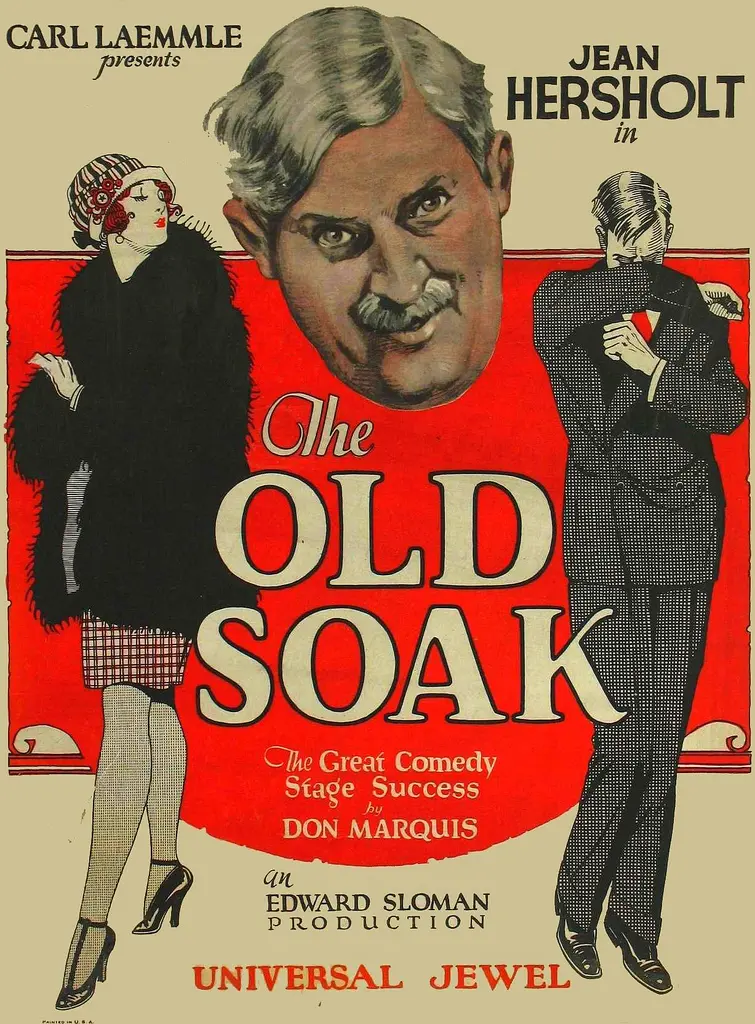
A definitive 5.2/10 rating for a film that redefined the boundaries of cult cinema. The Old Soak remains a cornerstone of transgressive art.
Is The Old Soak worth your time in the modern era? Short answer: Yes, but only if you are willing to look past its melodramatic surface to see the biting social commentary underneath. This film is a specific vintage, tailored for those who enjoy character studies of 'the lovable failure' and historians of Prohibition-era culture, though it will likely frustrate anyone seeking a fast-paced thriller.
1) This film works because it refuses to turn its titular 'soak' into a villain, instead presenting Clem Hawley as a man who is more honest in his drunkenness than his 'respectable' family is in their sobriety.
2) This film fails because the subplot involving Clemmy and the bank theft relies on a series of coincidences that feel forced, even by the standards of 1920s melodrama.
3) You should watch it if you want a nuanced look at the hypocrisy of the 1920s American middle class, or if you are a fan of Jean Hersholt’s ability to command a frame with nothing but a weary glance.
The Old Soak, based on the play by Don Marquis, arrived at a time when America was deeply divided over the Volstead Act. Unlike many films of the era that preached temperance with a heavy hand, this story takes a more cynical, and perhaps more human, stance. Clem Hawley is not a monster; he is a man who has opted out of the rat race. His garage business is gone, his status is diminished, and he finds more comfort in the company of a bootlegger than in his own living room.
The film excels when it focuses on this domestic friction. The way the camera lingers on Mrs. Hawley’s face—played with a palpable sense of exhaustion by Lucy Beaumont—tells you everything you need to know about the toll of Clem’s lifestyle. It’s a domestic drama that feels grounded, unlike some of the more heightened theatricality found in A Cumberland Romance. Here, the stakes aren't just about survival, but about the slow erosion of a family’s pride.
However, the film takes a sharp turn into crime-drama territory that doesn't always land. The introduction of the bank theft and the cousin Webster creates a plot engine that drives the second half, but it often feels like it belongs to a different movie entirely. While the domestic scenes feel lived-in, the bank scenes feel staged. This is a common issue with adaptations of the era, where the 'action' is added to spice up what was originally a dialogue-heavy play.
Jean Hersholt’s performance is the glue holding this erratic narrative together. In an era where silent acting often leaned toward the operatic, Hersholt is remarkably restrained. Consider the scene where he realizes his son has stolen the stock. There are no wild gestures or heaving chests. Instead, we see a slow dawning of horror followed by a resigned determination. He chooses to take the blame not out of a sense of duty, but out of a profound realization that his own reputation is already spent currency.
This choice is the most interesting part of the film. It suggests that Clem’s drinking isn't just a vice, but a shield. By being the 'town soak,' he has already sacrificed his standing in the community, making him the perfect martyr for his son’s sins. It’s a cynical yet moving perspective on redemption. It makes one think of the social pressures explored in The Slacker, where public perception dictates a character's entire reality.
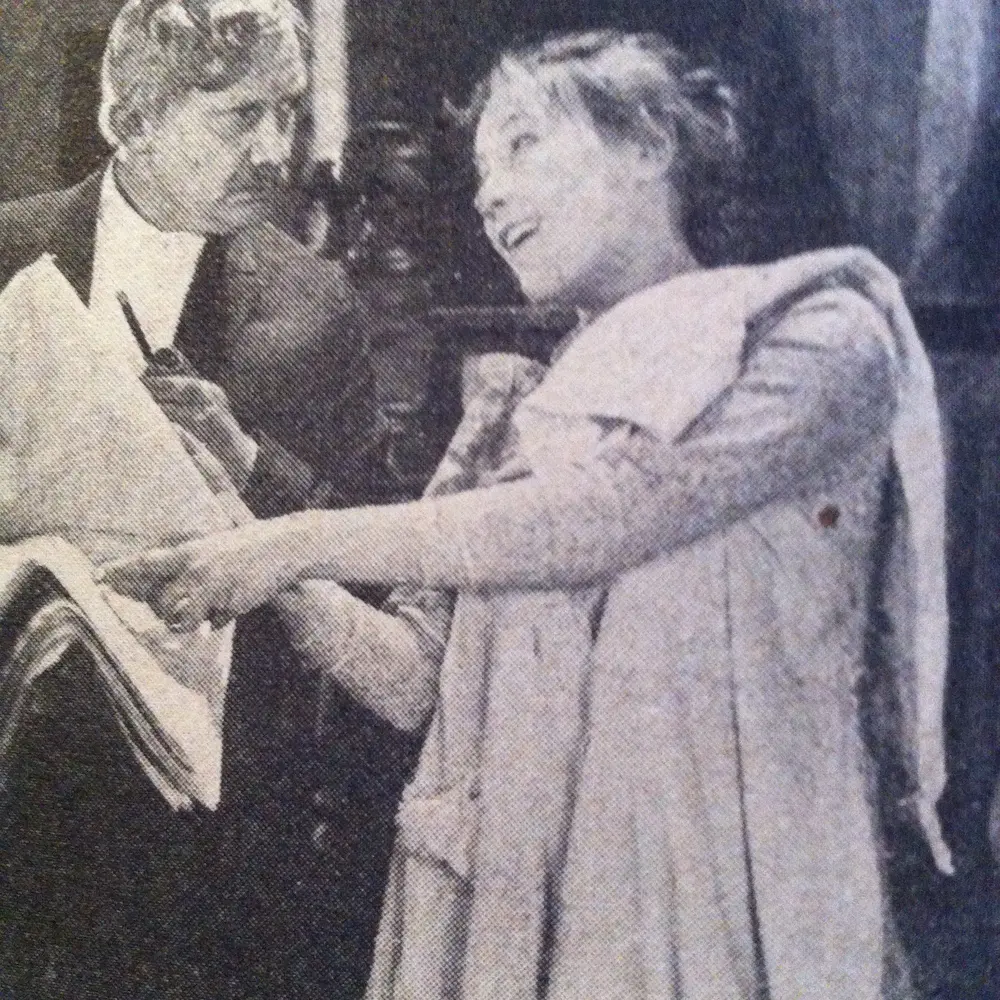
The contrast between Hersholt and George J. Lewis, who plays the son Clemmy, is stark. Lewis plays the part with a nervous energy that captures the desperation of a young man trying to 'punch up' into a social class he doesn't belong to. His pursuit of Ina Heath, the showgirl, is a classic trope of the era, echoing the themes of social climbing and false identity seen in Borrowed Clothes. However, Lewis's performance can occasionally grate, making the character hard to root for, even when he is supposedly the one we should be pitying.
The direction by Edward Sloman is competent, if not revolutionary. He uses the space of the Hawley home to create a sense of claustrophobia. The low ceilings and cluttered rooms reflect the stagnant nature of Clem’s life. When the action moves to New York or the bank, the frames open up, but they lose that intimate, oppressive energy that makes the first act so compelling. The pacing in the middle section drags significantly as the film tries to explain the mechanics of the stock theft, a sequence that could have been handled with half the intertitles.
One surprising observation: the film’s treatment of the bootlegger, Al, is unexpectedly sympathetic. In many films of this period, the supplier of alcohol is depicted as a predatory figure. Here, Al is just another guy trying to make a living, and his friendship with Clem is perhaps the most honest relationship in the movie. This lack of moralizing is refreshing and keeps the film from feeling like a dusty Sunday school lesson.
"The Old Soak manages to be a film about alcoholism that doesn't actually hate the alcoholic—a rarity for 1926."
Yes, The Old Soak is worth watching for anyone interested in the evolution of the American character study. It provides a window into a time when the 'black sheep' of the family was starting to be viewed with more nuance and less condemnation. While the plot is predictable, the emotional beats, particularly between the father and son, carry a weight that transcends the silent era's limitations.
Pros:
Cons:
The character of Webster is essential to understanding the film’s stance on morality. He is the 'respectable' face of the bank, yet he is in cahoots with the very bootleggers that the 'soak' is condemned for visiting. This dynamic is handled with a surprising amount of bite. It suggests that the real danger to society isn't the man drinking his life away in a garage, but the man in the suit who profits from the illegality of the drink. This theme of institutional corruption is a common thread in films like Politics, which also looks at the dirty underbelly of civic life.
When Ina and Clem finally force Webster's hand, it’s a moment of catharsis that feels earned, even if the mechanics of the scene are a bit clunky. It’s the one moment where Clem gets to step out of his 'drunk' persona and show the sharp mind that likely built his garage business in the first place. It works. But it’s flawed. The film wants to have its cake and eat it too—punishing the sinner while ultimately rewarding the family with a tidy happy ending that feels a bit too polished for the grit that preceded it.
Ultimately, the film is a reflection of the transition between the Victorian moral codes of the 19th century and the more cynical, modern world of the 20th. It’s a tug-of-war between the two, much like the domestic struggles seen in The Home Stretch. The Hawley family is a microcosm of an America trying to figure out what it values more: the appearance of virtue or the reality of loyalty.
The Old Soak is a fascinating artifact. It is not a perfect film, and its reliance on stage-bound plotting can make it feel dated. However, the core performance by Jean Hersholt and the surprisingly progressive stance on 'vice' make it a worthy addition to any silent film enthusiast's watchlist. It manages to find dignity in a character that the rest of the world has written off, and in doing so, it achieves a level of emotional resonance that many of its more 'polished' contemporaries lack. It’s a messy, human, and ultimately rewarding experience that reminds us that the most interesting stories are often found at the bottom of the bottle.
IMDb —
1927
Community
Log in to comment.