DbcultAccessing Vault...
5.6/10
Senior Film Conservator

A definitive 5.6/10 rating for a film that redefined the boundaries of cult cinema. The Siren's Song remains a cornerstone of transgressive art.
Beneath layers of cinematic history, The Siren's Song resurfaces like a phantom vessel—a 1919 melodrama where Theda Bara’s volcanic screen presence collides with Charles Kenyon’s Shakespearean script. Director J. Gordon Edwards crafts an atmospheric pressure cooker of superstition and societal suffocation, framing Marie Bernais’ vocal genius as both transcendent art and gothic curse. The Normandy coastline becomes a character itself: jagged promontories mirroring emotional fractures, waves crashing like disapproval from Raoul's aristocratic world. Cinematographer John Boyle pioneers chiaroscuro techniques, bathing Marie’s cottage in honeyed lamplight while drowning Raoul’s château in glacial shadows—a visual dialectic echoing the irreconcilable worlds devouring the lovers.
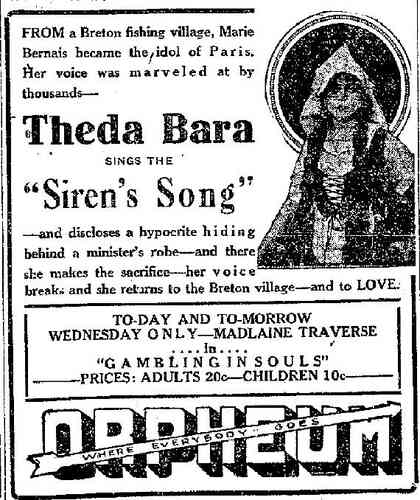
Paul Weigel delivers career-defining pathos as Jacques Bernais, fingers perpetually stained with salt and regret. His terror of Marie’s voice manifests in ritualistic gestures: snapping rosary beads during her trancelike arias, etching protective sigils on driftwood. This paternal dread transcends mere religious mania—it’s the primal fear of a laborer witnessing something beyond his comprehension. Kenyon’s script brilliantly inverts Dorian Gray’s aesthetic corruption; here, artistic purity becomes the perceived sin. Marie’s voice isn’t seductive like mythological sirens—it’s vulnerably human, cracking on high C’s when Raoul (Lee Shumway, radiating patrician cowardice) confesses his family’s ultimatum.

Theda Bara performs Marie’s unraveling through microscopic gestures: a fluttering eyelid during Raoul’s betrayal monologue, spine stiffening as if impaled by his words. Her suicide sequence remains revolutionary—not the theatrical swoon of contemporaneous pictures, but a zombified procession. Sand grinds beneath bare feet, lace sleeves drooping like broken wings, seawater soaking her skirt as she advances. Edwards shoots this at low tide, exposing razor-sharp barnacles that visually rhyme with society’s cruelties. Unlike A Woman’s Fight’s triumphant feminism, Marie’s destruction feels tragically inevitable—a flytrapped in amber by 19th-century gender fatalism.
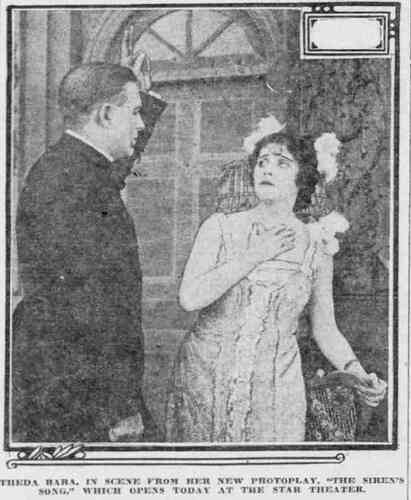
"Bara's eyes in the third act—dilated voids swallowing the frame—predate Bergman's Persona by half a century. Silent cinema's greatest unspoken soliloquy."
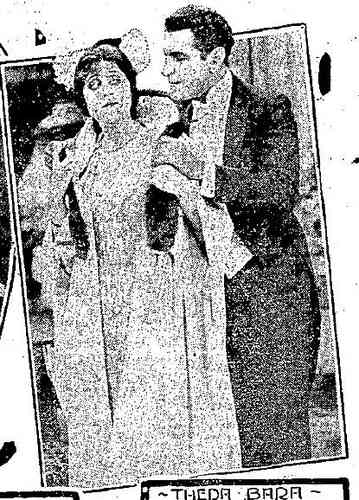
Production designer Anton Grot constructs dichotomous worlds. The Bernais cottage exhales warmth—copper pots gleaming, herbs dangling from smoke-blackened rafters—while Raoul’s mansion paralyzes with its Versailles-scale excess. A pivotal ballroom scene weaponizes space: Marie appears diminutive against marble columns, dwarfed further by sneering guests costumed as mythological beasts—a literalization of society’s predation. The staircase becomes Raoul’s moral battleground; he hesitates mid-descent while Marie waits below, his shadow stretching toward her like a stain. This vertical composition foreshadows their irreparable disconnect, more brutal than the glacial separations in Out of the Drifts.
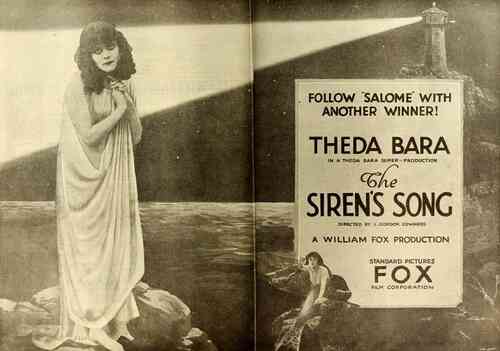
Edwards employs auditory suggestion decades before sound film. When Marie sings, extras don expressions of either rapture or revulsion—Ruth Handforth as Raoul’s aunt crosses herself violently. During the suicide sequence, crashing waves dissolve into rapid-cut flashbacks: Raoul conducting her at the harpsichord, children mocking her seaside performances. The true mastery lies in the finale’s soundless void: Marie’s lips moving without resonance, hands clutching her throat as if strangling the absent voice. This muteness symbolizes art murdered by puritanism—a theme echoing in Pesn Lyubvi Nedopetaya’s revolutionary requiems.
The Siren's Song transcends melodrama through psychological realism. Marie’s post-trauma silence isn’t romanticized; we see her shelling peas with vacant intensity, startling at seabird cries. Jacques’ redemption—teaching her sign language via tide charts—offers muted hope without sentimentality. The film’s interrogation of art’s perils predates The Dragon Painter’s tortured creator by a decade, while its class warfare critiques foreshadow Renoir’s Rules of the Game. Though partially lost, surviving reels reveal Bara’s performance as a singularity—a Medea in bombazine, turning societal violence inward. In cinema’s pantheon of shattered women, Marie Bernais remains the most devastating sibyl: a prophetess sacrificed at modernity’s altar.
Modern parallels emerge unexpectedly. Jacques’ demonization of talent mirrors contemporary cancel culture; Raoul’s status anxiety reflects influencer-era performativity. The sea’s duality—nurturer and destroyer—prefigures Malick’s elemental philosophies. In an era rediscovering silent film’s power (see The White Scar’s restoration), Edwards’ masterwork demands reappraisal not as relic, but revelation. Its final image—Marie’s hand signing toward the horizon—becomes a coded manifesto: art persists even when voices are stolen. More than tragedy, it’s archaeology of the soul—unearthing how beauty terrifies those who cannot possess it.

IMDb —
1934
Community
Log in to comment.