DbcultAccessing Vault...
Cult Review
Senior Film Conservator
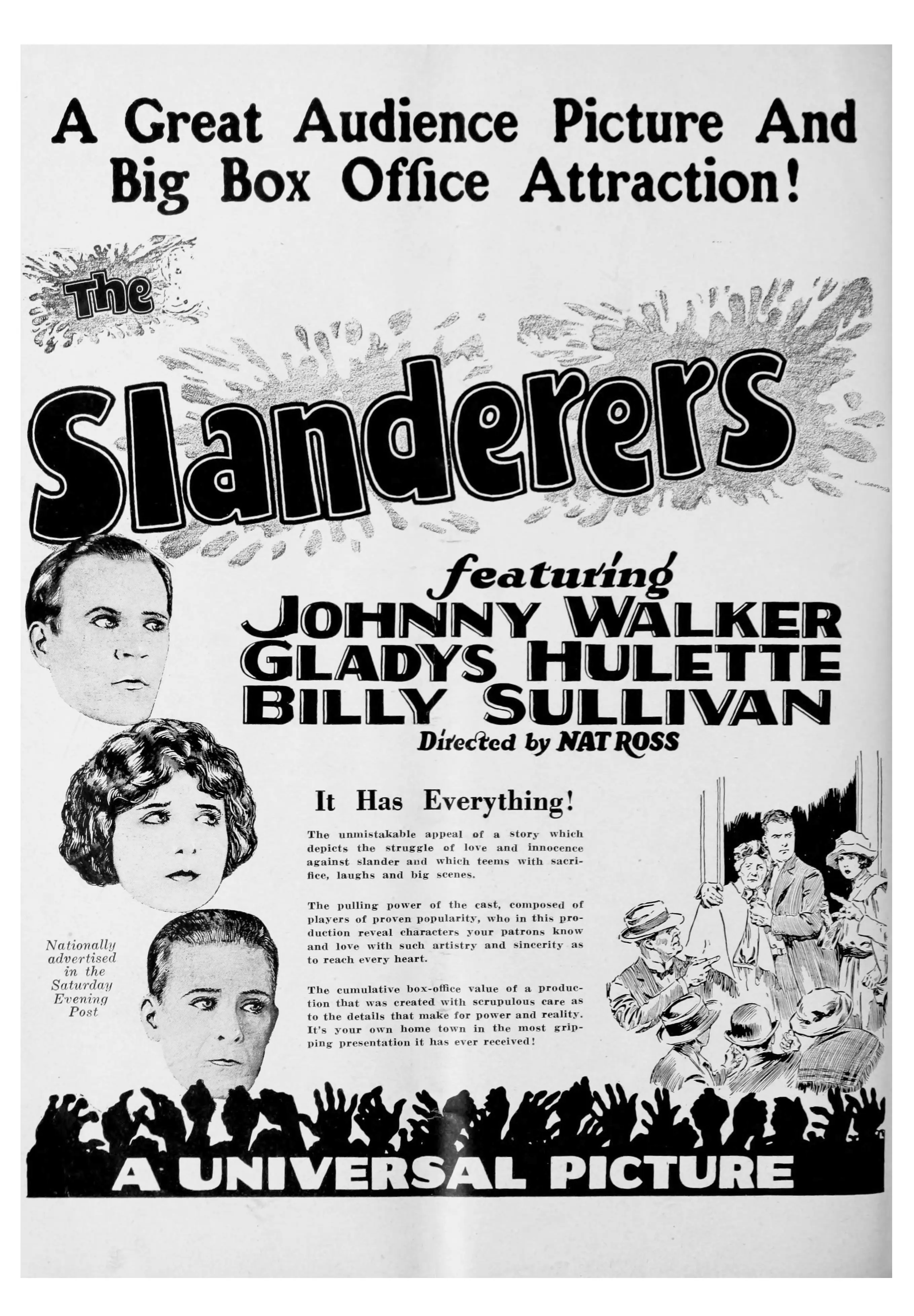
In the annals of early 20th-century cinema, a period often dismissed by casual observers as merely foundational, there exists a rich tapestry of narrative ingenuity and emotional depth. Among these treasures, 'The Slanderers' emerges as a particularly poignant example, a film that, despite its silent nature, articulates the clamor of human experience with remarkable clarity. Directed with an acute understanding of melodrama's power and penned by the collaborative vision of Valma Clark and Harvey Gates, this cinematic artifact transcends its era, offering a compelling examination of familial strife, societal judgment, and the crucible of war. It’s a work that, much like the more widely recognized The Lion and the Mouse or even the dramatic tension found in The Mating, delves into the intricate dynamics of human relationships under duress, yet carves its own distinct path with a narrative that feels both intimate and grand in its scope.
At its core, 'The Slanderers' is a searing indictment of unchecked authority and the corrosive effects of envy within the confines of a family unit. The narrative unfolds on a modest farm, a seemingly tranquil setting that belies the simmering tensions beneath its surface. Following the death of the patriarch, his estate falls under the dominion of a curmudgeonly uncle, an executor whose interpretation of his duties extends far beyond mere stewardship. This crabbed figure, portrayed with a chilling blend of avarice and petty cruelty, subjects the widow and her two sons to his capricious whims, transforming their home into a veritable prison of psychological manipulation and material deprivation. Such a portrayal of familial antagonism, while perhaps not as overtly villainous as the titular character in Fantomas: The Man in Black, resonates with a more insidious, domestic evil, making the uncle’s machinations all the more disturbing.
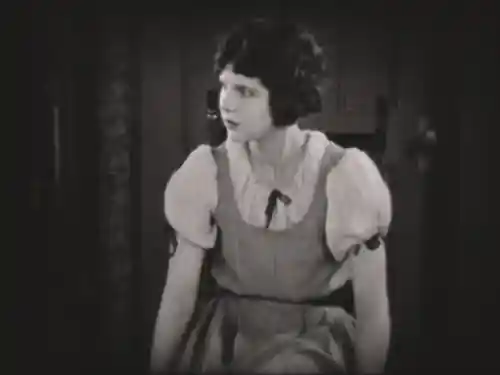
The emotional fulcrum of the story rests upon the two brothers and their foster-sister. Both young men harbor a fervent affection for the girl, a dynamic that, while seemingly innocuous, becomes a potent source of jealousy and unspoken rivalry. The foster-sister, depicted with a grace and innocence by Margaret Landis, treats both brothers with an impartiality that, paradoxically, only heightens their individual anxieties and competitive instincts. This love triangle, a classic trope, is handled here with a subtlety that avoids overt sensationalism, instead focusing on the internal turmoil it generates. Billy Sullivan, as the younger brother, delivers a performance imbued with a quiet intensity, conveying the burden of his existence under the uncle’s thumb. His restraint, born out of a profound concern for his invalid mother, is palpable, a testament to the nuanced acting capabilities prevalent even in the silent era. Jack Morgan, as the older brother, complements this dynamic, embodying a different facet of youthful ambition and frustration, creating a compelling contrast in their approaches to both love and adversity.
The narrative takes a dramatic turn with the advent of the Great War, a cataclysmic event that serves as both a catalyst for escape and a harbinger of deeper tragedies. The younger brother, seizing an opportunity to break free from his oppressive circumstances and answer the call of duty, enlists. This decision, fraught with personal significance, underscores his desire for autonomy and a sense of purpose beyond the farm. The older brother, in contrast, is denied enlistment, his services deemed more valuable to the nation by maintaining the farm’s operation. This divergence in their paths not only highlights the arbitrary nature of wartime directives but also intensifies the emotional chasm between them, leaving the older brother to shoulder the burden of the farm and the ever-present threat of his uncle’s greed. The depiction of the war’s impact, even if largely off-screen for the younger brother, aligns with the broader societal shifts seen in films like The Prussian Cur, where the conflict fundamentally reshapes individual destinies.
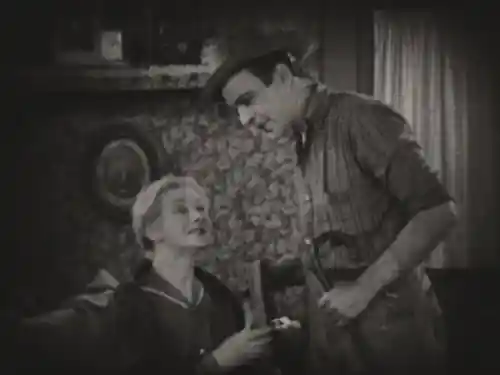
The night before his departure for the front, a fateful confrontation ignites. The younger brother uncovers the uncle’s insidious plan to dispossess them entirely of their farm, a revelation that shatters his carefully constructed resolve. Driven by a fierce protectiveness for his family and a desperate desire to secure their future, he confronts the uncle. The ensuing struggle, rendered with raw, visceral tension, culminates in the uncle’s accidental death. Unaware of the fatal outcome of their altercation, the younger brother departs for France, leaving behind a secret that will fester and ultimately unravel the lives of those he holds dear. This moment of tragic irony, where a desperate act of preservation leads to an unforeseen catastrophe, is a masterclass in dramatic irony, setting the stage for the film’s agonizing denouement. The raw emotion and moral ambiguity of this scene are reminiscent of the more intense dramatic moments in The Painted Soul, where characters are pushed to their breaking points.
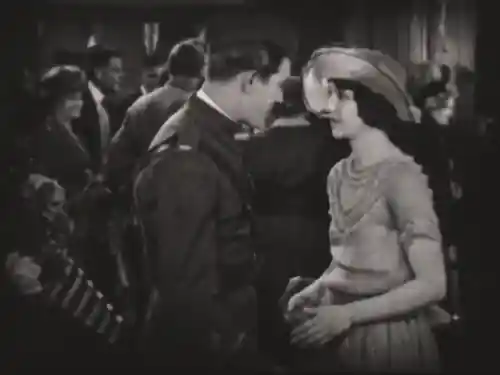
The younger brother’s return from the Great War is initially a triumphant affair. Heralded as a hero, he is greeted with the adulation and celebratory fanfare of his hometown. Yet, this moment of public acclaim is short-lived, swiftly overshadowed by the grim reality that awaits him. He is confronted with the devastating news of his uncle’s death and the tragic fallout that has befallen his loved ones. The discovery of the uncle’s body has plunged the family into a maelstrom of suspicion, gossip, and legal turmoil. The small town, with its inherent narrowness and propensity for rumor, has been quick to condemn, casting a pall of disgrace over the surviving family members. This element of societal judgment and the destructive power of gossip is where the film truly earns its title, 'The Slanderers,' showcasing how easily reputations can be tarnished and lives ruined by unfounded accusations and the insidious spread of misinformation.
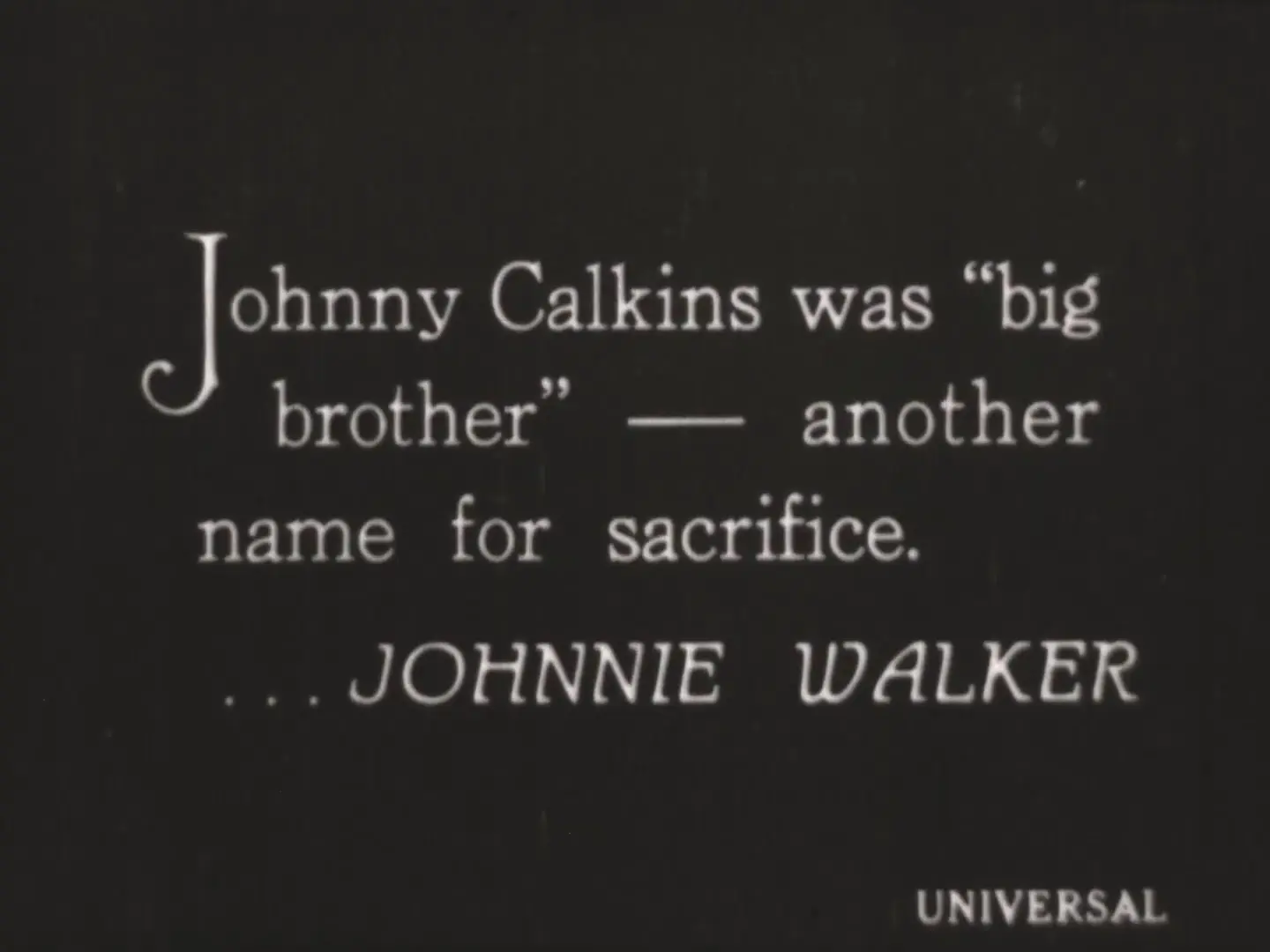
The film then shifts its focus to the younger brother’s arduous journey to right these wrongs. His heroism on the battlefield is now transmuted into a different kind of battle—one fought against prejudice, injustice, and the very fabric of his community’s preconceived notions. He must confront not only the legal ramifications of his past actions but also the insidious whispers and judgmental glances of those who once celebrated him. This struggle for truth and vindication forms the emotional climax of the film, as he takes "rugged steps" to clear his family’s name and restore their honor. The resolution of this conflict is not merely about legal exoneration but about the broader reclamation of dignity in the face of widespread condemnation. The societal pressure and the struggle against a rigid system echo themes found in Neglected Women, where characters battle against the unfairness of their circumstances.
The performances in 'The Slanderers' are uniformly strong, a testament to the expressive power of silent film acting. Billy Sullivan, in particular, carries much of the film’s emotional weight. His portrayal of the younger brother is a masterclass in subtlety, conveying profound internal conflict through nuanced gestures and deeply felt expressions. We witness his transformation from a downtrodden youth to a hardened war veteran, burdened by a secret, yet driven by an unwavering sense of justice. Margaret Landis brings a delicate strength to her role as the foster-sister, embodying a character who is both a source of affection and, inadvertently, a point of contention. Her scenes with both brothers are charged with an unspoken tension, her impartiality expertly communicated without the need for dialogue. Jack Morgan as the older brother provides a crucial counterpoint, his frustrations and jealousies simmering beneath a veneer of responsibility. The supporting cast, including Edith Yorke and George Nichols, grounds the narrative in a convincing rural reality, with Philo McCullough adding layers to the antagonist's menace.
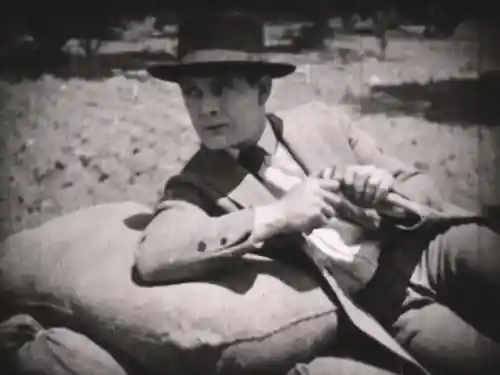
The direction, while uncredited in specific detail beyond the writers, displays an impressive grasp of visual storytelling. The pacing is deliberate, allowing the emotional beats to register fully, yet never allowing the narrative to stagnate. The use of intertitles is judicious, providing necessary exposition without overwhelming the visual narrative. The cinematography effectively captures the rustic beauty of the farm juxtaposed with the stark interiors of the uncle’s oppressive home, creating a visual language that reinforces the film’s thematic concerns. The stark contrasts in lighting and composition are particularly effective in conveying the shifting power dynamics and emotional states of the characters. This visual storytelling prowess is a hallmark of the era, akin to the detailed scene-setting often found in films like Maciste turista, though applied here to a more intimate drama.
'The Slanderers' is a film rich with thematic depth. At its heart lies a powerful exploration of justice—not just legal justice, but the deeper, moral justice that individuals seek when wronged. The younger brother’s relentless pursuit of truth in the face of community ostracism speaks volumes about the human spirit’s capacity for resilience. His sacrifice, both on the battlefield and in his personal life, is a central motif, highlighting the often-unseen costs of duty and loyalty. The film also provides a searing critique of small-town mentality, where rumor and prejudice can quickly eclipse truth and compassion. The collective judgment of the villagers becomes almost as formidable an antagonist as the uncle himself, illustrating how societal narrowness can perpetuate cycles of suffering. This theme of small-town gossip and its devastating effects is a recurring element in cinema, but 'The Slanderers' handles it with a particular intensity, demonstrating its destructive power in a pre-digital age.
The film’s portrayal of family dynamics is equally compelling. It delves into the complexities of sibling rivalry, the enduring strength of a mother’s love, and the corrupting influence of power within a domestic sphere. The foster-sister’s role, while seemingly passive, is crucial in providing a moral compass and a source of motivation for the brothers. Her unwavering affection, despite the turmoil, underscores the film’s underlying message about the redemptive power of love and loyalty. The film also subtly touches upon the lingering psychological scars of war, even for those who return as heroes. The younger brother’s internal struggle upon his return is as much about reconciling his past actions as it is about clearing his name, adding a layer of psychological realism that elevates the narrative beyond simple melodrama. The weight of expectation and the challenge of reintegration after war can be subtly compared to personal journeys in films like My Boy, where a character's return to normalcy is anything but simple.
'The Slanderers' stands as a powerful testament to the enduring appeal of well-crafted storytelling, regardless of technological constraints. Its narrative, while rooted in the specific social and historical context of the early 20th century, resonates with universal themes that continue to captivate audiences today. The film’s exploration of family betrayal, the devastating impact of war, and the insidious nature of societal judgment remains as pertinent now as it was a century ago. It reminds us that the human heart, in its capacity for both profound love and terrible malice, remains a constant subject for artistic inquiry. The film doesn't just tell a story; it unravels a complex tapestry of human emotions and moral dilemmas, inviting viewers to reflect on their own understanding of justice, forgiveness, and the true meaning of heroism.
In an era where cinematic spectacle often overshadows narrative substance, revisiting films like 'The Slanderers' offers a valuable perspective on the foundations of dramatic filmmaking. It serves as a reminder that compelling characters, intricate plotlines, and profound thematic explorations are the true hallmarks of cinematic excellence. The film’s ability to evoke such a wide range of emotions—from simmering anger and desperate love to triumphant vindication and quiet tragedy—without uttering a single spoken word, is nothing short of remarkable. It is a film that deserves to be rediscovered, studied, and appreciated not just as a historical curiosity, but as a vibrant piece of cinematic art that speaks to the timeless struggles of the human condition. Its enduring power lies in its unflinching portrayal of how easily lives can be shattered by malevolence and misunderstanding, and the rugged determination required to rebuild them. The emotional weight and societal commentary here are arguably as impactful as the more overt social critiques found in films like Green Eyes or The Stolen Voice, proving that silent cinema was far from silent in its message.
Ultimately, 'The Slanderers' is more than just a period drama; it is a profound meditation on the resilience of the human spirit in the face of overwhelming adversity. It’s a narrative that explores the labyrinthine paths of morality, the corrosive power of greed, and the ultimate triumph of integrity. The journey of its protagonist, from a subjugated farm boy to a war hero and then a crusader for justice, is a compelling arc that resonates deeply. For anyone seeking to understand the expressive capabilities of silent cinema and the foundational narratives that shaped the art form, 'The Slanderers' offers an essential and deeply rewarding experience. It’s a film that leaves a lasting impression, prompting reflection on the nature of truth, the burden of secrets, and the enduring quest for redemption in a world too often swayed by superficial judgments. Its intricate plot, memorable characters, and powerful themes ensure its place as a significant, albeit often overlooked, contribution to the cinematic heritage of its time.
IMDb —
1936
Community
Log in to comment.