DbcultAccessing Vault...
6.1/10
Senior Film Conservator
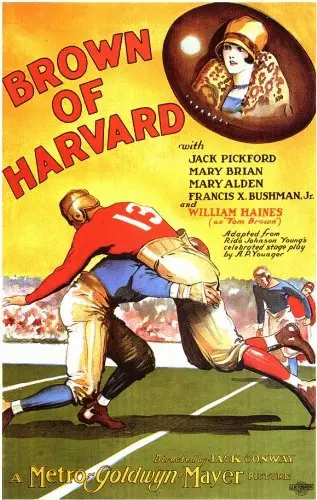
A definitive 6.1/10 rating for a film that redefined the boundaries of cult cinema. Brown of Harvard remains a cornerstone of transgressive art.
Is Brown of Harvard (1926) worth watching today? Short answer: Yes, but only if you can handle a protagonist who is intentionally unlikable for eighty percent of the runtime. This film is for silent film buffs and sports history enthusiasts, but definitely not for those who need a hero to be a 'nice guy' from the start.
The film serves as a fascinating time capsule of a lost era of American masculinity. It doesn't just show us a story; it shows us a culture of competition that feels both foreign and strangely familiar. If you enjoy seeing the roots of the modern sports movie, this is your ground zero.
1) This film works because William Haines possesses a modern, punchy charisma that predates the 'cool' of the 1950s.
2) This film fails because the third-act 'humbling' of the protagonist feels rushed and slightly disingenuous compared to his earlier vibrancy.
3) You should watch it if you want to see the blueprint for every college sports movie made in the last century.
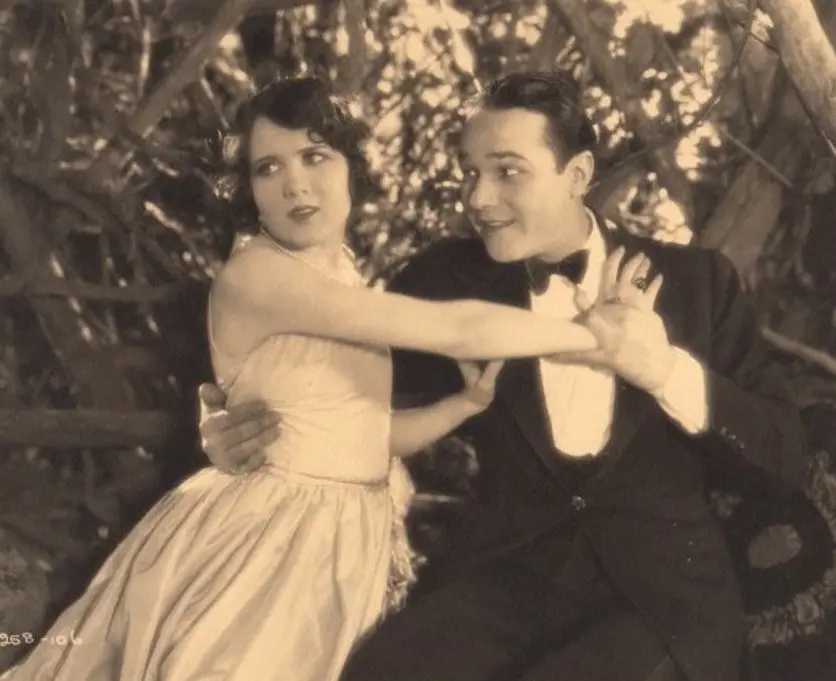
William Haines was a revelation in 1926. Unlike many silent stars who relied on tragic pathos or slapstick, Haines leaned into a specific type of 'smart-aleck' energy. In Brown of Harvard, his Tom Brown is a brat. He is loud, he is wealthy, and he is insufferably confident. It works. But it’s flawed.
There is a specific scene early in the film where Brown arrives on campus and immediately begins dictating terms to his peers. He treats the venerable institution like a country club he’s already bought and paid for. This isn't the typical 'underdog' story we see in films like The Tenderfoot. Instead, it’s a 'top-dog' story about a man who needs to be kicked off his pedestal.
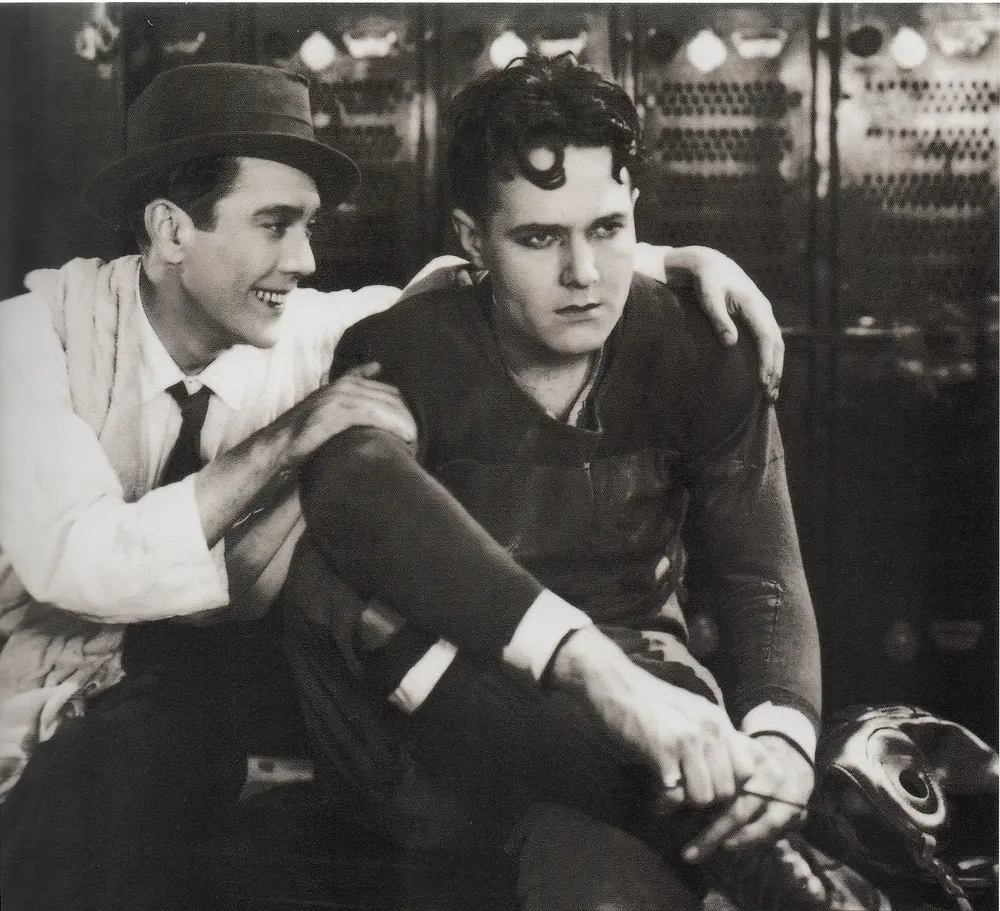
Haines’ performance is remarkably physical. Watch the way he carries his body—chest out, chin up, always moving. He doesn't just walk into a room; he occupies it. This makes his eventual clash with Bob McAndrew feel inevitable. McAndrew is the silent, brooding type, providing a perfect foil to Brown’s manic energy. The chemistry between the rivals is actually more compelling than the romance with Mary Abbott.
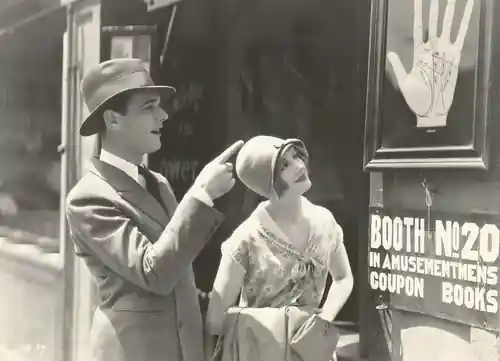
Director Jack Conway utilized the actual Harvard campus, and it shows. There is an authenticity to the stone walls and the rowing sequences that studio sets could never replicate. The cinematography during the rowing scenes is particularly striking for 1926. The cameras feel close to the water, capturing the rhythmic, grueling labor of the crew.
One standout moment involves a wide shot of the rowing sculls cutting through the water. The symmetry of the oars hitting the surface in unison creates a visual metaphor for the discipline Tom Brown lacks. It’s a beautiful, quiet contrast to the chaotic energy of the football scenes. In those moments, the film moves from a simple drama to something approaching visual poetry.
The lighting is also worth noting. While many silent films of the era utilized flat, high-key lighting, Brown of Harvard plays with shadows in the dorm rooms. It creates a sense of intimacy and isolation, reminding us that despite the crowds and the cheers, Tom Brown is essentially a lonely figure trying to buy friendship with bravado.
Yes, Brown of Harvard is worth watching because it defines the 'college movie' genre. It establishes tropes we still see today: the arrogant jock, the stoic rival, and the big game that settles everything. While the pacing can feel slow to modern audiences, the historical value and William Haines' magnetic performance make it a mandatory watch for cinema students.
An unconventional observation I’ll make is that the film treats Harvard not as a school, but as a gladiatorial arena for the upper class. There are almost no scenes of actual studying. The 'education' Tom Brown receives is entirely social and physical. It’s a brutal look at how the American elite of the 1920s viewed 'character building.'
There is also a palpable, almost homoerotic tension in the rivalry between Brown and McAndrew. The way they stare each other down, the obsession they have with each other’s athletic prowess—it goes beyond mere competition for a girl. It’s a deep, masculine recognition that feels far more intense than the chaste scenes Brown shares with Mary Abbott.
This intensity is what keeps the film from being a boring relic. It feels alive. It feels sweaty. When compared to the more whimsical tone of Going Up, this film has a grit that is surprising for its age. It’s not just about winning; it’s about the cost of pride.
Jack Conway was a master of the MGM 'house style,' which meant the film is polished and professional. The pacing is generally excellent, though the transition into the final act feels a bit like a moralizing lecture. The writers, including Donald Ogden Stewart, ensure the dialogue intertitles are snappy and reflect the 'Jazz Age' slang of the time.
However, the film occasionally leans too hard into melodrama. There’s a subplot involving a sick friend that feels tacked on to force Tom Brown into a moment of self-reflection. It’s a common trope of the era, seen in films like The Unbeliever, but here it feels a bit manipulative. We don't need a tragedy to understand that Tom needs to grow up; his own failures on the field should have been enough.
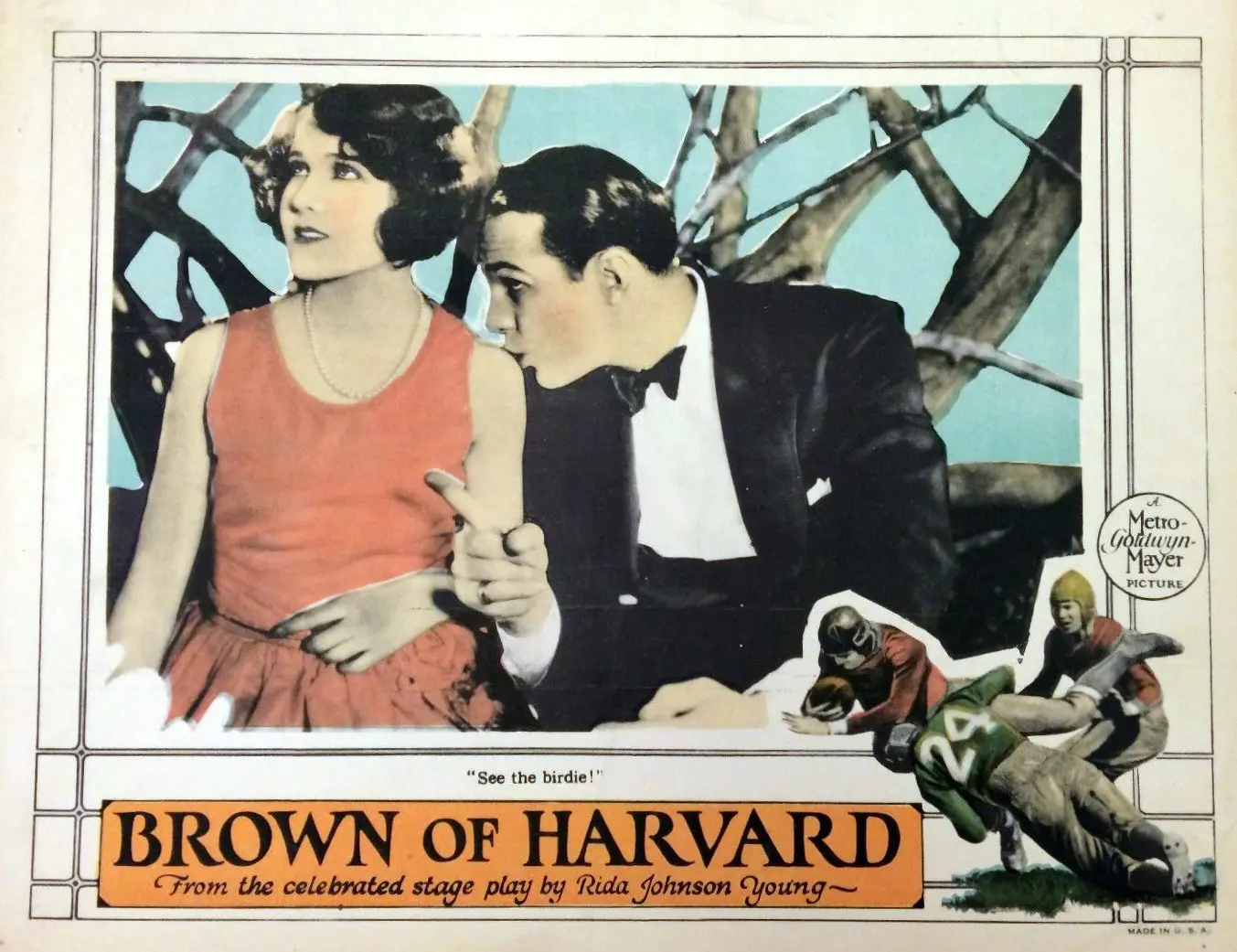
For trivia buffs, this film is famous for a very young, uncredited John Wayne appearing as an extra. He’s just a face in the crowd, a football player among many, but seeing him there adds a layer of 'Old Hollywood' magic. It’s a reminder that everyone starts somewhere, even the Duke. His presence, however brief, links this silent collegiate drama to the future of the American Western.
Pros:
- Authentic 1920s Ivy League atmosphere.
- Thrillingly shot rowing and football sequences.
- A complex lead performance that avoids easy clichés.
- Snappy, period-accurate dialogue intertitles.
Cons:
- The romantic subplot is the least interesting part of the film.
- Some secondary characters are one-dimensional archetypes.
- The 'moral lesson' is delivered with a sledgehammer.
Brown of Harvard (1926) is a fascinating, high-energy artifact. It captures a moment in time when the 'college man' was the pinnacle of American social aspiration. While it suffers from the era's tendency toward sentimentalism in its final minutes, the core of the film—the rivalry, the arrogance, and the athletics—is surprisingly durable.
William Haines is the reason to watch. He doesn't play Tom Brown as a hero; he plays him as a man who needs a reality check. That honesty makes the film feel more modern than many of its contemporaries like Brigadier Gerard. It’s a punchy, athletic, and occasionally mean-spirited drama that still manages to win you over in the end. It’s not a masterpiece, but it’s a damn good time.
IMDb 6.8
1936
Community
Log in to comment.