DbcultAccessing Vault...
Cult Review
Senior Film Conservator
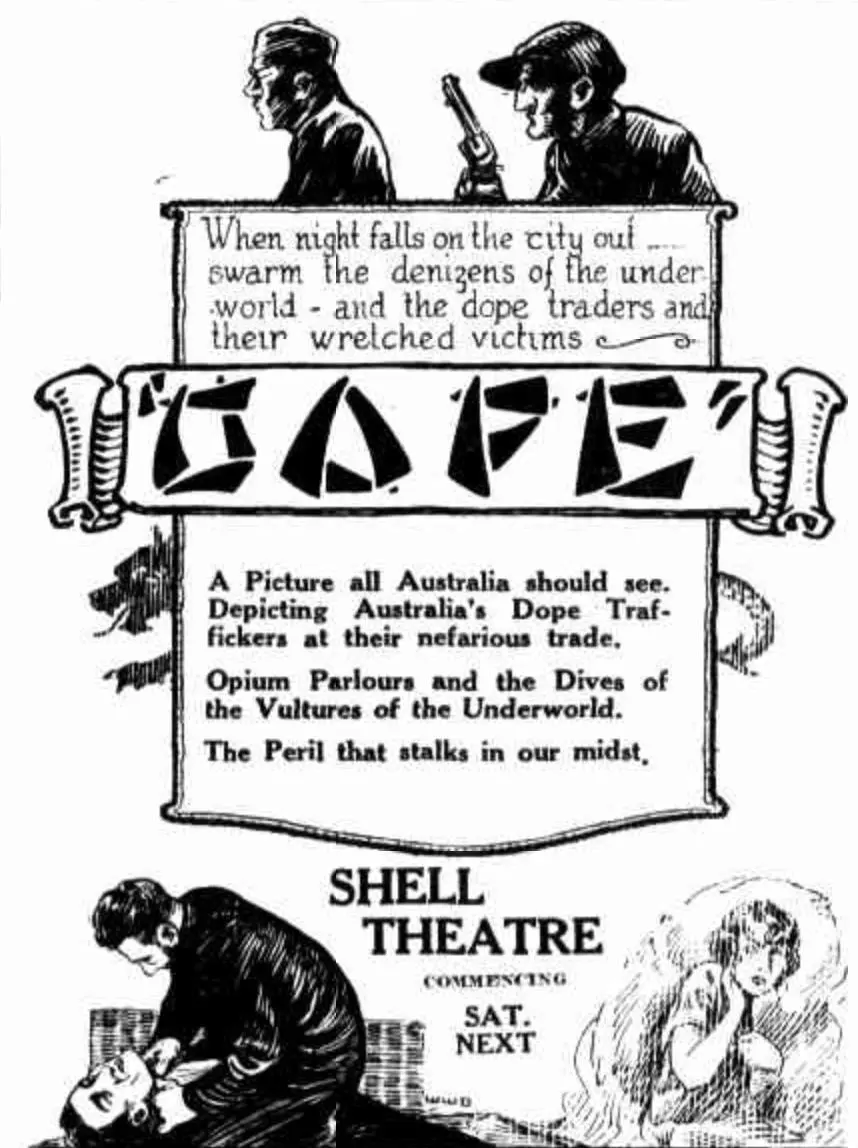
he year 1924 marked a peculiar zenith in the evolution of silent cinema, a period where the medium had fully shed its vaudevillian origins to embrace a more sophisticated, albeit often didactic, narrative language. Among the relics of this era, few films possess the raw, unvarnished audacity of Dope. Directed by Dunstan Webb and penned with a sharp, cynical nib by Con Drew, this Australian production stands as a startling antithesis to the saccharine domesticity found in international hits like The Old Nest. While Hollywood was busy perfecting the art of the historical epic with grandiosity like The Queen of Sheba, the Australian film industry was pivoting toward a localized social realism that felt both urgent and dangerously contemporary.
Dope is not a film that invites the viewer in with a warm embrace; rather, it drags the spectator by the collar into the soot-stained corners of Sydney’s underworld. The narrative architecture is built upon a foundation of moral anxiety, reflecting a post-WWI society grappling with the influx of foreign influences and the perceived erosion of traditional values. Unlike the whimsical character studies seen in Mr. Opp, Dope is preoccupied with the mechanics of vice. The screenplay by Con Drew functions as a cautionary map, detailing how the 'white plague' of narcotics—specifically cocaine and opium—seeps through the cracks of class distinctions.
The visual language employed here is one of stark contrasts. The cinematography utilizes a chiaroscuro effect that predates the formal definition of Film Noir, turning the harbor city into a phantasmagorical landscape of shadows and silhouettes. In scenes reminiscent of the tension found in Under Suspicion, the camera lingers on the trembling hands of the addicted, capturing a physical vulnerability that was rare for the 1920s. This is a far cry from the lighthearted escapades of This Way Out; this is cinema as a surgical instrument, dissecting the rot beneath the surface of the Roaring Twenties.
The ensemble cast, led by the formidable Charles Villiers and William Newman, delivers performances that oscillate between the theatrical and the hauntingly naturalistic. Villiers, in particular, portrays a figure caught in the crosshairs of a societal purge. His movements are imbued with a jittery energy that perfectly encapsulates the withdrawal and craving inherent to the film's subject matter. There is a sense of atavistic dread in his portrayal, a man losing his grip on the civilized world, not unlike the primal struggles depicted in The Sea Wolf.
The female leads, Monica Mack and Lorraine Esmond, provide the emotional core of the film. In an era where female roles were often relegated to the 'damsel' or the 'matriarch,' Dope offers a more complex, albeit tragic, view of womanhood. Their characters are not merely victims; they are active participants in a dangerous game of survival. This nuanced approach to gender dynamics is a significant departure from the more rigid archetypes seen in The Stimulating Mrs. Barton. The chemistry—or perhaps more accurately, the friction—between the cast members creates a palpable sense of claustrophobia, as if the very air of the film is thick with the smoke of the dens they inhabit.
One cannot discuss Dope without addressing the cultural anxieties it weaponizes. The film is a product of its time, steeped in the xenophobic rhetoric of the early 20th century. The 'opium den' is portrayed as a site of foreign contamination, a theme that echoes the espionage-laden fears found in De røvede Kanontegninger. However, Dope manages to transcend mere propaganda through its sheer visceral execution. It isn't just about the 'other'; it is about the internal collapse of the self. The film suggests that the true danger lies not just in the substance, but in the desire to escape a reality that has become unbearable.
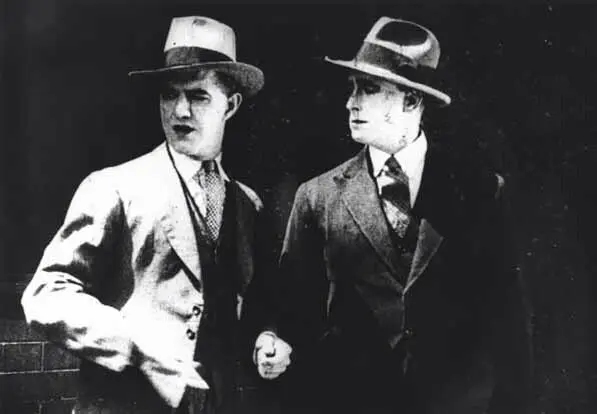
This thematic depth elevates Dope above contemporary crime capers like $5,000 Reward. While the latter focuses on the thrill of the chase, Dope focuses on the lethargy of the aftermath. It is a slow-burn tragedy that mirrors the historical weight of Barnaby Rudge, yet it replaces the Dickensian scale with a focused, almost microscopic look at urban decay. The film asks: what happens when the 'Dawn of Freedom,' as explored in The Dawn of Freedom, leads only to a new kind of enslavement?
From a technical standpoint, Dope is a masterclass in atmospheric world-building. The production design by J.N. Tait and the direction by Webb utilize the limited resources of the Australian film industry to create a world that feels expansive yet suffocating. The use of location shooting in the actual slums of Sydney lends the film a documentary-like quality that is strikingly modern. We see the influence of international styles, perhaps even a nod to the gritty urbanism of When Broadway Was a Trail, but Dope retains a uniquely parochial grit.
The editing rhythm is particularly noteworthy. In moments of drug-induced euphoria or panic, the cutting becomes erratic, mimicking the fractured consciousness of the characters. This avant-garde sensibility is a surprising find in a film that was ostensibly marketed as a moralistic warning. It suggests a director and a writer who were deeply engaged with the expressive potential of the frame, moving beyond the static compositions of Centocelle or the theatrical staging of The Skipper's Narrow Escape.
For decades, Dope existed primarily in the footnotes of film history, a 'lost' work that lived on through lobby cards and whispered anecdotes. Its rediscovery and preservation have allowed us to re-evaluate the trajectory of Australian cinema. It serves as a crucial link between the early melodramas and the later 'Ozploitation' movement. Where a film like Dodging a Million deals with the fantasies of wealth, Dope deals with the nightmares of the working class.
The film’s conclusion is a somber affair, refusing to offer the easy catharsis found in many silent-era features. There is no triumphant return to grace, only a quiet, weary acceptance of the damage done. This commitment to an unhappy ending—or at least a deeply compromised one—is what gives Dope its lasting power. It is a film that lingers in the mind long after the final intertitle has faded, much like the persistent, nagging craving it so vividly depicts.
In the final analysis, Dope is more than just a historical curiosity; it is a profound piece of visual art that challenged the boundaries of what was acceptable on screen in 1924. It eschewed the safety of the parlor for the danger of the street, and in doing so, it captured a truth about the human condition that remains relevant a century later. It is a harrowing excursion into the heart of darkness, illuminated by the flickering light of a projector, and it demands our attention as a cornerstone of early social-realist cinema.
Final Rating: A haunting, essential piece of silent-era subversion. 9/10
IMDb 6.2
1936
Community
Log in to comment.