DbcultAccessing Vault...
6/10
Senior Film Conservator
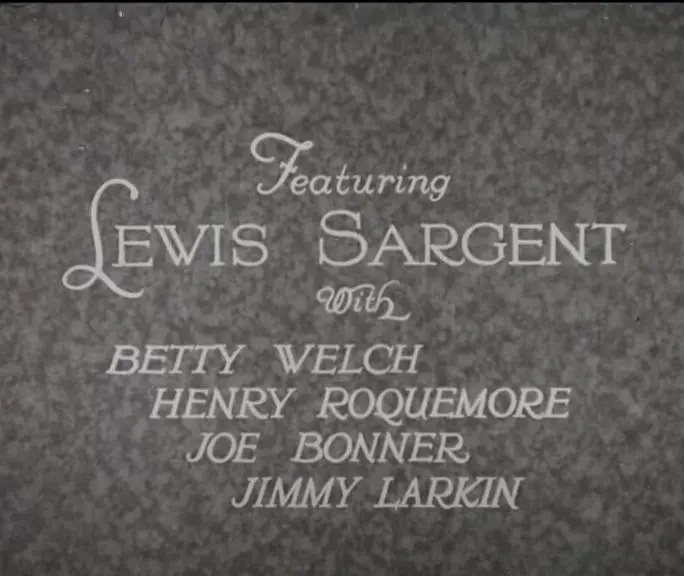
A definitive 6/10 rating for a film that redefined the boundaries of cult cinema. The Speed Hound remains a cornerstone of transgressive art.
Should you invest your time in The Speed Hound today? Short answer: yes, but only if you have a tolerance for the jittery, unrefined energy of 1920s slapstick shorts. This isn't a film for those seeking narrative depth or complex character arcs; it is a film for the historians of the high-speed gag and the enthusiasts of early automotive cinema. It is a frantic, often messy piece of work that captures a world transitioning into a faster way of life.
The Speed Hound is worth watching for anyone interested in the evolution of the action-comedy genre and the physical risks of silent-era filmmaking. It provides a raw, unfiltered look at early stunt work and the cultural obsession with speed that defined the Roaring Twenties. If you enjoy seeing the foundations of modern car chases, this is a vital piece of the puzzle. However, if you find the repetitive nature of silent gags tiresome, this will likely feel like a chore.
1) This film works because it embraces a singular, kinetic focus on movement that bypasses the need for complex intertitles or heavy exposition.
2) This film fails because its supporting characters, particularly the role played by Joe Bonner, are mere cardboard cutouts designed to facilitate the next stunt rather than inhabit a story.
3) You should watch it if you are a fan of Jimmy Larkin’s specific brand of physical desperation or if you want to see how directors like Albert Herman pioneered the 'race against time' trope.
The Speed Hound is less a movie and more a series of mechanical provocations. Albert Herman, a director known for his efficiency in the short-form format, understands that the audience isn't here for the dialogue—or the silent equivalent of it. They are here to see metal bend and bodies fly. The film’s pacing is its greatest asset and its most exhausting trait. From the opening frames, there is a sense of impending collision. The way Larkin interacts with his vehicle suggests a man who is perpetually five seconds behind his own momentum. It’s a performance of pure anxiety.
Consider the sequence where Larkin’s character attempts to repair his engine while the car is still in motion. It is a masterclass in choreographed chaos. Unlike the more polished stunts found in The Biggest Show on Earth, the action here feels dangerously unscripted. There is a grit to the cinematography that suggests the camera crew was just as much at risk as the actors. The dust kicked up by the tires isn't a special effect; it’s a tangible part of the environment that chokes the frame and adds a layer of realism that modern digital effects can never replicate.
The film’s relationship with technology is fascinatingly primitive. In 1927, the car was still a symbol of terrifying freedom. Herman captures this by making the car the most expressive character in the film. It groans, it leaps, and it fails at the most inopportune moments. While a film like The Third Alarm uses technology as a tool for heroism, The Speed Hound treats the automobile as a volatile partner in a dance of destruction. It is an unapologetic celebration of the wreck.
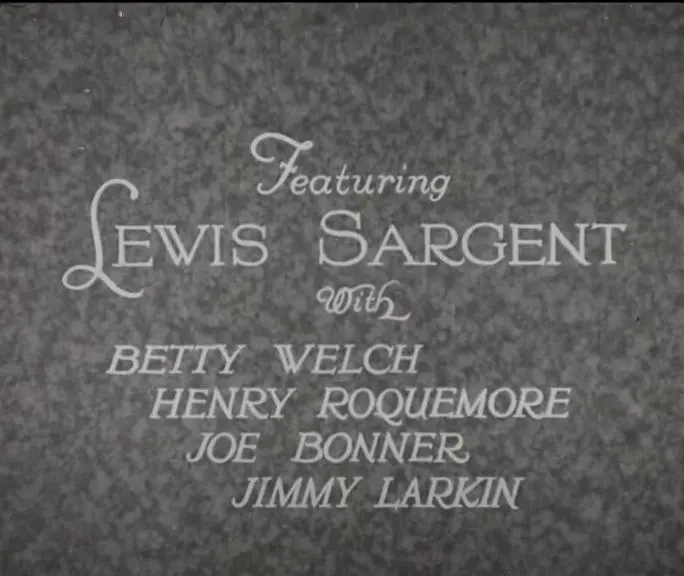
Jimmy Larkin is not a name that carries the same weight as Keaton or Lloyd, and watching The Speed Hound, you begin to understand why—and why that’s a shame. Larkin lacks the poetic grace of Keaton, but he possesses a frantic, blue-collar energy that is uniquely his own. He doesn't glide through disaster; he scrambles through it. In the scene where he is forced to navigate a crowded marketplace at top speed, his facial expressions are a mix of genuine terror and practiced comedic timing. He is the Everyman caught in a mechanical nightmare.
Betty Welsh and Wanda Wiley provide the necessary foils to Larkin’s mania. Welsh, in particular, manages to do a lot with very little. Her role is largely reactionary, but she grounds the film’s more absurd moments in a sense of domestic reality. Without her, the film would be a meaningless series of crashes. She provides the 'why' to Larkin's 'how.' However, it must be said that the writing for the female leads is remarkably thin, even by the standards of the era. They are prizes to be won, a trope that was already feeling tired compared to the more progressive characterizations in The Gaiety Girl.
"Slapstick is often dismissed as low-brow, but Larkin's timing in The Speed Hound is mathematical. He isn't just falling; he's calculating the trajectory of the laugh."
The presence of Lewis Sargent and Henry Roquemore adds a layer of professional stability to the production. Sargent, who had a career spanning from the silent era into the talkies, brings a level of screen presence that Larkin sometimes lacks. There is a moment where Sargent’s character stares down Larkin across a dusty track that carries more weight than any of the literal weight-bearing stunts. It’s a reminder that even in a film about speed, the pauses are what matter most. Sadly, these pauses are few and far between.
When you place The Speed Hound alongside its contemporaries, its flaws and virtues become more apparent. It lacks the sophisticated social commentary of Mary Regan or the atmospheric dread of The Silent Master. Instead, it exists in the same orbit as Hoot Mon!—a film that prioritizes the immediate visceral reaction over the long-term thematic resonance. It is a popcorn movie before popcorn was a cinema staple.
The direction by Albert Herman is functional rather than visionary. He knows where to put the camera to catch the impact, but he doesn't use the frame to tell a deeper story. Compare this to the domestic complexity found in The Newlyweds' Neighbors, where the camera is used to create a sense of claustrophobia and social pressure. In The Speed Hound, the camera is always trying to keep up. It is a reactive style of filmmaking that works for the subject matter but leaves the viewer feeling a bit breathless and unanchored.
Technically, The Speed Hound is a product of its time, but that doesn't mean it lacks sophistication. The editing, while rudimentary by today's standards, uses a rhythmic cutting style during the chase scenes that predates modern action editing. Each cut is timed to the movement of the car, creating a sense of momentum that carries the viewer through the more stagnant plot points. It’s a primitive form of montage that works effectively to build tension.
The lighting is mostly naturalistic, which is both a blessing and a curse. The outdoor scenes are washed in the harsh, unforgiving light of the California sun, which adds to the gritty, dusty atmosphere of the racetrack. However, the few indoor scenes suffer from a lack of depth, appearing flat and stagey. This contrast highlights the film's true identity: it belongs outside, in the dirt, where the machines live. When the film tries to be a domestic drama, it falters. When it embraces the grease and the gasoline, it soars.
The Speed Hound is a loud, proud, and profoundly simple piece of entertainment. It doesn't pretend to be anything other than a delivery system for thrills and spills. While it lacks the artistic ambition of other 1927 releases, it possesses a raw honesty that is hard to dislike. It is fast. It is clunky. It is over before you know it. For a film about speed, that is perhaps the highest compliment one can pay it. It isn't a masterpiece, but it is a fascinating artifact of a time when the world was just beginning to learn how fast it could go. It works. But it’s flawed. If you go in with adjusted expectations, you'll find plenty to enjoy in this mechanical mayhem.
IMDb 6
1931
Community
Log in to comment.