DbcultAccessing Vault...
7.7/10
Senior Film Conservator
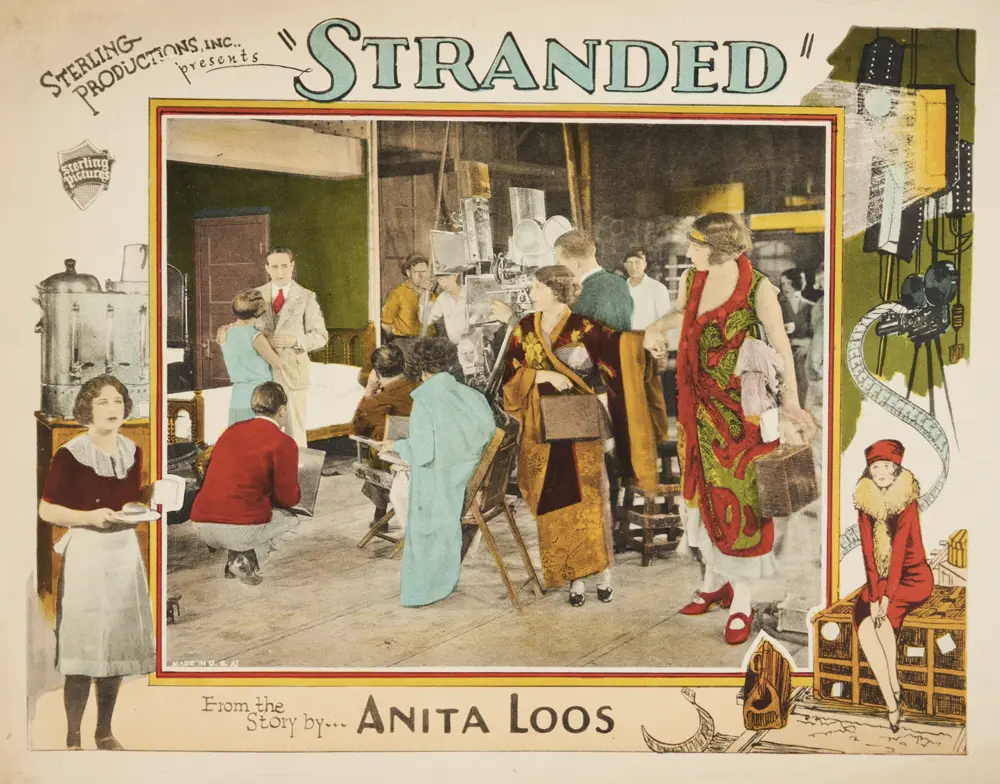
A definitive 7.7/10 rating for a film that redefined the boundaries of cult cinema. Stranded remains a cornerstone of transgressive art.
Short answer: Is Stranded (1927) worth watching today? Yes, but only if you appreciate the historical nuances of early Hollywood and can tolerate the slower, rhythmic pacing of late-silent-era melodrama.
This film is for the dedicated cinephile and the silent film historian who wants to see how the industry viewed itself before the cameras started talking. It is definitively not for those who demand high-octane action or the polished narrative structures of modern independent cinema.
1) This film works because it grounds its Hollywood setting in the mundane reality of a cafeteria, stripping away the glamour to reveal the labor behind the lens.
2) This film fails because its secondary romantic subplot feels rushed and occasionally distracts from the more compelling social commentary regarding the 'extras' of the industry.
3) You should watch it if you enjoyed the thematic depth of The Night Cry or the emotional stakes found in Shame.
If you are looking for a definitive answer, the value of Stranded lies in its atmosphere. Unlike many films of its time that sought to glorify the studio system, this production feels like a weary sigh. It captures a specific type of Los Angeles loneliness that hasn't changed in nearly a century.
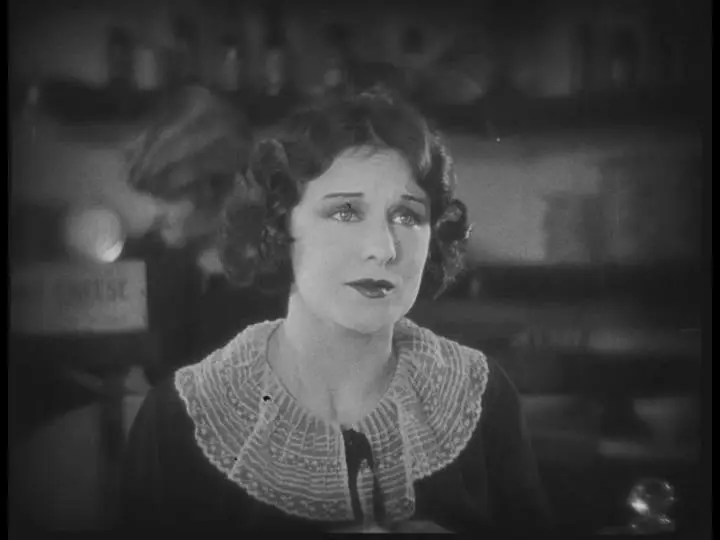
The performance of Shirley Mason is the primary reason to hit play. She possesses a vulnerability that feels modern. She doesn't just act 'sad'; she looks exhausted, a trait that many silent film stars bypassed in favor of grander, more theatrical gestures.
Director Phil Rosen avoids the trap of making Hollywood look like a playground. In one particularly effective scene, Janet stands outside the studio gates, and the camera lingers on the physical distance between her and the soundstages. It is a simple shot, but it communicates the film's core theme: proximity does not equal access.
The cinematography by James Diamond makes excellent use of shadows in the cafeteria scenes. The lighting isn't the soft, angelic glow usually reserved for leading ladies. Instead, it’s harsh and directional, highlighting the steam from the coffee urns and the tired lines on the faces of the background players. This visual honesty is rare for 1927.
Compare this to the more stylized approach in The Desert's Toll. While that film uses the landscape to create drama, Stranded uses interior confinement. The cafeteria becomes a microcosm of the world. You have the divas, the workers, and the dreamers all sharing the same physical space but separated by invisible social barriers.
Shirley Mason is the soul of the film. Her Janet West is a departure from the 'perky' heroines seen in The Calendar Girl. She brings a quiet dignity to the role of a waitress. There is a moment where she serves a famous actress and the camera catches the micro-expression of envy and admiration on her face. It’s subtle. It’s human.
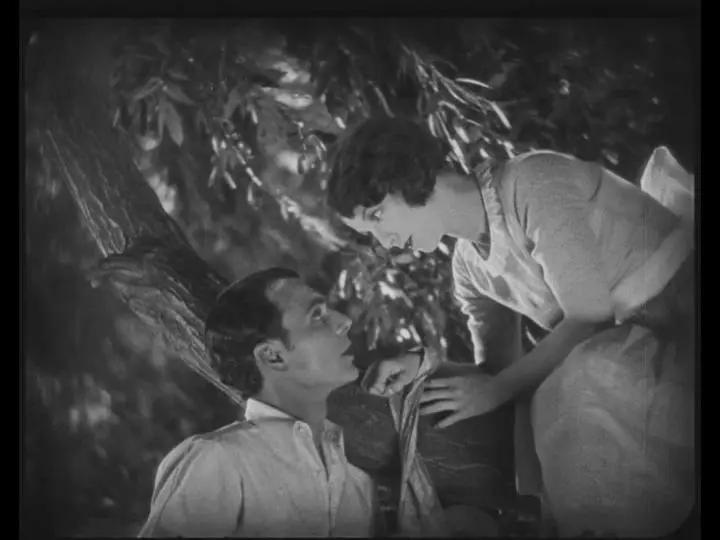
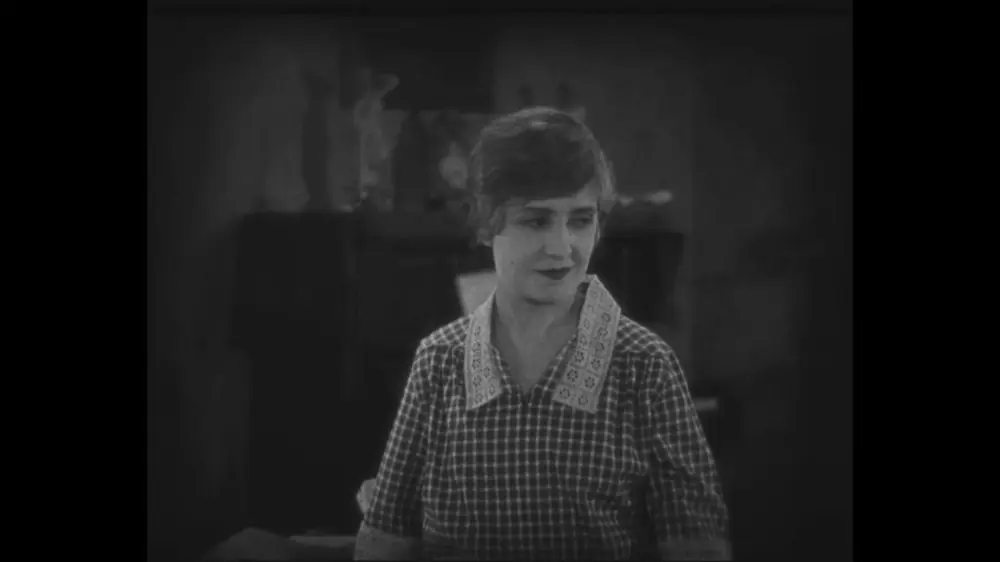
William Collier Jr. provides a solid, if somewhat standard, romantic lead. His chemistry with Mason is functional, but the film is at its best when it focuses on the ensemble of women in the boarding house. Lucy Beaumont and Rosa Gore provide a maternal, albeit cynical, backbone to the story. They represent the 'ghosts' of Hollywood—those who stayed too long and saw too much.
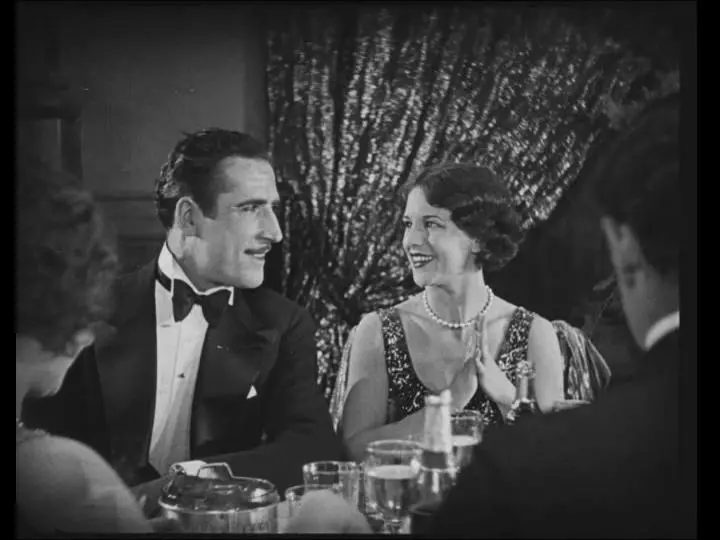
The writing by Anita Loos and Frances Guihan shines in the intertitles. There is a sharp wit present that cuts through the sentimentality. One title card describes Hollywood as 'a place where people spend money they haven't earned to buy things they don't need to impress people they don't like.' This biting commentary keeps the film from becoming a mere 'sob story.'
The film moves with a deliberate, almost sluggish pace in the second act. This is likely a creative choice to mirror the 'waiting game' that defines an actor's life. However, for a modern audience, this might feel like a drag. It lacks the kinetic energy found in The Hick or the frantic comedy of Naughty Lions and Wild Men.
However, the tone remains remarkably consistent. It never veers into slapstick, even when Gale Henry is on screen. Henry, known for her comedic chops, plays it relatively straight here, which adds to the film's grounded feel. It’s a drama that knows it’s a drama. It doesn't apologize for its melancholy.
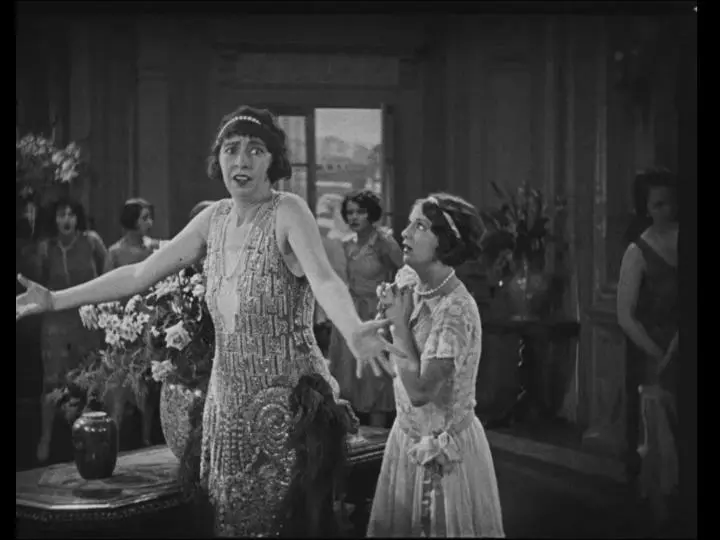
"Stranded isn't just about a girl in a big city; it's about the industrialization of human desire."
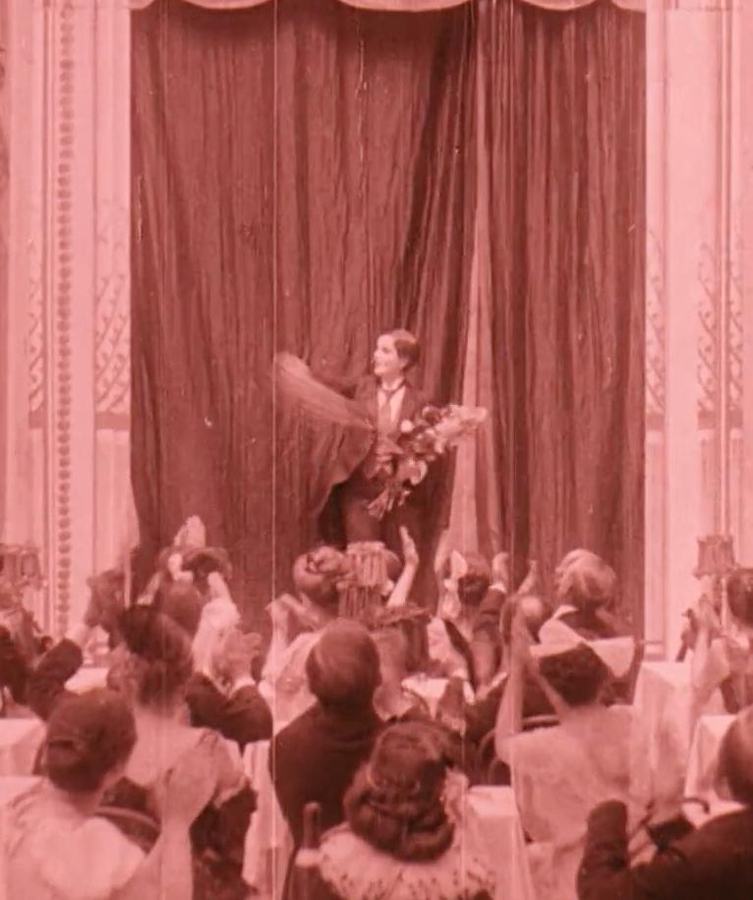
For a 1927 production, the editing is surprisingly fluid. The transitions between the high-society parties (which Janet glimpses) and her drab living quarters are handled with a rhythmic precision that emphasizes the class divide. This is a far cry from the more static framing found in Waifs.
The set design of the studio cafeteria is the standout technical element. It feels lived-in. The clatter of dishes is almost audible through the visual cues. You can smell the stale tobacco and cheap perfume. It is rare for a silent film to evoke such a strong sensory response through mise-en-scène alone.
Stranded (1927) is a fascinating artifact. It works. But it’s flawed. While it doesn't reach the heights of the era's greatest masterpieces, it offers a level of honesty about the 'dream factory' that was ahead of its time. It’s a somber, beautiful look at the people the camera usually ignores.
If you’ve already explored the bigger titles like The Last Chance, this is a worthy next step. It’s a film that demands your attention and rewards it with a lingering sense of empathy for the Janet Wests of the world. It’s not a movie you watch for a thrill; it’s a movie you watch to remember what it feels like to be an outsider.
IMDb —
1936
Community
Log in to comment.