DbcultAccessing Vault...
Cult Review
Senior Film Conservator
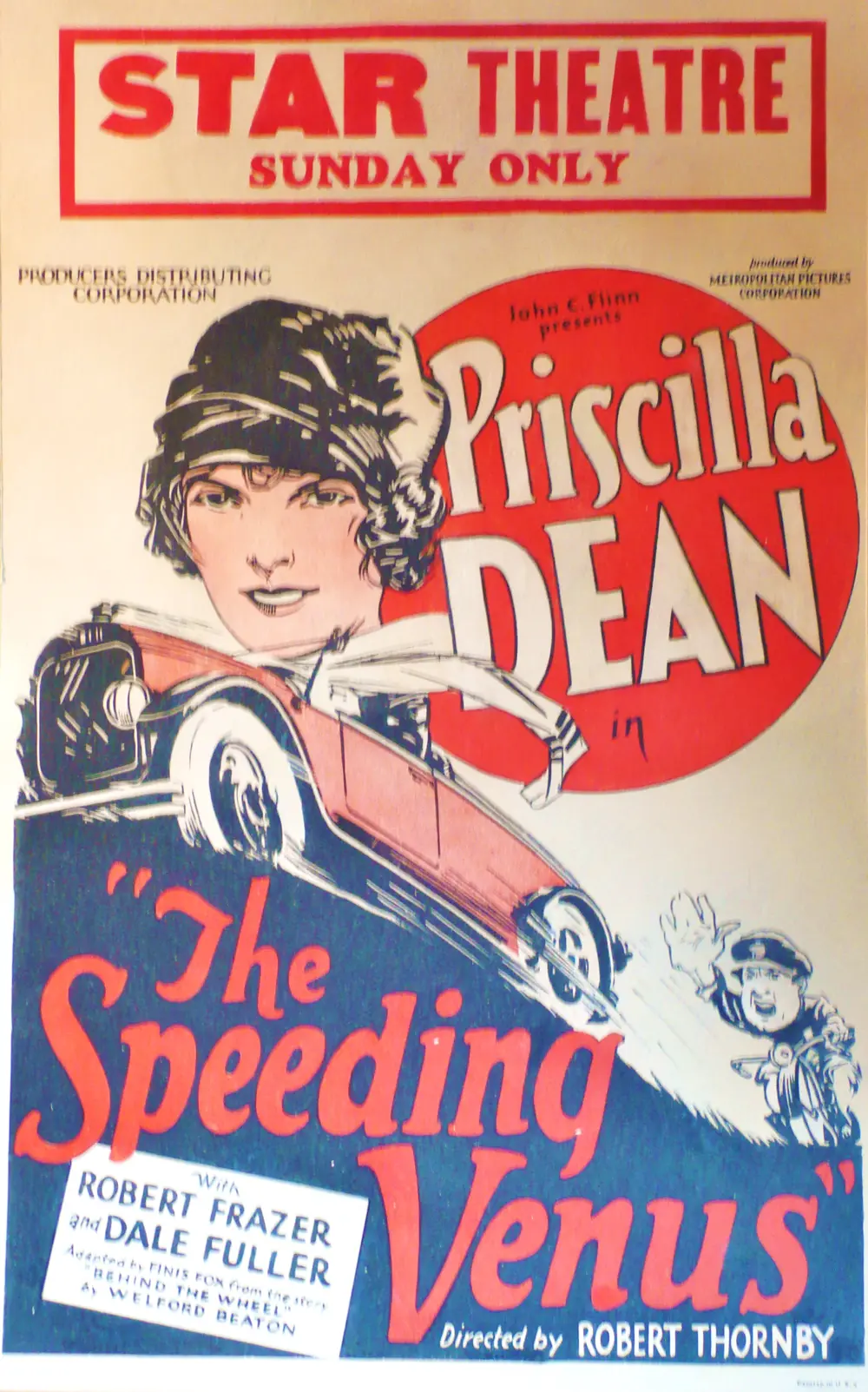
Short answer: Yes, but it’s a flawed gem that works in its own right. The Speeding Venus offers a captivating race narrative with a strong romantic subplot, making it a worthwhile watch for those who appreciate the era's automotive dramas and period-specific storytelling.
For fans of classic 1930s cinema, this film provides a nostalgic journey through a time of technological and social upheaval. However, it’s not for those seeking a refined or overly polished production. Instead, it’s a gritty, authentic portrayal that captures the spirit of its era.
This film works because of its thrilling race sequences and the chemistry between the lead actors. The Speeding Venus is a testament to the era's storytelling methods, with a strong emphasis on character development and a palpable sense of tension and danger as the race progresses.
This film fails because of its dated dialogue and plot twists that feel contrived. The romantic subplot is a bit cliché, and the pacing can be uneven at times, particularly during the less action-packed scenes.
You should watch it if you’re interested in a period piece that captures the essence of the 1930s automotive industry and are willing to overlook its minor flaws. It’s a film that offers genuine excitement and a slice of history.
Priscilla Dean delivers a nuanced performance as Emily Dale, the determined and resourceful heroine. Her interactions with Robert Frazer, who plays Jed Morgan, are particularly compelling, adding depth to the film's romantic elements. Ray Ripley and Johnny Fox, as Higgins and the rogue mechanic, respectively, bring a sense of menace and danger to their roles, grounding the film in a realistic and tense atmosphere.
Under the direction of Finis Fox, the film excels in capturing the essence of the race. The cinematography is sharp, with well-chosen angles that emphasize the speed and danger of the vehicle. The scenes of the race itself are exhilarating, with a sense of urgency that keeps the audience engaged. However, the pacing can be uneven, and some scenes drag slightly, detracting from the overall rhythm of the film.
The film’s pacing is a mixed bag. The race sequences are well-paced and thrilling, but the quieter moments, such as Emily and Steele’s interactions, are sometimes slow and drawn out. The tone is generally tense and thrilling, but it occasionally veers into melodrama, particularly in the romantic subplots. This could be due to the era’s storytelling conventions, but it can be jarring for modern viewers.
The race sequences are the highlight of the film. The tension and excitement are palpable, and the action is well-executed, making it a must-see for fans of automotive dramas. The tension builds as the race progresses, with Emily facing numerous obstacles and Higgins’ attempts to sabotage her efforts adding to the drama. The climax, where Emily drives through a show window, is a thrilling moment that showcases the film’s ability to deliver high-stakes action.
The romantic subplot between Steele and Emily is a bit cliché, but it’s well-executed. The tension between them is palpable, and their chemistry is strong, especially in the quieter moments. However, the plot twists and resolutions can feel contrived, particularly in the middle of the film. This is a common issue with films from this era, but it can be a turn-off for modern audiences who prefer more nuanced and realistic storytelling.
While The Speeding Venus may not be a perfect film, it offers a thrilling and authentic portrayal of the 1930s automotive industry. The race sequences are exhilarating, and the chemistry between the lead actors is compelling. However, the dated dialogue and plot twists can be a turn-off for modern viewers. Ultimately, it’s a film that offers genuine excitement and a slice of history, making it a worthwhile watch for those interested in period pieces.
For those who appreciate the era’s storytelling methods and are willing to overlook its minor flaws, The Speeding Venus is a worthwhile watch. It offers genuine excitement and a slice of history, making it a must-see for fans of classic 1930s cinema. However, it’s not for everyone, and modern viewers may find the dated elements and plot twists to be a turn-off. In the end, it’s a film that captures the essence of its time, making it a valuable addition to the genre’s canon.
IMDb —
1920
Community
Log in to comment.