DbcultAccessing Vault...
Cult Review
Senior Film Conservator
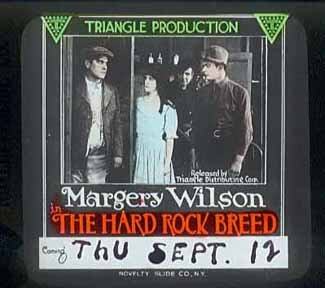
Ah, the early days of cinema! A time when narratives were often starker, emotions grander, and the visual storytelling relied heavily on the raw power of the image. Stepping into the world of The Hard Rock Breed is like unearthing a time capsule, revealing a fascinating artifact from an era where the silver screen was still finding its voice. This isn’t just a simple tale; it’s a robust exploration of character, class, and the arduous path to earned respect, all set against the unforgiving backdrop of a bustling rock quarry. It’s a film that, despite its age, still resonates with timeless themes of personal transformation and the often-brutal realities of industrial life. The film, a product of writers Frederic R. Bechdolt and George Elwood Jenks, delves deep into the human spirit, showcasing how adversity can forge true leadership.
At the heart of this compelling drama is Donald Naughton, portrayed with a compelling blend of initial aloofness and burgeoning resolve by George W. Chase. Donald is introduced as the quintessential dilettante, the privileged son of a self-made millionaire, Bill Naughton. His life, presumably, has been one of ease and detachment from the grimy realities that built his family's fortune. This portrayal immediately sets up a powerful arc: the spoiled heir forced to confront the very foundations of his inheritance. It's a classic narrative trope, yet here it feels fresh, infused with the grit and determination of its industrial setting. His father, a man who knows the value of hard labor and earned success, makes a pivotal decision: to dispatch his wayward son to the rock quarries. This isn't merely a disciplinary measure; it's an intervention designed to instill character, to strip away the veneer of luxury and expose Donald to the raw, unvarnished truth of his lineage. The elder Naughton understands that true leadership isn't inherited but forged, much like the very rock his business extracts from the earth.
This forced relocation is no walk in the park. Donald isn't sent to a cushy managerial role but directly into the thick of it, tasked with replacing a superintendent, Mike Carney (Thornton Edwards), whose crooked dealings have undoubtedly corroded morale and efficiency. This immediately pits Donald against a deeply entrenched system of corruption and the skepticism of the hardened laborers. The initial scenes vividly depict Donald's struggle to adapt. The cacophony of the rock drills, the sheer physical demands, and the rough-and-tumble camaraderie of the quarrymen are a world away from his pampered existence. He’s a fish out of water, a silk shirt in a sea of denim and sweat. The film masterfully conveys his initial ineptitude, creating a palpable sense of his alienation and the enormous chasm he must bridge to earn the respect of his new subordinates. It’s a powerful setup, reminiscent of other narratives where privilege clashes with harsh reality, forcing a protagonist to truly find their footing in an unfamiliar world.
The rock quarry itself emerges as a dominant character, an almost sentient entity that tests and refines all who enter its domain. Its vastness, its inherent danger, and its relentless demands serve as a constant backdrop to Donald's personal and professional trials. The noise, the dust, the sheer physical exertion required to extract wealth from the earth are all implicitly felt, even within the confines of early silent film. It’s a place where weakness is exposed, and strength, whether physical or moral, is paramount. This setting is crucial for understanding the stakes involved. This isn't an office drama; it's a battleground where men wrestle with nature and each other for survival and livelihood. The film effectively uses this environment to underscore the brutal realities of labor and the deep-seated pride of those who toil in such conditions. The visual language of the quarry, with its towering rock faces and powerful machinery, speaks volumes about the challenges Donald faces.
Into this rugged landscape steps Shiela Dolan, played by Margery Wilson, a beacon of grace and strength. Shiela is not merely a love interest; she represents a connection to a more compassionate side of life, a stark contrast to the harshness of the quarry and the cynicism of Carney. Her presence is a balm for Donald, offering a respite from the difficulties of his new role. Shiela is the daughter of Lynch (J. Barney Sherry), an old friend of Bill Naughton, whose struggle with alcoholism adds another layer of human frailty and potential tragedy to the narrative. This subplot enriches the film, providing emotional depth beyond the industrial conflict. Shiela's quiet strength and her understanding of the quarry community provide Donald with a crucial perspective, a window into the lives of the men he now leads. Her belief in him, even when he falters, becomes a significant motivator for his transformation.
The primary antagonist, Mike Carney, is a wonderfully sinister presence. Thornton Edwards imbues him with a cunning malevolence that makes him a formidable foe. Carney isn't just a crooked superintendent; he's a snake in the grass, manipulating the very fabric of the workforce for his own gain. His partnership with Greek Louis (Louis Durham) forms a dangerous duo, a classic pairing of brains and brawn, or rather, insidious planning and brute intimidation. Their machinations are the catalyst for much of the film's conflict, highlighting the precarious balance of power in such an environment. The initial challenge for Donald isn't just to manage the quarry, but to dismantle this deeply ingrained network of corruption. This struggle against an insidious force reminds one of the moral ambiguities explored in films like The Pitfall, where hidden dangers lurk beneath the surface of seemingly ordinary life.
Donald’s journey from greenhorn to respected boss is punctuated by several critical moments. His first major misstep involves hiring a new gang of workmen, who, unbeknownst to him, are anarchists secretly in Carney's employ. This reveals his initial naiveté and lack of understanding of the complex social dynamics within the quarry. It’s a harsh lesson, underscoring the adage that one must truly know the ground they stand on. However, it's through adversity that true leaders emerge. The turning point comes when Donald earns the respect of the regular hands by physically confronting Jerry Shea (Lee Phelps) and emerging victorious. This isn't just a display of brute force; it's a symbolic assertion of authority, a demonstration that he is willing to fight for what he believes in and protect those under his charge. In a world where physical strength and courage often dictated standing, this act of raw, personal bravery transforms him in the eyes of his men. It’s a visceral moment that solidifies his burgeoning leadership, much like the trials faced by protagonists in films such as The Fighting Gringo, where personal combat becomes a rite of passage.
Carney and Greek Louis, however, are not easily deterred. Their response is to escalate the conflict, successfully stirring up a strike. This moves the narrative from individual skirmishes to a full-blown industrial dispute, raising the stakes considerably. The strike isn't just about wages or working conditions; it's a power struggle, a test of wills between the entrenched corruption and Donald’s nascent, yet determined, leadership. The film portrays the tension and unrest, creating a palpable sense of impending explosion. The atmosphere becomes charged with discontent, a powder keg waiting for a spark.
The narrative builds to a crescendo with a massive brawl, a chaotic and brutal confrontation between Donald's loyal men and Carney's agitators. This sequence is the physical manifestation of the ideological and personal conflict that has been simmering throughout the film. It's raw, unpolished, and perfectly captures the visceral energy of early cinema's action sequences. Donald, no longer the spoiled scion, stands shoulder-to-shoulder with his men, fighting for their collective future. This shared struggle solidifies their bond, transforming a group of disparate laborers into a unified force under his command. The visual spectacle of the fight, even in black and white and silent, would have been undeniably impactful, conveying the desperation and determination on both sides.
Yet, the most profound moment of Donald's transformation occurs not in the heat of battle, but in its aftermath. After defeating Carney's agitators, the vanquished superintendent finds himself at the mercy of a vengeful lynch mob. Here, Donald performs an act of extraordinary moral courage. He intervenes, saving Carney from certain death. This singular act transcends mere victory; it elevates Donald from a competent boss to a truly ethical leader. He demonstrates compassion and a belief in justice, even for his adversary. This moment is critical, revealing a depth of character that goes beyond simply managing a quarry or winning a fight. It’s a testament to his growth, proving that his leadership is rooted not just in strength, but in a profound sense of humanity. This act of mercy is a powerful statement, illustrating that true power lies not in vengeance, but in the capacity for grace, a theme that resonates across many dramatic narratives about leadership, even in seemingly disparate films like The Boss of the Lazy Y, where a leader's moral compass ultimately defines their authority.
The resolution is deeply satisfying. The men, witnessing Donald's unwavering courage and his surprising act of mercy, return to work with a newfound respect for their boss. He has not only proven his mettle but has also demonstrated a moral authority that commands genuine loyalty. The quarry, once a symbol of his father's distant wealth and his own initial struggles, now represents his triumph and his rightful place. His journey from a lazy, detached son to a respected leader is complete. And, as is often the case in such compelling narratives, his personal growth is paralleled by his romantic success. Donald wins Shiela's love, cementing his transformation into a man worthy of both professional admiration and personal affection. Their union symbolizes the harmonious blend of hard-won success and heartfelt connection, a fitting reward for a journey fraught with peril and self-discovery.
The performances, particularly by George W. Chase as Donald Naughton, are compelling for their era. He carries the weight of the character's transformation with a conviction that translates effectively through silent film's reliance on physical expression and subtle gestures. Thornton Edwards as Carney provides a suitably menacing foil, his villainy a clear and present danger. Margery Wilson as Shiela Dolan brings a gentle strength and warmth, providing the emotional anchor for Donald’s journey. The direction, while perhaps less overtly stylized than later films, effectively uses the stark visuals of the quarry and the physical action to drive the narrative forward. The film's pacing is deliberate, allowing the audience to fully grasp Donald's initial struggles and appreciate the magnitude of his ultimate triumph. It's a testament to the skill of the filmmakers that such a complex narrative, with its nuanced character development and intricate plot, could be conveyed so effectively without spoken dialogue.
The Hard Rock Breed is more than just an early 20th-century drama; it's a rich tapestry of timeless themes. It explores the concept of inherited wealth versus earned success, the moral imperative of leadership, and the redemptive power of hard work and self-sacrifice. It’s a story about finding one’s purpose not in the comfortable trappings of privilege, but in the challenging crucible of responsibility. The film also touches upon the volatile dynamics of labor relations, showcasing how easily discontent can be manipulated for nefarious purposes, and how true leadership can quell such unrest through integrity and courage. The struggle between capital and labor, and the potential for exploitation, is a theme that remains remarkably relevant, making this film a valuable historical document of societal concerns. It's a narrative that could easily be adapted to any era, a testament to the universal appeal of a hero's journey from indolence to genuine authority.
In its depiction of a man's transformation, the film echoes the spirit of narratives where individuals are forced to confront their inner demons and external adversaries to become the best versions of themselves. It’s a powerful statement on the nature of character, suggesting that true strength is not merely physical prowess but a combination of moral fortitude, empathy, and an unwavering commitment to justice. The film’s conclusion isn't just a happy ending; it's a reaffirmation of the values that underpin a just society and a successful enterprise. Donald Naughton's journey is a compelling reminder that leadership is a burden, a privilege, and ultimately, a profound act of service. The narrative's careful construction, from the initial character flaw to the ultimate triumph, showcases a sophisticated understanding of storytelling that belies the film's early origins. It stands as a robust example of how early cinema, often underestimated, could deliver narratives of considerable depth and emotional resonance.
For enthusiasts of early cinema or those interested in the evolution of narrative film, The Hard Rock Breed offers a fascinating glimpse into a foundational period. It’s a testament to the enduring power of a well-told story, driven by compelling characters and universal themes. It may not have the special effects or rapid-fire editing of modern blockbusters, but its heart beats with a genuine human drama that transcends the decades. It's a film that earns its title, showcasing the kind of resilience and strength, both literal and metaphorical, that characterizes a truly hard rock breed.
IMDb 5.7
1935
Community
Log in to comment.