DbcultAccessing Vault...
7/10
Senior Film Conservator
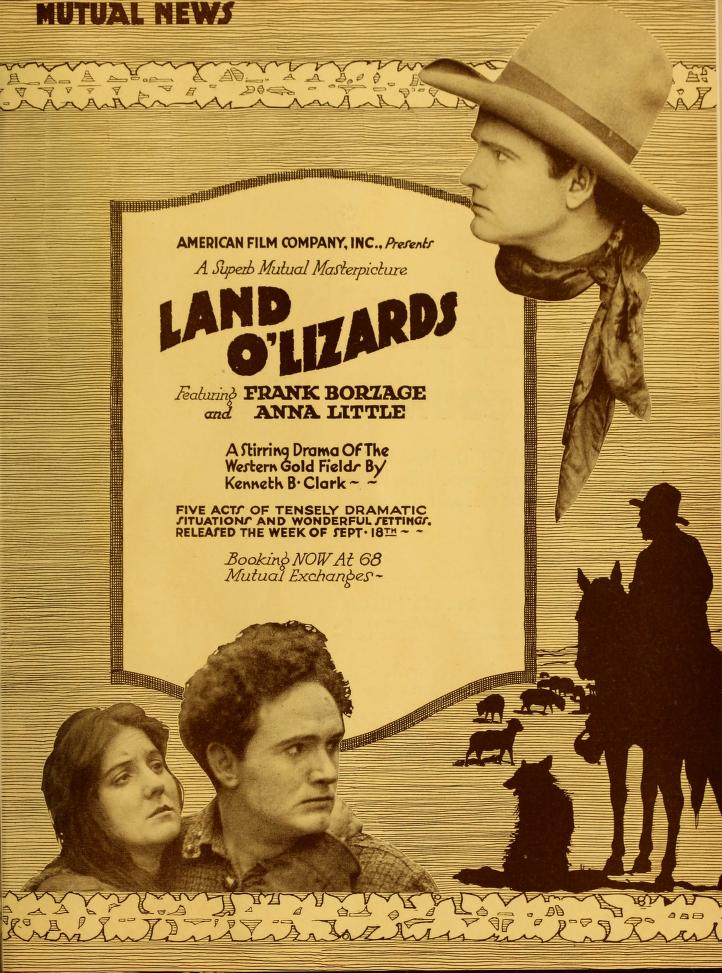
A definitive 7/10 rating for a film that redefined the boundaries of cult cinema. Land o' Lizards remains a cornerstone of transgressive art.
Step back into the untamed heart of the early 20th century cinema, where the Western genre was truly finding its spurs. Land o' Lizards isn't just a film; it's a window into a bygone era of storytelling, a rugged narrative etched with the indelible marks of ambition, deception, and raw frontier justice. This cinematic artifact, a product of its time, offers a fascinating glimpse into the foundational tropes that would define countless Westerns for decades to come. It's a journey through sun-baked landscapes and moral ambiguities, where the glint of gold is often overshadowed by the shadow of human greed, and heroism emerges from the most unexpected corners.
The film plunges us headfirst into Los Huesos, a name that, even without translation, evokes a sense of desolation and forgotten dreams. This isn't a bustling frontier town; it's a crucible, a place where the thin veneer of civilization is constantly threatened by the primal forces of nature and human vice. The arrival of Ward Curtis, a man whose very presence embodies the encroaching tide of industrial progress, immediately sets a tone of conflict. He represents the ordered world, the desire to systematize and claim, clashing with the chaotic, unwritten laws of the Bar C outfit. His daughter, Wynne, serves as a poignant counterpoint, her urban sensibilities grating against the harsh realities of the 'land of lizards.' Her dismissal of the landscape, save for the 'picturesque' Stranger, underscores a common theme in early Westerns: the clash between the refined East and the rugged West, often personified through female characters who either succumb to or conquer the frontier's challenges.
The Bar C outfit itself is a magnificent, if terrifying, antagonist. They are the embodiment of lawlessness, a self-appointed authority sustained by intimidation and brute force. Their lack of legal title to the land they exploit is a crucial detail, highlighting the often-tenuous nature of ownership in the burgeoning West. This isn't just a story about good versus evil; it's about legitimate claims versus de facto control, a struggle over resources that echoes the broader historical narrative of westward expansion. The discovery of gold beneath their ill-gotten grazing lands adds a delicious layer of dramatic irony, setting the stage for an inevitable reckoning.
And then, there is The Stranger. The quintessential Western hero, he arrives unannounced, his past shrouded in mystery, his moral compass unwavering. He is the lone wolf, the man who refuses to be intimidated, a beacon of individual defiance against collective tyranny. Frank Borzage, in this early role, imbues The Stranger with a quiet intensity, a sense of principled resolve that immediately commands attention. His initial motivation, a desire to impress Wynne, quickly deepens as he becomes entangled in the complex web of Los Huesos. This shift from romantic pursuit to a broader quest for justice is a classic narrative arc, demonstrating the transformative power of the frontier on the individual.
The Stranger's character, while seemingly simple on the surface, carries the weight of an entire genre. He is the quiet force for good, the man who steps in when institutions fail, a recurring figure that resonates deeply with audiences who yearn for clear-cut morality in a chaotic world. His actions are not driven by personal gain, but by an innate sense of right and wrong, making him an ideal foil to the rapacious Bar C and the calculating Curtis. He is, in essence, the spirit of frontier justice personified, ready to mete out consequences where formal law has faltered. This adherence to a personal code, often seen in films like In the Lion's Den where a protagonist faces overwhelming odds with integrity, is a powerful draw.
Perhaps the most compelling character, and certainly the most progressive for its time, is Bobbie. Her disguise as a boy is a brilliant narrative device, speaking volumes about the precarious position of women in the lawless West. It's a desperate act of self-preservation, a shield against the casual brutality and predatory nature of the cowpunchers. This trope, while not exclusive to Westerns, gains particular poignancy in a setting where physical vulnerability could mean ruin. Bobbie's masquerade is not merely a plot point; it's a commentary on the societal constraints and dangers faced by women, forcing her to adopt a male persona to navigate a world that offers little protection for her true self.
Her relationship with her father, Dave Moore, is equally complex. Their sheep ranch, a humble facade, masks a more audacious enterprise: the secret panning of gold. This clandestine operation immediately aligns them with the film's central theme of hidden wealth and illicit acquisition, albeit on a different moral plane than the outright thuggery of the Bar C. Moore's eventual demise, a direct consequence of his greed and the Bar C's ruthlessness, serves as a stark reminder of the high stakes involved in the gold rush. It also propels Bobbie into a more central, active role, forcing her to shed her disguise and confront the world, and The Stranger, as her true self.
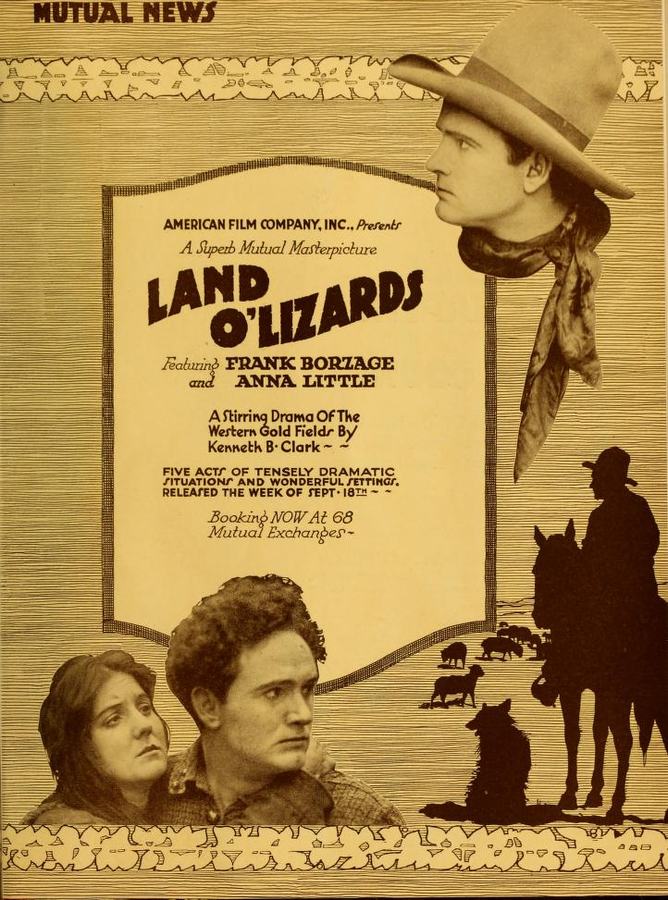
The burgeoning romance between The Stranger and Bobbie is handled with a delicate touch, especially considering the era's cinematic conventions. Their initial encounters, with The Stranger unaware of Bobbie's true gender, are filled with an understated tension and mutual respect. Bobbie's 'considerable interest' in him, even in her disguise, hints at a connection that transcends superficial appearances. The moment of revelation, when her hat falls off and her secret is exposed, is a pivotal turning point, transforming their dynamic from comrades-in-arms to potential lovers. This discovery is not merely a plot twist; it's an affirmation of a deeper bond, one forged in shared hardship and a mutual pursuit of justice.
Their love story is not one of grand declarations but of quiet understanding and shared purpose. The Stranger's immediate protective instincts towards Bobbie, and her eventual trust in him, form the emotional core of the film. It's a romance born of necessity and survival, far removed from the more genteel courtships seen in contemporary films like Gretna Green. This grounded, rugged portrayal of love feels authentic to the harsh environment, suggesting that true connection can flourish even in the most unforgiving landscapes.
The film's climax is a masterclass in frontier ingenuity. The Stranger's use of the 'Cow's Mouth' canyon, a natural fortress with a secret egress, demonstrates a tactical brilliance that elevates him beyond a mere gunslinger. The grass fire, a desperate and dangerous maneuver, is a testament to his resourcefulness and willingness to take extreme measures to protect Bobbie and defeat the Bar C. This sequence is not just about a shootout; it's about outsmarting a numerically superior foe, using the environment itself as a weapon. The single-file ambush as the outlaws emerge from the smoke-filled passage is a stark, brutal depiction of frontier combat, efficient and deadly.
Moran, the leader of the Bar C, is dispatched with a poetic justice, his demise a direct consequence of his own hubris and brutality. The swift resolution of the conflict, with the remaining outlaws surrendering and being handed over to the authorities, reinforces the theme that even in the absence of strong central governance, justice can ultimately prevail through individual heroism. The rallying of townsmen to rescue Bobbie, though briefly depicted, signifies the re-establishment of community and order, a collective stand against the forces of chaos that had long plagued Los Huesos.
The film's denouement delivers a satisfying, if slightly ironic, conclusion. Curtis's reappearance to announce Bobbie's inheritance of the gold stream claim, due to her father's death, ties all the narrative threads together neatly. It's a classic Western trope: the hero and heroine, having overcome immense adversity, are not only united in love but also blessed with unexpected prosperity. This final twist transforms Bobbie from a vulnerable, disguised prospector's daughter into a woman of means, capable of building a new life with The Stranger. It's a testament to the enduring optimism of the genre, where virtue is often rewarded, and the vast, unforgiving landscape yields its treasures to those deemed worthy.
This ending reinforces the idea that the West, despite its dangers, was also a land of opportunity, where fortunes could be made and new beginnings forged. The gold, initially a source of conflict and death, ultimately becomes the foundation for a future, symbolizing the promise of the American dream, even in its most rugged manifestation. The journey of Land o' Lizards, therefore, is not just a tale of adventure, but a meditation on the cyclical nature of greed and justice, and the enduring power of human connection in the face of overwhelming odds.
Viewing Land o' Lizards today, one is struck by its raw energy and its foundational role in shaping the Western genre. While some elements might appear simplistic by modern standards, the film's narrative clarity, strong character archetypes, and straightforward moral universe possess an undeniable charm. It's a testament to the power of classic storytelling, where good and evil are clearly delineated, and the hero's journey is a straightforward path towards righteousness. The acting, while perhaps less nuanced than contemporary performances, is imbued with the earnestness and physicality characteristic of early silent cinema, conveying emotion through gesture and expression.
The film's portrayal of the West, with its vast, open spaces and the constant threat of violence, captures a sense of both danger and opportunity. It reminds us of a time when the land itself was a character, shaping the destinies of those who dared to settle it. The themes explored here—greed for gold, the struggle for land rights, the triumph of individual courage, and the emergence of love in adversity—are timeless. They are the very bedrock upon which countless Westerns, from the epic to the intimate, would be built. Its legacy lies not just in its own merits, but in its contribution to the enduring mythology of the American frontier, a mythology that continues to captivate and inspire audiences worldwide. It offers a fascinating counterpoint to more complex, morally ambiguous narratives that would emerge in later decades, reminding us of the genre's pure, unadulterated origins. The narrative, though perhaps less intricate than the political maneuverings in The Life and Death of King Richard III, shares a common thread of power struggles and the ruthless pursuit of dominance, albeit in a vastly different setting. Ultimately, Land o' Lizards remains a compelling piece of cinematic history, a rough-hewn gem that continues to shine with the adventurous spirit of the wild, wild West.

IMDb —
1933
Community
Log in to comment.