DbcultAccessing Vault...
6.9/10
Senior Film Conservator
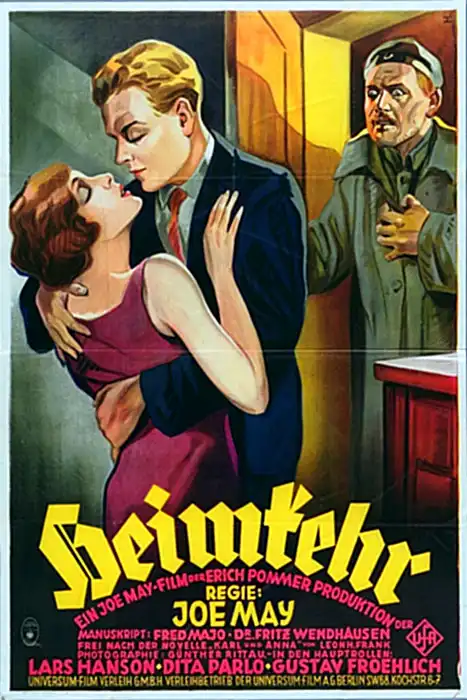
A definitive 6.9/10 rating for a film that redefined the boundaries of cult cinema. Homecoming remains a cornerstone of transgressive art.
Joe May's 1928 silent drama, Homecoming, offers a surprisingly potent emotional punch even for modern audiences. It's a film absolutely worth seeking out today for anyone with an appreciation for silent cinema, nuanced character drama, or the often-overlooked German film output of the late 1920s. Those who enjoy a melodrama handled with restraint and visual intelligence will find much to admire. However, if your patience for silent film conventions is thin, or if you're expecting a fast-paced narrative, you might find its deliberate rhythm a challenge. This isn't a film about grand gestures, but about the quiet, internal struggles born from impossible circumstances.
The core of Homecoming rests firmly on its three lead performances, particularly Dita Parlo as Anna. Parlo delivers a performance of remarkable subtlety for the silent era, avoiding the broad theatrics often associated with the period. Her initial grief for Richard feels genuine, expressed through a quiet slump of the shoulders and a constant, searching gaze that speaks of absent hope. As Karl slowly enters her life, Parlo communicates Anna's burgeoning feelings with small, hesitant gestures – a lingering touch, a prolonged glance, a subtle shift in her posture that suggests a loosening of her grief-stricken rigidity. There's a particular scene where Karl helps her light a stove; the way her hand brushes his, and her immediate, almost imperceptible flinch, conveys more about her internal conflict than any intertitle could.
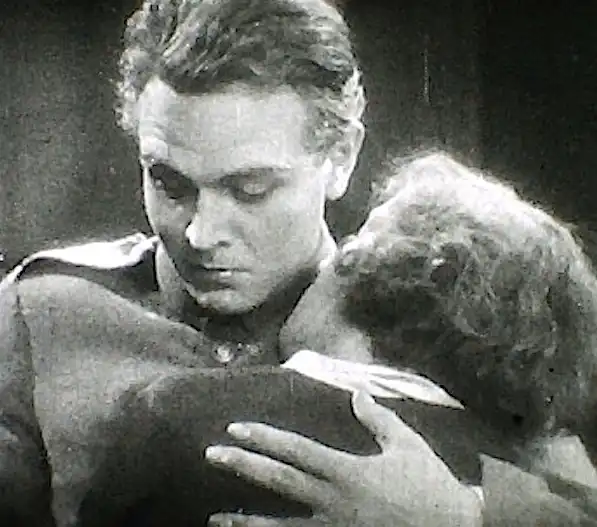
Gustav Fröhlich, as Karl, plays the role with an earnest, almost boyish charm that makes his character easy to root for. He's not a predatory figure, but a man seeking solace and finding love unexpectedly. His expressions of tenderness towards Anna are clear and unforced, making their connection believable. Lars Hanson, as the returning Richard, has the most challenging role, appearing late in the film and needing to convey a man utterly transformed by war and then utterly broken by the discovery of his wife's new love. Hanson excels here, his face a mask of exhaustion and quiet devastation. He avoids histrionics, instead relying on a profound stillness and the slow, agonizing realization that dawns in his eyes. His initial hesitation at the doorway, a weary hand touching the frame, speaks volumes before he even fully enters the room.
The film's pacing is deliberate, allowing emotions to simmer rather than explode. The opening sequence, depicting Karl and Richard's harrowing escape from the Siberian lead mine, is surprisingly visceral and tense. The stark, wide shots of the frozen landscape effectively convey their desperation and the sheer scale of their ordeal. This initial burst of action then gives way to a much slower, more intimate rhythm once Karl reaches Hamburg and the focus shifts to Anna. This transition could feel jarring if not for the film's commitment to character development. The deliberate build-up of the relationship between Anna and Karl, punctuated by long takes of shared glances and quiet domestic moments, establishes a genuine emotional foundation. The film doesn't rush their love, which makes the eventual arrival of Richard all the more devastating.
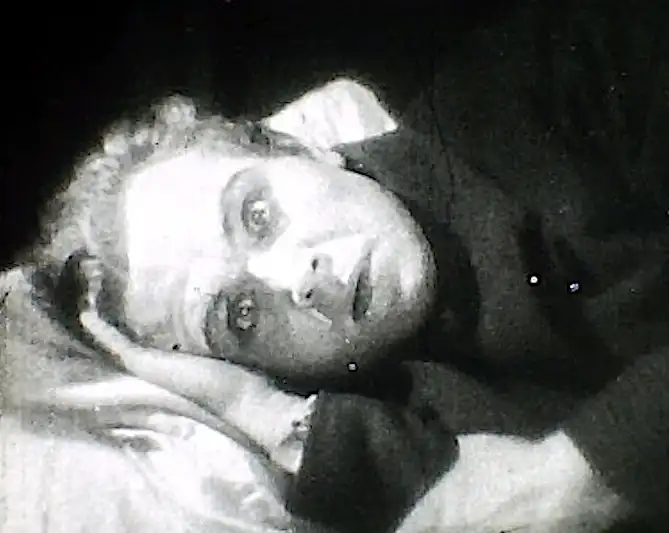
The tone maintains a consistent undercurrent of melancholy, even during moments of budding romance. Director Joe May effectively uses the lingering shadow of war as a constant presence, even in the warmth of Anna's home. The tension builds subtly, almost imperceptibly, through unspoken fears and glances, culminating in Richard's return. This moment is handled with a remarkable lack of melodrama; it's an almost quiet, internal catastrophe, playing out primarily on the faces of the actors rather than through exaggerated action. The film trusts its audience to understand the profound implications of each look and gesture.
Visually, Homecoming is a strong example of sophisticated silent-era filmmaking. Cinematographer Günther Rittau (who would later work on Metropolis) makes excellent use of light and shadow to enhance the emotional landscape. The Siberian scenes are bleak, shot with a harsh, natural light that emphasizes the desolation. In contrast, Anna's apartment in Hamburg often features softer, warmer lighting, creating a sense of refuge and intimacy. However, this warmth is frequently interrupted by deep shadows that hint at lurking anxieties or the oppressive weight of the past.
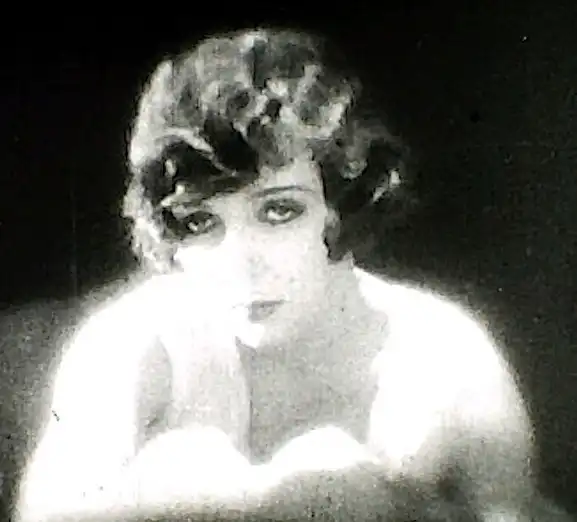
May often employs thoughtful compositions, frequently framing characters through doorways or windows, suggesting their confinement or their longing for something beyond their immediate circumstances. There's a particularly striking shot where Anna, distraught, looks into a mirror, and the reflection seems to magnify her internal turmoil. The camera doesn't just record; it actively participates in the emotional narrative, guiding the viewer's eye to significant details – a hand reaching out, a tear falling, a nervous fidget. The sets themselves are modest but effective, conveying the humble reality of post-war life without excessive embellishment.
The film's greatest strength lies in its ability to tell a complex human story with remarkable emotional depth, almost entirely through visual means and nuanced performances. It tackles a difficult moral dilemma without resorting to easy answers or simplistic villainy. All three characters are presented with genuine sympathy, making their predicament feel truly tragic. The visual language is consistently strong, elevating the material beyond mere melodrama.
However, some modern viewers might find the occasional reliance on intertitles to explain internal thoughts slightly clunky, a common feature of the era. While the pacing is largely effective for its emotional aims, there are moments, particularly in the middle section, where the quiet domesticity stretches a little too long, risking a slight drag for those unaccustomed to the rhythms of silent film. The resolution, while emotionally honest, might feel somewhat predictable in its ultimate choice, though its impact is still felt deeply thanks to the performances.
Homecoming stands as a compelling testament to the power of silent cinema. It's a film that resonates not just as a historical artifact, but as a genuinely moving human drama. Dita Parlo, Gustav Fröhlich, and Lars Hanson deliver performances that transcend the limitations of the medium, conveying profound emotion with grace and conviction. For anyone interested in the artistry of early German cinema, or simply a well-told story about love, loss, and the enduring scars of war, Homecoming is an essential and rewarding watch. It's a film that earns its emotional impact through quiet observation rather than theatrical excess, and that makes it feel remarkably authentic even today.

IMDb —
1930
Community
Log in to comment.