DbcultAccessing Vault...
Cult Review
Senior Film Conservator
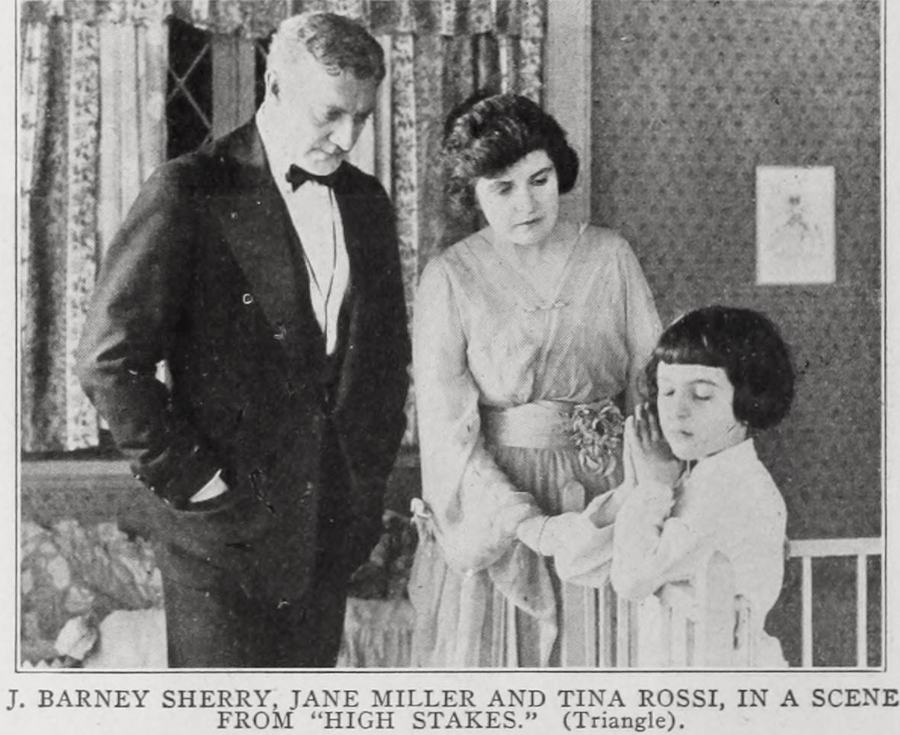
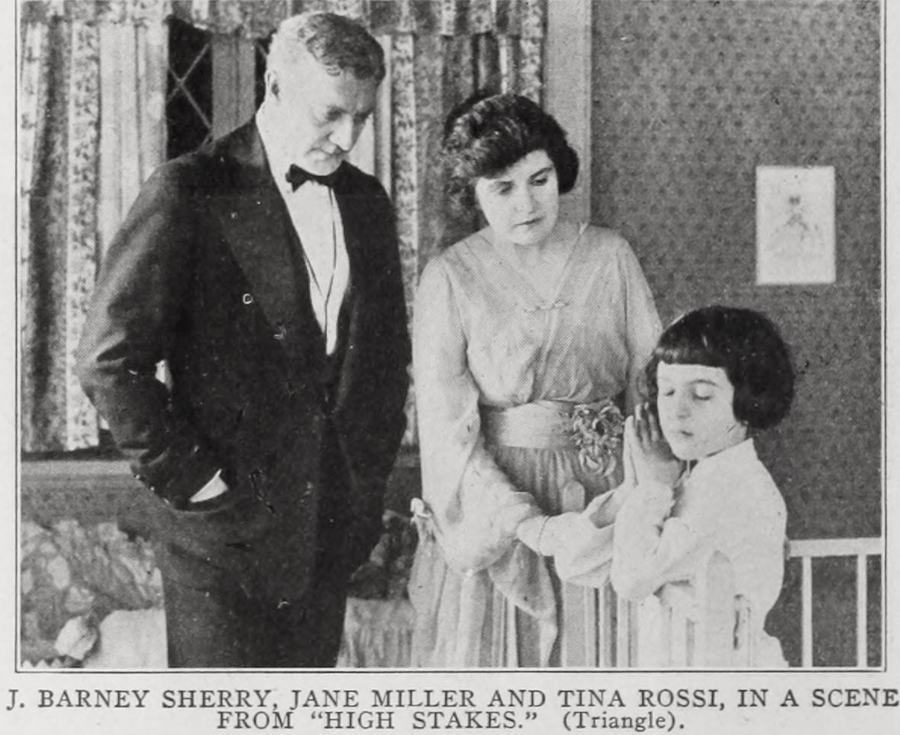
High Stakes, a 1934 British crime drama, is a masterstroke of narrative economy and emotional heft. Directed by Andrew Soutar and penned by Julian Johnson and Alan James, the film transcends its era-bound aesthetics to offer a timeless meditation on identity, consequence, and the fragile line between criminality and virtue. J. Barney Sherry’s Ralph Stanning is a character who lingers long after the credits roll—a man whose chameleon-like reinvention challenges the audience to question whether redemption is a mask or a rebirth.
The film opens with a heist sequence so taut and visually precise that it evokes the best of silent-era thrillers. Ralph Stanning, a suave yet enigmatic figure, pilfers a cadre of priceless gems from London’s Kensington Museum. His audacity is matched only by his elusiveness; Scotland Yard’s Inspector Reginald Culvert (Ed Washington) chases shadows, gathering circumstantial evidence but never the smoking gun. This deliberate tension between pursuer and quarry establishes a rhythm that mirrors the film’s broader thematic concerns: the futility of absolute justice in a world governed by perception.
Stanning’s life takes a turn when he rescues Marie (Mae Giraci), a woman who leaps from the docks in a fit of despair. Their union, though initially tinged with skepticism, evolves into a tender domestic idyll. Sherry’s performance here is a masterclass in understatement—his Stanning is no longer a rogue in a pinstripe, but a man unmoored from his former self. The film’s second act is a study in contrasts: the glittering menace of his past juxtaposed with the muted warmth of his new life. Director Soutar uses soft focus and naturalistic lighting to underscore this duality, a technique that feels both period-appropriate and poetically resonant.
High Stakes thrives on its layered script, where every line of dialogue is a thread in a larger tapestry. The theft of Lady Alice’s pearls becomes the catalyst for a final confrontation between Stanning and Culvert. Yet, the twist—revealed in a single, devastating sentence—subverts all prior expectations. The pearls, it turns out, were lost through a crack in the sofa, a mundane error that renders Culvert’s obsession laughable. This denouement is not a cop-out but a profound commentary on the human tendency to project meaning onto chaos. Culvert’s chagrin is not a failure of intellect, but a failure of empathy, a theme that lingers in the film’s wake.
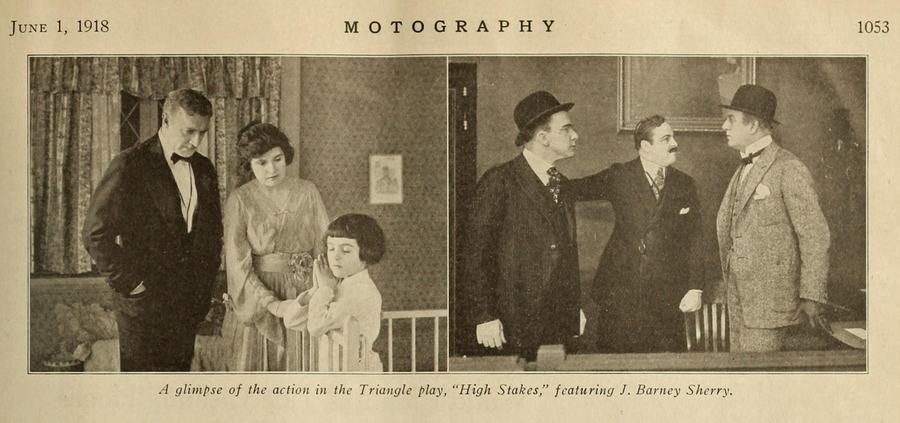
Mae Giraci’s Marie is the emotional anchor of the film. Her portrayal is a quiet force of nature; she embodies the archetype of the suffering woman but subverts it with a vulnerability that feels achingly human. When Stanning chooses to abandon his criminal past for her and their son, the transformation is not a grand gesture but a quiet, almost imperceptible shift. Giraci’s eyes, wide and luminous, capture the weight of this choice—a testament to her character’s silent strength.
Technically, High Stakes is a marvel of restraint. The cinematography, led by an uncredited Ben Lewis, employs deep focus and stark composition to mirror the moral ambiguity of its protagonist. A pivotal scene—a confrontation between Stanning and Culvert in a rain-soaked alley—uses the downpour not just as atmosphere but as metaphor. The rain washes away the bloodstains of his past, yet leaves the soil muddy, a reminder that redemption is never clean.
The score, while subtle, is a character in its own right. A recurring motif of piano and strings underscores the tension between Stanning’s dual lives. When he gazes at Marie in their cottage, the music swells with a warmth that contrasts sharply with the icy dissonance of his past exploits. This auditory duality is a quiet triumph, elevating the film from mere genre exercise to artful storytelling.
High Stakes occupies a unique space in pre-Code cinema. Its exploration of duality and moral flexibility anticipates later works like Fires of Rebellion (1936) and The Bait (1954), yet it remains distinct for its refusal to offer easy resolutions. Unlike Das lebende Rätsel (1925), which leans heavily into Gothic tropes, High Stakes grounds its drama in the everyday, making its revelations all the more visceral.
The film’s influence can also be seen in the works of later directors who grappled with themes of identity and reinvention. Its nuanced portrayal of a criminal as a flawed yet redeemable human being prefigures the antiheroes of The Second in Command (1954) and The Love Mask (1933). Yet, High Stakes never loses its own voice; it is neither a blueprint for its successors nor a relic of its era.
Set against the backdrop of interwar Britain, the film reflects the anxieties of a society in flux. The 1930s were a time of economic hardship and shifting social mores, and High Stakes captures this tension in its portrayal of Stanning’s bifurcated life. His criminal past—a relic of a bygone era of aristocratic excess—collides with the pragmatic, middle-class values of his new existence. This collision is not framed as a moralistic diatribe but as a philosophical inquiry into the nature of selfhood.
Moreover, the film’s treatment of women is noteworthy. Marie is not a mere plot device but a fully realized character whose agency shapes the narrative. Her decision to jump from the docks is not a melodramatic flourish but a poignant exploration of despair. Giraci’s performance elevates this moment, transforming it from a narrative contrivance into a human truth.
Upon its release, High Stakes was met with a mixture of praise and confusion. Critics lauded its performances and direction but questioned its refusal to offer clear moral answers. This ambiguity, however, is its greatest strength. In an age of algorithmic storytelling, where narratives often prioritize closure over complexity, High Stakes remains a reminder of cinema’s power to unsettle and provoke.
Modern audiences may find the pacing deliberate by today’s standards, but this slowness is integral to the film’s emotional resonance. The pauses between Stanning’s actions—his lingering glances, Marie’s silent understanding—create a rhythm that feels both timeless and intimate. It is a film that rewards attention, offering layers of meaning with each viewing.
"In a world where every action is a riddle, the greatest mystery is the self we choose to become."
High Stakes endures not merely as a relic of its time but as a testament to the enduring power of cinema to interrogate the human condition. Its themes of identity, consequence, and redemption remain as relevant now as they were nearly a century ago. For those seeking a film that marries intellectual depth with emotional sincerity, High Stakes is an indispensable viewing experience.
IMDb —
1921
Community
Log in to comment.